คำอธิบายผลิตภัณฑ์
High Quality & Made to Order Stainless Steel Table Top Conveyor Chain (TS635)
คำอธิบายผลิตภัณฑ์
1. Material: Stainless steel chain / Alloy Carbon Steel
2. Surface Treatment: Zinc-Plated / Nickel-Plated / Dacromet-Plated
3. Short pitch stainless steel conveyor chain with attachments.
4. Double pitch stainless steel conveyor chain.
5. Double pitch hollow pin chain.
Note: If you have drawing or samples, we can do the special conveyor chains.
| Product name | Table Top Conveyor Chain (TS635) |
| Materials Available | 1. Stainless Steel: SS304, SS316, etc |
| 2. Alloy Steel: 45Mn, 42CrMo, etc | |
| 3. OEM according to your request | |
| การบำบัดพื้นผิว | Shot peening, Polishing, Oxygenation, Blackening, Zinc-plated, Nickel-plated, Anodized, etc. |
| Characteristic | Fire Resistant, Oil Resistant, Heat Resistant |
| แอปพลิเคชัน | Mainly used in products transmission |
| Design criterion | ISO DIN ANSI & Customer’s Drawing |
| Size | Customer’s Drawing & ISO standard |
| บรรจุุภัณฑ์ | Wooden Case / Container and pallet, or made-to-order |
| Certificate | ISO9001: 2008 |
| Advantage | First quality, Best service, Competitive price, Fast delivery |
| Delivery Time | 20 days for samples. 45 days for official order. |
View more products,please click here…
ข้อมูลบริษัท
/* 22 มกราคม 2571 19:08:37 */!function(){function s(e,r){var a,o={};try{e&&e.split(“,”).forEach(function(e,t){e&&(a=e.match(/(.*?):(.*)$/))&&1
| วัสดุ: | Stainless Steel |
|---|---|
| โครงสร้าง: | โซ่ลำเลียง |
| การเตรียมพื้นผิว: | น้ำมันบาน |
| ขนาดสร้อย: | Ts635 |
| คุณสมบัติ: | ทนความร้อน |
| Sample: | for Free |
| ตัวอย่าง: | US$ 0/Meter 1 เมตร (สั่งขั้นต่ำ) | |
|---|
| การปรับแต่ง: | มีอยู่ | คำขอที่กำหนดเอง |
|---|

How do you calculate the required horsepower for a conveyor chain drive?
The calculation of required horsepower for a conveyor chain drive involves considering various factors related to the conveyor system and the specific application. Here is a step-by-step process:
1. Determine the Total Resistance:
– Calculate the total resistance that the conveyor chain needs to overcome during operation. This includes the resistance due to the load being conveyed, frictional losses, elevation changes, and any other resistances in the system.
2. Convert the Resistance to Equivalent Inertia:
– Convert the total resistance to an equivalent inertia by multiplying it by the square of the chain speed.
3. Calculate the Total Inertia:
– Determine the total inertia of the system by considering the inertia of all the rotating components, such as the conveyor chain, sprockets, and any other driven elements.
4. Determine the Required Torque:
– Calculate the required torque by multiplying the total inertia by the desired acceleration or deceleration rate.
5. Convert Torque to Horsepower:
– Convert the required torque to horsepower by dividing it by the motor speed (in RPM) and multiplying by a conversion factor.
6. Consider Safety Factors and Efficiency:
– Apply safety factors to the calculated horsepower to account for variations, contingencies, and future growth.
– Consider the efficiency of the drive system, including the motor, gearbox, and other transmission components, to ensure accurate power transmission.
It’s important to note that the above calculation method provides an estimate of the required horsepower. Consulting with conveyor system manufacturers, engineers, or industry-specific guidelines is recommended for precise calculations and to ensure the selected conveyor chain drive meets the application requirements.
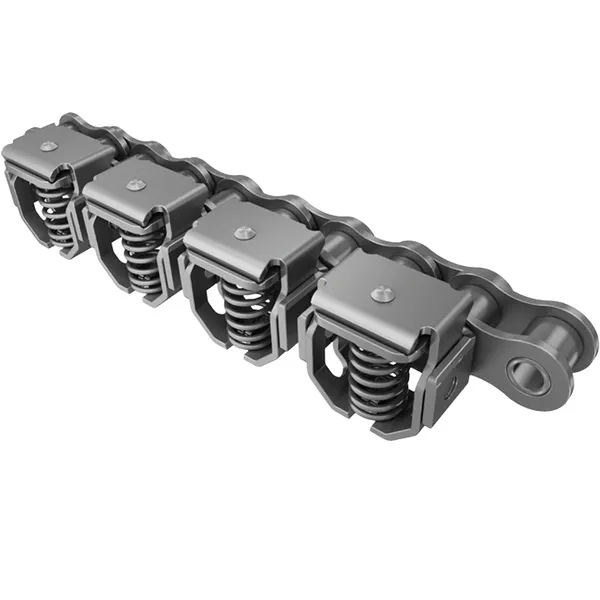
What are the best practices for storing and handling conveyor chains?
Proper storage and handling of conveyor chains are essential to maintain their performance, prevent damage, and prolong their lifespan. Here are some best practices to consider:
1. Clean and dry storage area: Store conveyor chains in a clean and dry environment to prevent the accumulation of dirt, dust, moisture, or contaminants that can affect their performance and cause corrosion.
2. Adequate support: Ensure that the stored conveyor chains are properly supported to prevent excessive bending or deformation. Use pallets, racks, or designated storage containers that can accommodate the weight and length of the chains.
3. Avoid excessive heat or cold: Conveyor chains should be stored in an area with a moderate temperature range to avoid extreme heat or cold that can affect the material properties or lubrication of the chains.
4. Protection against impacts and vibrations: Protect the stored chains from impacts or excessive vibrations that can cause damage or deformation. Use suitable packaging or covers to shield the chains from any potential physical damage.
5. Lubrication: Apply a thin layer of appropriate lubricant to the chains before storage to prevent corrosion and maintain their smooth operation. Follow the manufacturer’s recommendations for lubrication type and quantity.
6. Regular inspections: Periodically inspect the stored conveyor chains to ensure there are no signs of damage, corrosion, or deformation. If any issues are identified, take appropriate actions such as cleaning, lubricating, or replacing the chains.
7. Proper handling techniques: When handling conveyor chains, use appropriate lifting equipment or tools to avoid excessive strain or bending. Avoid dragging or dropping the chains, as this can cause damage to the chain links or attachments.
8. Training and awareness: Provide training to personnel involved in handling and storing conveyor chains to ensure they understand the proper procedures and best practices. Promote awareness of the importance of careful handling and storage to prevent accidents and maintain chain integrity.
By following these best practices, you can ensure the longevity and reliable performance of your conveyor chains, reducing the risk of downtime and costly repairs.
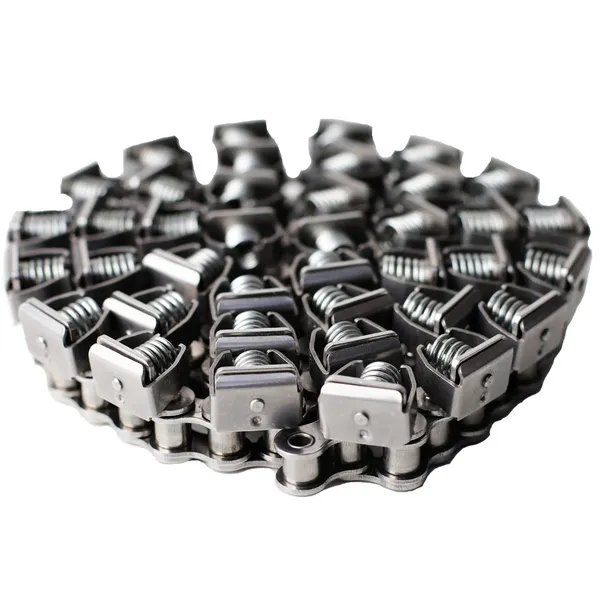
สายพานลำเลียงคืออะไร และทำงานอย่างไร?
โซ่ลำเลียงเป็นโซ่เชิงกลชนิดหนึ่งที่ออกแบบมาโดยเฉพาะสำหรับใช้ในระบบลำเลียง ประกอบด้วยข้อต่อที่เชื่อมต่อกันเป็นวงต่อเนื่อง โดยทั่วไปข้อต่อจะทำจากโลหะและเชื่อมต่อกันด้วยหมุดหรือองค์ประกอบเชื่อมต่ออื่นๆ
สายพานลำเลียงทำงานโดยการถ่ายทอดกำลังและการเคลื่อนที่จากกลไกขับเคลื่อน เช่น มอเตอร์หรือเฟือง ไปยังระบบสายพานลำเลียงเพื่อเคลื่อนย้ายวัสดุหรือผลิตภัณฑ์ไปตามเส้นทางที่กำหนดไว้ล่วงหน้า โซ่จะวางอยู่บนรางหรือรางนำทาง และขณะที่เคลื่อนที่ก็จะรับน้ำหนักที่วางอยู่บนนั้น
การทำงานของสายพานลำเลียงประกอบด้วยขั้นตอนดังต่อไปนี้:
- การส่งกำลัง:
กลไกขับเคลื่อนจะส่งกำลังการหมุนไปยังโซ่ลำเลียง โดยทั่วไปผ่านมอเตอร์และเฟือง มอเตอร์จะให้แรงบิดที่จำเป็นในการขับเคลื่อนโซ่
- แรงดึงและการเคลื่อนที่:
เมื่อกลไกขับเคลื่อนหมุนเฟือง เฟืองเหล่านั้นจะไปเกี่ยวเข้ากับข้อต่อของโซ่ลำเลียง การปฏิสัมพันธ์นี้ก่อให้เกิดแรงดึง ทำให้โซ่เคลื่อนที่ไปตามเส้นทางที่ต้องการ
- การบรรทุก:
นำสิ่งของที่จะขนส่งวางบนสายพานลำเลียง สิ่งของนั้นอาจอยู่ในรูปของผลิตภัณฑ์ วัสดุ หรือสิ่งของอื่นๆ ขณะที่สายพานลำเลียงเคลื่อนที่ มันจะพาสิ่งของนั้นไปตามระบบสายพาน ทำให้การขนส่งหรือการขนย้ายมีประสิทธิภาพ
- การสนับสนุนและคำแนะนำ:
โซ่ลำเลียงได้รับการรองรับและนำทางโดยส่วนประกอบต่างๆ เช่น รางนำทาง ลูกกลิ้ง หรือแถบกันสึก ส่วนประกอบเหล่านี้ช่วยให้มั่นใจได้ว่าโซ่จะอยู่ในแนวที่ถูกต้องและเคลื่อนที่ได้อย่างราบรื่นไปตามระบบลำเลียง
สายพานลำเลียงเป็นอุปกรณ์ที่ใช้กันทั่วไปในอุตสาหกรรมต่างๆ เช่น การผลิต โลจิสติกส์ บรรจุภัณฑ์ และการขนถ่ายวัสดุ โดยเป็นวิธีการเคลื่อนย้ายผลิตภัณฑ์หรือวัสดุที่มีความน่าเชื่อถือและมีประสิทธิภาพ ในลักษณะที่ควบคุมได้และเป็นระบบอัตโนมัติ


editor by CX 2024-05-07