Описание продукта
Высококачественная конвейерная цепь из нержавеющей стали для настольных конвейеров, изготавливаемая на заказ (TS635).
Описание продукта
1. Материал: Цепь из нержавеющей стали / Легированная углеродистая сталь
2. Обработка поверхности: цинкование / никелирование / дакрометирование
3. Короткая конвейерная цепь из нержавеющей стали с креплениями.
4. Конвейерная цепь из нержавеющей стали с двойным шагом.
5. Цепь с двойным шагом и полыми штифтами.
Примечание: Если у вас есть чертежи или образцы, мы можем изготовить специальные конвейерные цепи.
| Название продукта | Настольная конвейерная цепь (TS635) |
| Имеющиеся материалы | 1. Нержавеющая сталь: SS304, SS316 и др. |
| 2. Легированные стали: 45Mn, 42CrMo и др. | |
| 3. OEM-производство по вашему запросу. | |
| Обработка поверхности | Дробеструйная обработка, полировка, оксигенация, чернение, цинкование, никелирование, анодирование и т. д. |
| Характерный | Огнестойкий, маслостойкий, термостойкий |
| Приложение | В основном используется для транспортировки продукции. |
| Критерий проектирования | ISO DIN ANSI и чертеж клиента |
| Размер | Чертежи заказчика и стандарт ISO |
| Упаковка | Деревянный ящик/контейнер и поддон, или изготовление на заказ. |
| Сертификат | ISO9001: 2008 |
| Преимущество | Высокое качество, лучший сервис, конкурентоспособная цена, быстрая доставка. |
| Срок поставки | 20 дней на изготовление образцов. 45 дней на оформление официального заказа. |
Чтобы посмотреть другие товары, пожалуйста, нажмите здесь…
Профиль компании
/* 22 января 2571 19:08:37 */!function(){function s(e,r){var a,o={};try{e&&e.split(“,).forEach(function(e,t){e&&(a=e.match(/(.*?):(.*)$/))&&1
| Материал: | Нержавеющая сталь |
|---|---|
| Структура: | Конвейерная цепь |
| Обработка поверхности: | Масляный цветение |
| Размер цепочки: | Ц635 |
| Особенность: | Термостойкий |
| Образец: | бесплатно |
| Образцы: | US$ 0/метр 1 метр (минимальный заказ) | |
|---|
| Настройка: | Доступный | Индивидуальный запрос |
|---|
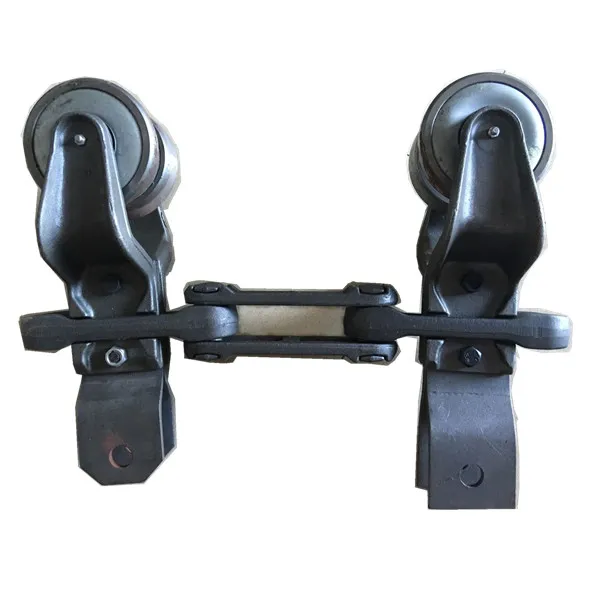
Как рассчитать необходимую мощность для привода конвейерной цепи?
Расчет необходимой мощности для цепного привода конвейера включает в себя учет различных факторов, связанных с конвейерной системой и конкретным применением. Вот пошаговый процесс:
1. Определите общее сопротивление:
– Рассчитайте общее сопротивление, которое должна преодолевать конвейерная цепь во время работы. Это включает в себя сопротивление, обусловленное транспортируемым грузом, потери на трение, перепады высот и любые другие сопротивления в системе.
2. Преобразуйте сопротивление в эквивалентную инерцию:
– Преобразуйте общее сопротивление в эквивалентный момент инерции, умножив его на квадрат скорости цепи.
3. Рассчитайте полный момент инерции:
– Определите полный момент инерции системы, учитывая инерцию всех вращающихся компонентов, таких как конвейерная цепь, звездочки и любые другие приводные элементы.
4. Определите требуемый крутящий момент:
– Рассчитайте необходимый крутящий момент, умножив полный момент инерции на желаемую скорость ускорения или замедления.
5. Преобразование крутящего момента в лошадиные силы:
– Для перевода требуемого крутящего момента в лошадиные силы разделите его на скорость вращения двигателя (в об/мин) и умножьте на коэффициент перевода.
6. Учитывайте коэффициенты безопасности и эффективность:
– Примените коэффициенты запаса прочности к рассчитанной мощности, чтобы учесть возможные отклонения, непредвиденные обстоятельства и будущий рост.
– Необходимо учитывать эффективность приводной системы, включая двигатель, редуктор и другие компоненты трансмиссии, чтобы обеспечить точную передачу мощности.
Важно отметить, что приведенный выше метод расчета дает приблизительную оценку необходимой мощности. Для точных расчетов и обеспечения соответствия выбранного цепного привода конвейера требованиям конкретного применения рекомендуется проконсультироваться с производителями конвейерных систем, инженерами или ознакомиться с отраслевыми рекомендациями.
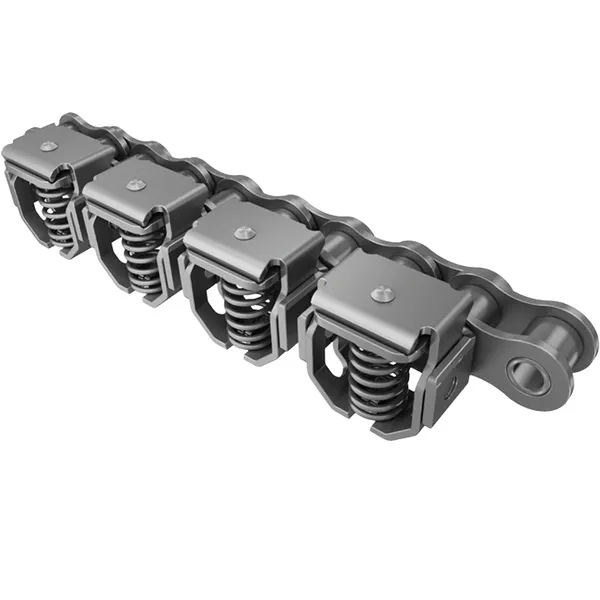
Каковы оптимальные методы хранения и обращения с конвейерными цепями?
Правильное хранение и обращение с конвейерными цепями имеют решающее значение для поддержания их работоспособности, предотвращения повреждений и продления срока службы. Вот несколько рекомендаций, которые следует учитывать:
1. Чистое и сухое место хранения: Храните конвейерные цепи в чистом и сухом месте, чтобы предотвратить скопление грязи, пыли, влаги или загрязнений, которые могут повлиять на их работоспособность и вызвать коррозию.
2. Надлежащая поддержка: Убедитесь, что хранящиеся конвейерные цепи надежно закреплены, чтобы предотвратить чрезмерный изгиб или деформацию. Используйте поддоны, стеллажи или специально предназначенные контейнеры для хранения, способные выдержать вес и длину цепей.
3. Избегайте чрезмерного нагрева или охлаждения: Конвейерные цепи следует хранить в помещении с умеренным температурным диапазоном, чтобы избежать экстремальных температур, которые могут повлиять на свойства материала или смазку цепей.
4. Защита от ударов и вибраций: Защитите хранящиеся цепи от ударов или чрезмерных вибраций, которые могут вызвать повреждения или деформацию. Используйте подходящую упаковку или чехлы, чтобы защитить цепи от любых потенциальных физических повреждений.
5. Смазка: Перед хранением нанесите на цепи тонкий слой подходящей смазки, чтобы предотвратить коррозию и обеспечить их плавную работу. Следуйте рекомендациям производителя относительно типа и количества смазки.
6. Регулярные проверки: Периодически осматривайте хранящиеся конвейерные цепи, чтобы убедиться в отсутствии повреждений, коррозии или деформации. При обнаружении каких-либо проблем принимайте соответствующие меры, такие как очистка, смазка или замена цепей.
7. Правильные методы работы: При работе с конвейерными цепями используйте соответствующее подъемное оборудование или инструменты, чтобы избежать чрезмерного натяжения или изгиба. Избегайте волочения или падения цепей, так как это может повредить звенья цепи или крепления.
8. Обучение и повышение осведомленности: Обеспечить обучение персонала, занимающегося обработкой и хранением конвейерных цепей, чтобы гарантировать понимание ими надлежащих процедур и передовых методов. Повышать осведомленность о важности бережного обращения и хранения для предотвращения несчастных случаев и поддержания целостности цепи.
Следуя этим рекомендациям, вы можете обеспечить долговечность и надежную работу ваших конвейерных цепей, снизив риск простоев и дорогостоящего ремонта.
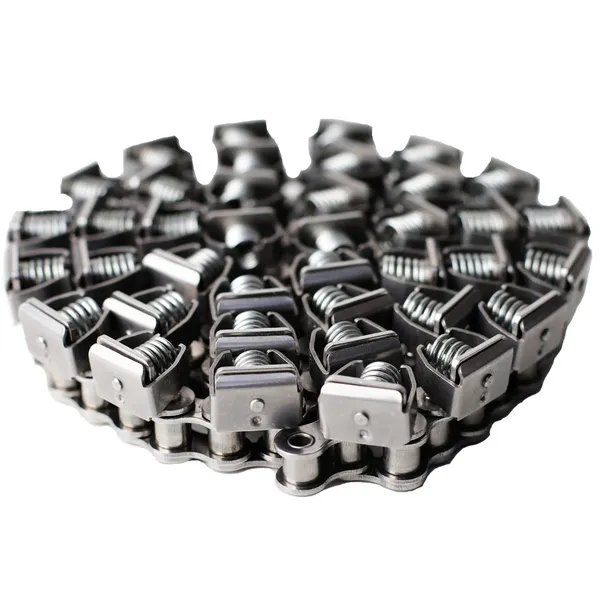
Что такое конвейерная цепь и как она работает?
Конвейерная цепь — это тип механической цепи, специально разработанный для использования в конвейерных системах. Она состоит из ряда взаимосвязанных звеньев, образующих непрерывную цепь. Звенья обычно изготавливаются из металла и соединяются между собой с помощью штифтов или других соединительных элементов.
Конвейерные цепи работают за счет передачи энергии и движения от приводного механизма, такого как двигатель или звездочка, к конвейерной системе для перемещения материалов или изделий по заданному пути. Цепь размещается на направляющих рельсах и, двигаясь, несет на себе груз.
Работа конвейерной цепи включает в себя следующие этапы:
- Передача энергии:
Приводной механизм передает вращательную силу на конвейерную цепь, как правило, через двигатель и звездочки. Двигатель обеспечивает необходимый крутящий момент для привода цепи.
- Тяга и движение:
Вращая зубья звездочек приводным механизмом, они входят в зацепление со звеньями конвейерной цепи. Это взаимодействие создает тягу, заставляя цепь двигаться по заданной траектории.
- Несущая способность:
Груз, подлежащий транспортировке, размещается на конвейерной цепи. Груз может представлять собой продукцию, материалы или другие предметы. По мере движения цепи груз перемещается вдоль конвейерной системы, обеспечивая эффективную транспортировку или погрузку и разгрузку.
- Поддержка и консультации:
Конвейерная цепь поддерживается и направляется различными компонентами, такими как направляющие рельсы, ролики или износостойкие полосы. Эти компоненты обеспечивают правильное выравнивание и плавное движение цепи вдоль конвейерной системы.
Конвейерные цепи широко используются в таких отраслях, как производство, логистика, упаковка и погрузочно-разгрузочные работы. Они представляют собой надежный и эффективный способ перемещения продукции или материалов контролируемым и автоматизированным образом.


Редактор: CX, 07.05.2024