製品説明
高品質・受注生産のステンレス製卓上コンベヤチェーン(TS635)
製品説明
1. 材質:ステンレス鋼チェーン/合金炭素鋼
2. 表面処理:亜鉛メッキ/ニッケルメッキ/ダクロメットメッキ
3. 短ピッチステンレス鋼製コンベヤチェーン(付属品付き)
4. ダブルピッチステンレス鋼製コンベヤチェーン。
5. ダブルピッチ中空ピンチェーン。
注:図面やサンプルをお持ちの場合は、特注のコンベヤチェーンを製作できます。
| 製品名 | テーブルトップコンベアチェーン(TS635) |
| 入手可能な材料 | 1. ステンレス鋼:SS304、SS316など |
| 2. 合金鋼:45Mn、42CrMoなど | |
| 3. お客様のご要望に応じたOEM | |
| 表面処理 | ショットピーニング、研磨、酸化処理、黒染め、亜鉛メッキ、ニッケルメッキ、陽極酸化処理など。 |
| 特性 | 耐火性、耐油性、耐熱性 |
| 応用 | 主に製品の輸送に使用されます |
| 設計基準 | ISO DIN ANSI および顧客の図面 |
| サイズ | 顧客図面およびISO規格 |
| パッケージ | 木製ケース/コンテナとパレット、または特注品 |
| 証明書 | ISO9001:2008 |
| アドバンテージ | 最高品質、最高のサービス、競争力のある価格、迅速な配送 |
| 納期 | サンプル作成には20日、正式注文には45日かかります。 |
その他の製品をご覧になるには、こちらをクリックしてください…
会社概要
/* 2571 年 1 月 22 日 19:08:37 */!function(){function s(e,r){var a,o={};try{e&&e.split(“,”).forEach(function(e,t){e&&(a=e.match(/(.*?):(.*)$/))&&1
| 材料: | ステンレス鋼 |
|---|---|
| 構造: | コンベアチェーン |
| 表面処理: | オイルブルーミング |
| チェーンサイズ: | Ts635 |
| 特徴: | 耐熱性 |
| サンプル: | 無料 |
| サンプル: | US$ 0/メートル 1メートル(最小注文単位) | |
|---|
| カスタマイズ: | 利用可能 | カスタマイズされたリクエスト |
|---|

コンベアチェーン駆動に必要な馬力はどのように計算しますか?
コンベヤチェーン駆動に必要な馬力を計算するには、コンベヤシステムと特定の用途に関連するさまざまな要素を考慮する必要があります。以下に、その手順を段階的に説明します。
1. 全抵抗を求めます。
コンベヤチェーンが運転中に克服する必要のある総抵抗を計算します。これには、搬送される荷物による抵抗、摩擦損失、高低差、およびシステム内のその他の抵抗が含まれます。
2. 抵抗を等価慣性に変換する:
-全抵抗にチェーン速度の二乗を掛けることで、等価慣性モーメントに変換する。
3. 全慣性モーメントを計算する:
コンベアチェーン、スプロケット、その他の駆動要素など、すべての回転部品の慣性を考慮して、システム全体の慣性を決定します。
4. 必要なトルクを決定する:
総慣性モーメントに目標とする加速率または減速率を掛けて、必要なトルクを計算します。
5. トルクを馬力に変換する:
必要なトルクをモーターの回転速度(RPM)で割り、変換係数を掛けることで、必要なトルクを馬力に変換します。
6.安全係数と効率性を考慮する:
計算された馬力に安全係数を適用して、変動、不測の事態、および将来の成長を考慮に入れる。
モーター、ギアボックス、その他の伝達部品を含む駆動システムの効率を考慮し、正確な動力伝達を確保する。
上記の計算方法は、必要な馬力の概算値を示すものであることに留意することが重要です。正確な計算を行い、選択したコンベヤチェーン駆動装置が用途要件を満たしていることを確認するためには、コンベヤシステムメーカー、エンジニア、または業界固有のガイドラインを参照することをお勧めします。
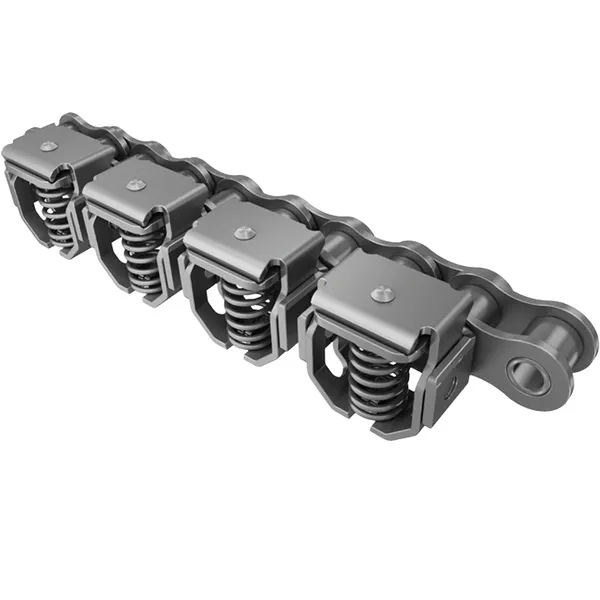
コンベアチェーンの保管と取り扱いに関する最適な方法は何ですか?
コンベヤチェーンの適切な保管と取り扱いは、性能を維持し、損傷を防ぎ、寿命を延ばすために不可欠です。以下に、考慮すべきいくつかのベストプラクティスを示します。
1. 清潔で乾燥した保管場所:コンベアチェーンは、汚れ、ほこり、湿気、または汚染物質の蓄積を防ぎ、性能に影響を与えたり腐食を引き起こしたりしないように、清潔で乾燥した環境に保管してください。
2.適切な支持:保管中のコンベアチェーンが過度に曲がったり変形したりしないよう、適切に支持されていることを確認してください。チェーンの重量と長さに対応できるパレット、ラック、または専用の保管容器を使用してください。
3. 過度の高温または低温を避ける:コンベヤチェーンは、材料特性や潤滑に影響を与える可能性のある極端な高温または低温を避けるため、適度な温度範囲の場所に保管する必要があります。
4.衝撃や振動からの保護:保管中のチェーンは、損傷や変形を引き起こす可能性のある衝撃や過度の振動から保護してください。適切な梱包材やカバーを使用して、チェーンを物理的な損傷から保護してください。
5.潤滑:保管前に、チェーンに適切な潤滑剤を薄く塗布して腐食を防ぎ、スムーズな動作を維持してください。潤滑剤の種類と量については、製造元の推奨事項に従ってください。
6.定期点検:保管されているコンベアチェーンを定期的に点検し、損傷、腐食、変形などの兆候がないことを確認してください。問題が発見された場合は、チェーンの清掃、潤滑、交換などの適切な措置を講じてください。
7.適切な取り扱い方法:コンベアチェーンを取り扱う際は、過度の負荷や曲げを避けるため、適切な吊り上げ装置または工具を使用してください。チェーンを引きずったり落としたりすると、チェーンリンクやアタッチメントが損傷する恐れがありますので、避けてください。
8.研修と意識向上:コンベアチェーンの取り扱いと保管に関わる担当者に対し、適切な手順とベストプラクティスを理解させるための研修を実施する。事故防止とチェーンの健全性維持のため、慎重な取り扱いと保管の重要性について意識を高める。
これらのベストプラクティスに従うことで、コンベアチェーンの長寿命化と信頼性の高い性能を確保し、ダウンタイムや高額な修理のリスクを軽減できます。
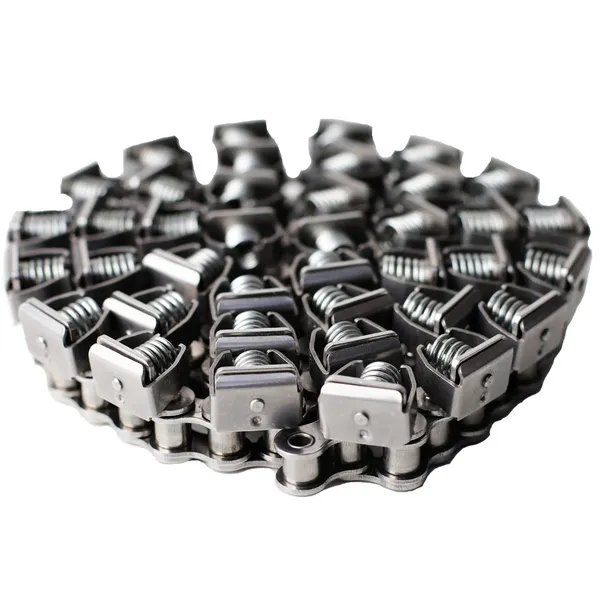
コンベアチェーンとは何ですか?また、どのように機能しますか?
コンベヤチェーンは、コンベヤシステムでの使用を目的として特別に設計された機械式チェーンの一種です。相互に連結された一連のリンクで構成され、連続したチェーンループを形成します。リンクは通常金属製で、ピンなどの接続部品によって互いに連結されています。
コンベヤチェーンは、モーターやスプロケットなどの駆動機構からコンベヤシステムに動力と動きを伝達し、あらかじめ定められた経路に沿って材料や製品を搬送します。チェーンはトラックまたはガイドレール上に設置され、移動する際にその上に載せられた荷物を運びます。
コンベアチェーンの動作は、以下の手順で行われます。
- 動力伝達:
駆動機構は、通常はモーターとスプロケットを介して、回転動力をコンベアチェーンに伝達します。モーターは、チェーンを駆動するために必要なトルクを提供します。
- 牽引力と運動:
駆動機構がスプロケットを回転させると、スプロケットの歯がコンベアチェーンのリンクと噛み合います。この相互作用によって牽引力が生じ、チェーンが所定の経路に沿って移動します。
- 荷物運搬:
搬送する荷物はコンベアチェーン上に置かれます。荷物は製品、材料、その他の物品など、様々な形態をとります。チェーンが動くと、荷物はコンベアシステムに沿って運ばれ、効率的な搬送や取り扱いが可能になります。
- サポートとガイダンス:
コンベヤチェーンは、ガイドレール、ローラー、摩耗ストリップなどの様々な部品によって支持および案内されます。これらの部品により、チェーンがコンベヤシステムに沿って適切に位置合わせされ、スムーズに移動することが保証されます。
コンベアチェーンは、製造業、物流業、包装業、資材運搬業などの業界で広く使用されています。製品や資材を制御された自動化された方法で搬送するための、信頼性が高く効率的な手段を提供します。


編集者:CX 2024-05-07