คำอธิบายผลิตภัณฑ์
Double Pitch Transmission Chains with K1 Attachments -2040k1
A. Our Services:
1. Any of your kind inquiry about chain would be replied within 24 hours.
2. Well-trained and experienced sales staffs will reply all your concerns in fluent English.
3. OEM services are available with us, our professional designer would make your private idea into being.
4. Protection of your sales area, ideas of design and all your private information.
5. Delivery by air mail or ship for your orders.
6. With years of manufacture and promotion experience in global market, brings you profit and great success!
B.Technical parameters
C. Company show & Product Process
D. Packaging
| รายละเอียดบรรจุภัณฑ์: | Chain+Plastic Bag+Neutral Box+Wooden case+Big Carton+Steel Pallets |
| Delivery Detail: | five weeks |
E. คำถามที่พบบ่อย:
1. คุณเป็นผู้ผลิตหรือบริษัทค้าส่ง?
We are a factory founded in 1991 with trade team for international service.
2. โดยปกติคุณใช้เงื่อนไขการชำระเงินแบบใด?
T/T 30% deposit and 70% against document, Western Union, L/C at sight
3. what is your lead time for your goods?
Normally 45 days after confirmed order. 30 days could be available in low season for some items (during May to July), and 65 days during new year and hot season ( Jan to March).
4. คุณไปชมงานแสดงสินค้าใดบ้างหรือไม่?
We attend Hannover show in Germany, NMW in Austrilia, Canton fair, PTC, in China and many other special furniture shows.
/* 22 มกราคม 2571 19:08:37 */!function(){function s(e,r){var a,o={};try{e&&e.split(“,”).forEach(function(e,t){e&&(a=e.match(/(.*?):(.*)$/))&&1
| วิธีใช้งาน: | โซ่ส่งกำลัง |
|---|---|
| วัสดุ: | เหล็กอัลลอย/เหล็กคาร์บอน |
| การเตรียมพื้นผิว: | น้ำมันบาน |
| คุณสมบัติ: | ทนความร้อน |
| ขนาดสร้อย: | 1/2"*3/32" |
| โครงสร้าง: | โซ่ลูกกลิ้ง |
| การปรับแต่ง: | มีอยู่ | คำขอที่กำหนดเอง |
|---|
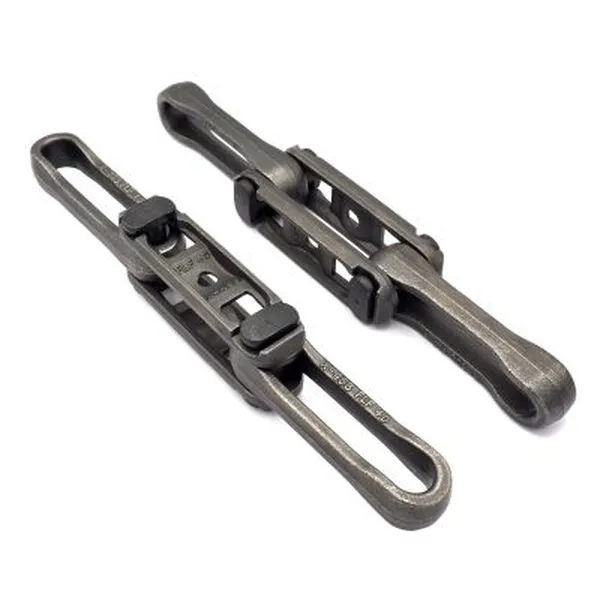
ข้อดีของการใช้สายพานลำเลียงแบบแผ่นไม้คืออะไร?
สายพานลำเลียงแบบแผ่นไม้มีข้อดีหลายประการในการขนถ่ายและลำเลียงวัสดุ ต่อไปนี้คือข้อดีที่สำคัญบางประการ:
1. ความสามารถในการรับน้ำหนักสูง:
– โซ่ลำเลียงแบบแผ่นได้รับการออกแบบมาเพื่อรองรับน้ำหนักบรรทุกมากและสามารถทนต่อสภาพแวดล้อมทางอุตสาหกรรมที่รุนแรงได้
– โดยทั่วไปแล้วจะใช้ในงานที่ต้องการขนส่งสิ่งของขนาดใหญ่ เทอะทะ หรือมีรูปทรงไม่สม่ำเสมอ เช่น ชิ้นส่วนยานยนต์ พาเลท หรือตู้คอนเทนเนอร์
2. ความยืดหยุ่น:
– โซ่ลำเลียงแบบแผ่นสามารถปรับแต่งและกำหนดค่าให้เหมาะสมกับความต้องการในการลำเลียงเฉพาะด้านได้ มีให้เลือกหลายขนาดความกว้าง ความยาว และรูปแบบโซ่ เพื่อรองรับขนาดและรูปทรงของผลิตภัณฑ์ที่แตกต่างกัน
– การออกแบบแบบแยกส่วนของโซ่ลำเลียงช่วยให้สามารถปรับเปลี่ยนหรือขยายระบบลำเลียงได้ง่ายตามความต้องการในการผลิตที่เปลี่ยนแปลงไป
3. ความอเนกประสงค์:
– โซ่ลำเลียงแบบแผ่นสามารถใช้ได้ทั้งในการลำเลียงแนวนอนและแนวเอียง สามารถเคลื่อนย้ายผลิตภัณฑ์ขึ้นหรือลงตามความลาดชัน ทำให้เหมาะสำหรับสายการผลิตที่มีระดับความสูงแตกต่างกัน
– โซ่เหล่านี้สามารถผสานรวมเข้ากับส่วนโค้ง ส่วนเลี้ยว จุดรวม และตัวเบี่ยง เพื่อสร้างระบบลำเลียงที่ซับซ้อน ซึ่งช่วยเพิ่มประสิทธิภาพการใช้พื้นที่และการไหลของผลิตภัณฑ์ให้เหมาะสมที่สุด
4. ความทนทานและอายุการใช้งานที่ยาวนาน:
– โดยทั่วไปแล้ว โซ่สำหรับยึดแผ่นไม้จะทำจากวัสดุที่แข็งแรง เช่น เหล็กหรือพลาสติก ซึ่งให้ความทนทานและทนต่อการสึกหรอได้ดีเยี่ยม
– สามารถทนต่อสภาวะการใช้งานที่ท้าทายได้ รวมถึงอุณหภูมิสูง สภาพแวดล้อมที่กัดกร่อน หรือการสัมผัสกับสารเคมี
5. ดูแลรักษาง่าย:
– สายพานลำเลียงแบบแผ่นไม้ต้องการการบำรุงรักษาเพียงเล็กน้อยเมื่อเทียบกับระบบสายพานลำเลียงประเภทอื่นๆ เนื่องจากมีชิ้นส่วนที่เคลื่อนไหวน้อยกว่าและโดยทั่วไปทำงานโดยมีแรงเสียดทานต่ำกว่า
– ด้วยการหล่อลื่นที่เหมาะสมและการตรวจสอบเป็นระยะ โซ่รางเลื่อนสามารถรักษาประสิทธิภาพและความน่าเชื่อถือได้ตลอดอายุการใช้งานที่ยาวนาน
6. ทำความสะอาดง่าย:
– การออกแบบแบบเปิดของโซ่แผ่นช่วยให้ทำความสะอาดและกำจัดเศษสิ่งสกปรกได้ง่าย เหมาะสำหรับงานที่ต้องการการทำความสะอาดหรือบำรุงรักษาสุขอนามัยบ่อยครั้ง เช่น ในอุตสาหกรรมแปรรูปอาหารหรืออุตสาหกรรมยา
โดยรวมแล้ว การใช้โซ่ลำเลียงแบบแผ่นมีข้อดีหลายประการ ได้แก่ ความสามารถในการรับน้ำหนักสูง ความยืดหยุ่นในการออกแบบ ความหลากหลายในการใช้งานลำเลียง ความทนทาน ความต้องการการบำรุงรักษาต่ำ และทำความสะอาดง่าย คุณสมบัติเหล่านี้ทำให้โซ่ลำเลียงแบบแผ่นเป็นโซลูชันที่มีประสิทธิภาพสำหรับอุตสาหกรรมต่างๆ ที่ต้องการการลำเลียงวัสดุที่มีประสิทธิภาพและเชื่อถือได้

How does a conveyor chain contribute to overall production efficiency?
A conveyor chain plays a crucial role in enhancing overall production efficiency in various industries. Here are the ways in which it contributes to efficiency:
1. Continuous Material Flow: A conveyor chain enables continuous and uninterrupted material flow from one point to another. It eliminates the need for manual handling or transportation of goods, reducing downtime and delays in production processes.
2. Increased Throughput: By automating material handling, a conveyor chain enables faster and more efficient movement of goods. It allows for higher throughput and production rates, maximizing the utilization of resources and reducing cycle times.
3. Improved Productivity: With a conveyor chain, employees can focus on value-added tasks rather than manual material handling. This leads to improved productivity as workers can concentrate on more skilled and critical operations.
4. Efficient Resource Allocation: A well-designed conveyor chain system optimizes the utilization of space, allowing for efficient layout and organization of production areas. It helps in streamlining workflow and minimizing wastage of resources such as floor space, manpower, and equipment.
5. Quality Control: Conveyor chains can be integrated with inspection stations or automated processes to ensure quality control at various stages of production. This helps in detecting and rectifying any defects or inconsistencies, reducing the chances of faulty products reaching the market.
6. Reduced Material Handling Costs: By eliminating or minimizing manual material handling, a conveyor chain reduces labor costs associated with transportation, lifting, and carrying of goods. It also minimizes the risk of injuries or accidents related to manual handling.
7. Flexibility and Adaptability: Conveyor chains can be customized to suit specific production requirements. They can be designed to accommodate different types of products, handle various load capacities, and adapt to changes in production demands. This flexibility allows for seamless integration with existing production systems and easy scalability.
8. Safety and Ergonomics: Conveyor chains incorporate safety features such as guards, emergency stop buttons, and interlocks to ensure worker safety. They also promote ergonomic practices by reducing physical strain on workers and minimizing the risk of musculoskeletal injuries.
Overall, a well-designed and properly maintained conveyor chain system enhances production efficiency by optimizing material flow, increasing throughput, improving productivity, reducing costs, ensuring quality control, and prioritizing worker safety.
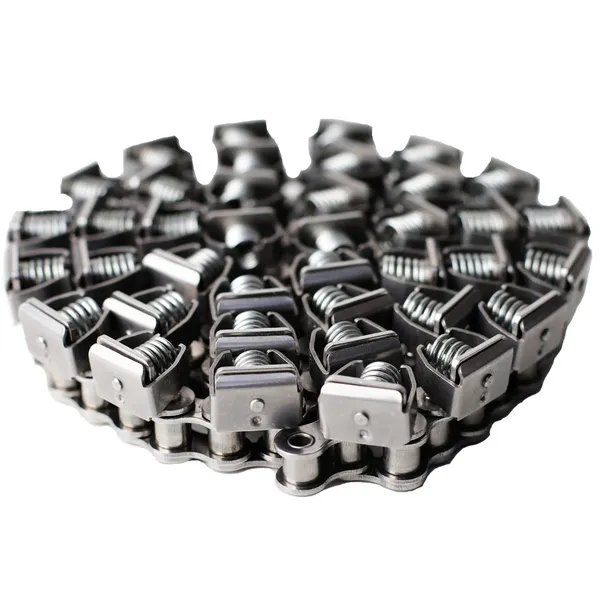
What is the load capacity of a conveyor chain?
The load capacity of a conveyor chain depends on various factors, including the chain design, material, size, and the operating conditions. It is crucial to consider the specific application requirements when determining the load capacity of a conveyor chain. Here are some key factors to consider:
- Chain Design: Different types of conveyor chains have varying load capacities. The chain design includes factors such as the type of links, their configuration, and the presence of attachments or rollers.
- วัสดุ: The material used to manufacture the conveyor chain significantly affects its load capacity. Common materials include steel, stainless steel, and plastic. Steel chains are generally more robust and have higher load-bearing capabilities.
- ขนาดสร้อย: The size of the conveyor chain, including the pitch and width, plays a role in determining its load capacity. Larger chains with wider links tend to have higher load capacities.
- Operating Conditions: Factors such as the speed of the conveyor, the type and weight of the transported materials, and the environmental conditions (temperature, humidity, etc.) can impact the load capacity of the chain.
- Manufacturer Specifications: It is essential to consult the manufacturer’s specifications and guidelines for the specific conveyor chain being used. Manufacturers typically provide load capacity charts or tables based on their chain designs.
The load capacity of a conveyor chain is typically specified in terms of its maximum allowable working load or breaking strength. These values are determined through rigorous testing and engineering calculations. To ensure safe and efficient operation, it is important to select a conveyor chain that has a load capacity suitable for the intended application. Exceeding the recommended load capacity can lead to premature wear, chain failure, and potential safety hazards.


editor by CX 2024-05-06