Ürün Açıklaması
Ürün Açıklaması
The drop forged chains made of heat treated high grade alloy steel.
1) X348,X458,X678,H698,9118,P1/8822 0571 -57152031 Fax: 86~/8822 0571 -57152030
Http://kasinchain
| Malzeme: | SCR440 |
|---|---|
| Yapı: | Forging |
| Yüzey İşlemi: | Shot Blasting |
| Zincir Boyutu: | P:153.2mm |
| Özellik: | Heat Resistant, Forging |
| Breaking Load: | 320kn |
| Örnekler: | US$ 25/Meter 1 Metre (Minimum Sipariş) | |
|---|
| Özelleştirme: | Mevcut | Özelleştirilmiş Talep |
|---|
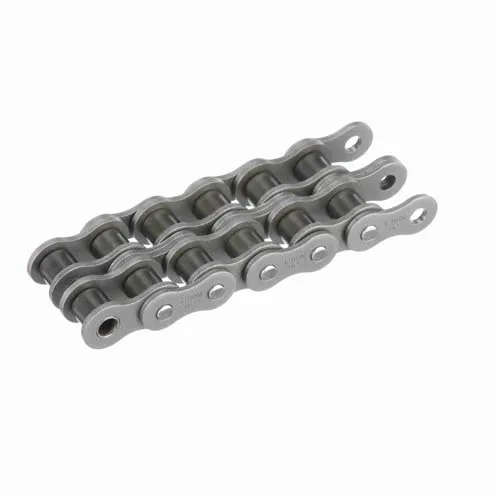
What are the considerations for selecting a low-maintenance conveyor chain?
When selecting a low-maintenance conveyor chain, several considerations should be taken into account:
1. Material Selection:
– Choose a conveyor chain made from materials that are resistant to wear, corrosion, and contamination. Stainless steel, plastic, or self-lubricating chains are commonly used for their durability and low maintenance requirements.
2. Lubrication-Free Design:
– Look for conveyor chains that have a self-lubricating design or are pre-lubricated with materials that reduce friction and eliminate the need for additional lubrication. This helps to minimize maintenance tasks associated with regular lubrication.
3. Sealed Construction:
– Consider conveyor chains with sealed construction to prevent the ingress of dirt, debris, and moisture. Sealed chains require less frequent cleaning and maintenance, making them ideal for low-maintenance applications.
4. Easy Cleaning:
– Opt for conveyor chains that are designed for easy cleaning. Smooth surfaces, open structures, and accessible components allow for quick and efficient cleaning, reducing maintenance time and effort.
5. Resistance to Contamination:
– Select a conveyor chain that is resistant to contamination. This includes resistance to chemicals, oils, greases, and other substances commonly found in the application environment. Chains that can withstand contamination require less frequent cleaning and maintenance.
6. Wear Monitoring:
– Look for conveyor chains that have wear monitoring features, such as wear indicators or sensors. These features help to identify chain wear and provide timely maintenance alerts, allowing for proactive replacement or adjustment.
7. Manufacturer Support:
– Consider the support provided by the chain manufacturer. A reputable manufacturer will offer guidance on maintenance intervals, replacement schedules, and provide technical assistance to ensure the proper functioning of the chain.
By considering these factors, you can select a low-maintenance conveyor chain that minimizes the need for frequent inspections, lubrication, cleaning, and replacement, resulting in reduced maintenance efforts and costs.
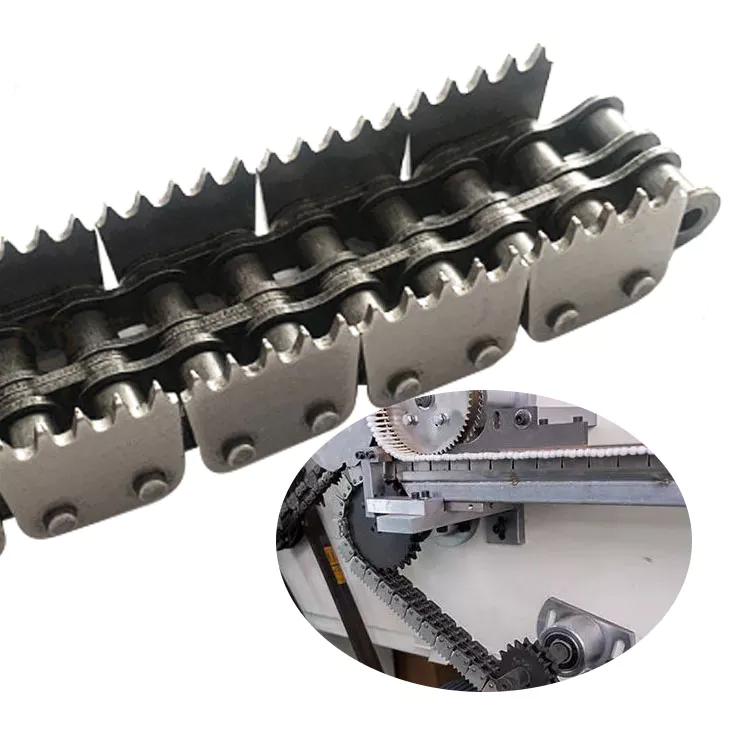
Konveyör zinciri için mevcut farklı bağlantı seçenekleri nelerdir?
Konveyör zincirleri, belirli malzeme taşıma ihtiyaçlarını karşılamak için çeşitli ataşman veya aksesuarlarla donatılabilir. İşte bazı yaygın ataşman seçenekleri:
1. Çıtçıtlar veya Kanatlar: Çıtçıtlar veya kanatlar, malzemelerin zincirden kaymasını veya düşmesini önlemek için konveyör zincirine takılan yükseltilmiş bölümlerdir. Genellikle eğimli veya inişli uygulamalarda veya gevşek veya dökme malzemelerin taşınmasında kullanılırlar.
2. Yan Plakalar veya Yan Koruyucular: Yan plakalar veya yan koruyucular, malzemelerin dökülmesini veya yanlardan düşmesini önlemek için konveyör zincirinin kenarlarına monte edilir. Özellikle küçük veya düzensiz şekilli malzemelerin taşınmasında kullanışlıdırlar.
3. İtme Çubukları: İtme çubukları, malzemeleri farklı bir konveyör hattına itmek veya belirli bir yere yönlendirmek için pnömatik veya mekanik olarak çalıştırılabilen, konveyör zincirine monte edilmiş uzantılardır. Genellikle ayırma veya yönlendirme uygulamalarında kullanılırlar.
4. Sabitleyiciler veya Braketler: Sabitleyiciler veya braketler, taşınan malzemeleri sabitlemek ve dengelemek için konveyör zincirine takılan cihazlardır. Özellikle titreşimlerle veya hız değişiklikleriyle karşılaşıldığında, malzemelerin taşıma işlemi sırasında sabit bir konumda kalmasını sağlarlar.
5. Kılavuz Raylar: Kılavuz raylar, taşınan malzemeler için yönlendirme ve hizalama sağlamak amacıyla konveyör zincirinin yanına monte edilir. İstenilen yolu korumaya ve yanal hareketi veya yanlış hizalamayı önlemeye yardımcı olurlar.
6. Manyetik Bağlantı Elemanları: Manyetik bağlantı elemanları, demir içeren malzemelerin taşınmasında kullanılır. Konveyör zincirinin manyetik nesneleri çekmesini ve tutmasını sağlayarak etkili taşıma ve ayırma işlemini garanti ederler.
7. Takım Plakaları: Takım plakaları, fikstürler, sensörler veya robot kolları gibi belirli ekipmanları yerleştirmek için konveyör zincirine takılan platformlar veya montaj yüzeyleridir. Konveyör sistemine ek işlevsellikler entegre etmek için kullanışlı ve özelleştirilebilir bir arayüz sağlarlar.
8. Yönlendiriciler veya Aktarım Üniteleri: Yönlendiriciler veya aktarım üniteleri, malzemelerin bir konveyör hattından diğerine veya farklı işleme istasyonları arasında sorunsuz bir şekilde aktarılmasını sağlayan özel eklentilerdir. Sorunsuz geçişler ve hassas malzeme akışı kontrolü sağlarlar.
Bu bağlantı seçenekleri, konveyör zinciri uygulamalarında esneklik ve çok yönlülük sunarak, taşınan malzemenin veya üretim sürecinin özel gereksinimlerine göre özelleştirmeye olanak tanır. Uygun bağlantıların seçilmesiyle, konveyör zincirleri çok çeşitli malzemeleri etkili bir şekilde taşıyabilir ve bir konveyör sistemi içindeki malzeme akışını optimize edebilir.

What are the advantages of using a conveyor chain in material handling?
Conveyor chains offer numerous advantages in material handling applications, making them a preferred choice in various industries. Here are some of the key advantages:
- Efficient Transportation: Conveyor chains provide a continuous and reliable means of transporting materials, ensuring a smooth flow throughout the production or distribution process. They can handle both light and heavy loads, enabling efficient movement of items of different sizes and weights.
- Increased Productivity: By automating the material handling process, conveyor chains help increase productivity and operational efficiency. They eliminate the need for manual handling and reduce human effort, allowing employees to focus on other tasks, resulting in higher throughput and reduced labor costs.
- Flexibility and Customization: Conveyor chains can be designed and configured to meet specific material handling requirements. They are available in various lengths, widths, and configurations, allowing for customization based on the layout and space constraints of the facility. Additionally, different types of conveyor chains can be selected to handle specific materials or accommodate special handling needs.
- Improved Safety: Conveyor chains enhance workplace safety by reducing the risk of manual lifting and carrying heavy loads. They provide a controlled and controlled movement of materials, minimizing the chances of accidents and injuries. Additionally, safety features such as emergency stop buttons, guardrails, and sensors can be incorporated into the conveyor system to further enhance safety.
- Space Optimization: Conveyor chains utilize vertical and horizontal space efficiently, making them ideal for facilities with limited floor space. They can be designed to navigate corners, inclines, and declines, allowing for optimized layout and maximizing the use of available space.
- Versatility: Conveyor chains are versatile and can handle a wide range of materials, including bulk items, packaged goods, fragile items, and irregularly shaped objects. They can accommodate different types of conveyance methods such as flat, inclined, or spiral conveyors, providing flexibility in material handling processes.
- Improved Inventory Control: Conveyor chains enable better inventory control by facilitating the smooth movement and tracking of materials. They can be integrated with barcode scanners, RFID technology, or other tracking systems to monitor the flow of goods and provide real-time information on inventory levels.
- Reduced Material Damage: Conveyor chains help minimize material damage during handling and transportation. They provide a stable and controlled movement, reducing the risk of items falling or getting damaged due to manual handling or rough transportation methods.
The advantages of using a conveyor chain in material handling include improved efficiency, productivity, safety, space utilization, and inventory control, leading to cost savings and enhanced overall operational performance.


editor by CX 2023-09-05