Опис продукту
| Елемент | Стандартні роликові ланцюги передачі | Модель | Серія A, Серія B, для важких умов експлуатації |
| Рядок | Симплекс/Дуплекс/Триплекс | Застосування | Деталі машин |
| Поверхнева обробка | Самозабарвлення/Піскоструминна обробка/Дробоструминне зміцнення | Бренд | OEM-виробник |
| Пакет | Поліетиленовий пакет, потім коробка, нарешті полідерев'яний ящик | Порт | Будь-який морський порт або аеропорт у Китаї |
| Серія А | 03C, 04C-1, 06C-1, 085-1, 08A-1, 10A-1, 12A-1, 16A-1, 20A-1, 24A-1, 28A-1, 32A-1, 36A-1, 40A-1, 48A-1, 15, 25-1, 35-1, 41-1, 40-1, 50-1, 60-1, 80-1, 100-1, 120-1, 140-1, 160-1, 180-1, 200-1, 240-1. | ||
| 04C-2,06C-2,085-2,08A-2,10A-2,12A-2,16A-2,20A-2,24A-2,28A-2,32A-2,36A-2,40A-2,48A-2, 15,25-2,35-2,41-2,40-2,50-2,60-2,80-2,100-2,120-2,140-2,160-2,180-2,200-2,240-2. | |||
| 04C-3,06C-3,085-3,08A-3,10A-3,12A-3,16A-3,20A-3,24A-3,28A-3,32A-3,36A-3,40A-3,48A-3. 15,25-3,35-3,41-3,40-3,50-3,60-3,80-3,100-3,120-3,140-3,160-3,180-3,200-3,240-3. | |||
| Серія B | 05B-1,06B-1,08B-1,10B-1,12B-1,16B-1,20B-1,24B-1,28B-1,32B-1,40B-1,48B-1,56B-1,64B-1,72B-1. | ||
| 05B-2,06B-2,08B-2,10B-2,12B-2,16B-2,20B-2,24B-2,28B-2,32B-2,40B-2,48B-2,56B-2,64B-2,72B-2. | |||
| 05Б-3,06Б-3,08Б-3,10Б-3,12Б-3,16Б-3,20Б-3,24Б-3,28Б-3,32Б-3,40Б-3,48Б-3,56Б-3,64Б-3,72Б-3. | |||
| Тип для важких умов експлуатації | 35H-1,40H-1,50H-1,60H-1,80H-1,100H-1,120H-1,140H-1,160H-1,180H-1,200H-1,240H-1. | ||
| 35H-2,40H-2,50H-2,60H-2,80H-2,100H-2,120H-2,140H-2,160H-2,180H-2,200H-2,240H-2. | |||
| 35H-3, 40H-3, 50H-3, 60H-3, 80H-3, 100H-3, 120H-3, 140H-3, 160H-3, 180H-3, 200H-3, 240H-3. | |||
/* 22 січня 2571 19:08:37 */!function(){function s(e,r){var a,o={};try{e&&e.split(“,”).forEach(function(e,t){e&&(a=e.match(/(.*?):(.*)$/))&&1
| Стандартний або нестандартний: | Стандартний/Нестандартний |
|---|---|
| Застосування: | Текстильне обладнання, швейне обладнання, конвеєрне обладнання, пакувальне обладнання, мотоциклетне, харчове обладнання, морське, гірничодобувне обладнання, сільськогосподарська техніка, автомобільне |
| Обробка поверхні: | Полірування |
| Структура: | Роликовий ланцюг |
| Матеріал: | Вуглецева сталь/нержавіюча сталь |
| Тип: | Ланцюг з коротким кроком |
| Зразки: | US$ 5/Кілька ланок стандартного ланцюга 1 Кілька ланок стандартного ланцюга (мінімальне замовлення) | |
|---|
| Налаштування: | Доступно | Індивідуальний запит |
|---|
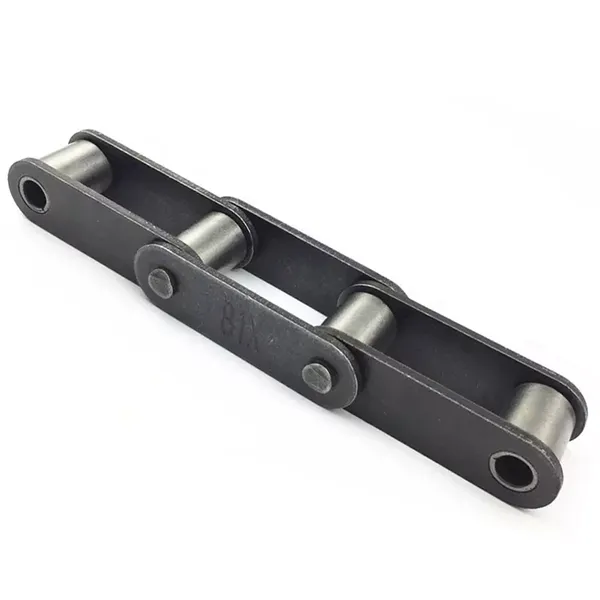
Як конвеєрний ланцюг обробляє завдання накопичення та індексування?
У конвеєрних системах накопичення та індексування стосуються певних методів керування рухом та позиціонуванням предметів вздовж конвеєрної лінії. Конвеєрний ланцюг може ефективно виконувати ці завдання завдяки використанню спеціалізованих компонентів та механізмів керування. Ось детальне пояснення:
Накопичення:
– Акумуляція – це процес тимчасового зберігання або буферизації предметів на конвеєрі для контролю потоку матеріалів. Конвеєрні ланцюги, призначені для акумуляції, зазвичай мають такі функції, як напрямні ланцюга з низьким тертям, зони акумулювання та датчики.
– У системі конвеєрного ланцюга накопичення ланцюг поділено на окремі зони, де можуть накопичуватися предмети. Коли продукти потрапляють у зону, ланцюг сповільнюється або зупиняється, дозволяючи предметам накопичуватися, не зіткнувшись один з одним. Датчики або фотоелементи виявляють наявність предметів у кожній зоні та подають сигнали для керування рухом ланцюга.
– Зони накопичення в системі конвеєрного ланцюга можна контролювати різними способами, наприклад, за допомогою моторизованих роликів, пневматичних пристроїв або електронних датчиків. Це забезпечує контрольований та синхронізований потік предметів вздовж конвеєрної лінії.
Індексування:
– Індексування стосується точного позиціонування елементів через певні інтервали вздовж конвеєрної лінії. Це зазвичай використовується в тих випадках, коли потрібне точне позиціонування або послідовність, наприклад, у процесах складання або пакування.
– Конвеєрні ланцюги, призначені для індексування, містять спеціалізовані індексні штифти, упори або прецизійні індексні приводи. Ці компоненти працюють разом для точного позиціонування предметів у заздалегідь визначених місцях вздовж конвеєра.
– Механізм індексування конвеєрної ланцюгової системи може приводитися в рух механічними кулачками, серводвигунами або програмованими логічними контролерами (ПЛК). Рух індексування може бути синхронізований з іншими процесами або машинами, розташованими нижче за течією, для забезпечення точного складання або пакування.
– Поєднуючи можливості накопичення та індексування, система конвеєрного ланцюга може виконувати широкий спектр завдань, включаючи сортування, буферизацію, секвенування та автоматизоване складання. Вона забезпечує контроль над потоком та позиціонуванням виробів, що дозволяє ефективно обробляти матеріали та оптимізувати виробничі процеси.
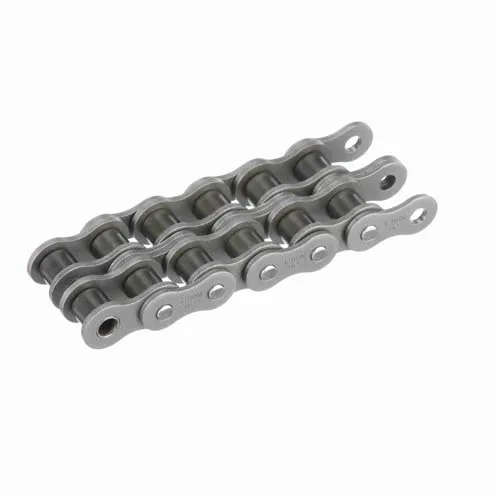
Які переваги використання конвеєрних ланцюгів з нержавіючої сталі?
Конвеєрні ланцюги з нержавіючої сталі мають кілька переваг порівняно з іншими типами ланцюгів. Ось деякі з ключових переваг:
1. Стійкість до корозії: Нержавіюча сталь має високу стійкість до корозії, що робить її придатною для застосування в суворих умовах або галузях промисловості, де потрібне часте миття або вплив вологи. Вона не іржавіє та не кородує, як інші метали, що забезпечує довший термін служби та надійну роботу.
2. Міцність та довговічність: Ланцюги з нержавіючої сталі відомі своєю високою міцністю та довговічністю. Вони можуть витримувати великі навантаження, високі температури та абразивні матеріали без деформації чи поломки. Це робить їх ідеальними для важких умов експлуатації, де надійність та довговічність мають вирішальне значення.
3. Гігієнічні та санітарні умови: Нержавіюча сталь — це непористий матеріал, який легко чистити та обслуговувати. Вона стійка до бактерій, цвілі та інших забруднювачів, що робить її придатною для галузей промисловості з суворими гігієнічними вимогами, таких як харчова промисловість, фармацевтика та медичне обладнання. Ланцюги з нержавіючої сталі можна ретельно чистити та дезінфікувати, що знижує ризик забруднення продукту.
4. Термостійкість: Ланцюги з нержавіючої сталі можуть витримувати широкий діапазон температур, як високих, так і низьких. Вони демонструють чудову термостійкість, що дозволяє їм зберігати свою міцність та експлуатаційні характеристики навіть в екстремальних температурних умовах.
5. Естетична привабливість: Ланцюги з нержавіючої сталі мають елегантний та полірований вигляд, додаючи конвеєрній системі професійного та естетичного вигляду. Вони зазвичай використовуються в галузях, де важливі візуальна привабливість та представленість бренду, таких як роздрібна торгівля або товари розкоші.
6. Хімічна стійкість: Нержавіюча сталь стійка до різних хімічних речовин, включаючи кислоти, луги та розчинники. Це робить її придатною для застосувань, де ймовірний контакт з агресивними речовинами.
7. Сумісність із високошвидкісними системами: Ланцюги з нержавіючої сталі можуть витримувати високошвидкісні операції без шкоди для їхньої структурної цілісності чи продуктивності. Вони зберігають свою стабільність і точність навіть на підвищених швидкостях.
Загалом, конвеєрні ланцюги з нержавіючої сталі забезпечують стійкість до корозії, міцність, довговічність, гігієнічні властивості, стійкість до температур, естетичну привабливість, хімічну стійкість та сумісність з високошвидкісними системами. Ці переваги роблять їх кращим вибором у таких галузях, як харчова промисловість, фармацевтика, автомобільна промисловість та виробництво, де надійність, чистота та продуктивність є важливими.
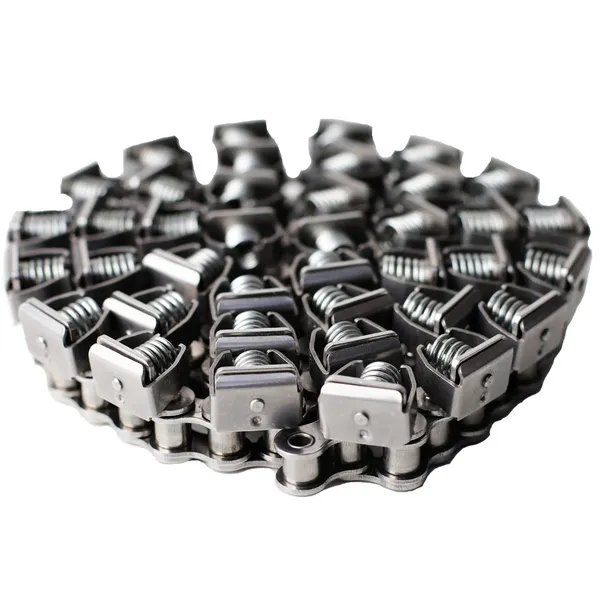
Що таке конвеєрний ланцюг і як він працює?
Конвеєрний ланцюг — це тип механічного ланцюга, спеціально розроблений для використання в конвеєрних системах. Він складається з низки взаємопов'язаних ланок, що утворюють безперервну петлю ланцюга. Ланки зазвичай виготовлені з металу та з'єднані між собою за допомогою штифтів або інших з'єднувальних елементів.
Конвеєрні ланцюги працюють, передаючи потужність і рух від приводного механізму, такого як двигун або зірочка, до конвеєрної системи для переміщення матеріалів або продуктів по заданому шляху. Ланцюг розміщено на рейці або напрямних рейках, і під час руху він переносить розміщене на ньому вантаж.
Робота конвеєрного ланцюга включає такі етапи:
- Передача потужності:
Привідний механізм передає обертальну потужність на конвеєрний ланцюг, зазвичай через двигун та зірочки. Двигун забезпечує необхідний крутний момент для руху ланцюга.
- Тяга та рух:
Коли приводний механізм обертає зірочки, зубці зірочок зачіпаються з ланками конвеєрного ланцюга. Ця взаємодія створює зчеплення, змушуючи ланцюг рухатися по потрібному шляху.
- Вантажопідйомність:
Вантаж, що транспортується, розміщується на конвеєрному ланцюгу. Вантаж може бути у вигляді продуктів, матеріалів або інших предметів. Під час руху ланцюг переносить вантаж вздовж конвеєрної системи, що забезпечує ефективне транспортування або обробку.
- Підтримка та керівництво:
Конвеєрний ланцюг підтримується та спрямовується різними компонентами, такими як напрямні рейки, ролики або зносостійкі планки. Ці компоненти забезпечують правильне вирівнювання та плавний рух ланцюга вздовж конвеєрної системи.
Конвеєрні ланцюги широко використовуються в таких галузях, як виробництво, логістика, упаковка та обробка матеріалів. Вони пропонують надійний та ефективний метод переміщення продуктів або матеріалів контрольованим та автоматизованим способом.


редактор CX 2024-04-23