Produktbeskrivelse
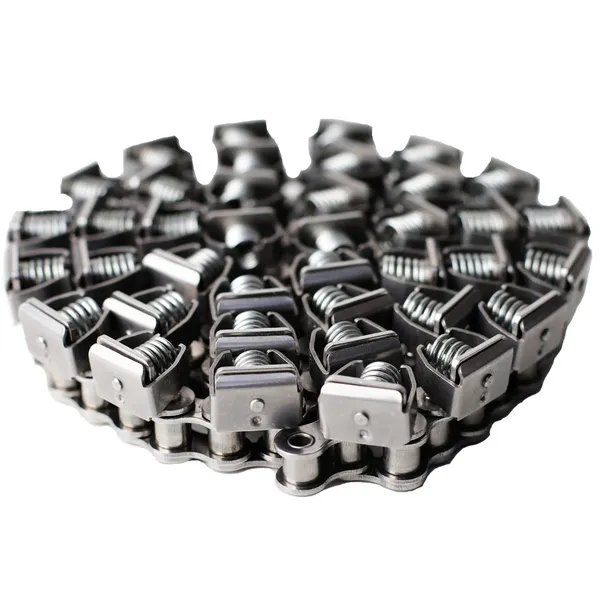
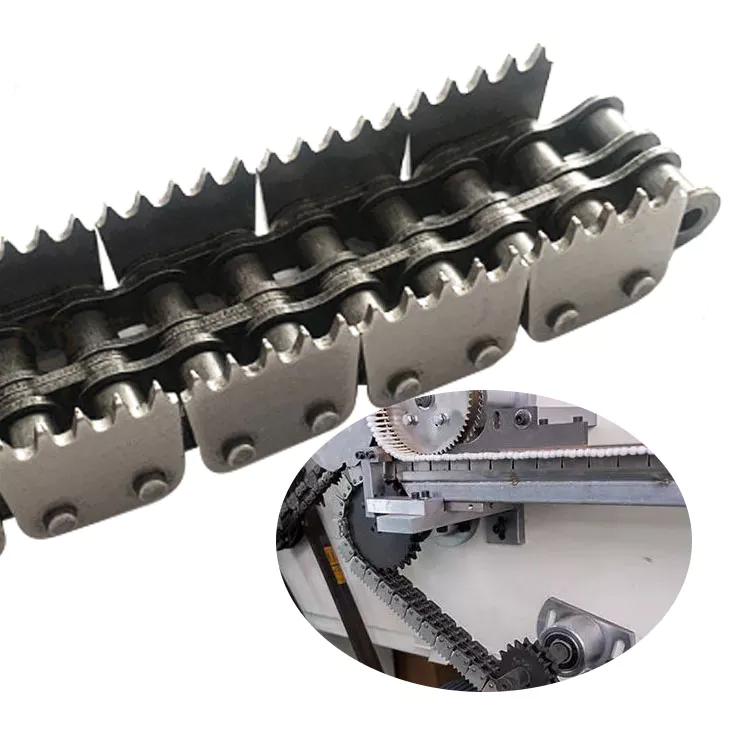
High Quality Motorcycle Conveyor Roller Chain Stainless Steel Professional China Factory Supply (ANSI, BS, DIN, JIS Standard)
Produktbeskrivelse
1. Material: Stainless steel / Alloy steel / Made to order
2. Surface Treatment: Zinc-Plated / Nickel-Plated / Shot Peening / Blackening
3. Chain Type: Roller chains, Drive chains,Conveyor Chains, Hollow Pin Chains,Welded chains, Steel Pin Chains, Palm oil chains,Sugar Mill Chains.ect.
4. Application: Chains is a very important industry parts, The many industry will be use chain. For examples Sugar mill ,Steel mill,Cement mill, Palm oil mill and more. thus the chain is industrial family main member.
5. “PLW” Company Purpose : Powering Your Business Worldswide. Driving the word and future.
| Produktnavn | High Quality Motorcycle Conveyor Roller Chain Stainless Steel Professional China Factory Supply (ANSI, BS, DIN, JIS Standard) |
| Chain Type | 1. Driving Chain (roller chain, Heavy Duty Cranked-Link,Bushing Chains etc) |
| 2. Conveyor Chain( Double Pitch chains,,MT & MC Series etc) | |
| 3. Hollow Pin Chain | |
| 4. Palm Oil Chain | |
| 5. Sugar Mill Chain | |
| 6. Welded Steel Chain | |
| 7. Rubber Glove Chain | |
| Overfladebehandling | Shot peening, Blackening, Oxygenation, Polishing, Zinc-plated, Nickel-plated, Anodized, etc. |
| Characteristic | Fire Resistant, Oil Resistant, Heat Resistant |
| Design criterion | ISO DIN ANSI & Customer’s Drawing |
| Størrelse | Customer’s Drawing & ISO Standard |
| Pakke | Wooden Case / Container and pallet, or made-to-order |
| Certifikat | ISO9001: 2008 |
| Fordel | First quality, Best Service, Competitive price, Fast delivery |
| Delivery Time | 20 days for samples. 45 days for official order. |
View more products,please click here…
Firmaprofil
| Materiale: | Steel or Stainless Steel etc |
|---|---|
| Struktur: | Chain |
| Overfladebehandling: | Shot Peening, Blackening, Oxygenation, Polishing, |
| Kædestørrelse: | All of The Chain |
| Funktion: | Fire Resistant, Heat Resistant |
| Transportpakke: | Plastic Bag+Box+Plywood Case |
| Prøver: | US$ 0/meter 1 meter (min. ordre) | |
|---|
| Tilpasning: | Tilgængelig | Tilpasset anmodning |
|---|
How do you calculate the maximum allowable tension in a conveyor chain?
The maximum allowable tension in a conveyor chain can be calculated using the following steps:
1. Determine the Chain Pitch:
– Measure the distance between the centers of two consecutive chain pins. This measurement is known as the chain pitch and is typically expressed in inches or millimeters.
2. Determine the Chain Speed:
– Determine the speed at which the conveyor chain will be operating. The chain speed is typically expressed in feet per minute or meters per second.
3. Calculate the Chain Pull:
– Determine the total weight or force that needs to be moved by the conveyor chain. This includes the weight of the conveyed material and any additional loads or forces acting on the chain.
4. Calculate the Required Tension:
– Use the following formula to calculate the required tension:
Tension = (Chain Pull × Chain Speed) / (Chain Pitch × Efficiency)
– The efficiency factor accounts for losses due to friction and other factors and is typically expressed as a decimal between 0 and 1.
5. Determine the Maximum Allowable Tension:
– The maximum allowable tension is determined by the manufacturer’s specifications for the conveyor chain. It is important to consult the manufacturer’s documentation or contact them directly to obtain the maximum allowable tension value.
6. Compare the Required Tension and Maximum Allowable Tension:
– Compare the calculated required tension with the maximum allowable tension. The required tension should be less than or equal to the maximum allowable tension to ensure safe and reliable operation of the conveyor chain.
By following these steps and considering the manufacturer’s specifications, you can accurately calculate the maximum allowable tension in a conveyor chain and ensure that it is within the safe operating limits.
Hvordan vælger man det rigtige smøremiddel til en transportkæde?
Det er afgørende at vælge det rigtige smøremiddel for at opretholde en transportkædes ydeevne og levetid. Her er de vigtigste faktorer, du skal overveje, når du vælger et smøremiddel:
1. Kædetype og -materiale: Forskellige transportkæder kan have specifikke krav til smøring baseret på deres konstruktionsmaterialer og design. Se producentens anbefalinger eller specifikationer for at bestemme smøremidlets kompatibilitet.
2. Driftsforhold: Overvej driftsmiljøet, såsom temperatur, fugtighed og tilstedeværelse af forurenende stoffer. Til højtemperaturapplikationer skal du vælge et smøremiddel med en højere temperaturtolerance. I våde eller støvede miljøer skal du vælge smøremidler, der tilbyder fremragende modstandsdygtighed over for vandudvaskning og yder effektiv beskyttelse mod forurenende stoffer.
3. Belastning og hastighed: Evaluer transportkædens lasteevne og hastighed. Højere belastninger og hastigheder kan kræve smøremidler med bedre filmstyrke og slidstærke egenskaber for at reducere friktion og forhindre for tidligt slid.
4. Smøremetode: Bestem den smøremetode, der skal anvendes til transportkæden. Smøremidler kan påføres via drypsystemer, børster, sprøjtedyser eller automatiske smøresystemer. Overvej smøremidlets viskositet og konsistens for at sikre korrekt påføring og fordeling.
5. Krav til fødevaregodkendelse: I fødevareforarbejdnings- eller farmaceutiske applikationer, hvor direkte kontakt med produktet kan forekomme, er det vigtigt at bruge fødevaregodkendte smøremidler, der opfylder brancheforskrifter og krav til sikkerhed og hygiejne.
6. Vedligeholdelsesplan: Overvej de ønskede vedligeholdelsesintervaller og smøremidlets levetid. Nogle smøremidler kræver muligvis hyppigere genpåføring, mens andre giver en mere langtidsholdbar smøring.
7. Kompatibilitet med andre materialer: Tag hensyn til smøremidlets kompatibilitet med andre materialer i transportbåndssystemet, såsom tætninger, pakninger og maling. Sørg for, at smøremidlet ikke forårsager nogen negative virkninger på disse komponenter.
Det anbefales at konsultere smøremiddelproducenter eller brancheeksperter for at vælge det mest passende smøremiddel til din specifikke transportkædeapplikation. De kan give vejledning baseret på deres ekspertise og viden om smøremiddelformuleringer og ydeevneegenskaber.

What are the cost considerations when purchasing a conveyor chain?
When purchasing a conveyor chain, there are several cost considerations that need to be taken into account to ensure an optimal investment and operational efficiency.
1. Initial Cost: The initial cost of the conveyor chain includes the cost of the chain itself, as well as any additional components such as sprockets, attachments, and connecting links. It is important to compare prices from different suppliers and evaluate the overall value for the money.
2. Maintenance and Repair Costs: Consider the long-term maintenance and repair costs associated with the conveyor chain. Some chains may require more frequent lubrication or replacement of components, which can add to the overall operating expenses.
3. Service Life: The service life of the conveyor chain is an essential factor in determining its cost-effectiveness. Chains with longer service life may have a higher initial cost but can result in lower replacement and downtime costs in the long run.
4. Energy Efficiency: Energy consumption is an ongoing cost to consider. Conveyor chains that offer lower friction and efficient power transmission can contribute to energy savings and reduce operating expenses.
5. Maintenance Ease: Consider the ease of maintenance when selecting a conveyor chain. Chains that are easier to clean, inspect, and maintain can reduce labor costs and increase operational efficiency.
6. Compatibility and Integration: Ensure that the selected conveyor chain is compatible with the existing conveyor system or equipment. Retrofitting or modifying the system to accommodate a specific chain may incur additional costs.
7. Supplier Support and Warranty: Evaluate the level of technical support provided by the supplier and the warranty coverage offered for the conveyor chain. This can impact the overall cost of ownership and provide peace of mind in case of any unforeseen issues.
It is important to consider these factors holistically and make a cost-benefit analysis based on the specific requirements of the application. Choosing a conveyor chain that aligns with the budget, performance needs, and long-term cost considerations will help optimize the investment and ensure efficient material handling operations.


editor by CX 2023-10-20