Mô tả sản phẩm
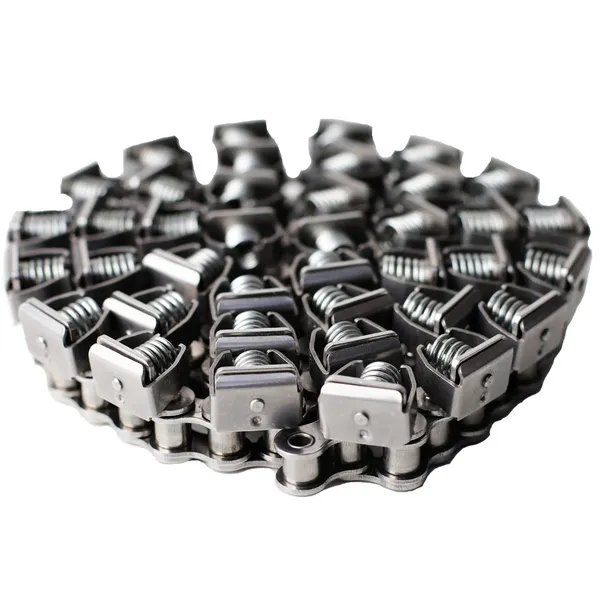
High Quality Motorcycle Conveyor Roller Chain Stainless Steel Professional China Factory Supply (ANSI, BS, DIN, JIS Standard)
Mô tả sản phẩm
1. Material: Stainless steel / Alloy steel / Made to order
2. Surface Treatment: Zinc-Plated / Nickel-Plated / Shot Peening / Blackening
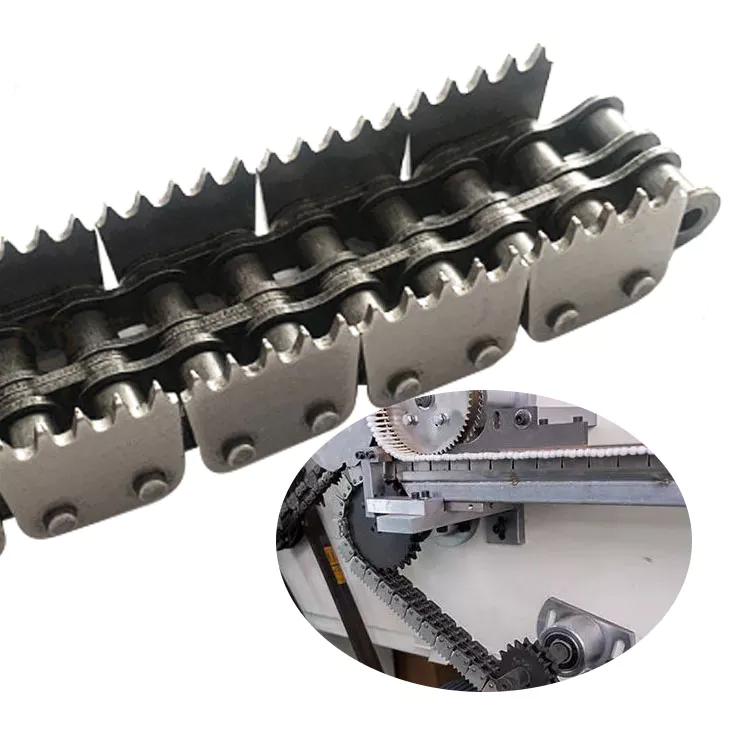
3. Chain Type: Roller chains, Drive chains,Conveyor Chains, Hollow Pin Chains,Welded chains, Steel Pin Chains, Palm oil chains,Sugar Mill Chains.ect.
4. Application: Chains is a very important industry parts, The many industry will be use chain. For examples Sugar mill ,Steel mill,Cement mill, Palm oil mill and more. thus the chain is industrial family main member.
5. “PLW” Company Purpose : Powering Your Business Worldswide. Driving the word and future.
| Tên sản phẩm | High Quality Motorcycle Conveyor Roller Chain Stainless Steel Professional China Factory Supply (ANSI, BS, DIN, JIS Standard) |
| Chain Type | 1. Driving Chain (roller chain, Heavy Duty Cranked-Link,Bushing Chains etc) |
| 2. Conveyor Chain( Double Pitch chains,,MT & MC Series etc) | |
| 3. Hollow Pin Chain | |
| 4. Palm Oil Chain | |
| 5. Sugar Mill Chain | |
| 6. Welded Steel Chain | |
| 7. Rubber Glove Chain | |
| Xử lý bề mặt | Shot peening, Blackening, Oxygenation, Polishing, Zinc-plated, Nickel-plated, Anodized, etc. |
| Characteristic | Fire Resistant, Oil Resistant, Heat Resistant |
| Design criterion | ISO DIN ANSI & Customer’s Drawing |
| Kích cỡ | Customer’s Drawing & ISO Standard |
| Bưu kiện | Wooden Case / Container and pallet, or made-to-order |
| Giấy chứng nhận | ISO9001: 2008 |
| Lợi thế | First quality, Best Service, Competitive price, Fast delivery |
| Delivery Time | 20 days for samples. 45 days for official order. |
View more products,please click here…
Hồ sơ công ty
| Vật liệu: | Steel or Stainless Steel etc |
|---|---|
| Kết cấu: | Chain |
| Xử lý bề mặt: | Shot Peening, Blackening, Oxygenation, Polishing, |
| Kích thước dây chuyền: | All of The Chain |
| Tính năng: | Fire Resistant, Heat Resistant |
| Transport Package: | Plastic Bag+Box+Plywood Case |
| Mẫu: | US$ 0/Mét 1 mét (Số lượng đặt hàng tối thiểu) | |
|---|
| Tùy chỉnh: | Có sẵn | Yêu cầu tùy chỉnh |
|---|
How do you calculate the maximum allowable tension in a conveyor chain?
The maximum allowable tension in a conveyor chain can be calculated using the following steps:
1. Determine the Chain Pitch:
– Measure the distance between the centers of two consecutive chain pins. This measurement is known as the chain pitch and is typically expressed in inches or millimeters.
2. Determine the Chain Speed:
– Determine the speed at which the conveyor chain will be operating. The chain speed is typically expressed in feet per minute or meters per second.
3. Calculate the Chain Pull:
– Determine the total weight or force that needs to be moved by the conveyor chain. This includes the weight of the conveyed material and any additional loads or forces acting on the chain.
4. Calculate the Required Tension:
– Use the following formula to calculate the required tension:
Tension = (Chain Pull × Chain Speed) / (Chain Pitch × Efficiency)
– The efficiency factor accounts for losses due to friction and other factors and is typically expressed as a decimal between 0 and 1.
5. Determine the Maximum Allowable Tension:
– The maximum allowable tension is determined by the manufacturer’s specifications for the conveyor chain. It is important to consult the manufacturer’s documentation or contact them directly to obtain the maximum allowable tension value.
6. Compare the Required Tension and Maximum Allowable Tension:
– Compare the calculated required tension with the maximum allowable tension. The required tension should be less than or equal to the maximum allowable tension to ensure safe and reliable operation of the conveyor chain.
By following these steps and considering the manufacturer’s specifications, you can accurately calculate the maximum allowable tension in a conveyor chain and ensure that it is within the safe operating limits.
Làm thế nào để lựa chọn loại dầu bôi trơn phù hợp cho xích băng tải?
Việc lựa chọn chất bôi trơn phù hợp là rất quan trọng để duy trì hiệu suất và tuổi thọ của xích băng tải. Dưới đây là những yếu tố chính cần xem xét khi lựa chọn chất bôi trơn:
1. Loại và vật liệu xích: Các loại xích băng tải khác nhau có thể có yêu cầu cụ thể về bôi trơn dựa trên vật liệu cấu tạo và thiết kế của chúng. Tham khảo khuyến nghị hoặc thông số kỹ thuật của nhà sản xuất để xác định khả năng tương thích của chất bôi trơn.
2. Điều kiện hoạt động: Cần xem xét môi trường hoạt động, chẳng hạn như nhiệt độ, độ ẩm và sự hiện diện của các chất gây ô nhiễm. Đối với các ứng dụng ở nhiệt độ cao, hãy chọn chất bôi trơn có khả năng chịu nhiệt cao hơn. Trong môi trường ẩm ướt hoặc nhiều bụi, hãy chọn chất bôi trơn có khả năng chống rửa trôi bằng nước tuyệt vời và cung cấp khả năng bảo vệ hiệu quả chống lại các chất gây ô nhiễm.
3. Tải trọng và tốc độ: Đánh giá khả năng chịu tải và tốc độ của xích băng tải. Tải trọng và tốc độ cao hơn có thể yêu cầu chất bôi trơn có độ bền màng và đặc tính chống mài mòn tốt hơn để giảm ma sát và ngăn ngừa mài mòn sớm.
4. Phương pháp bôi trơn: Xác định phương pháp bôi trơn sẽ được sử dụng cho xích băng tải. Chất bôi trơn có thể được bôi trơn thông qua hệ thống nhỏ giọt, chổi, vòi phun hoặc hệ thống bôi trơn tự động. Cần xem xét độ nhớt và độ đặc của chất bôi trơn để đảm bảo việc bôi trơn và phân phối đúng cách.
5. Yêu cầu về chất bôi trơn đạt tiêu chuẩn thực phẩm: Trong các ứng dụng chế biến thực phẩm hoặc dược phẩm, nơi có thể xảy ra tiếp xúc trực tiếp với sản phẩm, điều cần thiết là phải sử dụng chất bôi trơn đạt tiêu chuẩn thực phẩm, đáp ứng các quy định và yêu cầu của ngành về an toàn và vệ sinh.
6. Lịch trình bảo dưỡng: Hãy xem xét khoảng thời gian bảo dưỡng mong muốn và tuổi thọ của chất bôi trơn. Một số chất bôi trơn có thể cần được bôi lại thường xuyên hơn, trong khi những chất khác lại có tác dụng bôi trơn lâu dài hơn.
7. Khả năng tương thích với các vật liệu khác: Cần xem xét khả năng tương thích của chất bôi trơn với các vật liệu khác trong hệ thống băng tải, chẳng hạn như gioăng, vòng đệm và sơn. Đảm bảo rằng chất bôi trơn không gây ra bất kỳ tác động bất lợi nào đối với các bộ phận này.
Nên tham khảo ý kiến của nhà sản xuất dầu bôi trơn hoặc chuyên gia trong ngành để lựa chọn loại dầu bôi trơn phù hợp nhất cho ứng dụng xích băng tải cụ thể của bạn. Họ có thể cung cấp hướng dẫn dựa trên chuyên môn và kiến thức về công thức và đặc tính hiệu suất của dầu bôi trơn.

What are the cost considerations when purchasing a conveyor chain?
When purchasing a conveyor chain, there are several cost considerations that need to be taken into account to ensure an optimal investment and operational efficiency.
1. Initial Cost: The initial cost of the conveyor chain includes the cost of the chain itself, as well as any additional components such as sprockets, attachments, and connecting links. It is important to compare prices from different suppliers and evaluate the overall value for the money.
2. Maintenance and Repair Costs: Consider the long-term maintenance and repair costs associated with the conveyor chain. Some chains may require more frequent lubrication or replacement of components, which can add to the overall operating expenses.
3. Service Life: The service life of the conveyor chain is an essential factor in determining its cost-effectiveness. Chains with longer service life may have a higher initial cost but can result in lower replacement and downtime costs in the long run.
4. Energy Efficiency: Energy consumption is an ongoing cost to consider. Conveyor chains that offer lower friction and efficient power transmission can contribute to energy savings and reduce operating expenses.
5. Maintenance Ease: Consider the ease of maintenance when selecting a conveyor chain. Chains that are easier to clean, inspect, and maintain can reduce labor costs and increase operational efficiency.
6. Compatibility and Integration: Ensure that the selected conveyor chain is compatible with the existing conveyor system or equipment. Retrofitting or modifying the system to accommodate a specific chain may incur additional costs.
7. Supplier Support and Warranty: Evaluate the level of technical support provided by the supplier and the warranty coverage offered for the conveyor chain. This can impact the overall cost of ownership and provide peace of mind in case of any unforeseen issues.
It is important to consider these factors holistically and make a cost-benefit analysis based on the specific requirements of the application. Choosing a conveyor chain that aligns with the budget, performance needs, and long-term cost considerations will help optimize the investment and ensure efficient material handling operations.


editor by CX 2023-10-20