Opis produktu
High Quality Motorcycle Conveyor Roller Chain Stainless Steel Professional China Factory Supply (ANSI, BS, DIN, JIS Standard)
Opis produktu
1. Material: Stainless steel / Alloy steel / Made to order
2. Surface Treatment: Zinc-Plated / Nickel-Plated / Shot Peening / Blackening
3. Chain Type: Roller chains, Drive chains,Conveyor Chains, Hollow Pin Chains,Welded chains, Steel Pin Chains, Palm oil chains,Sugar Mill Chains.ect.
4. Application: Chains is a very important industry parts, The many industry will be use chain. For examples Sugar mill ,Steel mill,Cement mill, Palm oil mill and more. thus the chain is industrial family main member.
5. “PLW” Company Purpose : Powering Your Business Worldswide. Driving the word and future.
| Nazwa produktu | High Quality Motorcycle Conveyor Roller Chain Stainless Steel Professional China Factory Supply (ANSI, BS, DIN, JIS Standard) |
| Chain Type | 1. Driving Chain (roller chain, Heavy Duty Cranked-Link,Bushing Chains etc) |
| 2. Conveyor Chain( Double Pitch chains,,MT & MC Series etc) | |
| 3. Hollow Pin Chain | |
| 4. Palm Oil Chain | |
| 5. Sugar Mill Chain | |
| 6. Welded Steel Chain | |
| 7. Rubber Glove Chain | |
| Obróbka powierzchni | Shot peening, Blackening, Oxygenation, Polishing, Zinc-plated, Nickel-plated, Anodized, etc. |
| Characteristic | Fire Resistant, Oil Resistant, Heat Resistant |
| Design criterion | ISO DIN ANSI & Customer’s Drawing |
| Rozmiar | Customer’s Drawing & ISO Standard |
| Pakiet | Wooden Case / Container and pallet, or made-to-order |
| Certyfikat | ISO9001: 2008 |
| Korzyść | First quality, Best Service, Competitive price, Fast delivery |
| Delivery Time | 20 days for samples. 45 days for official order. |
View more products,please click here…
Company Profile
| Tworzywo: | Steel or Stainless Steel etc |
|---|---|
| Struktura: | Chain |
| Obróbka powierzchni: | Shot Peening, Blackening, Oxygenation, Polishing, |
| Rozmiar łańcucha: | All of The Chain |
| Funkcja: | Fire Resistant, Heat Resistant |
| Pakiet transportowy: | Plastic Bag+Box+Plywood Case |
| Próbki: | US$ 0/Meter 1 metr (minimalne zamówienie) | |
|---|
| Personalizacja: | Dostępny | Spersonalizowane żądanie |
|---|
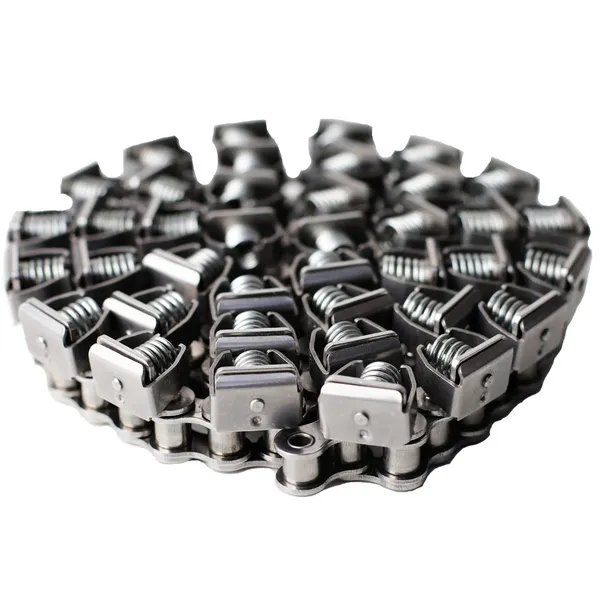
How do you calculate the maximum allowable tension in a conveyor chain?
The maximum allowable tension in a conveyor chain can be calculated using the following steps:
1. Determine the Chain Pitch:
– Measure the distance between the centers of two consecutive chain pins. This measurement is known as the chain pitch and is typically expressed in inches or millimeters.
2. Determine the Chain Speed:
– Determine the speed at which the conveyor chain will be operating. The chain speed is typically expressed in feet per minute or meters per second.
3. Calculate the Chain Pull:
– Determine the total weight or force that needs to be moved by the conveyor chain. This includes the weight of the conveyed material and any additional loads or forces acting on the chain.
4. Calculate the Required Tension:
– Use the following formula to calculate the required tension:
Tension = (Chain Pull × Chain Speed) / (Chain Pitch × Efficiency)
– The efficiency factor accounts for losses due to friction and other factors and is typically expressed as a decimal between 0 and 1.
5. Determine the Maximum Allowable Tension:
– The maximum allowable tension is determined by the manufacturer’s specifications for the conveyor chain. It is important to consult the manufacturer’s documentation or contact them directly to obtain the maximum allowable tension value.
6. Compare the Required Tension and Maximum Allowable Tension:
– Compare the calculated required tension with the maximum allowable tension. The required tension should be less than or equal to the maximum allowable tension to ensure safe and reliable operation of the conveyor chain.
By following these steps and considering the manufacturer’s specifications, you can accurately calculate the maximum allowable tension in a conveyor chain and ensure that it is within the safe operating limits.
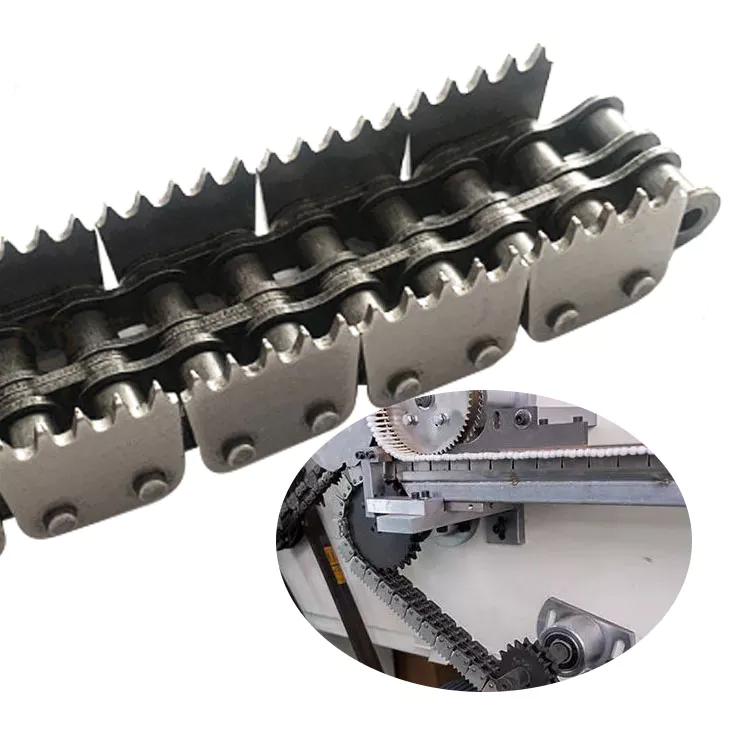
Jak wybrać odpowiedni środek smarny do łańcucha przenośnika?
Wybór odpowiedniego środka smarnego ma kluczowe znaczenie dla utrzymania wydajności i trwałości łańcucha przenośnika. Oto kluczowe czynniki, które należy wziąć pod uwagę przy wyborze środka smarnego:
1. Rodzaj i materiał łańcucha: Różne łańcuchy przenośnikowe mogą mieć specyficzne wymagania dotyczące smarowania, w zależności od materiałów konstrukcyjnych i konstrukcji. Aby określić kompatybilność środka smarnego, należy zapoznać się z zaleceniami lub specyfikacjami producenta.
2. Warunki pracy: Należy wziąć pod uwagę warunki pracy, takie jak temperatura, wilgotność i obecność zanieczyszczeń. Do zastosowań w wysokich temperaturach należy wybrać środek smarny o wyższej tolerancji temperaturowej. W środowiskach wilgotnych lub zakurzonych należy wybierać środki smarne o doskonałej odporności na wypłukiwanie wodą i zapewniające skuteczną ochronę przed zanieczyszczeniami.
3. Obciążenie i prędkość: Oceń nośność i prędkość łańcucha przenośnika. Wyższe obciążenia i prędkości mogą wymagać środków smarnych o lepszej wytrzymałości filmu smarowego i właściwościach przeciwzużyciowych, aby zmniejszyć tarcie i zapobiec przedwczesnemu zużyciu.
4. Metoda smarowania: Określ metodę smarowania łańcucha przenośnika. Smar można nanosić za pomocą systemów kroplowych, szczotek, dysz natryskowych lub automatycznych systemów smarowania. Należy wziąć pod uwagę lepkość i konsystencję smaru, aby zapewnić jego prawidłowe nakładanie i rozprowadzanie.
5. Wymagania dopuszczenia do kontaktu z żywnością: W zastosowaniach związanych z przetwórstwem żywności lub farmaceutyką, gdzie może dojść do bezpośredniego kontaktu z produktem, kluczowe jest stosowanie środków smarnych dopuszczonych do kontaktu z żywnością, które spełniają przepisy branżowe oraz wymagania dotyczące bezpieczeństwa i higieny.
6. Harmonogram konserwacji: Należy wziąć pod uwagę pożądane odstępy między przeglądami i trwałość środka smarnego. Niektóre środki smarne mogą wymagać częstszego stosowania, podczas gdy inne zapewniają dłuższe działanie smaru.
7. Zgodność z innymi materiałami: Należy wziąć pod uwagę kompatybilność środka smarnego z innymi materiałami w systemie przenośnika, takimi jak uszczelnienia, podkładki i farby. Należy upewnić się, że środek smarny nie będzie miał negatywnego wpływu na te elementy.
Zaleca się konsultację z producentami środków smarnych lub ekspertami branżowymi w celu doboru najodpowiedniejszego środka smarnego do konkretnego zastosowania łańcucha przenośnika. Mogą oni udzielić wskazówek w oparciu o swoją wiedzę specjalistyczną i znajomość składu środków smarnych oraz ich właściwości użytkowych.

What are the cost considerations when purchasing a conveyor chain?
When purchasing a conveyor chain, there are several cost considerations that need to be taken into account to ensure an optimal investment and operational efficiency.
1. Initial Cost: The initial cost of the conveyor chain includes the cost of the chain itself, as well as any additional components such as sprockets, attachments, and connecting links. It is important to compare prices from different suppliers and evaluate the overall value for the money.
2. Maintenance and Repair Costs: Consider the long-term maintenance and repair costs associated with the conveyor chain. Some chains may require more frequent lubrication or replacement of components, which can add to the overall operating expenses.
3. Service Life: The service life of the conveyor chain is an essential factor in determining its cost-effectiveness. Chains with longer service life may have a higher initial cost but can result in lower replacement and downtime costs in the long run.
4. Energy Efficiency: Energy consumption is an ongoing cost to consider. Conveyor chains that offer lower friction and efficient power transmission can contribute to energy savings and reduce operating expenses.
5. Maintenance Ease: Consider the ease of maintenance when selecting a conveyor chain. Chains that are easier to clean, inspect, and maintain can reduce labor costs and increase operational efficiency.
6. Compatibility and Integration: Ensure that the selected conveyor chain is compatible with the existing conveyor system or equipment. Retrofitting or modifying the system to accommodate a specific chain may incur additional costs.
7. Supplier Support and Warranty: Evaluate the level of technical support provided by the supplier and the warranty coverage offered for the conveyor chain. This can impact the overall cost of ownership and provide peace of mind in case of any unforeseen issues.
It is important to consider these factors holistically and make a cost-benefit analysis based on the specific requirements of the application. Choosing a conveyor chain that aligns with the budget, performance needs, and long-term cost considerations will help optimize the investment and ensure efficient material handling operations.


editor by CX 2023-10-20