Produktbeskrivelse
Detailed Photos
Produktbeskrivelse
Firmaprofil
ZheJiang Miaoou Trading Co., LTD mainly produces and sells bicycle tires and accessories, motorcycle tires, electric car tires, child carriage tires and so on. We always take “create greater benefits for customers” as the purpose, and constantly improve the quality of products. With the continuous development of the enterprise and the increasing expansion of productivity, we hope to cooperate sincerely with friends at home and abroad based on the principle of “good faith and common development
Certificeringer
Emballage og forsendelse
Order process
Ofte stillede spørgsmål
Q1. Can I have a sample order for your product?
A: Sample order is welcome here. Mixed samples are acceptable. We can supply the sample if we have ready parts in stock, but the customers have to pay the sample cost and the courier cost.
Q2. Is it OK to print my logo on the product?
A: Yes. Please inform us formally before our production and confirm the design firstly based on our sample.
Q3. Do you have any MOQ limit for the order?
A: Generally, we do not limit MOQ; if you need customized products or mass-produced products, we need to talk in detail.
Q4. How long would it be shipped?
A: Most of our products are in stock;sample or small amount orders :1-3 days , mass production :20-60 days, depending on actual order quantity.
Q5. How do you ship the goods?
A: We usually ship by express way like DHL, UPS, FedEx or TNT. Airline and sea shipping are also optional.
Q6. How long does it take to arrive?
A: Generally, It usually takes 3-7 days to arrive. Except for customized products and order.
Q7: Where is your company located? How can I visit there?
A: Our factory is located in HangZhou Cty, China. You can visit at any time.
/* 22. januar 2571 19:08:37 */!function(){function s(e,r){var a,o={};try{e&&e.split(“,”).forEach(function(e,t){e&&(a=e.match(/(.*?):(.*)$/))
| Standard eller ikke-standard: | Standard |
|---|---|
| Anvendelse: | Textile Machinery, Garment Machinery, Conveyer Equipment, Packaging Machinery, Electric Cars, Motorcycle, Food Machinery, Marine, Mining Equipment, Agricultural Machinery, Car |
| Overfladebehandling: | Polering |
| Prøver: | US$ 1/Stk. 1 stk. (min. ordre) | Bestil prøve Transmissionskæde |
|---|
| Tilpasning: | Tilgængelig | Tilpasset anmodning |
|---|
.shipping-cost-tm .tm-status-off{baggrund: ingen;marvning: 0;farve: #1470cc}
| Forsendelsesomkostninger: Estimeret fragt pr. enhed. | om forsendelsesomkostninger og forventet leveringstid. |
|---|
| Betalingsmetode: |
|
|---|---|
| Første betaling Fuld betaling |
| Valuta: | US$ |
|---|
| Returnering og refusion: | Du kan ansøge om refusion i op til 30 dage efter modtagelse af produkterne. |
|---|
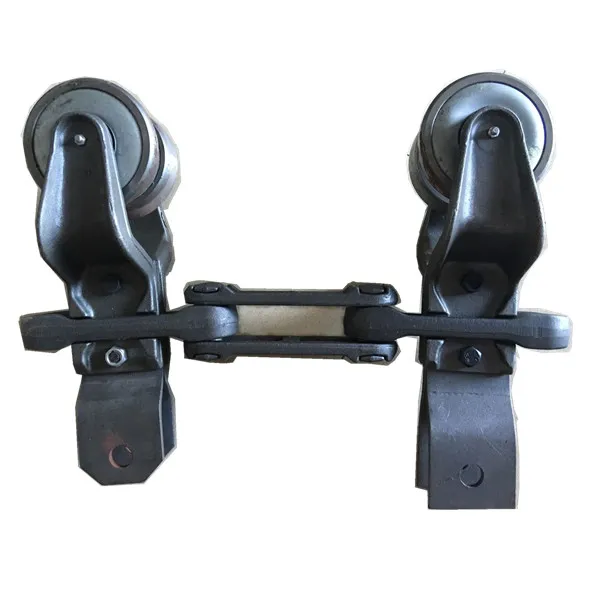
Hvordan beregner man den nødvendige hestekraft til et transportbåndskædedrev?
Beregningen af den nødvendige hestekraft til et transportbåndskædedrev involverer hensyntagen til forskellige faktorer relateret til transportbåndssystemet og den specifikke anvendelse. Her er en trin-for-trin proces:
1. Bestem den samlede modstand:
– Beregn den samlede modstand, som transportkæden skal overvinde under drift. Dette inkluderer modstanden på grund af den transporterede last, friktionstab, højdeændringer og enhver anden modstand i systemet.
2. Omregn modstanden til ækvivalent inerti:
– Omregn den samlede modstand til en ækvivalent inerti ved at gange den med kvadratet af kædehastigheden.
3. Beregn den samlede inerti:
– Bestem systemets samlede inerti ved at tage højde for inertien af alle roterende komponenter, såsom transportkæden, tandhjulene og eventuelle andre drevne elementer.
4. Bestem det nødvendige moment:
– Beregn det nødvendige drejningsmoment ved at gange den samlede inerti med den ønskede accelerations- eller decelerationshastighed.
5. Konverter drejningsmoment til hestekræfter:
– Omregn det nødvendige drejningsmoment til hestekræfter ved at dividere det med motorhastigheden (i omdr./min.) og gange det med en omregningsfaktor.
6. Overvej sikkerhedsfaktorer og effektivitet:
– Anvend sikkerhedsfaktorer på den beregnede hestekraft for at tage højde for variationer, uforudsete udgifter og fremtidig vækst.
– Overvej drivsystemets effektivitet, herunder motor, gearkasse og andre transmissionskomponenter, for at sikre nøjagtig kraftoverførsel.
Det er vigtigt at bemærke, at ovenstående beregningsmetode giver et estimat af den nødvendige hestekraft. Det anbefales at konsultere producenter af transportbåndssystemer, ingeniører eller branchespecifikke retningslinjer for præcise beregninger og for at sikre, at det valgte transportbåndskædedrev opfylder applikationskravene.
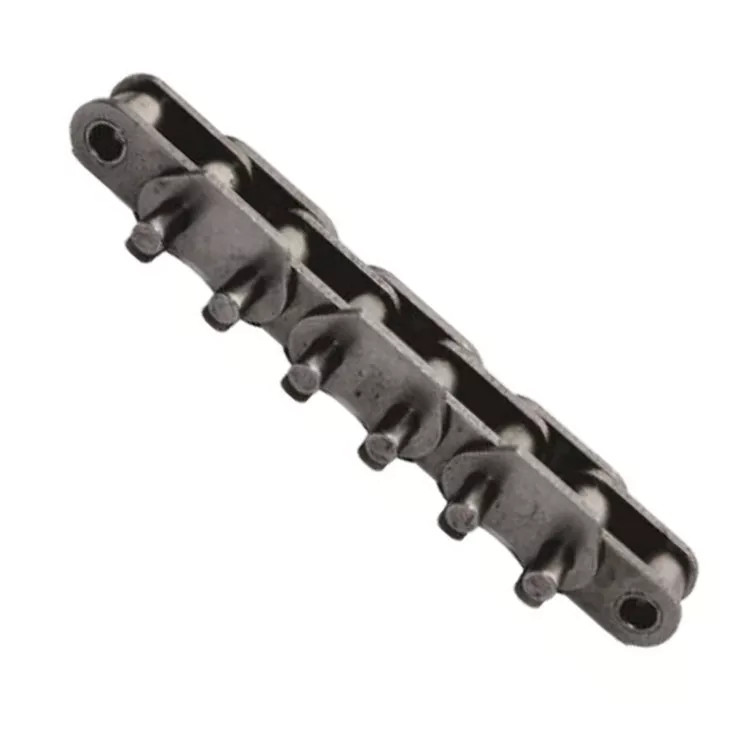
How do you prevent corrosion in conveyor chains?
Preventing corrosion in conveyor chains is essential for maintaining their performance and prolonging their lifespan. Here are some effective measures to prevent corrosion:
1. Material Selection: Choose conveyor chains made from corrosion-resistant materials such as stainless steel, plastic, or coatings specifically designed to resist corrosion. These materials offer better protection against rust and corrosion compared to standard steel chains.
2. Proper Lubrication: Apply a suitable lubricant to the conveyor chain regularly. Lubrication creates a protective barrier that helps prevent moisture and contaminants from reaching the metal surface, reducing the risk of corrosion. Select a lubricant that provides corrosion protection properties and is compatible with the chain material.
3. Environmental Controls: Control the operating environment to minimize exposure to corrosive elements. Implement measures such as humidity control, proper ventilation, and protection from direct contact with water or chemicals. Consider using covers or enclosures to shield the conveyor chain from environmental factors that can accelerate corrosion.
4. Surface Treatments: Apply corrosion-resistant coatings or treatments to the conveyor chain. These coatings can provide an additional protective layer that acts as a barrier against moisture and corrosive substances. Examples of surface treatments include zinc plating, galvanizing, or epoxy coatings.
5. Regular Inspections and Cleaning: Regularly inspect the conveyor chain for signs of corrosion or damage. Remove any accumulated dirt, debris, or corrosive substances promptly. Cleaning the chain helps prevent the buildup of contaminants that can accelerate corrosion.
6. Preventive Maintenance: Implement a preventive maintenance program that includes regular cleaning, lubrication, and inspection of the conveyor chain. This proactive approach helps identify and address any potential corrosion issues early on, preventing further damage.
7. Proper Storage: When not in use, store the conveyor chains in a dry and controlled environment. Protect them from exposure to moisture, humidity, and corrosive substances. Use appropriate storage methods, such as hanging the chains or storing them in sealed containers.
By following these preventive measures, you can significantly reduce the risk of corrosion in conveyor chains, ensuring their optimal performance and longevity.

What are the different types of conveyor chains?
There are several types of conveyor chains available, each designed to meet specific application requirements. Here are some common types of conveyor chains:
- Roller chains: Roller chains are the most commonly used type of conveyor chain. They consist of a series of cylindrical rollers connected by side plates. Roller chains provide smooth and efficient movement and are suitable for medium to heavy-duty applications.
- Double pitch chains: Double pitch chains have larger pitch (distance between the centers of adjacent pins) compared to standard roller chains. They are often used in applications that require slower speeds and lighter loads.
- Hollow pin chains: Hollow pin chains have hollow pins that allow for easy attachment of various accessories or attachments. They are commonly used in conveying applications that require customization or where attachments need to be mounted.
- Apron or slat chains: Apron or slat chains consist of plates or slats that are connected by hinges. They are used in heavy-duty applications where the chain needs to support and carry large loads or withstand harsh environments.
- Plastic chains: Plastic chains are made of durable and lightweight materials such as acetal or polyethylene. They offer benefits such as corrosion resistance, low noise levels, and the ability to work in wet or washdown environments. Plastic chains are commonly used in food processing, packaging, and pharmaceutical industries.
These are just a few examples of conveyor chain types, and there are many other variations available depending on specific application requirements. The selection of the appropriate conveyor chain type depends on factors such as load capacity, speed, environment, and desired functionality.


editor by CX 2024-04-12