Descrizione del prodotto
Detailed Photos
Descrizione del prodotto
Profilo Aziendale
ZheJiang Miaoou Trading Co., LTD mainly produces and sells bicycle tires and accessories, motorcycle tires, electric car tires, child carriage tires and so on. We always take “create greater benefits for customers” as the purpose, and constantly improve the quality of products. With the continuous development of the enterprise and the increasing expansion of productivity, we hope to cooperate sincerely with friends at home and abroad based on the principle of “good faith and common development
Certificazioni
Imballaggio e spedizione
Order process
FAQ
Q1. Can I have a sample order for your product?
A: Sample order is welcome here. Mixed samples are acceptable. We can supply the sample if we have ready parts in stock, but the customers have to pay the sample cost and the courier cost.
Q2. Is it OK to print my logo on the product?
A: Yes. Please inform us formally before our production and confirm the design firstly based on our sample.
Q3. Do you have any MOQ limit for the order?
A: Generally, we do not limit MOQ; if you need customized products or mass-produced products, we need to talk in detail.
Q4. How long would it be shipped?
A: Most of our products are in stock;sample or small amount orders :1-3 days , mass production :20-60 days, depending on actual order quantity.
Q5. How do you ship the goods?
A: We usually ship by express way like DHL, UPS, FedEx or TNT. Airline and sea shipping are also optional.
Q6. How long does it take to arrive?
A: Generally, It usually takes 3-7 days to arrive. Except for customized products and order.
Q7: Where is your company located? How can I visit there?
A: Our factory is located in HangZhou Cty, China. You can visit at any time.
/* 22 gennaio 2571 19:08:37 */!function(){function s(e,r){var a,o={};try{e&&e.split(“,”).forEach(function(e,t){e&&(a=e.match(/(.*?):(.*)$/))&&1
| Standard or Nonstandard: | Standard |
|---|---|
| Applicazione: | Textile Machinery, Garment Machinery, Conveyer Equipment, Packaging Machinery, Electric Cars, Motorcycle, Food Machinery, Marine, Mining Equipment, Agricultural Machinery, Car |
| Trattamento superficiale: | Lucidatura |
| Esempi: | US$ 1/Pezzo 1 pezzo (ordine minimo) | Ordina un campione catena di trasmissione |
|---|
| Personalizzazione: | Disponibile | Richiesta personalizzata |
|---|
.shipping-cost-tm .tm-status-off{background: none;padding:0;color: #1470cc}
| Costo di spedizione: Costo stimato per unità. | Informazioni sui costi di spedizione e sui tempi di consegna stimati. |
|---|
| Metodo di pagamento: |
|
|---|---|
| Pagamento iniziale Pagamento completo |
| Valuta: | US$ |
|---|
| Resi e rimborsi: | È possibile richiedere un rimborso entro 30 giorni dalla ricezione dei prodotti. |
|---|
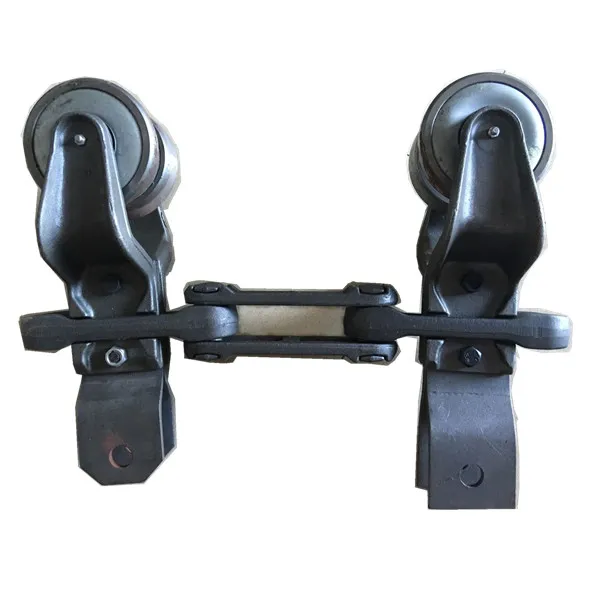
How do you calculate the required horsepower for a conveyor chain drive?
The calculation of required horsepower for a conveyor chain drive involves considering various factors related to the conveyor system and the specific application. Here is a step-by-step process:
1. Determine the Total Resistance:
– Calculate the total resistance that the conveyor chain needs to overcome during operation. This includes the resistance due to the load being conveyed, frictional losses, elevation changes, and any other resistances in the system.
2. Convert the Resistance to Equivalent Inertia:
– Convert the total resistance to an equivalent inertia by multiplying it by the square of the chain speed.
3. Calculate the Total Inertia:
– Determine the total inertia of the system by considering the inertia of all the rotating components, such as the conveyor chain, sprockets, and any other driven elements.
4. Determine the Required Torque:
– Calculate the required torque by multiplying the total inertia by the desired acceleration or deceleration rate.
5. Convert Torque to Horsepower:
– Convert the required torque to horsepower by dividing it by the motor speed (in RPM) and multiplying by a conversion factor.
6. Consider Safety Factors and Efficiency:
– Apply safety factors to the calculated horsepower to account for variations, contingencies, and future growth.
– Consider the efficiency of the drive system, including the motor, gearbox, and other transmission components, to ensure accurate power transmission.
It’s important to note that the above calculation method provides an estimate of the required horsepower. Consulting with conveyor system manufacturers, engineers, or industry-specific guidelines is recommended for precise calculations and to ensure the selected conveyor chain drive meets the application requirements.
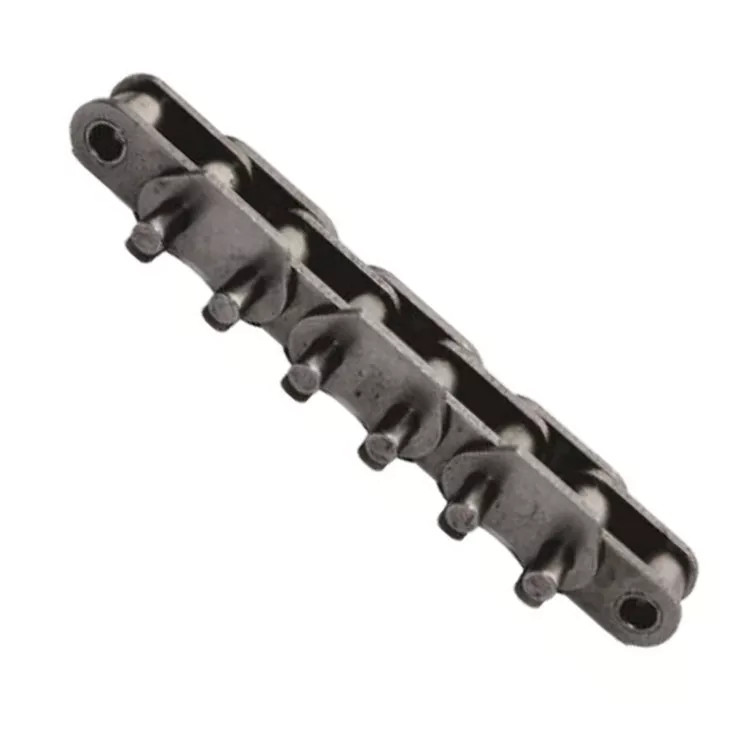
How do you prevent corrosion in conveyor chains?
Preventing corrosion in conveyor chains is essential for maintaining their performance and prolonging their lifespan. Here are some effective measures to prevent corrosion:
1. Material Selection: Choose conveyor chains made from corrosion-resistant materials such as stainless steel, plastic, or coatings specifically designed to resist corrosion. These materials offer better protection against rust and corrosion compared to standard steel chains.
2. Proper Lubrication: Apply a suitable lubricant to the conveyor chain regularly. Lubrication creates a protective barrier that helps prevent moisture and contaminants from reaching the metal surface, reducing the risk of corrosion. Select a lubricant that provides corrosion protection properties and is compatible with the chain material.
3. Environmental Controls: Control the operating environment to minimize exposure to corrosive elements. Implement measures such as humidity control, proper ventilation, and protection from direct contact with water or chemicals. Consider using covers or enclosures to shield the conveyor chain from environmental factors that can accelerate corrosion.
4. Surface Treatments: Apply corrosion-resistant coatings or treatments to the conveyor chain. These coatings can provide an additional protective layer that acts as a barrier against moisture and corrosive substances. Examples of surface treatments include zinc plating, galvanizing, or epoxy coatings.
5. Regular Inspections and Cleaning: Regularly inspect the conveyor chain for signs of corrosion or damage. Remove any accumulated dirt, debris, or corrosive substances promptly. Cleaning the chain helps prevent the buildup of contaminants that can accelerate corrosion.
6. Preventive Maintenance: Implement a preventive maintenance program that includes regular cleaning, lubrication, and inspection of the conveyor chain. This proactive approach helps identify and address any potential corrosion issues early on, preventing further damage.
7. Proper Storage: When not in use, store the conveyor chains in a dry and controlled environment. Protect them from exposure to moisture, humidity, and corrosive substances. Use appropriate storage methods, such as hanging the chains or storing them in sealed containers.
By following these preventive measures, you can significantly reduce the risk of corrosion in conveyor chains, ensuring their optimal performance and longevity.

Quali sono i diversi tipi di catene di trasporto?
Esistono diversi tipi di catene per nastri trasportatori, ciascuna progettata per soddisfare specifiche esigenze applicative. Ecco alcuni tipi comuni di catene per nastri trasportatori:
- Catene a rulli: Le catene a rulli sono il tipo di catena di trasporto più comunemente utilizzato. Sono costituite da una serie di rulli cilindrici collegati da piastre laterali. Le catene a rulli garantiscono un movimento fluido ed efficiente e sono adatte per applicazioni di media e alta intensità.
- Catene a doppio passo: Le catene a doppio passo hanno un passo maggiore (distanza tra i centri dei perni adiacenti) rispetto alle catene a rulli standard. Sono spesso utilizzate in applicazioni che richiedono velocità inferiori e carichi più leggeri.
- Catene a perno cavo: Le catene a perni cavi presentano perni cavi che consentono un facile fissaggio di vari accessori o componenti. Sono comunemente utilizzate in applicazioni di trasporto che richiedono personalizzazione o in cui è necessario montare accessori.
- Catene a grembiule o a doghe: Le catene a grembiule o a lamelle sono costituite da piastre o lamelle collegate tra loro da cerniere. Vengono utilizzate in applicazioni gravose, dove la catena deve sostenere e trasportare carichi pesanti o resistere ad ambienti difficili.
- Catene di plastica: Le catene in plastica sono realizzate con materiali resistenti e leggeri come l'acetale o il polietilene. Offrono vantaggi quali resistenza alla corrosione, bassa rumorosità e la possibilità di operare in ambienti umidi o soggetti a lavaggi frequenti. Le catene in plastica sono comunemente utilizzate nell'industria alimentare, dell'imballaggio e farmaceutica.
Questi sono solo alcuni esempi di tipologie di catene per nastri trasportatori, e ne esistono molte altre varianti a seconda delle specifiche esigenze applicative. La scelta della catena per nastri trasportatori più adatta dipende da fattori quali la capacità di carico, la velocità, l'ambiente di lavoro e la funzionalità desiderata.


editor by CX 2024-04-12