Produktbeschreibung
Forged Scraper conveyor chain
P152F51/45/45A/45C/47/45D/45E/45F, P2000F29/29A, P101.6F20, RO6205MF3, MR56, MR80, MR224, MR315, FVR40/63/90/112
Geschmiedete Ketten, Laufwagen und Träger, die in der Hängeförderanlagenproduktion eingesetzt werden.
Zu den Hauptprodukten gehören Schmiedeketten und Laufwagen, geschweißte Gliederketten, Standard- und Sonderrollenketten aus Edelstahl und Kohlenstoffstahl, Blattketten, Standard- und Sonderförderketten, Kratzketten, Kurbelgliederketten, Doppelplusketten, Doppelteilungs-Antriebsketten, Kunststoffketten, Kettenräder und weiteres Zubehör.
Zu den Hauptprodukten gehören Schmiedeketten und Laufwagen, geschweißte Gliederketten, Standard- und Sonderrollenketten aus Edelstahl und Kohlenstoffstahl, Blattketten, Standard- und Sonderförderketten, Kratzketten, Kurbelgliederketten, Doppelplusketten, Doppelteilungs-Antriebsketten, Kunststoffketten, Kettenräder und weiteres Zubehör.
Die Produkte lassen sich kombinieren, um auch für anspruchsvollste Anwendungen die optimale Lösung zu finden. Darüber hinaus können individuelle Lösungen für die spezifischen Anforderungen der Kunden entwickelt werden.
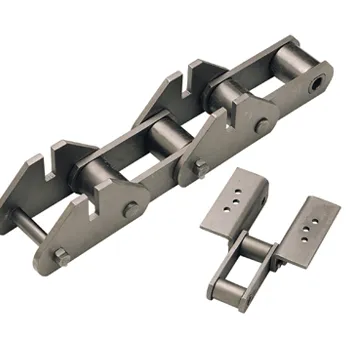
Gesenkgeschmiedete, nietenlose Kette, gesenkgeschmiedete Ketten, gesenkgeschmiedete Gliederketten, geschmiedete Schaberketten.
1. Abstreiferketten P142, P142V, P142H, P200, P102, P250, P260
2. Abnehmbare Kette 51, 52, 55, 57, 62, 74, 78
3. Relevante Oberleitungswagen, -wagen und Ersatzteile
4. gemäß Ihren Zeichnungen oder Mustern
| Gesenkgeschmiedete, abnehmbare Ketten | X348, X458, X678, X698, F100, F160, P80, P100, P200 |
| CatterPilar-Ketten für | X348, X458, X678, X698 |
| Material: | Legierung |
|---|---|
| Struktur: | Kombinierte Kette |
| Oberflächenbehandlung: | Polieren |
| Kettengröße: | 1/2" * 3/32" |
| Besonderheit: | Hitzebeständig |
| Verfahren: | Schmieden |
| Proben: | US$ 1 Stück 1 Stück (Mindestbestellmenge) | |
|---|
| Anpassung: | Verfügbar | Kundenspezifische Anfrage |
|---|
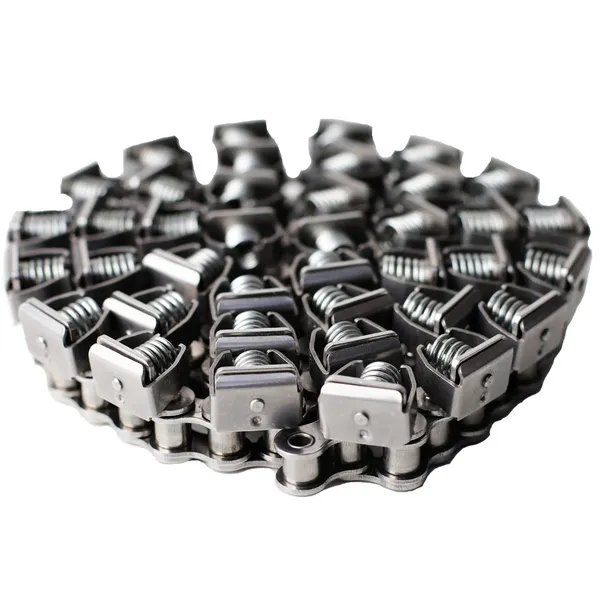
How do you calculate the chain pull force in a conveyor chain system?
The chain pull force, also known as the chain tension, is an important parameter to determine in a conveyor chain system. It represents the force required to move the conveyed load along the conveyor. The calculation of chain pull force involves several factors:
1. Weight of the Load: Determine the weight of the load being conveyed. This includes the weight of the product, packaging materials, and any additional equipment or components carried by the conveyor.
2. Friction Coefficients: Identify the friction coefficients between the load and the conveyor components. This includes the friction between the product and the conveyor chain, as well as the friction between the product and the conveyor bed or guides. These coefficients are typically provided by the manufacturer or can be obtained through testing.
3. Incline or Decline Angle: Consider the angle at which the conveyor operates. If the conveyor has an incline or decline, the angle will affect the force required to move the load.
4. Acceleration and Deceleration: Account for any acceleration or deceleration requirements in the conveyor system. If the conveyor needs to start or stop abruptly or if there are changes in speed, these factors will impact the chain pull force.
Once these factors are determined, the chain pull force can be calculated using the following formula:
Chain Pull Force = (Weight of Load + Friction Force) × (1 + Incline or Decline Factor) × (1 + Acceleration or Deceleration Factor)
It’s important to note that the accuracy of the calculation depends on the accuracy of the input values. Therefore, it’s recommended to consult the conveyor manufacturer or an engineering professional to ensure precise calculations and proper sizing of the conveyor chain.
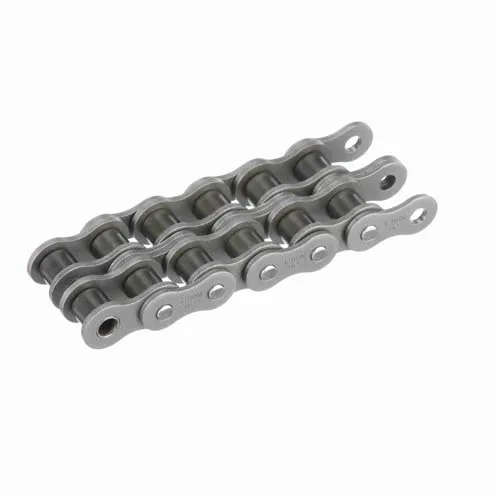
What are the benefits of using stainless steel conveyor chains?
Stainless steel conveyor chains offer several advantages over other types of chains. Here are some of the key benefits:
1. Corrosion Resistance: Stainless steel is highly resistant to corrosion, making it suitable for applications in harsh environments or industries where frequent washdowns or exposure to moisture is required. It does not rust or corrode like other metals, ensuring a longer lifespan and reliable performance.
2. Strength and Durability: Stainless steel chains are known for their high strength and durability. They can withstand heavy loads, high temperatures, and abrasive materials without deformation or breakage. This makes them ideal for heavy-duty applications where reliability and longevity are crucial.
3. Hygienic and Sanitary: Stainless steel is a non-porous material that is easy to clean and maintain. It is resistant to bacteria, mold, and other contaminants, making it suitable for industries with strict hygiene requirements such as food processing, pharmaceuticals, and medical devices. Stainless steel chains can be thoroughly cleaned and sanitized, reducing the risk of product contamination.
4. Temperature Resistance: Stainless steel chains can withstand a wide range of temperatures, both high and low. They exhibit excellent heat resistance, allowing them to maintain their strength and performance even in extreme temperature conditions.
5. Aesthetic Appeal: Stainless steel chains have a sleek and polished appearance, adding a professional and aesthetic touch to the conveyor system. They are commonly used in industries where visual appeal and brand representation are important, such as retail or luxury goods.
6. Chemical Resistance: Stainless steel is resistant to various chemicals, including acids, alkalis, and solvents. This makes it suitable for applications where contact with corrosive substances is likely.
7. Compatibility with High-Speed Applications: Stainless steel chains can withstand high-speed operations without compromising their structural integrity or performance. They maintain their stability and accuracy even at elevated speeds.
Overall, stainless steel conveyor chains offer corrosion resistance, strength, durability, hygienic properties, temperature resistance, aesthetic appeal, chemical resistance, and compatibility with high-speed applications. These benefits make them a preferred choice in industries such as food and beverage, pharmaceuticals, automotive, and manufacturing, where reliability, cleanliness, and performance are essential.
Welche Wartungsanforderungen gelten für eine Förderkette?
Die Instandhaltung einer Förderkette ist unerlässlich für ihren reibungslosen Betrieb und ihre lange Lebensdauer. Hier sind einige wichtige Wartungsanforderungen für eine Förderkette:
- Regelmäßige Reinigung: Reinigen Sie die Förderkette regelmäßig, um Schmutz, Ablagerungen und Verunreinigungen zu entfernen, die zu Kettenverschleiß und Leistungseinbußen führen können. Verwenden Sie geeignete Reinigungsmittel und Werkzeuge, um Beschädigungen der Kette zu vermeiden.
- Schmierung: Schmieren Sie die Förderkette gemäß den Herstellerangaben mit dem empfohlenen Schmiermittel. Die Schmierung trägt dazu bei, Reibung zu verringern, Verschleiß zu minimieren und Korrosion vorzubeugen.
- Spannungseinstellung: Überprüfen Sie regelmäßig die Spannung der Förderkette und passen Sie diese gegebenenfalls an. Die richtige Spannung gewährleistet einen reibungslosen Betrieb und verhindert Probleme wie Kettenrutschen oder übermäßigen Verschleiß.
- Inspektion: Führen Sie regelmäßige Inspektionen der Förderkette durch, um Anzeichen von Verschleiß, Beschädigungen oder Fehlausrichtung zu erkennen. Achten Sie auf Probleme wie verschlissene Kettenräder, Längung, verbogene oder beschädigte Kettenglieder und lose Verbindungen. Beheben Sie alle Probleme umgehend, um Folgeschäden zu vermeiden.
- Verschleißteile ersetzen: Sind einzelne Komponenten der Förderkette, wie Kettenglieder, Bolzen oder Kettenräder, übermäßig verschlissen oder beschädigt, müssen sie ausgetauscht werden. Die Verwendung verschlissener Komponenten kann die Leistungsfähigkeit der Kette beeinträchtigen und zum Ausfall führen.
- Ausrichtung: Stellen Sie die korrekte Ausrichtung der Förderkette sicher, indem Sie die Ausrichtung von Kettenrädern, Tragrollen und anderen Komponenten überprüfen. Eine falsche Ausrichtung kann zu ungleichmäßigem Verschleiß führen und das Risiko eines Kettenbruchs erhöhen.
- Ausbildung und Weiterbildung: Sorgen Sie für eine angemessene Schulung des Personals, das für den Betrieb und die Instandhaltung der Förderkette verantwortlich ist. Es muss die Wartungsanforderungen, Sicherheitsvorschriften und bewährten Verfahren kennen, um einen effektiven und sicheren Betrieb zu gewährleisten.
Die Einhaltung dieser Wartungsvorschriften trägt dazu bei, die Förderkette in optimalem Zustand zu halten, Ausfallzeiten zu minimieren und eine sichere und effiziente Materialhandhabung zu gewährleisten.


editor by CX 2023-10-26