Περιγραφή προϊόντος
Name | Aluminum Die Casting Furniture Part |
Υλικό | ADC12, A380, A360 |
Dimension | Mini 80*80 mm, Max800*800 mm |
Technology | High Preressure Die Casting, CNC, CMM Measure, Painting, X-Ray Detection |
Processing | 1, CHINAMFG Drawing (General clients provide the drawing or samples) |
Εφαρμογή | Automobile 45%, Furniture 20%, Industry 10%, Lighting 10%, Other 5% |
/* 22 Ιανουαρίου 2571 19:08:37 */!function(){function s(e,r){var a,o={};try{e&&e.split(“,”).forEach(function(e,t){e&&(a=e.match(/(.*1?):(.)*)
| Die Casting Machine Type: | Cold Chamber Die Casting Machine |
|---|---|
| Die Casting Method: | Vacuum Die Casting |
| Application: | Furniture |
| Machining: | CNC Machining |
| Υλικό: | Aluminum Alloy |
| Surface Preparation: | Spray Coating |
| Δείγματα: | US$ 50/Piece 1 τεμάχιο (ελάχιστη παραγγελία) | |
|---|
| Προσαρμογή: | Διαθέσιμος | Προσαρμοσμένο Αίτημα |
|---|
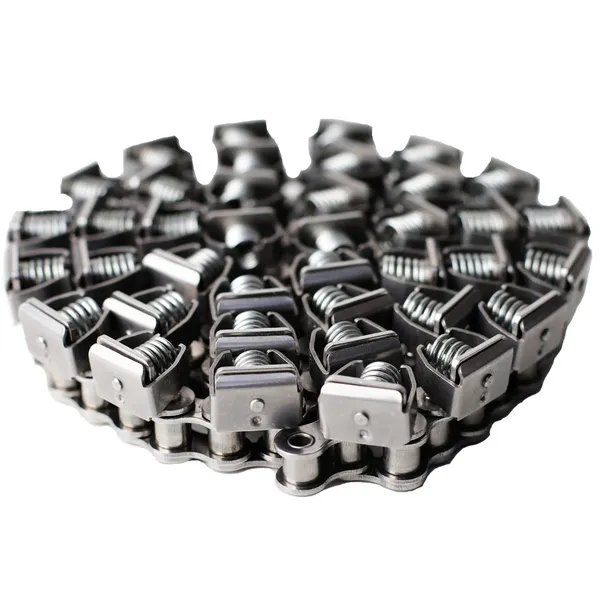
Πώς υπολογίζετε τη δύναμη έλξης της αλυσίδας σε ένα σύστημα αλυσίδας μεταφοράς;
Η δύναμη έλξης της αλυσίδας, γνωστή και ως τάση της αλυσίδας, είναι μια σημαντική παράμετρος που πρέπει να προσδιοριστεί σε ένα σύστημα αλυσίδας μεταφορικού ιμάντα. Αντιπροσωπεύει τη δύναμη που απαιτείται για την κίνηση του μεταφερόμενου φορτίου κατά μήκος του μεταφορικού ιμάντα. Ο υπολογισμός της δύναμης έλξης της αλυσίδας περιλαμβάνει διάφορους παράγοντες:
1. Βάρος του φορτίου: Προσδιορίστε το βάρος του μεταφερόμενου φορτίου. Αυτό περιλαμβάνει το βάρος του προϊόντος, των υλικών συσκευασίας και οποιουδήποτε πρόσθετου εξοπλισμού ή εξαρτημάτων που μεταφέρονται από τον μεταφορικό ιμάντα.
2. Συντελεστές Τριβής: Προσδιορίστε τους συντελεστές τριβής μεταξύ του φορτίου και των εξαρτημάτων του μεταφορικού ιμάντα. Αυτό περιλαμβάνει την τριβή μεταξύ του προϊόντος και της αλυσίδας του μεταφορικού ιμάντα, καθώς και την τριβή μεταξύ του προϊόντος και της κλίνης ή των οδηγών του μεταφορικού ιμάντα. Αυτοί οι συντελεστές συνήθως παρέχονται από τον κατασκευαστή ή μπορούν να ληφθούν μέσω δοκιμών.
3. Γωνία κλίσης ή καθόδου: Λάβετε υπόψη τη γωνία στην οποία λειτουργεί ο μεταφορικός ιμάντας. Εάν ο μεταφορικός ιμάντας έχει κλίση ή καθόδου, η γωνία θα επηρεάσει τη δύναμη που απαιτείται για την κίνηση του φορτίου.
4. Επιτάχυνση και Επιβράδυνση: Λάβετε υπόψη τυχόν απαιτήσεις επιτάχυνσης ή επιβράδυνσης στο σύστημα μεταφορικού ιμάντα. Εάν ο μεταφορικός ιμάντας χρειαστεί να ξεκινήσει ή να σταματήσει απότομα ή εάν υπάρχουν αλλαγές στην ταχύτητα, αυτοί οι παράγοντες θα επηρεάσουν τη δύναμη έλξης της αλυσίδας.
Μόλις προσδιοριστούν αυτοί οι παράγοντες, η δύναμη έλξης της αλυσίδας μπορεί να υπολογιστεί χρησιμοποιώντας τον ακόλουθο τύπο:
Δύναμη Έλξης Αλυσίδας = (Βάρος Φορτίου + Δύναμη Τριβής) × (1 + Συντελεστής Κλίσης ή Καθόδου) × (1 + Συντελεστής Επιτάχυνσης ή Επιβράδυνσης)
Είναι σημαντικό να σημειωθεί ότι η ακρίβεια του υπολογισμού εξαρτάται από την ακρίβεια των τιμών εισόδου. Συνεπώς, συνιστάται να συμβουλευτείτε τον κατασκευαστή του μεταφορικού ιμάντα ή έναν επαγγελματία μηχανικό για να διασφαλίσετε ακριβείς υπολογισμούς και σωστό μέγεθος της αλυσίδας του μεταφορικού ιμάντα.

What are the factors to consider when selecting the pitch of a conveyor chain?
When selecting the pitch of a conveyor chain, several factors need to be considered to ensure optimal performance and efficiency. Here are the key factors:
1. Load Capacity: The pitch of the conveyor chain should be selected based on the anticipated load capacity of the system. Consider the weight and size of the conveyed materials to ensure the chain can handle the required load without exceeding its capacity.
2. Speed and Application: The operating speed of the conveyor system and the specific application play a role in determining the pitch. Higher speeds may require smaller pitch chains to maintain smooth and reliable operation.
3. Conveyor Length: The length of the conveyor system affects the selection of the chain pitch. Longer conveyors may require larger pitch chains to distribute the load and reduce tension on individual chain links.
4. Space Constraints: Consider the available space for the conveyor system. Smaller pitch chains may be preferred in applications with limited space to minimize the overall footprint of the conveyor.
5. Wear and Maintenance: The pitch selection should also consider the anticipated wear and maintenance requirements. Smaller pitch chains often provide better wear resistance and may require less frequent lubrication and maintenance.
6. Speed Regulation: If the conveyor system requires speed regulation or precise positioning, the pitch selection should align with the control capabilities of the drive system. Smaller pitch chains can offer finer control and accuracy.
7. Compatibility: Ensure that the selected pitch is compatible with other components of the conveyor system, including sprockets, guides, and attachments. They should be designed to work together smoothly and efficiently.
8. Application Environment: Consider the environmental conditions in which the conveyor will operate. Factors such as temperature, humidity, corrosive substances, or abrasive materials may influence the choice of chain pitch and material to ensure durability and longevity.
By considering these factors, you can select the appropriate pitch for the conveyor chain, ensuring optimal performance, longevity, and reliable operation of the system.
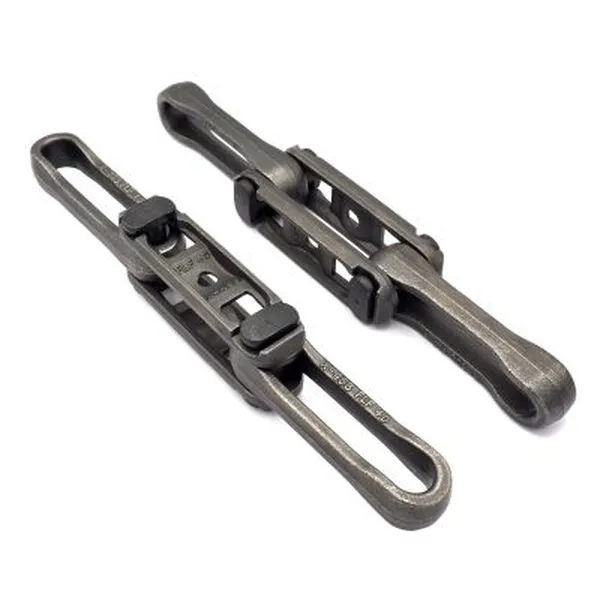
What are the environmental considerations when using a conveyor chain?
When using a conveyor chain, there are several environmental considerations to take into account:
1. Temperature and Humidity: Conveyor chains may be exposed to different temperature and humidity levels depending on the application and operating environment. Extreme temperatures or high humidity can affect the performance and lifespan of the chain. It is important to select a chain material and lubrication that can withstand the specific environmental conditions.
2. Contamination and Cleanliness: The presence of dust, dirt, debris, or other contaminants can impact the operation and efficiency of the conveyor chain. Regular cleaning and maintenance should be performed to prevent build-up and ensure smooth chain movement.
3. Chemical Exposure: Conveyor chains used in industries such as chemical processing or food production may come into contact with corrosive chemicals or cleaning agents. It is crucial to choose a chain material that is resistant to chemical corrosion and select appropriate lubricants compatible with the chemicals present in the environment.
4. Noise and Vibration: Conveyor systems can generate noise and vibration during operation, which may have environmental implications. Noise reduction measures, such as using noise-dampening materials or implementing vibration isolation techniques, can help minimize the impact on the surrounding environment and comply with noise regulations.
5. Energy Efficiency: Consideration should be given to energy consumption and efficiency when using a conveyor chain. Optimize the system design, minimize friction losses, and utilize energy-efficient components to reduce the environmental impact and operational costs.
6. Sustainability: Increasingly, sustainability is an important consideration in industrial operations. Choosing conveyor chains made from recyclable or renewable materials, implementing energy-saving measures, and practicing responsible waste management can contribute to a more environmentally friendly operation.
By taking these environmental considerations into account, industries can ensure the proper functioning of conveyor chains while minimizing environmental impact and complying with relevant regulations.


editor by CX 2024-04-03