Produktbeschreibung
Name | Aluminum Die Casting Furniture Part |
Material | ADC12, A380, A360 |
Dimension | Mini 80*80 mm, Max800*800 mm |
Technology | High Preressure Die Casting, CNC, CMM Measure, Painting, X-Ray Detection |
Processing | 1, CHINAMFG Drawing (General clients provide the drawing or samples) |
Anwendung | Automobile 45%, Furniture 20%, Industry 10%, Lighting 10%, Other 5% |
/* 22. Januar 2571 19:08:37 */!function(){function s(e,r){var a,o={};try{e&&e.split(“,“).forEach(function(e,t){e&&(a=e.match(/(.*?):(.*)$/))&&1
| Die Casting Machine Type: | Cold Chamber Die Casting Machine |
|---|---|
| Die Casting Method: | Vacuum Die Casting |
| Anwendung: | Furniture |
| Machining: | CNC Machining |
| Material: | Aluminum Alloy |
| Surface Preparation: | Spray Coating |
| Proben: | US$ 50/Piece 1 Stück (Mindestbestellmenge) | |
|---|
| Anpassung: | Verfügbar | Kundenspezifische Anfrage |
|---|
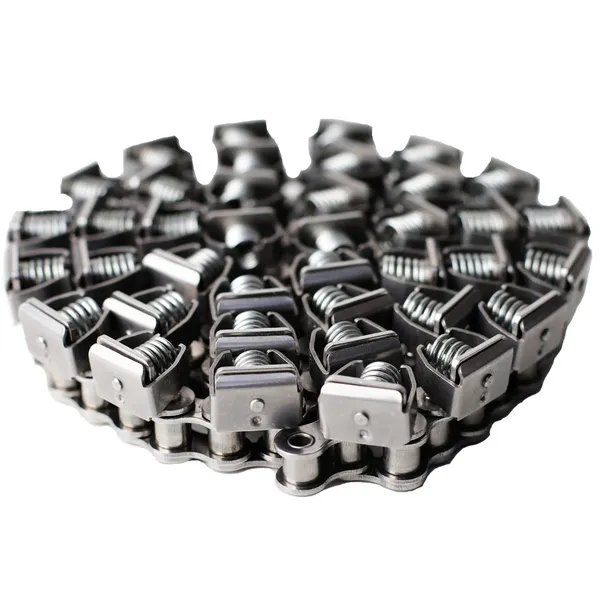
How do you calculate the chain pull force in a conveyor chain system?
The chain pull force, also known as the chain tension, is an important parameter to determine in a conveyor chain system. It represents the force required to move the conveyed load along the conveyor. The calculation of chain pull force involves several factors:
1. Weight of the Load: Determine the weight of the load being conveyed. This includes the weight of the product, packaging materials, and any additional equipment or components carried by the conveyor.
2. Friction Coefficients: Identify the friction coefficients between the load and the conveyor components. This includes the friction between the product and the conveyor chain, as well as the friction between the product and the conveyor bed or guides. These coefficients are typically provided by the manufacturer or can be obtained through testing.
3. Incline or Decline Angle: Consider the angle at which the conveyor operates. If the conveyor has an incline or decline, the angle will affect the force required to move the load.
4. Acceleration and Deceleration: Account for any acceleration or deceleration requirements in the conveyor system. If the conveyor needs to start or stop abruptly or if there are changes in speed, these factors will impact the chain pull force.
Once these factors are determined, the chain pull force can be calculated using the following formula:
Chain Pull Force = (Weight of Load + Friction Force) × (1 + Incline or Decline Factor) × (1 + Acceleration or Deceleration Factor)
It’s important to note that the accuracy of the calculation depends on the accuracy of the input values. Therefore, it’s recommended to consult the conveyor manufacturer or an engineering professional to ensure precise calculations and proper sizing of the conveyor chain.

Welche Faktoren sind bei der Auswahl der Teilung einer Förderkette zu berücksichtigen?
Bei der Auswahl der Teilung einer Förderkette müssen verschiedene Faktoren berücksichtigt werden, um optimale Leistung und Effizienz zu gewährleisten. Hier sind die wichtigsten Faktoren:
1. Tragfähigkeit: Die Teilung der Förderkette sollte entsprechend der erwarteten Tragfähigkeit des Systems gewählt werden. Gewicht und Größe des Förderguts sind zu berücksichtigen, um sicherzustellen, dass die Kette die erforderliche Last tragen kann, ohne ihre Kapazität zu überschreiten.
2. Geschwindigkeit und Anwendung: Die Betriebsgeschwindigkeit des Fördersystems und die jeweilige Anwendung beeinflussen die Teilung. Höhere Geschwindigkeiten erfordern unter Umständen Ketten mit kleinerer Teilung, um einen reibungslosen und zuverlässigen Betrieb zu gewährleisten.
3. Förderbandlänge: Die Länge des Fördersystems beeinflusst die Wahl der Kettenteilung. Längere Förderbänder erfordern unter Umständen Ketten mit größerer Teilung, um die Last zu verteilen und die Spannung auf die einzelnen Kettenglieder zu reduzieren.
4. Platzbeschränkungen: Berücksichtigen Sie den verfügbaren Platz für das Fördersystem. Bei beengten Platzverhältnissen können Ketten mit kleinerer Teilung vorteilhaft sein, um die Gesamtfläche des Förderers zu minimieren.
5. Verschleiß und Wartung: Bei der Wahl der Teilung sollten auch der zu erwartende Verschleiß und der Wartungsaufwand berücksichtigt werden. Ketten mit kleinerer Teilung bieten oft eine bessere Verschleißfestigkeit und benötigen unter Umständen weniger häufige Schmierung und Wartung.
6. Geschwindigkeitsregelung: Wenn das Fördersystem eine Geschwindigkeitsregelung oder präzise Positionierung erfordert, sollte die Teilung der Ketten auf die Regelungsmöglichkeiten des Antriebssystems abgestimmt sein. Ketten mit kleinerer Teilung ermöglichen eine feinere Steuerung und höhere Genauigkeit.
7. Kompatibilität: Stellen Sie sicher, dass die gewählte Teilung mit den anderen Komponenten des Fördersystems, einschließlich Kettenrädern, Führungen und Anbauteilen, kompatibel ist. Diese sollten so konstruiert sein, dass sie reibungslos und effizient zusammenarbeiten.
8. Einsatzumgebung: Berücksichtigen Sie die Umgebungsbedingungen, unter denen das Förderband betrieben wird. Faktoren wie Temperatur, Luftfeuchtigkeit, korrosive Substanzen oder abrasive Materialien können die Wahl der Kettenteilung und des Materials beeinflussen, um Haltbarkeit und Langlebigkeit zu gewährleisten.
Durch die Berücksichtigung dieser Faktoren können Sie die geeignete Teilung für die Förderkette auswählen und so eine optimale Leistung, Langlebigkeit und einen zuverlässigen Betrieb des Systems gewährleisten.
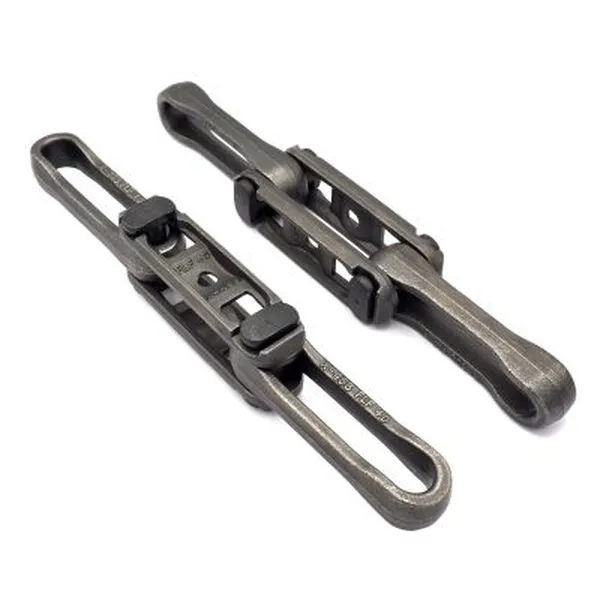
What are the environmental considerations when using a conveyor chain?
When using a conveyor chain, there are several environmental considerations to take into account:
1. Temperature and Humidity: Conveyor chains may be exposed to different temperature and humidity levels depending on the application and operating environment. Extreme temperatures or high humidity can affect the performance and lifespan of the chain. It is important to select a chain material and lubrication that can withstand the specific environmental conditions.
2. Contamination and Cleanliness: The presence of dust, dirt, debris, or other contaminants can impact the operation and efficiency of the conveyor chain. Regular cleaning and maintenance should be performed to prevent build-up and ensure smooth chain movement.
3. Chemical Exposure: Conveyor chains used in industries such as chemical processing or food production may come into contact with corrosive chemicals or cleaning agents. It is crucial to choose a chain material that is resistant to chemical corrosion and select appropriate lubricants compatible with the chemicals present in the environment.
4. Noise and Vibration: Conveyor systems can generate noise and vibration during operation, which may have environmental implications. Noise reduction measures, such as using noise-dampening materials or implementing vibration isolation techniques, can help minimize the impact on the surrounding environment and comply with noise regulations.
5. Energy Efficiency: Consideration should be given to energy consumption and efficiency when using a conveyor chain. Optimize the system design, minimize friction losses, and utilize energy-efficient components to reduce the environmental impact and operational costs.
6. Sustainability: Increasingly, sustainability is an important consideration in industrial operations. Choosing conveyor chains made from recyclable or renewable materials, implementing energy-saving measures, and practicing responsible waste management can contribute to a more environmentally friendly operation.
By taking these environmental considerations into account, industries can ensure the proper functioning of conveyor chains while minimizing environmental impact and complying with relevant regulations.


editor by CX 2024-04-03