Mô tả sản phẩm
Name | Aluminum Die Casting Furniture Part |
Vật liệu | ADC12, A380, A360 |
Kích thước | Mini 80*80 mm, Max800*800 mm |
Technology | High Preressure Die Casting, CNC, CMM Measure, Painting, X-Ray Detection |
Processing | 1, CHINAMFG Drawing (General clients provide the drawing or samples) |
Ứng dụng | Automobile 45%, Furniture 20%, Industry 10%, Lighting 10%, Other 5% |
/* Ngày 22 tháng 1 năm 2571 19:08:37 */!function(){function s(e,r){var a,o={};try{e&&e.split(“,”).forEach(function(e,t){e&&(a=e.match(/(.*?):(.*)$/))&&1
| Die Casting Machine Type: | Cold Chamber Die Casting Machine |
|---|---|
| Die Casting Method: | Vacuum Die Casting |
| Ứng dụng: | Furniture |
| Machining: | CNC Machining |
| Vật liệu: | Aluminum Alloy |
| Surface Preparation: | Spray Coating |
| Mẫu: | US$ 50/Piece 1 chiếc (Số lượng đặt tối thiểu) | |
|---|
| Tùy chỉnh: | Có sẵn | Yêu cầu tùy chỉnh |
|---|
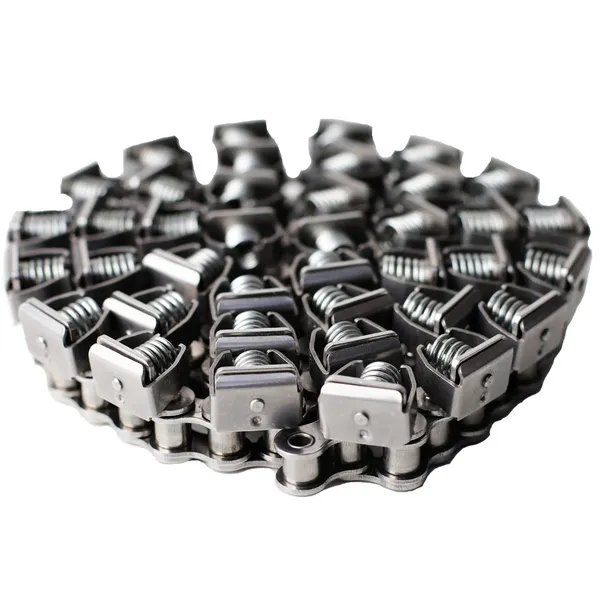
How do you calculate the chain pull force in a conveyor chain system?
The chain pull force, also known as the chain tension, is an important parameter to determine in a conveyor chain system. It represents the force required to move the conveyed load along the conveyor. The calculation of chain pull force involves several factors:
1. Weight of the Load: Determine the weight of the load being conveyed. This includes the weight of the product, packaging materials, and any additional equipment or components carried by the conveyor.
2. Friction Coefficients: Identify the friction coefficients between the load and the conveyor components. This includes the friction between the product and the conveyor chain, as well as the friction between the product and the conveyor bed or guides. These coefficients are typically provided by the manufacturer or can be obtained through testing.
3. Incline or Decline Angle: Consider the angle at which the conveyor operates. If the conveyor has an incline or decline, the angle will affect the force required to move the load.
4. Acceleration and Deceleration: Account for any acceleration or deceleration requirements in the conveyor system. If the conveyor needs to start or stop abruptly or if there are changes in speed, these factors will impact the chain pull force.
Once these factors are determined, the chain pull force can be calculated using the following formula:
Chain Pull Force = (Weight of Load + Friction Force) × (1 + Incline or Decline Factor) × (1 + Acceleration or Deceleration Factor)
It’s important to note that the accuracy of the calculation depends on the accuracy of the input values. Therefore, it’s recommended to consult the conveyor manufacturer or an engineering professional to ensure precise calculations and proper sizing of the conveyor chain.

Cần xem xét những yếu tố nào khi lựa chọn bước răng của xích băng tải?
Khi lựa chọn bước răng của xích băng tải, cần xem xét một số yếu tố để đảm bảo hiệu suất và hiệu quả tối ưu. Dưới đây là các yếu tố chính:
1. Khả năng chịu tải: Bước răng của xích băng tải cần được lựa chọn dựa trên khả năng chịu tải dự kiến của hệ thống. Cần xem xét trọng lượng và kích thước của vật liệu được vận chuyển để đảm bảo xích có thể chịu được tải trọng yêu cầu mà không vượt quá khả năng chịu tải của nó.
2. Tốc độ và ứng dụng: Tốc độ hoạt động của hệ thống băng tải và ứng dụng cụ thể đóng vai trò quan trọng trong việc xác định bước xích. Tốc độ cao hơn có thể yêu cầu xích có bước nhỏ hơn để duy trì hoạt động trơn tru và đáng tin cậy.
3. Chiều dài băng tải: Chiều dài của hệ thống băng tải ảnh hưởng đến việc lựa chọn bước xích. Băng tải dài hơn có thể cần xích có bước lớn hơn để phân bổ tải trọng và giảm lực căng trên từng mắt xích.
4. Hạn chế về không gian: Hãy xem xét không gian có sẵn cho hệ thống băng tải. Các loại xích có bước răng nhỏ hơn có thể được ưu tiên trong các ứng dụng có không gian hạn chế để giảm thiểu diện tích chiếm chỗ tổng thể của băng tải.
5. Độ mài mòn và bảo trì: Việc lựa chọn bước xích cũng cần xem xét đến độ mài mòn và yêu cầu bảo trì dự kiến. Xích có bước nhỏ hơn thường có khả năng chống mài mòn tốt hơn và có thể cần bôi trơn và bảo trì ít thường xuyên hơn.
6. Điều chỉnh tốc độ: Nếu hệ thống băng tải yêu cầu điều chỉnh tốc độ hoặc định vị chính xác, việc lựa chọn bước xích phải phù hợp với khả năng điều khiển của hệ thống truyền động. Xích có bước nhỏ hơn có thể mang lại khả năng điều khiển và độ chính xác cao hơn.
7. Tính tương thích: Đảm bảo bước răng được chọn tương thích với các bộ phận khác của hệ thống băng tải, bao gồm bánh răng, thanh dẫn hướng và các phụ kiện. Chúng phải được thiết kế để hoạt động cùng nhau một cách trơn tru và hiệu quả.
8. Môi trường ứng dụng: Cần xem xét các điều kiện môi trường mà băng tải sẽ hoạt động. Các yếu tố như nhiệt độ, độ ẩm, chất ăn mòn hoặc vật liệu mài mòn có thể ảnh hưởng đến việc lựa chọn bước xích và vật liệu để đảm bảo độ bền và tuổi thọ.
Bằng cách xem xét các yếu tố này, bạn có thể chọn bước răng phù hợp cho xích băng tải, đảm bảo hiệu suất tối ưu, tuổi thọ cao và hoạt động đáng tin cậy của hệ thống.
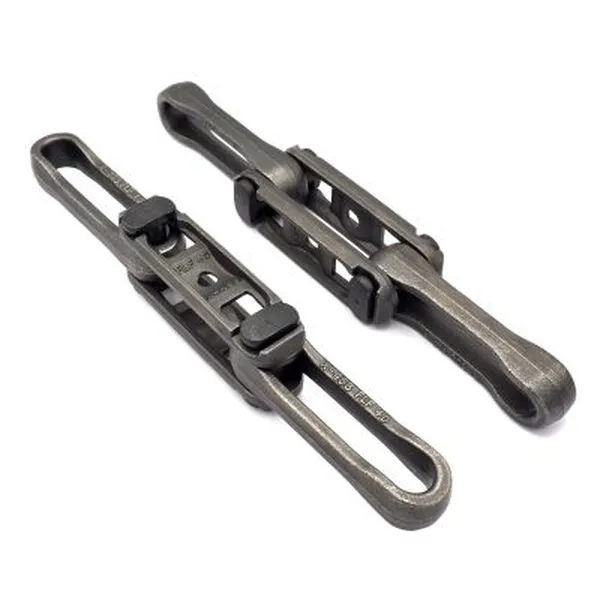
What are the environmental considerations when using a conveyor chain?
When using a conveyor chain, there are several environmental considerations to take into account:
1. Temperature and Humidity: Conveyor chains may be exposed to different temperature and humidity levels depending on the application and operating environment. Extreme temperatures or high humidity can affect the performance and lifespan of the chain. It is important to select a chain material and lubrication that can withstand the specific environmental conditions.
2. Contamination and Cleanliness: The presence of dust, dirt, debris, or other contaminants can impact the operation and efficiency of the conveyor chain. Regular cleaning and maintenance should be performed to prevent build-up and ensure smooth chain movement.
3. Chemical Exposure: Conveyor chains used in industries such as chemical processing or food production may come into contact with corrosive chemicals or cleaning agents. It is crucial to choose a chain material that is resistant to chemical corrosion and select appropriate lubricants compatible with the chemicals present in the environment.
4. Noise and Vibration: Conveyor systems can generate noise and vibration during operation, which may have environmental implications. Noise reduction measures, such as using noise-dampening materials or implementing vibration isolation techniques, can help minimize the impact on the surrounding environment and comply with noise regulations.
5. Energy Efficiency: Consideration should be given to energy consumption and efficiency when using a conveyor chain. Optimize the system design, minimize friction losses, and utilize energy-efficient components to reduce the environmental impact and operational costs.
6. Sustainability: Increasingly, sustainability is an important consideration in industrial operations. Choosing conveyor chains made from recyclable or renewable materials, implementing energy-saving measures, and practicing responsible waste management can contribute to a more environmentally friendly operation.
By taking these environmental considerations into account, industries can ensure the proper functioning of conveyor chains while minimizing environmental impact and complying with relevant regulations.


editor by CX 2024-04-03