Penerangan Produk
Name | Aluminum Die Casting Furniture Part |
Bahan | ADC12, A380, A360 |
Dimension | Mini 80*80 mm, Max800*800 mm |
Technology | High Preressure Die Casting, CNC, CMM Measure, Painting, X-Ray Detection |
Processing | 1, CHINAMFG Drawing (General clients provide the drawing or samples) |
Permohonan | Automobile 45%, Furniture 20%, Industry 10%, Lighting 10%, Other 5% |
/* 22 Januari 2571 19:08:37 */!function(){function s(e,r){var a,o={};try{e&&e.split(“,”).forEach(function(e,t){e&&(a=e.match(/(.*?):(.*)$/)&
| Die Casting Machine Type: | Cold Chamber Die Casting Machine |
|---|---|
| Die Casting Method: | Vacuum Die Casting |
| Permohonan: | Furniture |
| Machining: | CNC Machining |
| Bahan: | Aluminum Alloy |
| Surface Preparation: | Spray Coating |
| Sampel: | US$ 50/Piece 1 Keping (Pesanan Minimum) | |
|---|
| Penyesuaian: | Tersedia | Permintaan Tersuai |
|---|
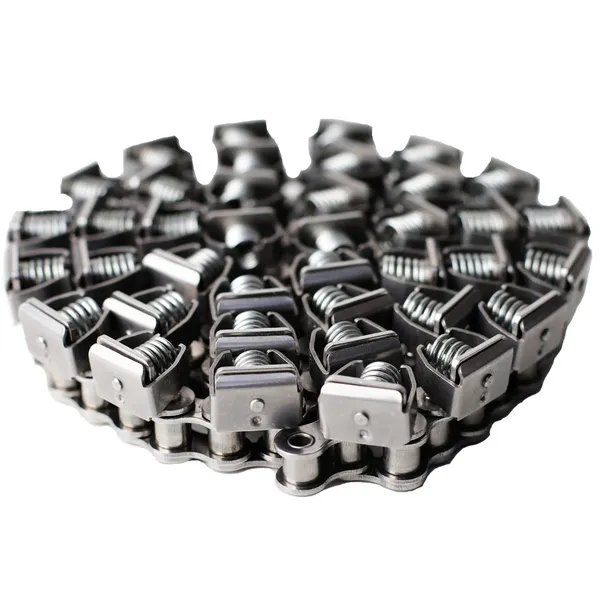
How do you calculate the chain pull force in a conveyor chain system?
The chain pull force, also known as the chain tension, is an important parameter to determine in a conveyor chain system. It represents the force required to move the conveyed load along the conveyor. The calculation of chain pull force involves several factors:
1. Weight of the Load: Determine the weight of the load being conveyed. This includes the weight of the product, packaging materials, and any additional equipment or components carried by the conveyor.
2. Friction Coefficients: Identify the friction coefficients between the load and the conveyor components. This includes the friction between the product and the conveyor chain, as well as the friction between the product and the conveyor bed or guides. These coefficients are typically provided by the manufacturer or can be obtained through testing.
3. Incline or Decline Angle: Consider the angle at which the conveyor operates. If the conveyor has an incline or decline, the angle will affect the force required to move the load.
4. Acceleration and Deceleration: Account for any acceleration or deceleration requirements in the conveyor system. If the conveyor needs to start or stop abruptly or if there are changes in speed, these factors will impact the chain pull force.
Once these factors are determined, the chain pull force can be calculated using the following formula:
Chain Pull Force = (Weight of Load + Friction Force) × (1 + Incline or Decline Factor) × (1 + Acceleration or Deceleration Factor)
It’s important to note that the accuracy of the calculation depends on the accuracy of the input values. Therefore, it’s recommended to consult the conveyor manufacturer or an engineering professional to ensure precise calculations and proper sizing of the conveyor chain.

Apakah faktor yang perlu dipertimbangkan semasa memilih pic rantai penghantar?
Apabila memilih pic rantai penghantar, beberapa faktor perlu dipertimbangkan untuk memastikan prestasi dan kecekapan yang optimum. Berikut adalah faktor utama:
1. Kapasiti Beban: Ketinggian rantai penghantar harus dipilih berdasarkan kapasiti beban sistem yang dijangkakan. Pertimbangkan berat dan saiz bahan yang diangkut untuk memastikan rantai dapat mengendalikan beban yang diperlukan tanpa melebihi kapasitinya.
2. Kelajuan dan Aplikasi: Kelajuan operasi sistem penghantar dan aplikasi khusus memainkan peranan dalam menentukan pic. Kelajuan yang lebih tinggi mungkin memerlukan rantai pic yang lebih kecil untuk mengekalkan operasi yang lancar dan andal.
3. Panjang Penghantar: Panjang sistem penghantar mempengaruhi pemilihan pic rantai. Penghantar yang lebih panjang mungkin memerlukan rantai pic yang lebih besar untuk mengagihkan beban dan mengurangkan ketegangan pada pautan rantai individu.
4. Kekangan Ruang: Pertimbangkan ruang yang tersedia untuk sistem penghantar. Rantai pitch yang lebih kecil mungkin lebih diutamakan dalam aplikasi dengan ruang terhad untuk meminimumkan jejak keseluruhan penghantar.
5. Haus dan Penyelenggaraan: Pemilihan pitch juga harus mempertimbangkan keperluan haus dan penyelenggaraan yang dijangkakan. Rantai pitch yang lebih kecil selalunya memberikan rintangan haus yang lebih baik dan mungkin memerlukan pelinciran dan penyelenggaraan yang kurang kerap.
6. Pengawalan Kelajuan: Jika sistem penghantar memerlukan pengawalan kelajuan atau kedudukan yang tepat, pemilihan pic hendaklah sejajar dengan keupayaan kawalan sistem pemacu. Rantai pic yang lebih kecil boleh menawarkan kawalan dan ketepatan yang lebih baik.
7. Keserasian: Pastikan pic yang dipilih serasi dengan komponen lain sistem penghantar, termasuk sproket, panduan dan lampiran. Ia hendaklah direka bentuk untuk berfungsi bersama dengan lancar dan cekap.
8. Persekitaran Aplikasi: Pertimbangkan keadaan persekitaran di mana penghantar akan beroperasi. Faktor seperti suhu, kelembapan, bahan menghakis atau bahan kasar mungkin mempengaruhi pilihan pic rantai dan bahan untuk memastikan ketahanan dan jangka hayat yang panjang.
Dengan mempertimbangkan faktor-faktor ini, anda boleh memilih pic yang sesuai untuk rantai penghantar, memastikan prestasi optimum, jangka hayat dan operasi sistem yang andal.
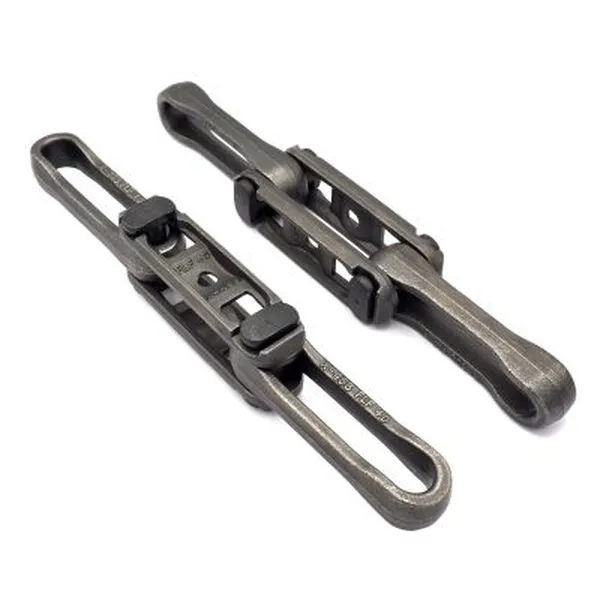
What are the environmental considerations when using a conveyor chain?
When using a conveyor chain, there are several environmental considerations to take into account:
1. Temperature and Humidity: Conveyor chains may be exposed to different temperature and humidity levels depending on the application and operating environment. Extreme temperatures or high humidity can affect the performance and lifespan of the chain. It is important to select a chain material and lubrication that can withstand the specific environmental conditions.
2. Contamination and Cleanliness: The presence of dust, dirt, debris, or other contaminants can impact the operation and efficiency of the conveyor chain. Regular cleaning and maintenance should be performed to prevent build-up and ensure smooth chain movement.
3. Chemical Exposure: Conveyor chains used in industries such as chemical processing or food production may come into contact with corrosive chemicals or cleaning agents. It is crucial to choose a chain material that is resistant to chemical corrosion and select appropriate lubricants compatible with the chemicals present in the environment.
4. Noise and Vibration: Conveyor systems can generate noise and vibration during operation, which may have environmental implications. Noise reduction measures, such as using noise-dampening materials or implementing vibration isolation techniques, can help minimize the impact on the surrounding environment and comply with noise regulations.
5. Energy Efficiency: Consideration should be given to energy consumption and efficiency when using a conveyor chain. Optimize the system design, minimize friction losses, and utilize energy-efficient components to reduce the environmental impact and operational costs.
6. Sustainability: Increasingly, sustainability is an important consideration in industrial operations. Choosing conveyor chains made from recyclable or renewable materials, implementing energy-saving measures, and practicing responsible waste management can contribute to a more environmentally friendly operation.
By taking these environmental considerations into account, industries can ensure the proper functioning of conveyor chains while minimizing environmental impact and complying with relevant regulations.


editor by CX 2024-04-03