Description du produit
Professional Standard C216ALSS-I Type Conveyor Chain For Ice Cream
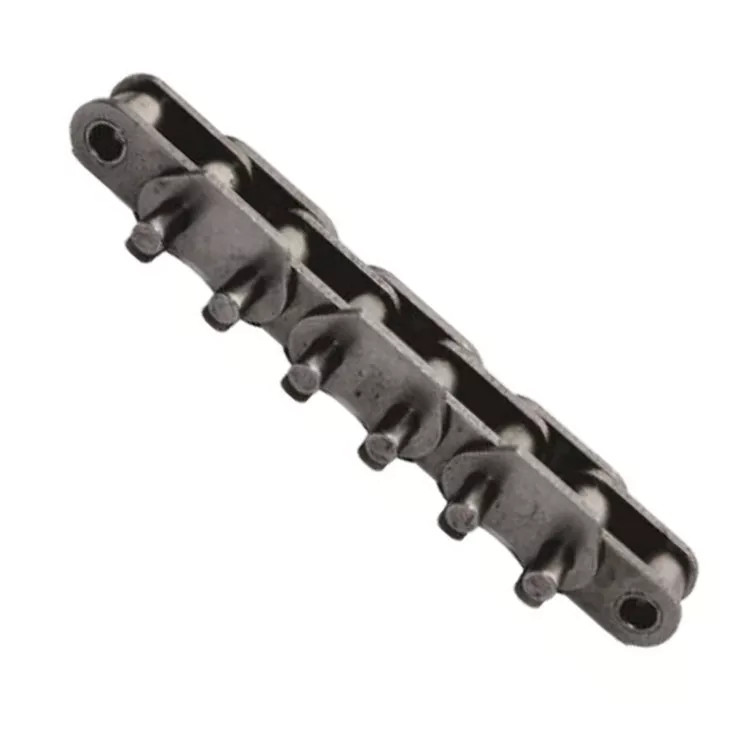
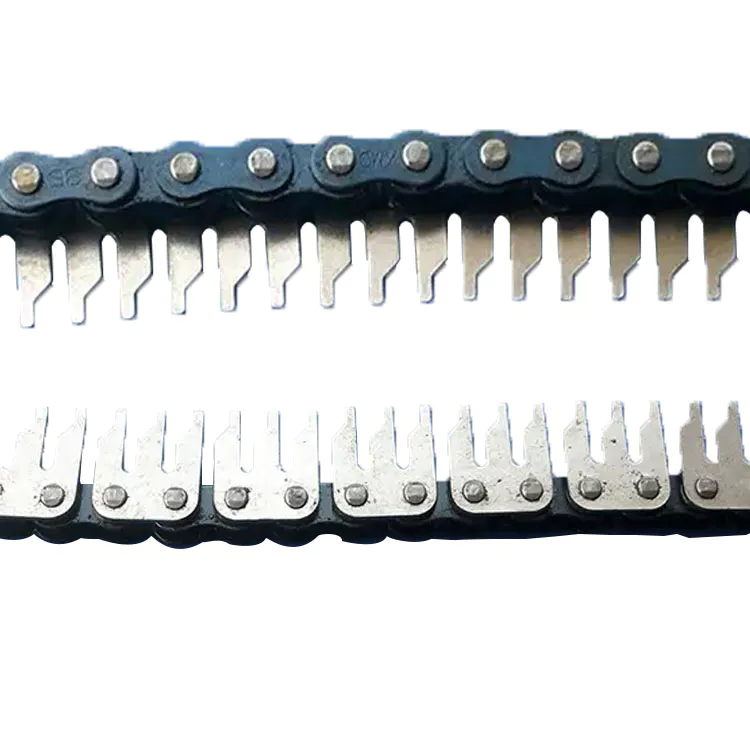
C216ALSS-I type chain is a transmission chain for ice cream production and conveying machinery. The pitch is 50.8mm. The roller material is made of reinforced nylon and machined. It is not injection molded and it is wear-resistant, low-temperature resistant, and not easy to break. The chain piece is made of stainless steel 304, with high hardness, low temperature resistance and not easy to break. The main parameters of the product comply with ISO, ANSI, DIN, BS, JIS standards
HangZhou CHINAMFG Industry Co., Ltd. is a specialized supplier of a full range of chains.
Due to our CHINAMFG in offering best service to our clients, understanding of your needs and overriding sense of responsibility toward filling ordering requirements, we have obtained the trust of buyers worldwide. Having accumulated precious experience in cooperating with foreign customers, our products are selling well in the American, European, South American and Asian markets.Our products are manufactured by modern computerized machinery and equipment. Meanwhile, our products are manufactured according to high quality standards, and complying with the international advanced standard criteria.
With many years’ experience in this line, we will be trusted by our advantages in competitive price, one-time delivery, prompt response, on-hand engineering support and good after-sales services.
Additionally, all our production procedures are in compliance with ISO9001 standards. We also can design and make non-standard products to meet customers’ special requirements. Quality and credit are the bases that make a corporation alive. We will provide best services and high quality products with all sincerity. If you need any information or samples, please contact us and you will have our soon reply.
FAQ :
Q1: Are you trading company or manufacturer ?
A: We are factory.
Q2: How long is your delivery time and shipment?
1.Sample Lead-times: generally 30 workdays.
2.Production Lead-times: 60 workdays after getting your deposit.
Q3. What is your terms of payment?
A: T/T 30% as deposit, and 70% before delivery.
We’ll show you the photos of the products and packages before you pay the balance.
Q4: What is your advantages?
1. Manufacturer,the most competitive price and good quality.
2. Perfect technical engineers give you the best support.
3. OEM is available.
4. Rich stock and quick delivery.
Q5. If you can’t find the product on our website,what do you next?
Please send us inquiry with product pictures and drawings by email or other ways and we’ll check
| Standard ou non standard : | Standard |
|---|---|
| Application: | Textile Machinery, Garment Machinery, Conveyer Equipment, Food Machinery |
| Traitement de surface : | Polissage |
| Exemples : | US$ 50/Meter 1 mètre (commande minimale) | Commander un échantillon |
|---|
| Personnalisation : | Disponible | Demande personnalisée |
|---|
.shipping-cost-tm .tm-status-off{background: none;padding:0;color: #1470cc}
| Frais d'expédition : Frais de transport estimés par unité. | concernant les frais de livraison et le délai de livraison estimé. |
|---|
| Mode de paiement: |
|
|---|---|
| Paiement initial Paiement intégral |
| Devise: | US$ |
|---|
| Retours et remboursements : | Vous pouvez demander un remboursement jusqu'à 30 jours après la réception des produits. |
|---|

Une chaîne de convoyage peut-elle être utilisée dans la fabrication de produits pharmaceutiques ?
Oui, les chaînes de convoyage peuvent être utilisées dans la fabrication pharmaceutique pour diverses applications. Les systèmes de convoyage jouent un rôle crucial dans le transport efficace et sûr des produits pharmaceutiques tout au long du processus de fabrication. Voici quelques points clés à prendre en compte lors de l'utilisation de chaînes de convoyage dans la fabrication pharmaceutique :
1. Sélection des matériaux :
Choisissez des chaînes de convoyage fabriquées à partir de matériaux adaptés aux applications pharmaceutiques, tels que l'acier inoxydable ou le plastique approuvé par la FDA. Ces matériaux offrent une résistance à la corrosion, une propreté optimale et sont conformes aux réglementations du secteur.
2. Propreté et hygiène :
– Veillez à ce que la conception de la chaîne de convoyage facilite le nettoyage et la désinfection. Des surfaces lisses, un minimum de recoins et un accès aisé pour le matériel de nettoyage sont essentiels pour maintenir un environnement hygiénique.
3. Contrôle de la contamination :
– Mettre en œuvre des mesures visant à prévenir la contamination des produits pharmaceutiques. Cela comprend l’utilisation de lubrifiants pour chaînes adaptés aux applications pharmaceutiques et la mise en place de procédures de manipulation et de stockage appropriées.
4. Protection du produit :
– Choisissez des systèmes de convoyage qui minimisent les dommages ou la dégradation des produits. Cela peut impliquer l'utilisation de dispositifs de manutention douce, tels que des surfaces à faible friction, des régulateurs de vitesse et un espacement approprié des produits.
5. Conformité réglementaire :
– S’assurer que le système de chaîne de convoyage est conforme aux réglementations et directives de l’industrie pharmaceutique, telles que les Bonnes Pratiques de Fabrication (BPF) et les exigences des organismes de réglementation comme la FDA.
6. Intégration avec les équipements :
Il convient d'envisager l'intégration des chaînes de convoyage aux autres équipements du processus de fabrication pharmaceutique, tels que les étiqueteuses, les remplisseuses et les machines de conditionnement. Le système de convoyage doit assurer un fonctionnement fluide et synchronisé avec ces machines.
En sélectionnant et en concevant soigneusement des chaînes de convoyage spécifiquement destinées à la fabrication pharmaceutique, il est possible de répondre aux exigences rigoureuses de l'industrie en matière de propreté, d'intégrité du produit et de conformité réglementaire.
How do you prevent corrosion in conveyor chains?
Preventing corrosion in conveyor chains is essential for maintaining their performance and prolonging their lifespan. Here are some effective measures to prevent corrosion:
1. Material Selection: Choose conveyor chains made from corrosion-resistant materials such as stainless steel, plastic, or coatings specifically designed to resist corrosion. These materials offer better protection against rust and corrosion compared to standard steel chains.
2. Proper Lubrication: Apply a suitable lubricant to the conveyor chain regularly. Lubrication creates a protective barrier that helps prevent moisture and contaminants from reaching the metal surface, reducing the risk of corrosion. Select a lubricant that provides corrosion protection properties and is compatible with the chain material.
3. Environmental Controls: Control the operating environment to minimize exposure to corrosive elements. Implement measures such as humidity control, proper ventilation, and protection from direct contact with water or chemicals. Consider using covers or enclosures to shield the conveyor chain from environmental factors that can accelerate corrosion.
4. Surface Treatments: Apply corrosion-resistant coatings or treatments to the conveyor chain. These coatings can provide an additional protective layer that acts as a barrier against moisture and corrosive substances. Examples of surface treatments include zinc plating, galvanizing, or epoxy coatings.
5. Regular Inspections and Cleaning: Regularly inspect the conveyor chain for signs of corrosion or damage. Remove any accumulated dirt, debris, or corrosive substances promptly. Cleaning the chain helps prevent the buildup of contaminants that can accelerate corrosion.
6. Preventive Maintenance: Implement a preventive maintenance program that includes regular cleaning, lubrication, and inspection of the conveyor chain. This proactive approach helps identify and address any potential corrosion issues early on, preventing further damage.
7. Proper Storage: When not in use, store the conveyor chains in a dry and controlled environment. Protect them from exposure to moisture, humidity, and corrosive substances. Use appropriate storage methods, such as hanging the chains or storing them in sealed containers.
By following these preventive measures, you can significantly reduce the risk of corrosion in conveyor chains, ensuring their optimal performance and longevity.
How do you troubleshoot common issues with conveyor chains?
Troubleshooting common issues with conveyor chains involves identifying the problem and taking appropriate steps to resolve it. Here are some common issues and troubleshooting approaches:
- Chain Slippage: If the chain is slipping or not engaging properly with the sprockets, check for proper tensioning, alignment, and lubrication. Adjust the tension if necessary and ensure the chain is properly aligned with the sprockets.
- Chain Jamming: If the chain is frequently jamming or getting stuck, inspect the conveyor for any obstructions or foreign objects that may be causing the issue. Clear any debris or blockages and ensure the chain’s path is clear.
- Excessive Noise: If the chain is making loud or unusual noises, check for proper lubrication. Insufficient lubrication can cause increased friction and noise. Apply the appropriate lubricant according to the manufacturer’s recommendations.
- Chain Breakage: If the chain is breaking frequently, inspect for any damaged or worn-out components. Replace any broken or worn links, pins, or attachments. Also, check for proper tensioning and alignment, as excessive tension or misalignment can lead to chain breakage.
- Chain Wear: If the chain shows signs of wear, such as elongation or corrosion, consider replacing it. Excessive wear can affect the performance and lifespan of the chain. Regularly inspect and measure the chain for wear and replace it when necessary.
It’s important to follow proper maintenance practices, including regular inspection, lubrication, and tensioning, to prevent and address common issues with conveyor chains. Consult the manufacturer’s guidelines and seek professional assistance if needed.


editor by CX 2023-11-06