उत्पाद वर्णन
Kasin group was established in 1989, and its first product is casting carrier trolley for power & free conveyor system. In 1995, CZPT purchased HangZhou Guoping Forging Factory (LYGP), a marketer of forging bolts & nuts to power & free line market in china. With this acquisition, CZPT positioned itself as 1 of major parts suppliers of monorail and power & free conveyor system in china.
and non-standard Sprocket.
In 2015, CZPT established itself machinery company/Kasin machinery(ZheJiang )Co.,Ltd., produced fleixible coupling, eg: FCL Coupling, NM Coupling, Curved Jaw Coupling, Chain Coupling andJaw Coupling.
Nowadays,Kasin is 1 of the biggest professional specialist of Engineering Class Conveyor Chain, Drop Forged Rivetless Chain, Forged Chain, Sugar Mill Chain, Bucket Elevator Chain, Flexible Couplings and 1
| आवेदन पत्र: | Electric Cars, Machinery, Marine, Agricultural Machinery |
|---|---|
| Hardness: | Hardened Tooth Surface |
| Gear Position: | External Gear |
| Manufacturing Method: | Forging |
| सामग्री: | 42CrMo4 |
| Transport Package: | Wooden Case |
| उदाहरण: | US$ 500/Set 1 Set(Min.Order) | |
|---|
| अनुकूलन: | उपलब्ध | अनुकूलित अनुरोध |
|---|
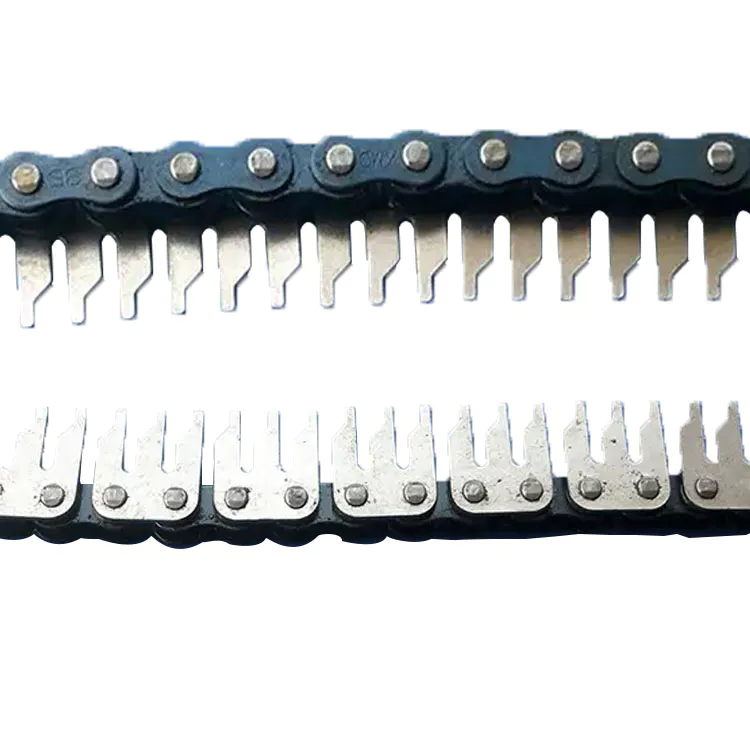
Can a conveyor chain be used in automotive assembly lines?
Yes, a conveyor chain can be effectively used in automotive assembly lines. Here are the reasons why:
1. Efficient Material Handling:
– Conveyor chains provide a reliable and efficient means of transporting automotive components and parts along the assembly line. They can handle heavy loads and withstand the demanding requirements of automotive manufacturing.
2. Versatility:
– Conveyor chains offer versatility in terms of design and configuration. They can be customized to accommodate various assembly processes, such as body welding, painting, assembly, and final inspection.
3. Precise Positioning:
– Conveyor chains allow precise positioning and synchronization of automotive components, ensuring accurate assembly and alignment during the production process. This helps maintain consistent quality and reduces errors.
4. Automation Integration:
– Conveyor chains can be easily integrated with automation systems in automotive assembly lines. They can work in conjunction with robotic arms, vision systems, and other automated equipment to optimize the production process and improve efficiency.
5. Assembly Line Flexibility:
– Conveyor chains provide flexibility in terms of line configuration and layout. They can be designed to accommodate different assembly line layouts, including straight sections, curves, inclines, and declines, to meet the specific requirements of automotive assembly processes.
6. Space Optimization:
– Conveyor chains help optimize space utilization in automotive assembly plants. They can be designed to navigate around existing equipment and infrastructure, making efficient use of available floor space.
7. Safety:
– Conveyor chains are designed with safety features to protect operators and prevent accidents. Emergency stop controls, guarding, and interlocking mechanisms ensure the safe operation of the assembly line.
8. Increased Production Speed:
– By using conveyor chains, automotive assembly lines can achieve higher production speeds, allowing for faster manufacturing cycles and increased output.
Overall, conveyor chains play a crucial role in enhancing the efficiency, productivity, and safety of automotive assembly lines, contributing to the smooth and streamlined production of vehicles.
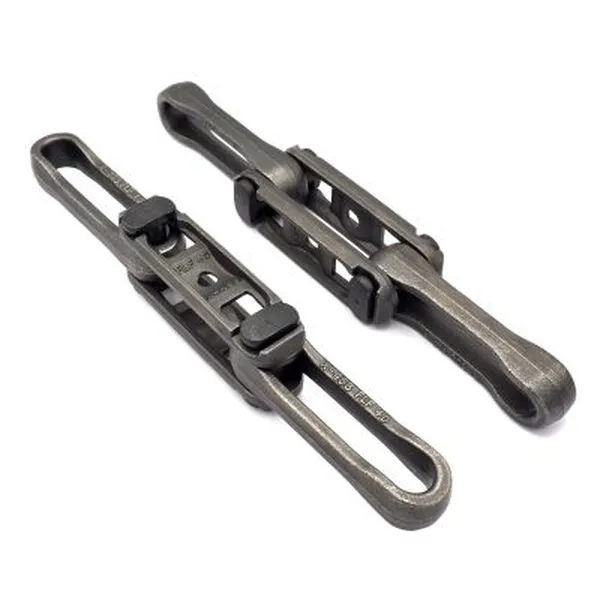
भारी-भरकम कन्वेयर चेन के साथ काम करते समय सुरक्षा उपाय क्या हैं?
भारी-भरकम कन्वेयर चेन के साथ काम करते समय, श्रमिकों की सुरक्षा और सुरक्षित कार्य वातावरण बनाए रखने के लिए सुरक्षा उपायों का कड़ाई से पालन करना आवश्यक है। यहाँ कुछ महत्वपूर्ण सुरक्षा उपाय दिए गए हैं जिन पर विचार करना चाहिए:
1. उचित प्रशिक्षण: कन्वेयर चेन के साथ काम करने वाले सभी कर्मियों को उपकरण के सुरक्षित संचालन और रखरखाव पर व्यापक प्रशिक्षण प्राप्त होना चाहिए। इसमें संभावित खतरों, सुरक्षा प्रक्रियाओं और व्यक्तिगत सुरक्षा उपकरणों (पीपीई) के उचित उपयोग को समझना शामिल है।
2. उपकरण निरीक्षण: कन्वेयर चेन और उससे जुड़े घटकों का नियमित निरीक्षण किसी भी प्रकार की टूट-फूट, क्षति या खराबी की पहचान करने के लिए अत्यंत महत्वपूर्ण है। इसमें ढीले फास्टनर, घिसे हुए स्प्रोकेट, गलत संरेखण और अन्य संभावित खतरों की जाँच शामिल है। दुर्घटनाओं से बचने के लिए किसी भी समस्या का तुरंत समाधान किया जाना चाहिए।
3. लॉकआउट/टैगआउट: कन्वेयर चेन पर किसी भी रखरखाव या मरम्मत कार्य को करने से पहले, उचित लॉकआउट/टैगआउट प्रक्रियाओं का पालन करना आवश्यक है। इससे यह सुनिश्चित होता है कि उपकरण बिजली के किसी भी स्रोत से अलग और निष्क्रिय हो गया है, जिससे आकस्मिक रूप से चालू होने या चलने से रोका जा सके।
4. व्यक्तिगत सुरक्षा उपकरण (पीपीई): श्रमिकों को उचित पीपीई पहनना चाहिए, जिसमें सुरक्षा चश्मे, दस्ताने, स्टील-टो वाले जूते और कान की सुरक्षा शामिल हैं। पीपीई की विशिष्ट आवश्यकताएं कार्य की प्रकृति और संभावित खतरों के आधार पर भिन्न हो सकती हैं।
5. सुरक्षित कार्य पद्धतियाँ: श्रमिकों को सुरक्षित कार्य पद्धतियों का पालन करना चाहिए, जैसे कि ढीले कपड़े या गहने पहनने से बचना जो चेन में फंस सकते हैं, हाथों और कपड़ों को चलते हुए हिस्सों से दूर रखना और भारी सामान उठाते समय उचित उठाने की तकनीकों का उपयोग करना।
6. आपातकालीन स्टॉप सिस्टम: कन्वेयर सिस्टम में आपातकालीन स्टॉप बटन या पुल कॉर्ड लगे होने चाहिए जो श्रमिकों को आपातकालीन या खतरनाक स्थिति में चेन को तुरंत रोकने की सुविधा प्रदान करते हैं।
7. नियमित रखरखाव: कन्वेयर चेन का निर्धारित रखरखाव और स्नेहन निर्माता की अनुशंसाओं के अनुसार किया जाना चाहिए। इससे इष्टतम प्रदर्शन सुनिश्चित करने और अप्रत्याशित विफलताओं के जोखिम को कम करने में मदद मिलती है।
8. स्पष्ट चेतावनी चिह्न और लेबल: श्रमिकों को संभावित खतरों और सुरक्षित संचालन प्रक्रियाओं की याद दिलाने के लिए कन्वेयर चेन सिस्टम के पास उचित संकेत, चेतावनी लेबल और सुरक्षा निर्देश स्पष्ट रूप से प्रदर्शित किए जाने चाहिए।
9. नियमित सुरक्षा प्रशिक्षण और संचार: कार्यबल के बीच निरंतर सुरक्षा प्रशिक्षण और संचार सुरक्षित प्रथाओं को सुदृढ़ करने और सुरक्षा प्रोटोकॉल में किसी भी बदलाव या अद्यतन के बारे में जागरूकता बढ़ाने के लिए महत्वपूर्ण हैं।
इन सुरक्षा उपायों को लागू करके और सुरक्षा के प्रति जागरूक संस्कृति को बढ़ावा देकर, भारी-भरकम कन्वेयर चेन के साथ काम करने से जुड़े जोखिमों को कम किया जा सकता है, जिससे श्रमिकों की सुरक्षा और उपकरणों के कुशल संचालन को सुनिश्चित किया जा सके।
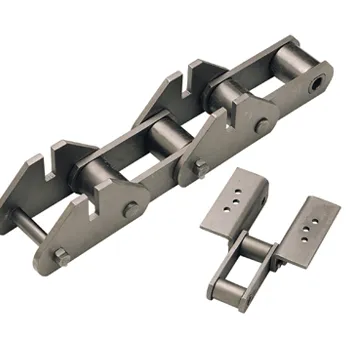
What are the maintenance requirements for a conveyor chain?
Maintaining a conveyor chain is essential to ensure its smooth operation and prolong its lifespan. Here are some key maintenance requirements for a conveyor chain:
- Regular Cleaning: Clean the conveyor chain regularly to remove dirt, debris, and contaminants that can contribute to chain wear and reduce performance. Use appropriate cleaning agents and tools to avoid damaging the chain.
- Lubrication: Apply the recommended lubricant to the conveyor chain according to the manufacturer’s guidelines. Lubrication helps reduce friction, minimize wear, and prevent corrosion.
- Tension Adjustment: Check the tension of the conveyor chain regularly and adjust it if necessary. Proper tension ensures smooth operation and prevents issues like chain slipping or excessive wear.
- Inspection: Conduct regular inspections of the conveyor chain to identify any signs of wear, damage, or misalignment. Look for issues such as worn sprockets, elongation, bent or damaged links, and loose connections. Address any problems promptly to prevent further damage.
- Replace Worn Components: If any components of the conveyor chain, such as links, pins, or sprockets, are excessively worn or damaged, they should be replaced. Using worn components can compromise the chain’s performance and lead to failure.
- Alignment: Ensure proper alignment of the conveyor chain by checking the alignment of sprockets, idlers, and other components. Misalignment can cause uneven wear and increase the risk of chain failure.
- Training and Education: Provide proper training to personnel responsible for operating and maintaining the conveyor chain. They should understand the maintenance requirements, safety protocols, and best practices to ensure effective and safe operation.
Following these maintenance requirements will help keep the conveyor chain in optimal condition, minimize downtime, and ensure safe and efficient material handling.


editor by CX 2023-09-15