Өнім сипаттамасы
Kasin group was established in 1989, and its first product is casting carrier trolley for power & free conveyor system. In 1995, CZPT purchased HangZhou Guoping Forging Factory (LYGP), a marketer of forging bolts & nuts to power & free line market in china. With this acquisition, CZPT positioned itself as 1 of major parts suppliers of monorail and power & free conveyor system in china.
and non-standard Sprocket.
In 2015, CZPT established itself machinery company/Kasin machinery(ZheJiang )Co.,Ltd., produced fleixible coupling, eg: FCL Coupling, NM Coupling, Curved Jaw Coupling, Chain Coupling andJaw Coupling.
Nowadays,Kasin is 1 of the biggest professional specialist of Engineering Class Conveyor Chain, Drop Forged Rivetless Chain, Forged Chain, Sugar Mill Chain, Bucket Elevator Chain, Flexible Couplings and 1
| Қолдану: | Electric Cars, Machinery, Marine, Agricultural Machinery |
|---|---|
| Hardness: | Hardened Tooth Surface |
| Gear Position: | External Gear |
| Manufacturing Method: | соғу |
| Материал: | 42CrMo4 |
| Тасымалдау пакеті: | Wooden Case |
| Үлгілер: | US$ 500/Set 1 Set(Min.Order) | |
|---|
| Теңшеу: | Қолжетімді | Теңшелген сұраныс |
|---|
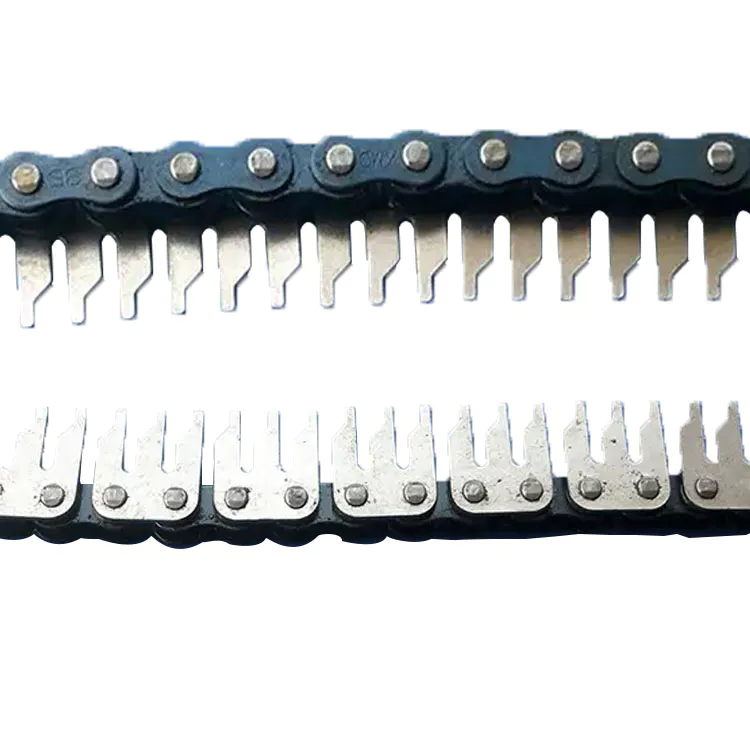
Автокөлік құрастыру желілерінде конвейер тізбегін пайдалануға бола ма?
Иә, конвейер тізбегін автомобиль құрастыру желілерінде тиімді пайдалануға болады. Міне, себептері:
1. Материалдарды тиімді өңдеу:
– Конвейерлік тізбектер автомобиль компоненттері мен бөлшектерін құрастыру желісі бойынша тасымалдаудың сенімді және тиімді құралын қамтамасыз етеді. Олар ауыр жүктемелерді көтере алады және автомобиль өндірісінің қатаң талаптарына төтеп бере алады.
2. Әмбебаптылық:
– Конвейер тізбектері дизайн және конфигурация тұрғысынан жан-жақтылықты ұсынады. Оларды корпусты дәнекерлеу, бояу, құрастыру және соңғы тексеру сияқты әртүрлі құрастыру процестеріне бейімдеуге болады.
3. Дәл орналастыру:
– Конвейер тізбектері автомобиль компоненттерін дәл орналастыруға және синхрондауға мүмкіндік береді, өндіріс процесінде дәл жинау мен туралауды қамтамасыз етеді. Бұл тұрақты сапаны сақтауға көмектеседі және қателіктерді азайтады.
4. Автоматтандыру интеграциясы:
– Конвейер тізбектерін автомобиль құрастыру желілеріндегі автоматтандыру жүйелерімен оңай біріктіруге болады. Олар өндіріс процесін оңтайландыру және тиімділікті арттыру үшін роботтық қолдармен, көру жүйелерімен және басқа да автоматтандырылған жабдықтармен бірге жұмыс істей алады.
5. Құрастыру желісінің икемділігі:
– Конвейер тізбектері желі конфигурациясы мен орналасуы тұрғысынан икемділікті қамтамасыз етеді. Олар автомобиль құрастыру процестерінің нақты талаптарын қанағаттандыру үшін түзу қималар, қисықтар, көлбеулер және құлауларды қоса алғанда, әртүрлі құрастыру желісінің орналасуын ескере отырып жобалануы мүмкін.
6. Кеңістікті оңтайландыру:
– Конвейерлік тізбектер автомобиль құрастыру зауыттарында кеңістікті пайдалануды оңтайландыруға көмектеседі. Оларды қолданыстағы жабдықтар мен инфрақұрылымды шарлауға, қолжетімді кеңістікті тиімді пайдалануға арналған етіп жобалауға болады.
7. Қауіпсіздік:
– Конвейер тізбектері операторларды қорғау және апаттардың алдын алу үшін қауіпсіздік құралдарымен жасалған. Апаттық тоқтатуды басқару, қорғау және блоктау механизмдері құрастыру желісінің қауіпсіз жұмысын қамтамасыз етеді.
8. Өндіріс жылдамдығының артуы:
– Конвейер тізбектерін пайдалану арқылы автомобиль құрастыру желілері өндіріс жылдамдығын арттыра алады, бұл өндіріс циклдерін жылдамдатуға және өнімділікті арттыруға мүмкіндік береді.
Жалпы алғанда, конвейерлік тізбектер автомобиль құрастыру желілерінің тиімділігін, өнімділігін және қауіпсіздігін арттыруда маңызды рөл атқарады, бұл көлік құралдарының үздіксіз және оңтайландырылған өндірісіне ықпал етеді.
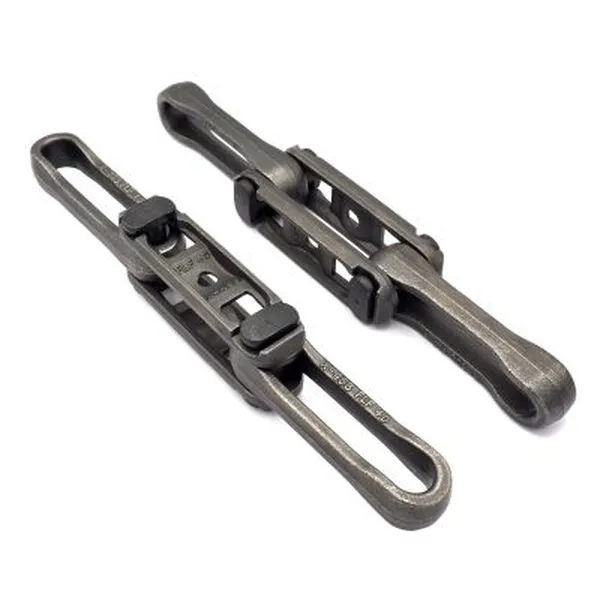
What are the safety measures for working with heavy-duty conveyor chains?
Working with heavy-duty conveyor chains requires strict adherence to safety measures to protect the workers and maintain a safe working environment. Here are some important safety measures to consider:
1. Proper Training: All personnel involved in working with conveyor chains should receive comprehensive training on the safe operation and maintenance of the equipment. This includes understanding the potential hazards, safety procedures, and proper use of personal protective equipment (PPE).
2. Equipment Inspection: Regular inspection of the conveyor chain and associated components is crucial to identify any signs of wear, damage, or malfunction. This includes checking for loose fasteners, worn sprockets, misalignment, and any other potential hazards. Any issues should be addressed promptly to prevent accidents.
3. Lockout/Tagout: Before performing any maintenance or repair tasks on the conveyor chain, proper lockout/tagout procedures must be followed. This ensures that the equipment is de-energized and isolated from any power source to prevent accidental startup or movement.
4. Personal Protective Equipment (PPE): Workers should wear appropriate PPE, including safety glasses, gloves, steel-toed boots, and hearing protection. The specific PPE requirements may vary depending on the nature of the work and the potential hazards involved.
5. Safe Work Practices: Workers should follow safe work practices, such as avoiding loose clothing or jewelry that can get caught in the chain, keeping hands and clothing clear of moving parts, and using proper lifting techniques when handling heavy loads.
6. Emergency Stop Systems: Conveyor systems should be equipped with emergency stop buttons or pull cords that allow workers to quickly stop the chain in case of an emergency or hazardous situation.
7. Regular Maintenance: Scheduled maintenance and lubrication of the conveyor chain should be performed according to the manufacturer’s recommendations. This helps to ensure optimal performance and minimize the risk of unexpected failures.
8. Clear Warning Signs and Labels: Proper signage, warning labels, and safety instructions should be clearly displayed near the conveyor chain system to remind workers of potential hazards and safe operating procedures.
9. Regular Safety Training and Communication: Ongoing safety training and communication among the workforce are vital to reinforce safe practices and raise awareness of any changes or updates to safety protocols.
By implementing these safety measures and fostering a safety-conscious culture, the risks associated with working with heavy-duty conveyor chains can be minimized, ensuring the well-being of the workers and the efficient operation of the equipment.
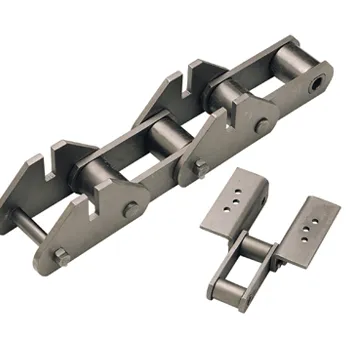
What are the maintenance requirements for a conveyor chain?
Maintaining a conveyor chain is essential to ensure its smooth operation and prolong its lifespan. Here are some key maintenance requirements for a conveyor chain:
- Regular Cleaning: Clean the conveyor chain regularly to remove dirt, debris, and contaminants that can contribute to chain wear and reduce performance. Use appropriate cleaning agents and tools to avoid damaging the chain.
- Lubrication: Apply the recommended lubricant to the conveyor chain according to the manufacturer’s guidelines. Lubrication helps reduce friction, minimize wear, and prevent corrosion.
- Tension Adjustment: Check the tension of the conveyor chain regularly and adjust it if necessary. Proper tension ensures smooth operation and prevents issues like chain slipping or excessive wear.
- Inspection: Conduct regular inspections of the conveyor chain to identify any signs of wear, damage, or misalignment. Look for issues such as worn sprockets, elongation, bent or damaged links, and loose connections. Address any problems promptly to prevent further damage.
- Replace Worn Components: If any components of the conveyor chain, such as links, pins, or sprockets, are excessively worn or damaged, they should be replaced. Using worn components can compromise the chain’s performance and lead to failure.
- Alignment: Ensure proper alignment of the conveyor chain by checking the alignment of sprockets, idlers, and other components. Misalignment can cause uneven wear and increase the risk of chain failure.
- Training and Education: Provide proper training to personnel responsible for operating and maintaining the conveyor chain. They should understand the maintenance requirements, safety protocols, and best practices to ensure effective and safe operation.
Following these maintenance requirements will help keep the conveyor chain in optimal condition, minimize downtime, and ensure safe and efficient material handling.


editor by CX 2023-09-15