Mô tả sản phẩm
Kasin group was established in 1989, and its first product is casting carrier trolley for power & free conveyor system. In 1995, CZPT purchased HangZhou Guoping Forging Factory (LYGP), a marketer of forging bolts & nuts to power & free line market in china. With this acquisition, CZPT positioned itself as 1 of major parts suppliers of monorail and power & free conveyor system in china.
and non-standard Sprocket.
In 2015, CZPT established itself machinery company/Kasin machinery(ZheJiang )Co.,Ltd., produced fleixible coupling, eg: FCL Coupling, NM Coupling, Curved Jaw Coupling, Chain Coupling andJaw Coupling.
Nowadays,Kasin is 1 of the biggest professional specialist of Engineering Class Conveyor Chain, Drop Forged Rivetless Chain, Forged Chain, Sugar Mill Chain, Bucket Elevator Chain, Flexible Couplings and 1
| Ứng dụng: | Electric Cars, Machinery, Marine, Agricultural Machinery |
|---|---|
| Hardness: | Hardened Tooth Surface |
| Gear Position: | External Gear |
| Manufacturing Method: | Rèn |
| Vật liệu: | 42CrMo4 |
| Transport Package: | Wooden Case |
| Mẫu: | US$ 500/Set 1 Set(Min.Order) | |
|---|
| Tùy chỉnh: | Có sẵn | Yêu cầu tùy chỉnh |
|---|
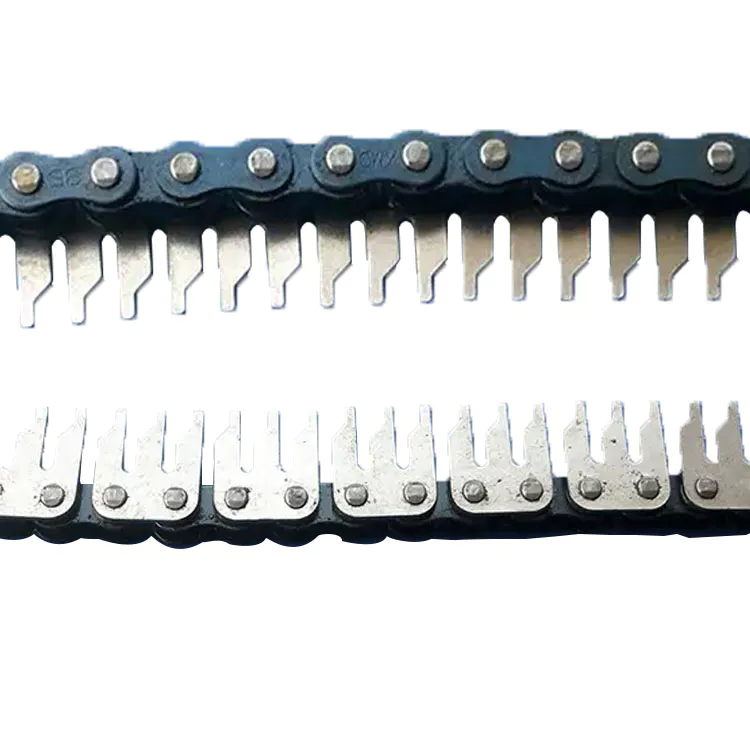
Liệu xích tải có thể được sử dụng trong dây chuyền lắp ráp ô tô không?
Đúng vậy, xích tải có thể được sử dụng hiệu quả trong dây chuyền lắp ráp ô tô. Dưới đây là những lý do:
1. Vận chuyển vật liệu hiệu quả:
– Hệ thống băng tải cung cấp phương tiện vận chuyển đáng tin cậy và hiệu quả các linh kiện và phụ tùng ô tô dọc theo dây chuyền lắp ráp. Chúng có thể chịu được tải trọng nặng và đáp ứng các yêu cầu khắt khe của ngành sản xuất ô tô.
2. Tính đa năng:
– Hệ thống xích tải mang lại tính linh hoạt về thiết kế và cấu hình. Chúng có thể được tùy chỉnh để phù hợp với nhiều quy trình lắp ráp khác nhau, chẳng hạn như hàn thân xe, sơn, lắp ráp và kiểm tra cuối cùng.
3. Định vị chính xác:
– Hệ thống băng tải cho phép định vị và đồng bộ hóa chính xác các linh kiện ô tô, đảm bảo lắp ráp và căn chỉnh chính xác trong quá trình sản xuất. Điều này giúp duy trì chất lượng ổn định và giảm thiểu sai sót.
4. Tích hợp tự động hóa:
– Hệ thống băng tải có thể dễ dàng tích hợp với các hệ thống tự động hóa trong dây chuyền lắp ráp ô tô. Chúng có thể hoạt động cùng với cánh tay robot, hệ thống thị giác và các thiết bị tự động khác để tối ưu hóa quy trình sản xuất và nâng cao hiệu quả.
5. Tính linh hoạt của dây chuyền lắp ráp:
– Hệ thống băng tải mang lại sự linh hoạt về cấu hình và bố trí dây chuyền. Chúng có thể được thiết kế để phù hợp với nhiều bố cục dây chuyền lắp ráp khác nhau, bao gồm các đoạn thẳng, đường cong, đoạn dốc lên và dốc xuống, nhằm đáp ứng các yêu cầu cụ thể của quy trình lắp ráp ô tô.
6. Tối ưu hóa không gian:
– Hệ thống băng tải giúp tối ưu hóa việc sử dụng không gian trong các nhà máy lắp ráp ô tô. Chúng có thể được thiết kế để di chuyển xung quanh các thiết bị và cơ sở hạ tầng hiện có, tận dụng hiệu quả diện tích sàn.
7. An toàn:
– Hệ thống băng tải được thiết kế với các tính năng an toàn để bảo vệ người vận hành và ngăn ngừa tai nạn. Các bộ điều khiển dừng khẩn cấp, tấm chắn bảo vệ và cơ cấu khóa liên động đảm bảo hoạt động an toàn của dây chuyền lắp ráp.
8. Tăng tốc độ sản xuất:
– Bằng cách sử dụng băng tải xích, dây chuyền lắp ráp ô tô có thể đạt được tốc độ sản xuất cao hơn, cho phép chu kỳ sản xuất nhanh hơn và sản lượng tăng lên.
Nhìn chung, hệ thống băng tải đóng vai trò quan trọng trong việc nâng cao hiệu quả, năng suất và độ an toàn của dây chuyền lắp ráp ô tô, góp phần vào quá trình sản xuất xe diễn ra suôn sẻ và hiệu quả.
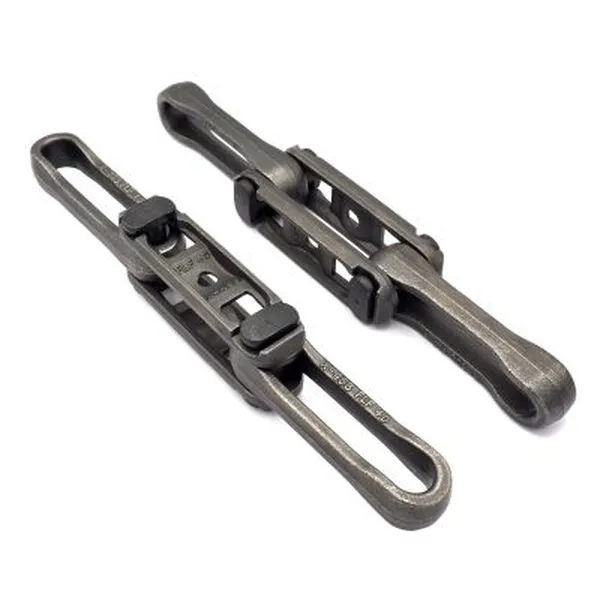
Cần thực hiện những biện pháp an toàn nào khi làm việc với xích tải hạng nặng?
Làm việc với các băng tải hạng nặng đòi hỏi phải tuân thủ nghiêm ngặt các biện pháp an toàn để bảo vệ người lao động và duy trì môi trường làm việc an toàn. Dưới đây là một số biện pháp an toàn quan trọng cần xem xét:
1. Đào tạo bài bản: Tất cả nhân viên tham gia vận hành hệ thống băng tải cần được đào tạo toàn diện về vận hành và bảo trì thiết bị một cách an toàn. Điều này bao gồm việc hiểu rõ các mối nguy hiểm tiềm ẩn, các quy trình an toàn và cách sử dụng đúng cách thiết bị bảo hộ cá nhân (PPE).
2. Kiểm tra thiết bị: Việc kiểm tra thường xuyên xích băng tải và các bộ phận liên quan là rất quan trọng để phát hiện bất kỳ dấu hiệu hao mòn, hư hỏng hoặc trục trặc nào. Điều này bao gồm kiểm tra các ốc vít bị lỏng, bánh răng bị mòn, sự lệch trục và bất kỳ mối nguy hiểm tiềm ẩn nào khác. Bất kỳ vấn đề nào cũng cần được giải quyết kịp thời để ngăn ngừa tai nạn.
3. Quy trình khóa/gắn thẻ an toàn: Trước khi thực hiện bất kỳ công việc bảo trì hoặc sửa chữa nào trên băng tải, phải tuân thủ đúng quy trình khóa/gắn thẻ an toàn. Điều này đảm bảo thiết bị được ngắt điện và cách ly khỏi bất kỳ nguồn điện nào để ngăn ngừa việc khởi động hoặc chuyển động ngoài ý muốn.
4. Trang thiết bị bảo hộ cá nhân (PPE): Người lao động cần đeo các trang thiết bị bảo hộ cá nhân phù hợp, bao gồm kính bảo hộ, găng tay, giày bảo hộ mũi thép và thiết bị bảo vệ tai. Các yêu cầu cụ thể về trang thiết bị bảo hộ cá nhân có thể khác nhau tùy thuộc vào tính chất công việc và các mối nguy hiểm tiềm ẩn.
5. Các biện pháp an toàn khi làm việc: Người lao động cần tuân thủ các biện pháp an toàn khi làm việc, chẳng hạn như tránh mặc quần áo rộng hoặc đeo trang sức có thể bị vướng vào dây xích, giữ tay và quần áo tránh xa các bộ phận chuyển động và sử dụng kỹ thuật nâng vật đúng cách khi xử lý vật nặng.
6. Hệ thống dừng khẩn cấp: Hệ thống băng tải cần được trang bị các nút dừng khẩn cấp hoặc dây kéo để người lao động có thể nhanh chóng dừng băng tải trong trường hợp khẩn cấp hoặc tình huống nguy hiểm.
7. Bảo trì định kỳ: Việc bảo trì và bôi trơn xích băng tải cần được thực hiện theo lịch trình và theo khuyến nghị của nhà sản xuất. Điều này giúp đảm bảo hiệu suất tối ưu và giảm thiểu nguy cơ hỏng hóc bất ngờ.
8. Biển báo và nhãn cảnh báo rõ ràng: Biển báo, nhãn cảnh báo và hướng dẫn an toàn cần được đặt rõ ràng gần hệ thống băng tải để nhắc nhở người lao động về các mối nguy hiểm tiềm ẩn và quy trình vận hành an toàn.
9. Đào tạo và truyền đạt thông tin an toàn thường xuyên: Đào tạo và truyền đạt thông tin an toàn liên tục trong toàn bộ lực lượng lao động là rất quan trọng để củng cố các thực hành an toàn và nâng cao nhận thức về bất kỳ thay đổi hoặc cập nhật nào đối với các quy trình an toàn.
Bằng cách thực hiện các biện pháp an toàn này và thúc đẩy văn hóa ý thức an toàn, các rủi ro liên quan đến việc vận hành các băng tải hạng nặng có thể được giảm thiểu, đảm bảo an toàn cho người lao động và hiệu quả hoạt động của thiết bị.
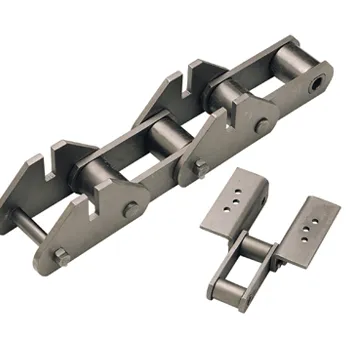
What are the maintenance requirements for a conveyor chain?
Maintaining a conveyor chain is essential to ensure its smooth operation and prolong its lifespan. Here are some key maintenance requirements for a conveyor chain:
- Regular Cleaning: Clean the conveyor chain regularly to remove dirt, debris, and contaminants that can contribute to chain wear and reduce performance. Use appropriate cleaning agents and tools to avoid damaging the chain.
- Bôi trơn: Apply the recommended lubricant to the conveyor chain according to the manufacturer’s guidelines. Lubrication helps reduce friction, minimize wear, and prevent corrosion.
- Tension Adjustment: Check the tension of the conveyor chain regularly and adjust it if necessary. Proper tension ensures smooth operation and prevents issues like chain slipping or excessive wear.
- Inspection: Conduct regular inspections of the conveyor chain to identify any signs of wear, damage, or misalignment. Look for issues such as worn sprockets, elongation, bent or damaged links, and loose connections. Address any problems promptly to prevent further damage.
- Replace Worn Components: If any components of the conveyor chain, such as links, pins, or sprockets, are excessively worn or damaged, they should be replaced. Using worn components can compromise the chain’s performance and lead to failure.
- Alignment: Ensure proper alignment of the conveyor chain by checking the alignment of sprockets, idlers, and other components. Misalignment can cause uneven wear and increase the risk of chain failure.
- Training and Education: Provide proper training to personnel responsible for operating and maintaining the conveyor chain. They should understand the maintenance requirements, safety protocols, and best practices to ensure effective and safe operation.
Following these maintenance requirements will help keep the conveyor chain in optimal condition, minimize downtime, and ensure safe and efficient material handling.


editor by CX 2023-09-15