Penerangan Produk
About Factory
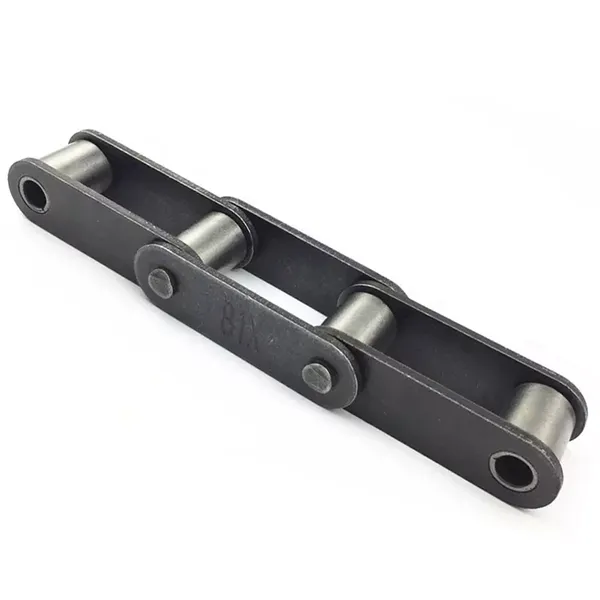
With more than 18 years’ histiory, we are a professinal manufacturer for drop forged products such as forged chain (X348 X458 X658 X678 X698 F100 F160), scraper chain (10160, 14218, 14226, 142N), conveyor trolley (X348, X458, X678, XT160), and drive chain (X348, X458, X678), and so forth standard moulds of chain.
Besides, we can also produce as per your drawing or sample, special link chain, pusher, pin and plate, according to customers’ unique requirements.
Penerangan Produk
1) Material: Alloy steel, 40Cr, 42CrMo and so on.
2) Types: 10160, 14218, 14226, 2571, 26014, 142N, 150D, S30, and so on. (Or as per your drawing)
3) Process: Moulding→Forging→Polishing & Blasting→Fine machining→Heat treatment→Blasting→Inspecting & testing→Packing
Product Show
Technical Data
| Model | Padang | Dimension | Lateral Corner | Standard Measured Length (mm) | Measured Quantity | Tensile Strength (KN) | Weight (Kg/m) | |||||
| A | F | G | J | K | S | |||||||
| 80H | 80 | 73 | 42 | 18.4 | 20 | 34.5 | 19.5 | 7 | 3032/3058 | 38 | 250 | 7.8 |
| X348 | 76.6 | 46 | 27 | 12.7 | 12.7 | 20.6 | 13.5 | 9 | 3050.5/3095.2 | 40 | 110 | 3.2 |
| X458 | 102.4 | 57 | 37 | 16 | 16 | 26.5 | 17.5 | 9 | 3063.1/3090.2 | 30 | 210 | 5.2 |
| 468H | 102.4 | 84.1 | 47.8 | 18 | 29.5 | 42.9 | 22.2 | 9 | 3063.1/3090.2 | 30 | 318 | 11.5 |
| X658 | 153.2 | 55.6 | 35 | 16 | 16 | 57.2 | 17.5 | 7 | 3055.1/3082.8 | 20 | 210 | 4 |
| X678 | 153.2 | 77 | 50.8 | 22.2 | 21 | 34.2 | 25 | 7 | 3055.1/3082.8 | 20 | 320 | 9.5 |
| 678 | 153.2 | 77 | 50.8 | 22.2 | 21 | 34.2 | 25 | 7 | 3055.1/3082.8 | 20 | 320 | 9.5 |
| 698 | 153.2 | 95.25 | 64 | 28 | 25.4 | 41.3 | 32 | 5 | 3055.1/3082.8 | 20 | 515 | 17 |
| 998 | 229.4 | 95.25 | 67.5 | 28 | 25.4 | 41.3 | 32 | 5 | 3205/3232.4 | 13 | 515 | 14.8 |
| 9118 | 229.4 | 123.8 | 76.2 | 35 | 33.5 | 52 | 38.1 | 5 | 3205/3232.4 | 13 | 832 | 24.2 |
| S348 | 76.6 | 38.9 | 28.6 | 12.7 | 12.7 | 20.6 | 13.5 | 9 | 3050.5/3095.2 | 40 | 110 | 3.2 |
| S458 | 102.4 | 52.1 | 35 | 16 | 16 | 26.5 | 17.5 | 9 | 3063.1/3090.2 | 30 | 210 | 5.2 |
| S678 | 153.2 | 69.8 | 50.8 | 22.2 | 21 | 34.2 | 25 | 7 | 3055.1/3082.8 | 20 | 320 | 9.5 |
| S698 | 153.2 | 73 | 68.3 | 28 | 25.4 | 41.3 | 32 | 5 | 3055.1/3082.8 | 20 | 515 | 17 |
| S9118 | 229.4 | 98.4 | 77.8 | 35 | 33.5 | 52 | 38.1 | 5 | 3205/3232.4 | 13 | 832 | 24.2 |
| F100 | 100 | 57 | 37 | 16 | 16 | 26.5 | 17.5 | 9 | 2991.3/3018.3 | 30 | 210 | 5.2 |
| F160 | 160 | 78 | 54 | 24 | 20.5 | 36 | 28 | 7 | 3190.7/3219.5 | 20 | 318 | 10.3 |
Products & Testing Equipments
Products Application
Packing & Delivery
Mengapa Pilih Kami?
1. We are engaged in chain industry over 15 years with rich market experience. We keep improving production techniques. All the products have longer working life and have passed the market test.
2. We can design the correct chains with high quality material, good abrasion resistance, good corrosion, high strengthen and etc as per your request or the chain application.
3. We are the chain manufacturer; you can directly purchase the product from us with low price and high quality.
4. We have a professional team for international trade, they have abundant experiences and are always ready to solve problems for customers. So you have nothing to worry about.
5. We have the long-term cooperative forwarder who can give us the lowest freight. And it can help you to save the freight. What’s more, for the FCL, we will design the packages as per the container sizes with the largest capacity to save the shipping cost for both of us.
| Bahan: | Aloi |
|---|---|
| Struktur: | Combined Chain |
| Rawatan Permukaan: | Penggilapan |
| Saiz Rantai: | 1/2"*11/128" |
| Ciri: | Fire Resistant, Oil Resistant, Heat Resistant |
| Mould Number: | 10160, 14218, 14226, 20028, 26014, 142n, 150d, S30 |
| Sampel: | US$ 5/Piece 1 Keping (Pesanan Minimum) | |
|---|
| Penyesuaian: | Tersedia | Permintaan Tersuai |
|---|

How do you ensure proper tensioning and alignment of a conveyor chain?
Proper tensioning and alignment are essential for the efficient and reliable operation of a conveyor chain. Here are the steps to ensure correct tensioning and alignment:
1. Initial Installation:
– Ensure that the conveyor frame and supports are properly aligned and leveled before installing the chain. Any misalignment or unevenness can lead to tensioning and alignment issues.
– Follow the manufacturer’s guidelines and specifications for chain installation. This includes proper placement of sprockets, tensioners, and guides.
2. Tensioning:
– Adjust the tension of the chain to the manufacturer’s recommended specifications. Proper tension prevents excessive sagging or tightness, reducing wear and extending the chain’s life.
– Use tensioning devices, such as adjustable take-up units or tensioning screws, to achieve the desired tension. Refer to the manufacturer’s guidelines for the appropriate method of tensioning for your specific conveyor chain.
– Regularly check and adjust the tension as needed. Factors such as chain wear, load variations, and temperature changes can affect the chain’s tension over time.
3. Alignment:
– Check the alignment of the chain with respect to the sprockets and guides. Misalignment can cause uneven wear, increased friction, and premature failure of the chain.
– Inspect the alignment by visually examining the chain’s path along the sprockets and guides. It should run smoothly without any signs of rubbing or excessive deviation.
– Use alignment tools, such as laser alignment devices or straightedges, to accurately assess and correct any misalignment. Adjust the position of sprockets, guides, and supports as necessary.
4. Regular Maintenance:
– Implement a scheduled maintenance program to regularly inspect and maintain proper tensioning and alignment of the conveyor chain.
– Monitor the chain’s performance, including wear patterns, noise levels, and power consumption, as indicators of potential tensioning or alignment issues.
– Keep the chain clean and free from debris or contaminants that can affect its movement and alignment.
By following these steps and regularly monitoring the tensioning and alignment of the conveyor chain, you can ensure smooth and reliable operation, minimize chain wear, and reduce the risk of unexpected failures.
Apakah trend dan kemajuan masa hadapan dalam teknologi rantaian penghantar?
Bidang teknologi rantaian penghantar sentiasa berkembang, didorong oleh keperluan untuk meningkatkan kecekapan, produktiviti dan kemampanan. Berikut adalah beberapa trend dan kemajuan masa hadapan dalam teknologi rantaian penghantar:
1. Automasi dan robotik: Integrasi rantai penghantar dengan sistem automasi dan robotik merupakan trend yang semakin berkembang. Ini termasuk penggunaan sensor canggih, penglihatan mesin dan kecerdasan buatan untuk membolehkan operasi autonomi, kedudukan yang tepat dan pengendalian bahan yang cekap.
2. Sistem pintar dan terhubung: Rantai penghantar semakin terhubung melalui teknologi Internet Pelbagai Benda (IoT). Ini membolehkan pemantauan masa nyata, pengumpulan data dan analisis pelbagai parameter prestasi seperti haus rantai, ketegangan, suhu dan penggunaan tenaga. Sistem pintar boleh mengoptimumkan jadual penyelenggaraan, mengesan potensi kegagalan dan meningkatkan kecekapan sistem keseluruhan.
3. Bahan ringan dan berkekuatan tinggi: Pembangunan bahan ringan tetapi berkekuatan tinggi merupakan tumpuan berterusan dalam teknologi rantaian penghantar. Aloi, komposit dan plastik kejuruteraan termaju menawarkan nisbah kekuatan kepada berat yang lebih baik, mengurangkan penggunaan tenaga dan meningkatkan kapasiti beban sistem penghantar.
4. Kecekapan tenaga: Kecekapan tenaga merupakan pertimbangan utama dalam reka bentuk rantai penghantar. Kemajuan masa hadapan bertujuan untuk meminimumkan penggunaan kuasa melalui penggunaan sistem pemacu yang cekap, brek regeneratif dan algoritma kawalan pintar yang mengoptimumkan profil kelajuan dan pecutan. Teknologi pemulihan tenaga, seperti pemacu regeneratif, juga boleh menangkap dan menggunakan semula tenaga semasa nyahpecutan atau brek.
5. Kelestarian dan keramahan alam sekitar: Teknologi rantai penghantar sedang menuju ke arah penyelesaian yang lebih lestari dan mesra alam. Ini termasuk penggunaan bahan mesra alam, teknik pelinciran yang lebih baik untuk meminimumkan impak alam sekitar, dan penggunaan komponen dan sistem yang cekap tenaga. Konsep kitar semula dan ekonomi kitaran juga semakin mendapat perhatian dalam reka bentuk dan pembuatan rantai penghantar.
6. Pemantauan haus lanjutan dan penyelenggaraan ramalan: Masa depan teknologi rantai penghantar melibatkan sistem pemantauan haus lanjutan yang dapat meramalkan baki hayat berguna rantai dan komponen dengan tepat. Ini membolehkan perancangan penyelenggaraan proaktif dan mengurangkan masa henti yang tidak dirancang. Algoritma penyelenggaraan ramalan menganalisis data yang dikumpul daripada sensor dan memberikan amaran tepat pada masanya untuk penggantian atau pembaikan rantai.
Ini hanyalah beberapa contoh trend dan kemajuan masa hadapan dalam teknologi rantaian penghantar. Seiring dengan kemajuan teknologi, kita boleh menjangkakan inovasi selanjutnya yang dapat meningkatkan prestasi, kecekapan, kebolehpercayaan dan kemampanan dalam sistem penghantar.
What are the common causes of conveyor chain failures?
Conveyor chain failures can occur due to various reasons, and identifying the root cause is crucial for preventing future issues. Here are some common causes of conveyor chain failures:
- Lack of Lubrication: Insufficient or improper lubrication can lead to increased friction and wear on the chain components, resulting in premature failure.
- Excessive Load: Overloading the conveyor chain beyond its rated capacity can cause excessive stress and strain, leading to chain elongation, deformation, or link breakage.
- Misalignment: Improper alignment of the conveyor chain can cause uneven loading and excessive wear on specific areas, leading to chain failure.
- Environmental Factors: Harsh operating environments, such as high temperatures, corrosive substances, or abrasive materials, can accelerate chain wear and corrosion, leading to failure.
- Foreign Objects: The presence of foreign objects or debris on the conveyor system can interfere with the movement of the chain, causing jamming, binding, or chain damage.
- Poor Maintenance: Inadequate maintenance practices, such as irregular inspections, failure to address minor issues promptly, or neglecting to replace worn components, can contribute to chain failures.
- Incorrect Installation: Improper installation, including incorrect tensioning, misalignment, or using incompatible components, can result in premature chain failure.
- Fatigue and Wear: Continuous operation over time can lead to fatigue and wear in the chain, especially in high-speed or heavy-duty applications, resulting in eventual failure.
Regular maintenance, proper lubrication, adequate training for operators, and adherence to manufacturer guidelines can help mitigate these common causes of conveyor chain failures. Conducting routine inspections, promptly addressing issues, and replacing worn components can also significantly extend the life of the conveyor chain.


editor by CX 2023-11-20