Produktbeschreibung
About Factory
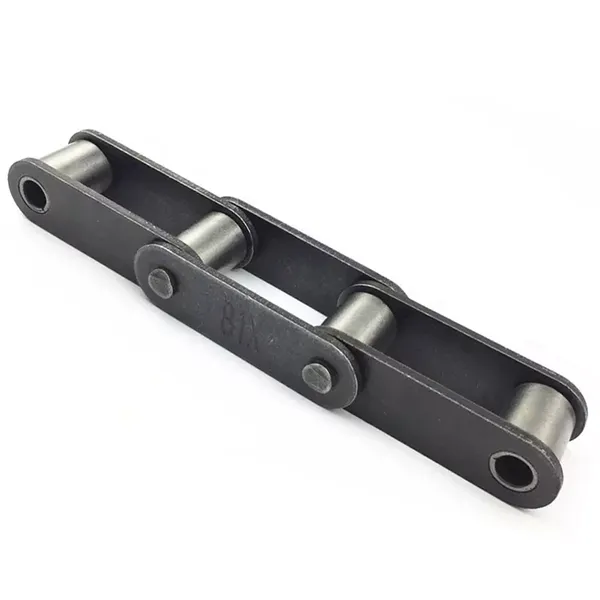
With more than 18 years’ histiory, we are a professinal manufacturer for drop forged products such as forged chain (X348 X458 X658 X678 X698 F100 F160), scraper chain (10160, 14218, 14226, 142N), conveyor trolley (X348, X458, X678, XT160), and drive chain (X348, X458, X678), and so forth standard moulds of chain.
Besides, we can also produce as per your drawing or sample, special link chain, pusher, pin and plate, according to customers’ unique requirements.
Produktbeschreibung
1) Material: Alloy steel, 40Cr, 42CrMo and so on.
2) Types: 10160, 14218, 14226, 2571, 26014, 142N, 150D, S30, and so on. (Or as per your drawing)
3) Process: Moulding→Forging→Polishing & Blasting→Fine machining→Heat treatment→Blasting→Inspecting & testing→Packing
Product Show
Technical Data
| Model | Tonhöhe | Dimension | Lateral Corner | Standard Measured Length (mm) | Measured Quantity | Tensile Strength (KN) | Weight (Kg/m) | |||||
| A | F | G | J | K | S | |||||||
| 80H | 80 | 73 | 42 | 18.4 | 20 | 34.5 | 19.5 | 7 | 3032/3058 | 38 | 250 | 7.8 |
| X348 | 76.6 | 46 | 27 | 12.7 | 12.7 | 20.6 | 13.5 | 9 | 3050.5/3095.2 | 40 | 110 | 3.2 |
| X458 | 102.4 | 57 | 37 | 16 | 16 | 26.5 | 17.5 | 9 | 3063.1/3090.2 | 30 | 210 | 5.2 |
| 468H | 102.4 | 84.1 | 47.8 | 18 | 29.5 | 42.9 | 22.2 | 9 | 3063.1/3090.2 | 30 | 318 | 11.5 |
| X658 | 153.2 | 55.6 | 35 | 16 | 16 | 57.2 | 17.5 | 7 | 3055.1/3082.8 | 20 | 210 | 4 |
| X678 | 153.2 | 77 | 50.8 | 22.2 | 21 | 34.2 | 25 | 7 | 3055.1/3082.8 | 20 | 320 | 9.5 |
| 678 | 153.2 | 77 | 50.8 | 22.2 | 21 | 34.2 | 25 | 7 | 3055.1/3082.8 | 20 | 320 | 9.5 |
| 698 | 153.2 | 95.25 | 64 | 28 | 25.4 | 41.3 | 32 | 5 | 3055.1/3082.8 | 20 | 515 | 17 |
| 998 | 229.4 | 95.25 | 67.5 | 28 | 25.4 | 41.3 | 32 | 5 | 3205/3232.4 | 13 | 515 | 14.8 |
| 9118 | 229.4 | 123.8 | 76.2 | 35 | 33.5 | 52 | 38.1 | 5 | 3205/3232.4 | 13 | 832 | 24.2 |
| S348 | 76.6 | 38.9 | 28.6 | 12.7 | 12.7 | 20.6 | 13.5 | 9 | 3050.5/3095.2 | 40 | 110 | 3.2 |
| S458 | 102.4 | 52.1 | 35 | 16 | 16 | 26.5 | 17.5 | 9 | 3063.1/3090.2 | 30 | 210 | 5.2 |
| S678 | 153.2 | 69.8 | 50.8 | 22.2 | 21 | 34.2 | 25 | 7 | 3055.1/3082.8 | 20 | 320 | 9.5 |
| S698 | 153.2 | 73 | 68.3 | 28 | 25.4 | 41.3 | 32 | 5 | 3055.1/3082.8 | 20 | 515 | 17 |
| S9118 | 229.4 | 98.4 | 77.8 | 35 | 33.5 | 52 | 38.1 | 5 | 3205/3232.4 | 13 | 832 | 24.2 |
| F100 | 100 | 57 | 37 | 16 | 16 | 26.5 | 17.5 | 9 | 2991.3/3018.3 | 30 | 210 | 5.2 |
| F160 | 160 | 78 | 54 | 24 | 20.5 | 36 | 28 | 7 | 3190.7/3219.5 | 20 | 318 | 10.3 |
Products & Testing Equipments
Products Application
Packing & Delivery
Why Choose Us?
1. We are engaged in chain industry over 15 years with rich market experience. We keep improving production techniques. All the products have longer working life and have passed the market test.
2. We can design the correct chains with high quality material, good abrasion resistance, good corrosion, high strengthen and etc as per your request or the chain application.
3. We are the chain manufacturer; you can directly purchase the product from us with low price and high quality.
4. We have a professional team for international trade, they have abundant experiences and are always ready to solve problems for customers. So you have nothing to worry about.
5. We have the long-term cooperative forwarder who can give us the lowest freight. And it can help you to save the freight. What’s more, for the FCL, we will design the packages as per the container sizes with the largest capacity to save the shipping cost for both of us.
| Material: | Legierung |
|---|---|
| Struktur: | Kombinierte Kette |
| Oberflächenbehandlung: | Polieren |
| Kettengröße: | 1/2"*11/128" |
| Besonderheit: | Fire Resistant, Oil Resistant, Heat Resistant |
| Mould Number: | 10160, 14218, 14226, 20028, 26014, 142n, 150d, S30 |
| Proben: | US$ 5/Piece 1 Stück (Mindestbestellmenge) | |
|---|
| Anpassung: | Verfügbar | Kundenspezifische Anfrage |
|---|

Wie stellt man die korrekte Spannung und Ausrichtung einer Förderkette sicher?
Die richtige Kettenspannung und Ausrichtung sind für den effizienten und zuverlässigen Betrieb einer Förderkette unerlässlich. Hier sind die Schritte zur Sicherstellung der korrekten Kettenspannung und Ausrichtung:
1. Erstinstallation:
– Stellen Sie vor der Kettenmontage sicher, dass der Förderbandrahmen und die Stützen korrekt ausgerichtet und waagerecht sind. Jegliche Fehlausrichtung oder Unebenheit kann zu Spannungs- und Ausrichtungsproblemen führen.
– Beachten Sie die Richtlinien und Spezifikationen des Herstellers für die Kettenmontage. Dies umfasst die korrekte Positionierung von Kettenrädern, Kettenspannern und Kettenführungen.
2. Vorspannung:
– Stellen Sie die Kettenspannung gemäß den Herstellervorgaben ein. Die richtige Spannung verhindert übermäßiges Durchhängen oder Straffen der Kette, reduziert den Verschleiß und verlängert ihre Lebensdauer.
– Verwenden Sie Spannvorrichtungen wie verstellbare Spannvorrichtungen oder Spannschrauben, um die gewünschte Spannung zu erreichen. Beachten Sie die Herstellerangaben zur geeigneten Spannmethode für Ihre spezifische Förderkette.
Die Kettenspannung sollte regelmäßig überprüft und gegebenenfalls angepasst werden. Faktoren wie Kettenverschleiß, Lastschwankungen und Temperaturänderungen können die Kettenspannung im Laufe der Zeit beeinflussen.
3. Ausrichtung:
– Überprüfen Sie die Ausrichtung der Kette in Bezug auf die Kettenräder und Führungen. Eine falsche Ausrichtung kann zu ungleichmäßigem Verschleiß, erhöhter Reibung und vorzeitigem Kettenverschleiß führen.
– Überprüfen Sie die Ausrichtung, indem Sie den Verlauf der Kette entlang der Kettenräder und Führungen visuell kontrollieren. Sie sollte reibungslos laufen, ohne Anzeichen von Reibung oder übermäßiger Abweichung.
– Verwenden Sie Ausrichtungshilfen wie Laser-Ausrichtgeräte oder Lineale, um etwaige Fehlausrichtungen genau zu erkennen und zu korrigieren. Passen Sie die Position von Kettenrädern, Führungen und Stützen gegebenenfalls an.
4. Regelmäßige Wartung:
– Führen Sie ein planmäßiges Wartungsprogramm ein, um die korrekte Spannung und Ausrichtung der Förderkette regelmäßig zu überprüfen und aufrechtzuerhalten.
– Überwachen Sie die Leistung der Kette, einschließlich Verschleißmuster, Geräuschpegel und Stromverbrauch, als Indikatoren für mögliche Spannungs- oder Ausrichtungsprobleme.
– Halten Sie die Kette sauber und frei von Ablagerungen oder Verunreinigungen, die ihre Bewegung und Ausrichtung beeinträchtigen könnten.
Durch Befolgen dieser Schritte und regelmäßiges Überprüfen der Spannung und Ausrichtung der Förderkette können Sie einen reibungslosen und zuverlässigen Betrieb gewährleisten, den Kettenverschleiß minimieren und das Risiko unerwarteter Ausfälle verringern.
What are the future trends and advancements in conveyor chain technology?
The field of conveyor chain technology is constantly evolving, driven by the need for improved efficiency, productivity, and sustainability. Here are some of the future trends and advancements in conveyor chain technology:
1. Automation and robotics: The integration of conveyor chains with automation and robotics systems is a growing trend. This includes the use of advanced sensors, machine vision, and artificial intelligence to enable autonomous operation, precise positioning, and efficient material handling.
2. Smart and connected systems: Conveyor chains are becoming increasingly connected through the Internet of Things (IoT) technology. This allows for real-time monitoring, data collection, and analysis of various performance parameters such as chain wear, tension, temperature, and energy consumption. Smart systems can optimize maintenance schedules, detect potential failures, and improve overall system efficiency.
3. Lightweight and high-strength materials: The development of lightweight yet high-strength materials is an ongoing focus in conveyor chain technology. Advanced alloys, composites, and engineered plastics offer improved strength-to-weight ratios, reducing energy consumption and increasing the load capacity of conveyor systems.
4. Energy efficiency: Energy efficiency is a key consideration in conveyor chain design. Future advancements aim to minimize power consumption through the use of efficient drive systems, regenerative braking, and smart control algorithms that optimize speed and acceleration profiles. Energy recovery technologies, such as regenerative drives, can also capture and reuse energy during deceleration or braking.
5. Sustainability and environmental friendliness: Conveyor chain technology is moving towards more sustainable and environmentally friendly solutions. This includes the use of eco-friendly materials, improved lubrication techniques to minimize environmental impact, and the adoption of energy-efficient components and systems. Recycling and circular economy concepts are also gaining prominence in the design and manufacturing of conveyor chains.
6. Advanced wear monitoring and predictive maintenance: The future of conveyor chain technology involves advanced wear monitoring systems that can accurately predict the remaining useful life of chains and components. This enables proactive maintenance planning and reduces unplanned downtime. Predictive maintenance algorithms analyze data collected from sensors and provide timely alerts for chain replacement or repair.
These are just a few examples of the future trends and advancements in conveyor chain technology. As technology continues to advance, we can expect further innovations that enhance performance, efficiency, reliability, and sustainability in conveyor systems.
What are the common causes of conveyor chain failures?
Conveyor chain failures can occur due to various reasons, and identifying the root cause is crucial for preventing future issues. Here are some common causes of conveyor chain failures:
- Lack of Lubrication: Insufficient or improper lubrication can lead to increased friction and wear on the chain components, resulting in premature failure.
- Excessive Load: Overloading the conveyor chain beyond its rated capacity can cause excessive stress and strain, leading to chain elongation, deformation, or link breakage.
- Misalignment: Improper alignment of the conveyor chain can cause uneven loading and excessive wear on specific areas, leading to chain failure.
- Environmental Factors: Harsh operating environments, such as high temperatures, corrosive substances, or abrasive materials, can accelerate chain wear and corrosion, leading to failure.
- Foreign Objects: The presence of foreign objects or debris on the conveyor system can interfere with the movement of the chain, causing jamming, binding, or chain damage.
- Poor Maintenance: Inadequate maintenance practices, such as irregular inspections, failure to address minor issues promptly, or neglecting to replace worn components, can contribute to chain failures.
- Incorrect Installation: Improper installation, including incorrect tensioning, misalignment, or using incompatible components, can result in premature chain failure.
- Fatigue and Wear: Continuous operation over time can lead to fatigue and wear in the chain, especially in high-speed or heavy-duty applications, resulting in eventual failure.
Regular maintenance, proper lubrication, adequate training for operators, and adherence to manufacturer guidelines can help mitigate these common causes of conveyor chain failures. Conducting routine inspections, promptly addressing issues, and replacing worn components can also significantly extend the life of the conveyor chain.


editor by CX 2023-11-20