Penerangan Produk
Welcome to visit Xihu (West Lake) Dis. CHINAMFG mechanical (chain )factory .
We produce a wide range power transmission products. Such as roller chains and leaf chains, conveyor chains, drive chains, agricultural chains .
Also we can supply all kinds of industrial sprockets, chain couplings.
Established in year of 2000. With over 20 years history of specializing in the roller chains producing. With stable and good quality. We now have gained customer’s high praise from at home and abroad.
Our manufacturing plant and workshop area is over 10000 square CHINAMFG and with staff is about 70. We are the middle scale factory in China.
Our chain quality can match with GB,DIN,ASA,ANSI,JIS standard.and have gain the ISO9001 Certificate.
Till now, except for the domestic market, we have exported many chains to USA, CANADA,COLOMBIA,BRAZIL,ARGENTINA,POLAND, ITALY,SPAIN AND SO ON.
1.Standards: ISO /DIN /ANSI/GB/JIS/ASA
2. Model: 06C-35-240, 04B-48B Simplex, Duplex, Triplex AND ACCORDING TO CUSTOMER’S REQUIREMENTS
3. Materials: Carbon steel 40Mn,# 10 FOR THE ROLLER AND BUSH,40CR FOR THE PIN
4. All spare parts of chains are heat treated(quenching and tempering) and controlled in a reasonable tolerance range and suitable for the industry standard.
5. Tensile strength: more higher than the standard about 15%
6. Certificate of Quality: ISO 9001
7. Good lubrication with excellent grease.
8. Color: Self color and shot peen.
9.Can match with sprockets freely
| we are CHINAMFG chain factory from CHINA. |
| We make roller chains over 20 years. main ASA chains: — main DIN chains:06b-08b-10b-12b-16b-20b-24b-32b main motorcycle chains: H 520 520H 530 Our quality: middle level and good and stable. Follow up XIHU (WEST LAKE) DIS.HUA standard We also exported many industrial sprockets together with our chains. We mainly exported chains to South America AND Europe. |
/* 22 Januari 2571 19:08:37 */!function(){function s(e,r){var a,o={};try{e&&e.split(“,”).forEach(function(e,t){e&&(a=e.match(/(.*?):(.*)$/)&
| Standard or Nonstandard: | Standard |
|---|---|
| Permohonan: | Textile Machinery, Garment Machinery, Conveyer Equipment, Packaging Machinery, Electric Cars, Motorcycle, Food Machinery, Marine, Mining Equipment, Agricultural Machinery, Car |
| Rawatan Permukaan: | Penggilapan |
| Struktur: | Rantai Penggelek |
| Bahan: | Carbon Steel |
| Jenis: | Short Pitch Chain |
| Sampel: | US$ 1/Meter 1 Meter (Pesanan Minimum) | |
|---|
| Penyesuaian: | Tersedia | Permintaan Tersuai |
|---|
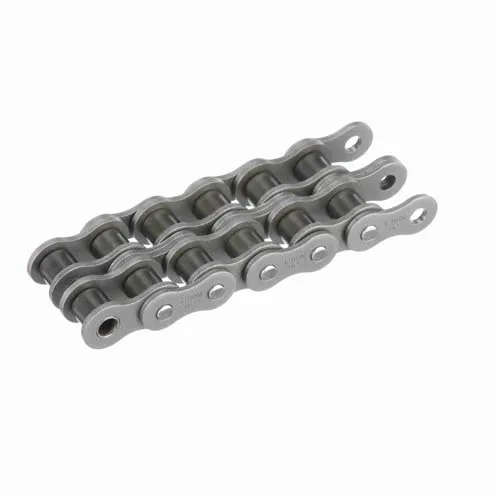
What are the considerations for selecting a low-maintenance conveyor chain?
When selecting a low-maintenance conveyor chain, several considerations should be taken into account:
1. Pemilihan Bahan:
– Choose a conveyor chain made from materials that are resistant to wear, corrosion, and contamination. Stainless steel, plastic, or self-lubricating chains are commonly used for their durability and low maintenance requirements.
2. Lubrication-Free Design:
– Look for conveyor chains that have a self-lubricating design or are pre-lubricated with materials that reduce friction and eliminate the need for additional lubrication. This helps to minimize maintenance tasks associated with regular lubrication.
3. Sealed Construction:
– Consider conveyor chains with sealed construction to prevent the ingress of dirt, debris, and moisture. Sealed chains require less frequent cleaning and maintenance, making them ideal for low-maintenance applications.
4. Easy Cleaning:
– Opt for conveyor chains that are designed for easy cleaning. Smooth surfaces, open structures, and accessible components allow for quick and efficient cleaning, reducing maintenance time and effort.
5. Resistance to Contamination:
– Select a conveyor chain that is resistant to contamination. This includes resistance to chemicals, oils, greases, and other substances commonly found in the application environment. Chains that can withstand contamination require less frequent cleaning and maintenance.
6. Wear Monitoring:
– Look for conveyor chains that have wear monitoring features, such as wear indicators or sensors. These features help to identify chain wear and provide timely maintenance alerts, allowing for proactive replacement or adjustment.
7. Manufacturer Support:
– Consider the support provided by the chain manufacturer. A reputable manufacturer will offer guidance on maintenance intervals, replacement schedules, and provide technical assistance to ensure the proper functioning of the chain.
By considering these factors, you can select a low-maintenance conveyor chain that minimizes the need for frequent inspections, lubrication, cleaning, and replacement, resulting in reduced maintenance efforts and costs.
Apakah faedah menggunakan sistem rantai penghantar modular?
Sistem rantai penghantar modular menawarkan beberapa faedah dari segi fleksibiliti, kecekapan dan kemudahan penyelenggaraan. Berikut adalah beberapa kelebihan utama:
1. Kebolehgunaan: Rantai penghantar modular direka bentuk dengan modul saling berkunci yang boleh disambungkan dan diputuskan sambungannya dengan mudah. Ini membolehkan fleksibiliti dalam mengkonfigurasi sistem penghantar mengikut keperluan susun atur tertentu, keperluan pengeluaran atau batasan ruang. Modul boleh ditambah, dialih keluar atau diletakkan semula untuk menampung perubahan proses pengeluaran atau variasi produk.
2. Kebolehsuaian: Reka bentuk modular sistem rantai penghantar membolehkan penyesuaian untuk memenuhi keperluan aplikasi tertentu. Pelbagai jenis modul tersedia, termasuk bahagian lurus, lengkung, condong, menurun, bergabung dan pengalih. Aksesori seperti panduan sisi, cleat atau penahan produk boleh diintegrasikan dengan mudah ke dalam sistem.
3. Pemasangan dan Pengubahsuaian Pantas: Rantai penghantar modular direka bentuk untuk pemasangan dan pengubahsuaian yang mudah. Dengan sambungan snap-in atau snap-onnya, modul boleh dipasang atau ditanggalkan dengan cepat, sekali gus mengurangkan masa henti semasa persediaan atau konfigurasi semula sistem. Ciri ini juga memudahkan penyelenggaraan, pembaikan atau pengembangan pada masa hadapan.
4. Kecekapan yang Dipertingkatkan: Modulariti sistem rantai penghantar membolehkan pengendalian bahan yang cekap dan aliran kerja yang dioptimumkan. Pemindahan yang lancar antara modul meminimumkan kesesakan atau ketidaksejajaran produk, memastikan aliran bahan yang berterusan dan konsisten. Keupayaan untuk menggabungkan lengkungan atau kecondongan dalam sistem membolehkan penggunaan ruang lantai yang cekap dan memudahkan pergerakan produk melalui ketinggian yang berbeza.
5. Penyelenggaraan Mudah: Sistem rantai penghantar modular direka bentuk untuk memudahkan penyelenggaraan. Modul individu boleh diakses dan diganti dengan mudah tanpa perlu membuka keseluruhan sistem. Ini mengurangkan masa dan kos penyelenggaraan. Di samping itu, struktur modul yang terbuka membolehkan pembersihan, penyingkiran serpihan dan pemeriksaan yang mudah.
6. Ketahanan dan Kebolehpercayaan: Rantai penghantar modular biasanya diperbuat daripada bahan berkualiti tinggi seperti plastik atau keluli tahan karat, bagi memastikan ketahanan dan prestasi yang tahan lama. Rantai ini tahan haus, kakisan dan kerosakan kimia, menjadikannya sesuai untuk pelbagai persekitaran perindustrian. Reka bentuk saling kunci memberikan kestabilan dan mencegah gelinciran rantai semasa operasi.
7. Ciri Keselamatan: Sistem rantai penghantar modular boleh menggabungkan ciri keselamatan seperti butang berhenti kecemasan, pelindung keselamatan atau sensor untuk mengesan sekatan atau beban berlebihan. Ciri-ciri ini membantu mengekalkan persekitaran kerja yang selamat untuk pengendali dan melindungi integriti produk yang diangkut.
Secara keseluruhannya, sistem rantai penghantar modular menawarkan fleksibiliti, kebolehsuaian, kecekapan dan kemudahan penyelenggaraan. Ia merupakan penyelesaian yang andal untuk pengendalian bahan dalam industri seperti pembuatan, pembungkusan, pengedaran dan logistik.
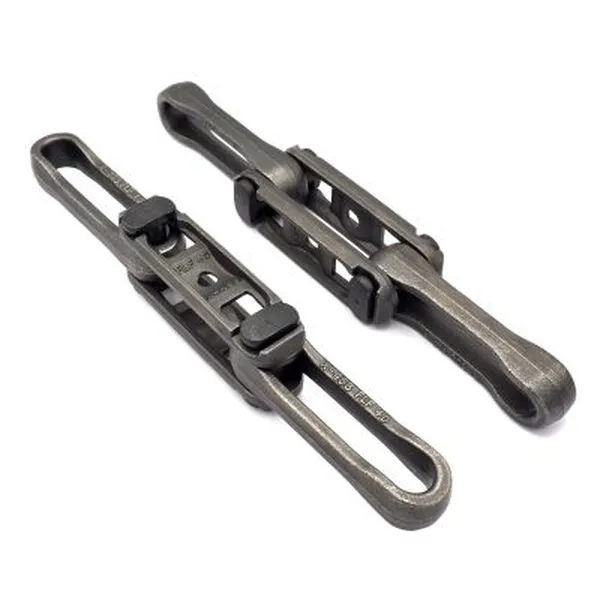
How can you prevent conveyor chain failures?
Preventing conveyor chain failures is crucial for maintaining the efficiency and reliability of a conveyor system. Here are some key preventive measures:
- Regular Inspection and Maintenance: Implement a routine inspection and maintenance schedule to identify potential issues before they escalate. Regularly inspect the chain for signs of wear, such as elongation, link plate wear, and sprocket tooth wear. Address any visible damage or abnormalities promptly.
- Proper Lubrication: Apply the appropriate lubricant to the conveyor chain to minimize friction and reduce wear. Lubrication helps to prevent metal-to-metal contact, corrosion, and excessive heat generation. Follow the manufacturer’s recommendations for lubrication frequency and use lubricants suitable for the operating conditions.
- Tensioning: Maintain proper tension in the conveyor chain to ensure optimal performance and reduce the risk of failures. Both over-tensioning and under-tensioning can lead to premature wear or chain damage. Follow the manufacturer’s guidelines for tensioning and regularly check and adjust the tension as needed.
- Sprocket Maintenance: Inspect and maintain the sprockets that engage with the conveyor chain. Check for any signs of wear or damage on the sprocket teeth and replace them if necessary. Ensure proper alignment between the chain and sprockets to prevent excessive wear and chain skipping.
- Environmental Considerations: Take into account the environmental factors that can affect the conveyor chain’s performance. Protect the chain from exposure to moisture, corrosive substances, excessive heat, or abrasive materials. Implement appropriate safeguards, such as covers or enclosures, to minimize environmental impact on the chain.
- Proper Loading: Ensure that the conveyor chain is not subjected to excessive loads beyond its capacity. Overloading can lead to accelerated wear and chain failures. Adhere to the recommended load limits and guidelines provided by the chain manufacturer.
- Operator Training: Provide proper training to operators and maintenance personnel on the correct operation, maintenance, and safety procedures related to the conveyor chain system. Educate them on identifying potential issues, performing routine inspections, and reporting any abnormalities.
By implementing these preventive measures, you can significantly reduce the risk of conveyor chain failures and extend the lifespan of the chain. Regular monitoring and maintenance are essential to ensure the system operates smoothly and safely.


editor by CX 2024-04-13