Productbeschrijving
Productbeschrijving
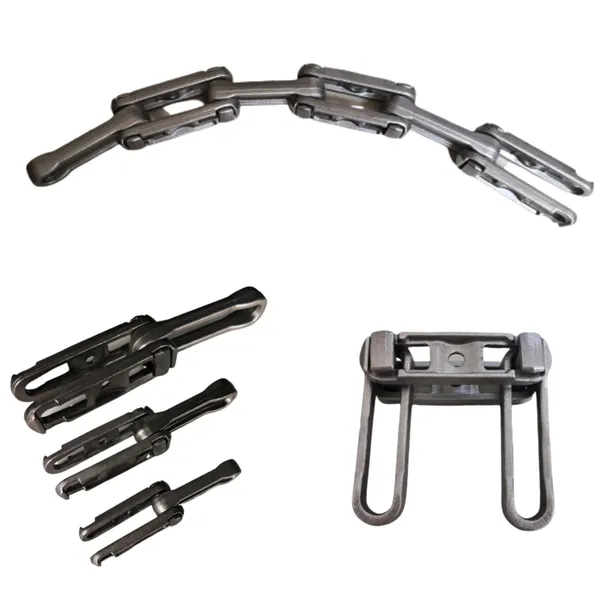
The drop forged chains made of heat treated high grade alloy steel.
1) X348,X458,X678,H698,9118,P1
Http://kasinchain
| Materiaal: | SCR440 |
|---|---|
| Structuur: | Smeden |
| Oppervlaktebehandeling: | Shot Blasting |
| Kettingmaat: | P:160mm |
| Functie: | Heat Resistant, Forging |
| Breaking Load: | 320kn |
| Voorbeelden: | US$ 29/Meter 1 meter (minimale bestelling) | |
|---|
| Aanpassing: | Beschikbaar | Aanvraag op maat |
|---|
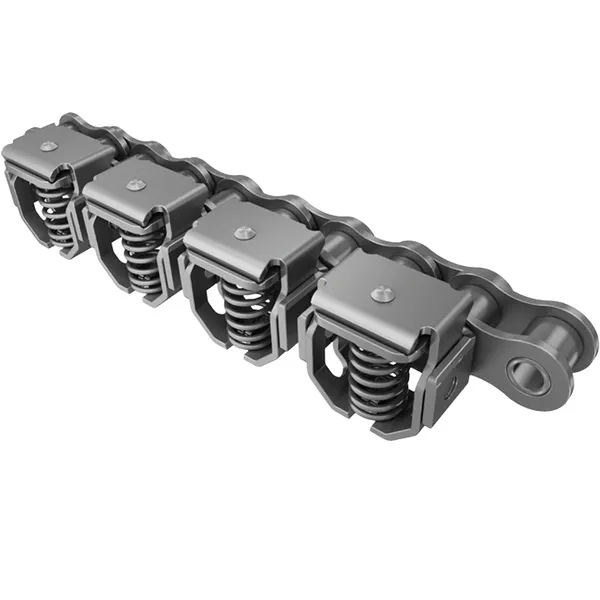
Wat zijn de voordelen van het gebruik van een bovenliggend transportkettingsysteem?
Het gebruik van een bovenloopkettingtransportsysteem biedt diverse voordelen in uiteenlopende industriële toepassingen. Hieronder enkele belangrijke voordelen:
1. Ruimteoptimalisatie:
– Bovenlooptransportkettingsystemen benutten de verticale ruimte optimaal, waardoor de vloeroppervlakte efficiënt wordt gebruikt. Dit is met name gunstig in faciliteiten met beperkte vloeroppervlakte, omdat het een efficiënte materiaalverwerking en productiestroom mogelijk maakt zonder de werkruimte te belemmeren.
2. Flexibiliteit en veelzijdigheid:
– Bovenlooptransportbanden bieden flexibiliteit in de routeplanning en kunnen worden aangepast aan de specifieke lay-outvereisten van de fabriek. Ze kunnen verschillende gebieden doorkruisen, waaronder assemblagelijnen, spuitcabines, opslagruimtes en meer. De veelzijdigheid van bovenloopsystemen maakt efficiënt en flexibel materiaaltransport mogelijk.
3. Verbeterde veiligheid:
– Bovenliggende transportkettingen minimaliseren obstakels op grondniveau, waardoor het risico op struikelgevaar en ongelukken afneemt. Operators en werknemers kunnen zich veilig in het werkgebied bewegen zonder hinder van het transportsysteem.
4. Productbescherming:
– Bovenliggende transportkettingen bieden betere bescherming voor de getransporteerde producten. Doordat de producten hoger worden gehouden en weg van mogelijke gevaren op de vloer, zoals stof, vuil of gemorste vloeistoffen, wordt het risico op productbeschadiging of -verontreiniging verminderd.
5. Verhoogde efficiëntie:
– Bovenlooptransportsystemen kunnen de productie-efficiëntie verhogen door een continue materiaalstroom te faciliteren en handmatige handelingen te verminderen. Ze maken geautomatiseerd laden en lossen van materialen mogelijk, wat leidt tot snellere verwerkingstijden en een hogere algehele productiviteit.
6. Eenvoudig onderhoud:
– Bovenloopkettingtransporteurs zijn doorgaans ontworpen voor eenvoudig onderhoud. Componenten zoals kettingen, loopwagens en aandrijvingen zijn gemakkelijk toegankelijk en te onderhouden, waardoor stilstand en onderhoudskosten tot een minimum worden beperkt.
7. Aanpassing en integratie:
– Bovenlooptransportkettingen kunnen worden aangepast aan specifieke toepassingsvereisten, waaronder draagvermogen, snelheid en besturingssystemen. Ze kunnen ook worden geïntegreerd met andere geautomatiseerde systemen, zoals robotwerkstations of sorteermechanismen, om het materiaalverwerkingsproces verder te optimaliseren.
Kortom, het gebruik van een bovenliggend transportkettingsysteem zorgt voor efficiënte materiaalverwerking, maximaliseert het ruimtegebruik, verhoogt de veiligheid en verbetert de productiviteit in industriële omgevingen.
How does lubrication affect the performance of a conveyor chain?
Lubrication plays a crucial role in the performance and longevity of a conveyor chain. Proper lubrication helps to reduce friction, wear, and heat generation, ensuring smooth operation and minimizing the risk of premature failure. Here’s how lubrication affects the performance of a conveyor chain:
1. Friction Reduction: Lubrication forms a thin film between the chain components, reducing friction between metal surfaces. This reduces the energy required for operation, minimizes heat generation, and prevents excessive wear and tear.
2. Wear Prevention: Lubrication forms a protective layer on the chain components, preventing direct metal-to-metal contact. This helps to reduce wear and extend the service life of the chain.
3. Corrosion Protection: Lubricants often contain anti-corrosion additives that protect the chain from rust and oxidation. This is particularly important in environments with high humidity or exposure to corrosive substances.
4. Noise Reduction: Proper lubrication reduces the noise generated during chain operation by minimizing friction and metal-to-metal contact. This can contribute to a quieter and more comfortable working environment.
5. Temperature Control: Lubrication helps to dissipate heat generated during chain operation, preventing excessive temperature rise. This is crucial in high-speed or heavy-duty applications where heat can lead to accelerated wear and reduced chain performance.
6. Maintenance and Service Life: Regular lubrication and proper lubricant selection are essential for maintaining the chain’s performance and extending its service life. Adequate lubrication reduces the need for frequent maintenance, minimizes downtime, and lowers overall operating costs.
It’s important to follow the manufacturer’s recommendations for lubrication frequency and use the appropriate lubricant for the conveyor chain. Regular inspections and maintenance checks should also be conducted to ensure proper lubrication levels and address any issues promptly. Proper lubrication practices will enhance the performance, reliability, and durability of the conveyor chain system.

Welke factoren moet in overweging worden genomen bij het ontwerpen van een transportkettingsysteem?
Bij het ontwerpen van een transportkettingsysteem moet rekening worden gehouden met verschillende factoren om optimale prestaties en functionaliteit te garanderen. Deze factoren omvatten:
- Draagvermogen: Het draagvermogen van het transportkettingsysteem is een cruciale factor. Hierbij moet het maximale gewicht en de maximale afmetingen van de te transporteren materialen of producten worden bepaald. Deze informatie helpt bij het selecteren van het juiste type, de juiste maat en de juiste sterkte van de ketting om de verwachte belasting aan te kunnen.
- Snelheid en doorvoer: De gewenste snelheid waarmee het transportsysteem moet werken en de verwachte materiaaldoorvoer zijn belangrijke factoren. Deze factoren beïnvloeden de keuze van de kettingsteek, de tandwielgrootte en het motorvermogen om de gewenste transportsnelheid en materiaalverwerkingscapaciteit te bereiken.
- Omgevingsomstandigheden: De bedrijfsomgeving speelt een cruciale rol bij het ontwerp van een transportkettingsysteem. Factoren zoals temperatuur, luchtvochtigheid, stof, corrosieve stoffen en de aanwezigheid van water of chemicaliën beïnvloeden de materiaalkeuze voor de ketting, tandwielen en andere componenten om duurzaamheid en weerstand tegen slijtage en corrosie te garanderen.
- Indeling en configuratie van de transportband: De lay-out en configuratie van het transportsysteem zijn cruciale overwegingen. Factoren zoals beschikbare ruimte, transporttraject, hellingshoeken en eventuele bochten beïnvloeden de keuze van het kettingtype, de tandwielconfiguratie en het algehele systeemontwerp.
- Onderhoud en toegankelijkheid: Gemakkelijke toegang voor onderhoud en service is cruciaal voor de levensduur en efficiënte werking van het transportkettingsysteem. Rekening houden met factoren zoals smeerpunten, mechanismen voor het afstellen van de kettingspanning en de algehele toegankelijkheid voor inspecties en reparaties zorgt voor een soepele werking en minimaliseert stilstandtijd.
- Geluid en trillingen: Het geluids- en trillingsniveau van het transportkettingsysteem kan de werkomgeving beïnvloeden. Ontwerpoverwegingen zoals het kiezen van kettingtypen met lage geluidsproductie, het toepassen van adequate smering en het gebruik van trillingsdempende componenten dragen bij aan het minimaliseren van geluids- en trillingsniveaus.
- Veiligheid: Veiligheid is van het grootste belang bij het ontwerp van transportbandsystemen. Factoren zoals afscherming, noodstopsystemen, correcte uitlijning en antislipmaatregelen moeten worden geïntegreerd om de veiligheid van de operators te waarborgen en ongelukken of verwondingen te voorkomen.
Door in de ontwerpfase rekening te houden met deze factoren, kan het juiste type, de juiste afmeting en de juiste configuratie van de transportketting worden geselecteerd om aan de specifieke eisen van de toepassing te voldoen, waardoor een soepel en efficiënt materiaaltransport wordt gegarandeerd.


editor by CX 2023-07-27