Opis produktu
Opis produktu
DIN5685A/C Short/Long Link Chain:
| Rozmiar | Inside Length | Outside Width | Weight Per 100M | Working Load | Breaking Load | Stopień | |||
| MM | MM | MM | KG | N | N | ||||
| 2 | 12 | 22 | 8 | 7 | 6 | 500 | 1250 | A | C |
| 2.5 | 14 | 24 | 10 | 11 | 10 | 750 | 2000 | A | C |
| 3 | 16 | 26 | 12 | 16.5 | 15 | 1120 | 2800 | A | C |
| 3.5 | 18 | 28 | 14 | 22.5 | 20 | 1500 | 3850 | A | C |
| 4 | 19 | 32 | 16 | 30 | 27 | 2000 | 5000 | A | C |
| 4.5 | 20 | 34 | 18 | 39.5 | 35 | 2500 | 6300 | A | C |
| 5 | 21 | 35 | 20 | 50 | 43 | 3150 | 7750 | A | C |
| 5.5 | 23 | 38.5 | 22 | 60.5 | 52 | 3800 | 9500 | A | C |
| 6 | 24 | 42 | 24 | 73 | 63 | 4500 | 11500 | A | C |
| 6.5 | 26 | 45.5 | 26 | 86 | 74 | 5400 | 13500 | A | C |
| 7 | 28 | 49 | 28 | 100 | 86 | 6000 | 15000 | A | C |
| 8 | 32 | 52 | 32 | 130 | 100 | 8000 | 20000 | A | C |
| 8.5 | 34 | 56 | 34 | 149 | 125 | 9000 | 22500 | A | C |
| 9 | 36 | 59 | 36 | 165 | 141 | 10000 | 25000 | A | C |
| 10 | 40 | 65 | 40 | 205 | 175 | 12500 | 31000 | A | C |
| 11 | 44 | 72 | 44 | 250 | 211 | 15000 | 38000 | A | C |
| 12 | 48 | 78 | 48 | 290 | 255 | 18000 | 45000 | A | C |
| 13 | 52 | 82 | 52 | 345 | 295 | 21200 | 53000 | A | C |
We can offer u all kinds of link chain:
1)DIN5685A/C,DIN764,DIN763,DIN766,DIN5686 Link Chain
2)Ordinary Short,Medium Link Chain
3)Korean Standard Link Chain
4)ASTM80 Standard Link Chain
5)Norwegian Standard Link Chain
6)Australian Standard Link Chain
7)NACM1990 Standard Link Chain
8)NACM1996/2003 Standard Link Chain
9)Animal Link Chain
10)Stainless Steel Link Chain
11)Weldless Link Chain
12)G80 Link Chain
13)G43 Link Chain
HangZhou XUHONG MERCHINERY TOOLS CO.,LTD is specialized manufacturer and exporter of hardware tools company.
The company mainly produces all kinds of hammers,such as claw hammer, sledge hammer, stone hammer, fitter hammer, cross pein
hammer, rubber hammer, axe, wrech and so on.
Our company has more than 30000 square CHINAMFG factory area,now avalible 100 employees, including 10 professional and technical
personnel and engineers.
We accept OEM production and processing.
With the good products quality, timely delivery and thoughtful after-sales service, more than 80%products are exported to Europe,
America,Southeast Asia,Latin America,the Middle East and HongKong more than 30 countries and regions, and won a good reputation.
“Customer first, Quality first, Honesty first” is our CHINAMFG company principle.
All new and old friends are warmly welcome to visit our company, we will continue to improve and develop ourselves to provide
customers with excellent products.Believe we have a better future.
We are always here to help you save time and money for your every project!
/* 22 stycznia 2571 19:08:37 */!function(){function s(e,r){var a,o={};try{e&&e.split(„”,).forEach(function(e,t){e&&(a=e.match(/(.*?):(.*)$/))&&1
| Stosowanie: | Łańcuch napędowy, łańcuch ciągnący, łańcuch przenośnika, specjalny łańcuch dedykowany |
|---|---|
| Tworzywo: | Stop |
| Obróbka powierzchni: | Electroplating |
| Funkcja: | Odporny na ciepło |
| Rozmiar łańcucha: | 1/2"*11/128" |
| Struktura: | Spawany łańcuch |
| Próbki: | US$ 0/sztuka 1 sztuka (minimalne zamówienie) | |
|---|
| Personalizacja: | Dostępny | Spersonalizowane żądanie |
|---|
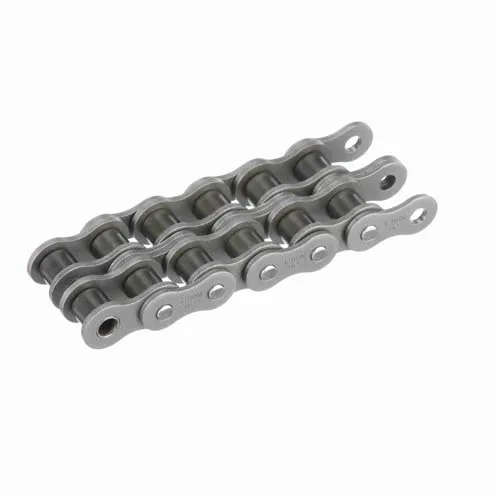
What are the considerations for selecting a low-maintenance conveyor chain?
When selecting a low-maintenance conveyor chain, several considerations should be taken into account:
1. Material Selection:
– Choose a conveyor chain made from materials that are resistant to wear, corrosion, and contamination. Stainless steel, plastic, or self-lubricating chains are commonly used for their durability and low maintenance requirements.
2. Lubrication-Free Design:
– Look for conveyor chains that have a self-lubricating design or are pre-lubricated with materials that reduce friction and eliminate the need for additional lubrication. This helps to minimize maintenance tasks associated with regular lubrication.
3. Sealed Construction:
– Consider conveyor chains with sealed construction to prevent the ingress of dirt, debris, and moisture. Sealed chains require less frequent cleaning and maintenance, making them ideal for low-maintenance applications.
4. Easy Cleaning:
– Opt for conveyor chains that are designed for easy cleaning. Smooth surfaces, open structures, and accessible components allow for quick and efficient cleaning, reducing maintenance time and effort.
5. Resistance to Contamination:
– Select a conveyor chain that is resistant to contamination. This includes resistance to chemicals, oils, greases, and other substances commonly found in the application environment. Chains that can withstand contamination require less frequent cleaning and maintenance.
6. Wear Monitoring:
– Look for conveyor chains that have wear monitoring features, such as wear indicators or sensors. These features help to identify chain wear and provide timely maintenance alerts, allowing for proactive replacement or adjustment.
7. Manufacturer Support:
– Consider the support provided by the chain manufacturer. A reputable manufacturer will offer guidance on maintenance intervals, replacement schedules, and provide technical assistance to ensure the proper functioning of the chain.
By considering these factors, you can select a low-maintenance conveyor chain that minimizes the need for frequent inspections, lubrication, cleaning, and replacement, resulting in reduced maintenance efforts and costs.

What are the factors to consider when selecting the pitch of a conveyor chain?
When selecting the pitch of a conveyor chain, several factors need to be considered to ensure optimal performance and efficiency. Here are the key factors:
1. Load Capacity: The pitch of the conveyor chain should be selected based on the anticipated load capacity of the system. Consider the weight and size of the conveyed materials to ensure the chain can handle the required load without exceeding its capacity.
2. Speed and Application: The operating speed of the conveyor system and the specific application play a role in determining the pitch. Higher speeds may require smaller pitch chains to maintain smooth and reliable operation.
3. Conveyor Length: The length of the conveyor system affects the selection of the chain pitch. Longer conveyors may require larger pitch chains to distribute the load and reduce tension on individual chain links.
4. Space Constraints: Consider the available space for the conveyor system. Smaller pitch chains may be preferred in applications with limited space to minimize the overall footprint of the conveyor.
5. Wear and Maintenance: The pitch selection should also consider the anticipated wear and maintenance requirements. Smaller pitch chains often provide better wear resistance and may require less frequent lubrication and maintenance.
6. Speed Regulation: If the conveyor system requires speed regulation or precise positioning, the pitch selection should align with the control capabilities of the drive system. Smaller pitch chains can offer finer control and accuracy.
7. Compatibility: Ensure that the selected pitch is compatible with other components of the conveyor system, including sprockets, guides, and attachments. They should be designed to work together smoothly and efficiently.
8. Application Environment: Consider the environmental conditions in which the conveyor will operate. Factors such as temperature, humidity, corrosive substances, or abrasive materials may influence the choice of chain pitch and material to ensure durability and longevity.
By considering these factors, you can select the appropriate pitch for the conveyor chain, ensuring optimal performance, longevity, and reliable operation of the system.
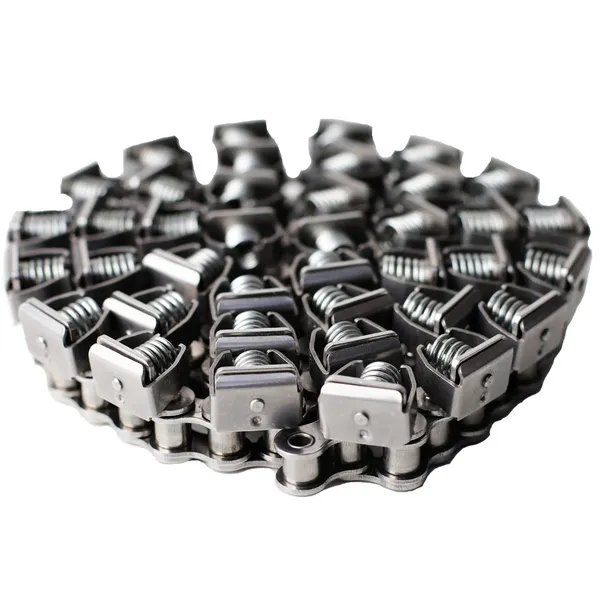
Jaka jest nośność łańcucha przenośnika?
Nośność łańcucha przenośnika zależy od różnych czynników, takich jak konstrukcja łańcucha, materiał, rozmiar i warunki pracy. Przy określaniu nośności łańcucha przenośnika kluczowe jest uwzględnienie wymagań konkretnego zastosowania. Oto kilka kluczowych czynników, które należy wziąć pod uwagę:
- Projekt łańcucha: Różne typy łańcuchów przenośnikowych charakteryzują się różną nośnością. Konstrukcja łańcucha uwzględnia takie czynniki, jak rodzaj ogniw, ich konfiguracja oraz obecność elementów mocujących lub rolek.
- Tworzywo: Materiał użyty do produkcji łańcucha przenośnika znacząco wpływa na jego nośność. Do popularnych materiałów należą stal, stal nierdzewna i tworzywo sztuczne. Łańcuchy stalowe są zazwyczaj bardziej wytrzymałe i charakteryzują się większą nośnością.
- Rozmiar łańcucha: Rozmiar łańcucha przenośnika, w tym podziałka i szerokość, wpływają na jego nośność. Większe łańcuchy z szerszymi ogniwami mają zazwyczaj większą nośność.
- Warunki pracy: Na nośność łańcucha mogą mieć wpływ takie czynniki, jak prędkość przenośnika, rodzaj i ciężar transportowanych materiałów oraz warunki środowiskowe (temperatura, wilgotność itp.).
- Dane techniczne producenta: Należy koniecznie zapoznać się ze specyfikacjami i wytycznymi producenta dotyczącymi konkretnego łańcucha przenośnikowego. Producenci zazwyczaj udostępniają wykresy lub tabele nośności oparte na konstrukcji łańcucha.
Nośność łańcucha przenośnika jest zazwyczaj określana jako maksymalne dopuszczalne obciążenie robocze lub wytrzymałość na zerwanie. Wartości te są ustalane w drodze rygorystycznych testów i obliczeń inżynierskich. Aby zapewnić bezpieczną i wydajną pracę, ważne jest, aby wybrać łańcuch przenośnika o nośności odpowiedniej do zamierzonego zastosowania. Przekroczenie zalecanej nośności może prowadzić do przedwczesnego zużycia, awarii łańcucha i potencjalnych zagrożeń bezpieczeństwa.


editor by CX 2024-04-29