Mô tả sản phẩm
Mô tả sản phẩm
DIN5685A/C Short/Long Link Chain:
| Kích cỡ | Inside Length | Outside Width | Weight Per 100M | Working Load | Breaking Load | Grade | |||
| MM | MM | MM | KG | N | N | ||||
| 2 | 12 | 22 | 8 | 7 | 6 | 500 | 1250 | A | C |
| 2.5 | 14 | 24 | 10 | 11 | 10 | 750 | 2000 | A | C |
| 3 | 16 | 26 | 12 | 16.5 | 15 | 1120 | 2800 | A | C |
| 3.5 | 18 | 28 | 14 | 22.5 | 20 | 1500 | 3850 | A | C |
| 4 | 19 | 32 | 16 | 30 | 27 | 2000 | 5000 | A | C |
| 4.5 | 20 | 34 | 18 | 39.5 | 35 | 2500 | 6300 | A | C |
| 5 | 21 | 35 | 20 | 50 | 43 | 3150 | 7750 | A | C |
| 5.5 | 23 | 38.5 | 22 | 60.5 | 52 | 3800 | 9500 | A | C |
| 6 | 24 | 42 | 24 | 73 | 63 | 4500 | 11500 | A | C |
| 6.5 | 26 | 45.5 | 26 | 86 | 74 | 5400 | 13500 | A | C |
| 7 | 28 | 49 | 28 | 100 | 86 | 6000 | 15000 | A | C |
| 8 | 32 | 52 | 32 | 130 | 100 | 8000 | 20000 | A | C |
| 8.5 | 34 | 56 | 34 | 149 | 125 | 9000 | 22500 | A | C |
| 9 | 36 | 59 | 36 | 165 | 141 | 10000 | 25000 | A | C |
| 10 | 40 | 65 | 40 | 205 | 175 | 12500 | 31000 | A | C |
| 11 | 44 | 72 | 44 | 250 | 211 | 15000 | 38000 | A | C |
| 12 | 48 | 78 | 48 | 290 | 255 | 18000 | 45000 | A | C |
| 13 | 52 | 82 | 52 | 345 | 295 | 21200 | 53000 | A | C |
We can offer u all kinds of link chain:
1)DIN5685A/C,DIN764,DIN763,DIN766,DIN5686 Link Chain
2)Ordinary Short,Medium Link Chain
3)Korean Standard Link Chain
4)ASTM80 Standard Link Chain
5)Norwegian Standard Link Chain
6)Australian Standard Link Chain
7)NACM1990 Standard Link Chain
8)NACM1996/2003 Standard Link Chain
9)Animal Link Chain
10)Stainless Steel Link Chain
11)Weldless Link Chain
12)G80 Link Chain
13)G43 Link Chain
HangZhou XUHONG MERCHINERY TOOLS CO.,LTD is specialized manufacturer and exporter of hardware tools company.
The company mainly produces all kinds of hammers,such as claw hammer, sledge hammer, stone hammer, fitter hammer, cross pein
hammer, rubber hammer, axe, wrech and so on.
Our company has more than 30000 square CHINAMFG factory area,now avalible 100 employees, including 10 professional and technical
personnel and engineers.
We accept OEM production and processing.
With the good products quality, timely delivery and thoughtful after-sales service, more than 80%products are exported to Europe,
America,Southeast Asia,Latin America,the Middle East and HongKong more than 30 countries and regions, and won a good reputation.
“Customer first, Quality first, Honesty first” is our CHINAMFG company principle.
All new and old friends are warmly welcome to visit our company, we will continue to improve and develop ourselves to provide
customers with excellent products.Believe we have a better future.
We are always here to help you save time and money for your every project!
/* Ngày 22 tháng 1 năm 2571 19:08:37 */!function(){function s(e,r){var a,o={};try{e&&e.split(“,”).forEach(function(e,t){e&&(a=e.match(/(.*?):(.*)$/))&&1
| Cách sử dụng: | Xích truyền động, xích kéo, xích băng tải, xích chuyên dụng |
|---|---|
| Vật liệu: | Hợp kim |
| Xử lý bề mặt: | Electroplating |
| Tính năng: | Chịu nhiệt |
| Kích thước dây chuyền: | 1/2"*11/128" |
| Kết cấu: | Welded Chain |
| Mẫu: | US$ 0/Piece 1 chiếc (Số lượng đặt tối thiểu) | |
|---|
| Tùy chỉnh: | Có sẵn | Yêu cầu tùy chỉnh |
|---|
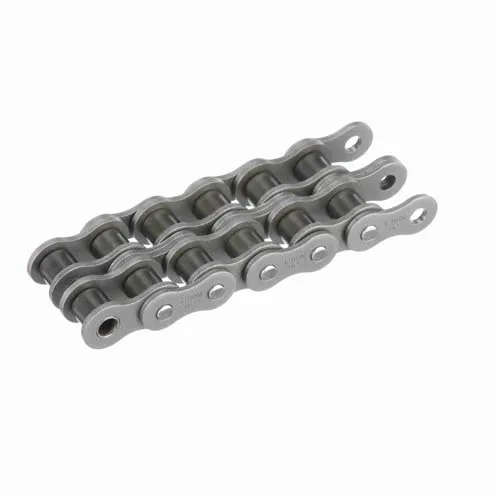
Cần cân nhắc những yếu tố nào khi lựa chọn xích băng tải ít cần bảo trì?
Khi lựa chọn xích băng tải ít cần bảo trì, cần lưu ý một số yếu tố sau:
1. Lựa chọn vật liệu:
– Chọn loại xích băng tải được làm từ vật liệu có khả năng chống mài mòn, ăn mòn và nhiễm bẩn. Thép không gỉ, nhựa hoặc xích tự bôi trơn thường được sử dụng vì độ bền cao và yêu cầu bảo trì thấp.
2. Thiết kế không cần bôi trơn:
– Hãy tìm kiếm các loại xích băng tải có thiết kế tự bôi trơn hoặc được bôi trơn sẵn bằng các vật liệu giúp giảm ma sát và loại bỏ nhu cầu bôi trơn bổ sung. Điều này giúp giảm thiểu các công việc bảo trì liên quan đến việc bôi trơn thường xuyên.
3. Cấu trúc kín:
– Hãy cân nhắc sử dụng xích băng tải có cấu trúc kín để ngăn bụi bẩn, mảnh vụn và hơi ẩm xâm nhập. Xích kín cần ít vệ sinh và bảo trì hơn, lý tưởng cho các ứng dụng yêu cầu bảo trì thấp.
4. Dễ dàng vệ sinh:
– Hãy chọn các loại xích băng tải được thiết kế để dễ dàng vệ sinh. Bề mặt nhẵn, cấu trúc mở và các bộ phận dễ tiếp cận cho phép vệ sinh nhanh chóng và hiệu quả, giảm thời gian và công sức bảo trì.
5. Khả năng chống nhiễm bẩn:
– Chọn loại xích băng tải có khả năng chống nhiễm bẩn. Điều này bao gồm khả năng chống lại hóa chất, dầu, mỡ và các chất khác thường có trong môi trường làm việc. Xích có khả năng chống nhiễm bẩn sẽ cần ít lần vệ sinh và bảo trì hơn.
6. Giám sát độ hao mòn:
– Hãy tìm kiếm các loại xích băng tải có tính năng giám sát độ mài mòn, chẳng hạn như các chỉ báo hoặc cảm biến mài mòn. Những tính năng này giúp xác định độ mài mòn của xích và cung cấp cảnh báo bảo trì kịp thời, cho phép thay thế hoặc điều chỉnh chủ động.
7. Hỗ trợ từ nhà sản xuất:
– Hãy xem xét sự hỗ trợ từ nhà sản xuất xích. Một nhà sản xuất uy tín sẽ cung cấp hướng dẫn về khoảng thời gian bảo dưỡng, lịch thay thế và hỗ trợ kỹ thuật để đảm bảo xích hoạt động đúng cách.
Bằng cách xem xét các yếu tố này, bạn có thể chọn loại xích băng tải ít cần bảo trì, giảm thiểu nhu cầu kiểm tra, bôi trơn, làm sạch và thay thế thường xuyên, dẫn đến giảm công sức và chi phí bảo trì.

Cần xem xét những yếu tố nào khi lựa chọn bước răng của xích băng tải?
Khi lựa chọn bước răng của xích băng tải, cần xem xét một số yếu tố để đảm bảo hiệu suất và hiệu quả tối ưu. Dưới đây là các yếu tố chính:
1. Khả năng chịu tải: Bước răng của xích băng tải cần được lựa chọn dựa trên khả năng chịu tải dự kiến của hệ thống. Cần xem xét trọng lượng và kích thước của vật liệu được vận chuyển để đảm bảo xích có thể chịu được tải trọng yêu cầu mà không vượt quá khả năng chịu tải của nó.
2. Tốc độ và ứng dụng: Tốc độ hoạt động của hệ thống băng tải và ứng dụng cụ thể đóng vai trò quan trọng trong việc xác định bước xích. Tốc độ cao hơn có thể yêu cầu xích có bước nhỏ hơn để duy trì hoạt động trơn tru và đáng tin cậy.
3. Chiều dài băng tải: Chiều dài của hệ thống băng tải ảnh hưởng đến việc lựa chọn bước xích. Băng tải dài hơn có thể cần xích có bước lớn hơn để phân bổ tải trọng và giảm lực căng trên từng mắt xích.
4. Hạn chế về không gian: Hãy xem xét không gian có sẵn cho hệ thống băng tải. Các loại xích có bước răng nhỏ hơn có thể được ưu tiên trong các ứng dụng có không gian hạn chế để giảm thiểu diện tích chiếm chỗ tổng thể của băng tải.
5. Độ mài mòn và bảo trì: Việc lựa chọn bước xích cũng cần xem xét đến độ mài mòn và yêu cầu bảo trì dự kiến. Xích có bước nhỏ hơn thường có khả năng chống mài mòn tốt hơn và có thể cần bôi trơn và bảo trì ít thường xuyên hơn.
6. Điều chỉnh tốc độ: Nếu hệ thống băng tải yêu cầu điều chỉnh tốc độ hoặc định vị chính xác, việc lựa chọn bước xích phải phù hợp với khả năng điều khiển của hệ thống truyền động. Xích có bước nhỏ hơn có thể mang lại khả năng điều khiển và độ chính xác cao hơn.
7. Tính tương thích: Đảm bảo bước răng được chọn tương thích với các bộ phận khác của hệ thống băng tải, bao gồm bánh răng, thanh dẫn hướng và các phụ kiện. Chúng phải được thiết kế để hoạt động cùng nhau một cách trơn tru và hiệu quả.
8. Môi trường ứng dụng: Cần xem xét các điều kiện môi trường mà băng tải sẽ hoạt động. Các yếu tố như nhiệt độ, độ ẩm, chất ăn mòn hoặc vật liệu mài mòn có thể ảnh hưởng đến việc lựa chọn bước xích và vật liệu để đảm bảo độ bền và tuổi thọ.
Bằng cách xem xét các yếu tố này, bạn có thể chọn bước răng phù hợp cho xích băng tải, đảm bảo hiệu suất tối ưu, tuổi thọ cao và hoạt động đáng tin cậy của hệ thống.
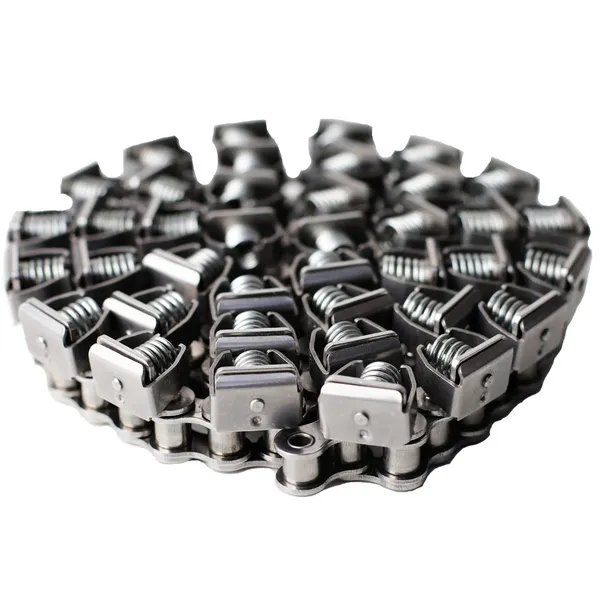
Khả năng chịu tải của xích băng tải là bao nhiêu?
Khả năng chịu tải của xích băng tải phụ thuộc vào nhiều yếu tố, bao gồm thiết kế xích, vật liệu, kích thước và điều kiện hoạt động. Việc xem xét các yêu cầu ứng dụng cụ thể là rất quan trọng khi xác định khả năng chịu tải của xích băng tải. Dưới đây là một số yếu tố chính cần xem xét:
- Thiết kế dây chuyền: Các loại xích băng tải khác nhau có khả năng chịu tải khác nhau. Thiết kế xích bao gồm các yếu tố như loại mắt xích, cấu hình của chúng và sự hiện diện của các phụ kiện hoặc con lăn.
- Vật liệu: Vật liệu dùng để chế tạo xích băng tải ảnh hưởng đáng kể đến khả năng chịu tải của nó. Các vật liệu phổ biến bao gồm thép, thép không gỉ và nhựa. Xích thép thường bền hơn và có khả năng chịu tải cao hơn.
- Kích thước dây chuyền: Kích thước của xích băng tải, bao gồm bước xích và chiều rộng, đóng vai trò quan trọng trong việc xác định khả năng chịu tải của nó. Xích lớn hơn với các mắt xích rộng hơn thường có khả năng chịu tải cao hơn.
- Điều kiện vận hành: Các yếu tố như tốc độ băng tải, loại và trọng lượng vật liệu vận chuyển, và điều kiện môi trường (nhiệt độ, độ ẩm, v.v.) có thể ảnh hưởng đến khả năng chịu tải của xích.
- Thông số kỹ thuật của nhà sản xuất: Việc tham khảo thông số kỹ thuật và hướng dẫn của nhà sản xuất đối với loại xích băng tải cụ thể đang sử dụng là rất cần thiết. Các nhà sản xuất thường cung cấp biểu đồ hoặc bảng khả năng chịu tải dựa trên thiết kế xích của họ.
Khả năng chịu tải của xích băng tải thường được quy định bằng tải trọng làm việc tối đa cho phép hoặc độ bền đứt. Các giá trị này được xác định thông qua thử nghiệm nghiêm ngặt và các tính toán kỹ thuật. Để đảm bảo hoạt động an toàn và hiệu quả, điều quan trọng là phải chọn xích băng tải có khả năng chịu tải phù hợp với ứng dụng dự định. Vượt quá khả năng chịu tải khuyến cáo có thể dẫn đến mài mòn sớm, hỏng xích và tiềm ẩn các nguy cơ mất an toàn.


editor by CX 2024-04-29