Descrizione del prodotto
Descrizione del prodotto
DIN5685A/C Short/Long Link Chain:
| Misurare | Inside Length | Outside Width | Weight Per 100M | Working Load | Breaking Load | Grado | |||
| MM | MM | MM | KG | N | N | ||||
| 2 | 12 | 22 | 8 | 7 | 6 | 500 | 1250 | A | C |
| 2.5 | 14 | 24 | 10 | 11 | 10 | 750 | 2000 | A | C |
| 3 | 16 | 26 | 12 | 16.5 | 15 | 1120 | 2800 | A | C |
| 3.5 | 18 | 28 | 14 | 22.5 | 20 | 1500 | 3850 | A | C |
| 4 | 19 | 32 | 16 | 30 | 27 | 2000 | 5000 | A | C |
| 4.5 | 20 | 34 | 18 | 39.5 | 35 | 2500 | 6300 | A | C |
| 5 | 21 | 35 | 20 | 50 | 43 | 3150 | 7750 | A | C |
| 5.5 | 23 | 38.5 | 22 | 60.5 | 52 | 3800 | 9500 | A | C |
| 6 | 24 | 42 | 24 | 73 | 63 | 4500 | 11500 | A | C |
| 6.5 | 26 | 45.5 | 26 | 86 | 74 | 5400 | 13500 | A | C |
| 7 | 28 | 49 | 28 | 100 | 86 | 6000 | 15000 | A | C |
| 8 | 32 | 52 | 32 | 130 | 100 | 8000 | 20000 | A | C |
| 8.5 | 34 | 56 | 34 | 149 | 125 | 9000 | 22500 | A | C |
| 9 | 36 | 59 | 36 | 165 | 141 | 10000 | 25000 | A | C |
| 10 | 40 | 65 | 40 | 205 | 175 | 12500 | 31000 | A | C |
| 11 | 44 | 72 | 44 | 250 | 211 | 15000 | 38000 | A | C |
| 12 | 48 | 78 | 48 | 290 | 255 | 18000 | 45000 | A | C |
| 13 | 52 | 82 | 52 | 345 | 295 | 21200 | 53000 | A | C |
We can offer u all kinds of link chain:
1)DIN5685A/C,DIN764,DIN763,DIN766,DIN5686 Link Chain
2)Ordinary Short,Medium Link Chain
3)Korean Standard Link Chain
4)ASTM80 Standard Link Chain
5)Norwegian Standard Link Chain
6)Australian Standard Link Chain
7)NACM1990 Standard Link Chain
8)NACM1996/2003 Standard Link Chain
9)Animal Link Chain
10)Stainless Steel Link Chain
11)Weldless Link Chain
12)G80 Link Chain
13)G43 Link Chain
HangZhou XUHONG MERCHINERY TOOLS CO.,LTD is specialized manufacturer and exporter of hardware tools company.
The company mainly produces all kinds of hammers,such as claw hammer, sledge hammer, stone hammer, fitter hammer, cross pein
hammer, rubber hammer, axe, wrech and so on.
Our company has more than 30000 square CHINAMFG factory area,now avalible 100 employees, including 10 professional and technical
personnel and engineers.
We accept OEM production and processing.
With the good products quality, timely delivery and thoughtful after-sales service, more than 80%products are exported to Europe,
America,Southeast Asia,Latin America,the Middle East and HongKong more than 30 countries and regions, and won a good reputation.
“Customer first, Quality first, Honesty first” is our CHINAMFG company principle.
All new and old friends are warmly welcome to visit our company, we will continue to improve and develop ourselves to provide
customers with excellent products.Believe we have a better future.
We are always here to help you save time and money for your every project!
/* 22 gennaio 2571 19:08:37 */!function(){function s(e,r){var a,o={};try{e&&e.split(“,”).forEach(function(e,t){e&&(a=e.match(/(.*?):(.*)$/))&&1
| Utilizzo: | Catena di trasmissione, catena portacavi, catena per trasportatori, catena speciale dedicata |
|---|---|
| Materiale: | Lega |
| Trattamento superficiale: | Electroplating |
| Caratteristica: | Resistente al calore |
| Dimensioni della catena: | 1/2"*11/128" |
| Struttura: | Catena saldata |
| Esempi: | US$ 0/Piece 1 pezzo (ordine minimo) | |
|---|
| Personalizzazione: | Disponibile | Richiesta personalizzata |
|---|
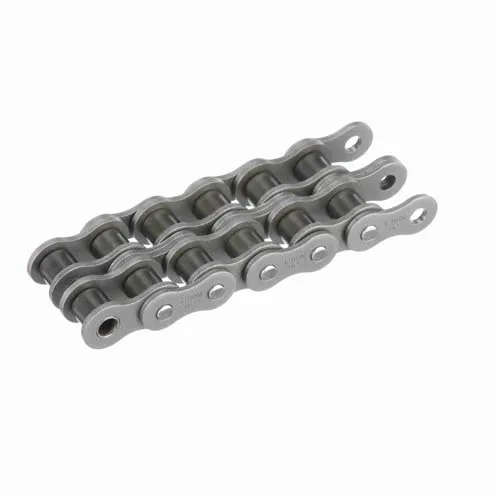
What are the considerations for selecting a low-maintenance conveyor chain?
When selecting a low-maintenance conveyor chain, several considerations should be taken into account:
1. Material Selection:
– Choose a conveyor chain made from materials that are resistant to wear, corrosion, and contamination. Stainless steel, plastic, or self-lubricating chains are commonly used for their durability and low maintenance requirements.
2. Lubrication-Free Design:
– Look for conveyor chains that have a self-lubricating design or are pre-lubricated with materials that reduce friction and eliminate the need for additional lubrication. This helps to minimize maintenance tasks associated with regular lubrication.
3. Sealed Construction:
– Consider conveyor chains with sealed construction to prevent the ingress of dirt, debris, and moisture. Sealed chains require less frequent cleaning and maintenance, making them ideal for low-maintenance applications.
4. Easy Cleaning:
– Opt for conveyor chains that are designed for easy cleaning. Smooth surfaces, open structures, and accessible components allow for quick and efficient cleaning, reducing maintenance time and effort.
5. Resistance to Contamination:
– Select a conveyor chain that is resistant to contamination. This includes resistance to chemicals, oils, greases, and other substances commonly found in the application environment. Chains that can withstand contamination require less frequent cleaning and maintenance.
6. Wear Monitoring:
– Look for conveyor chains that have wear monitoring features, such as wear indicators or sensors. These features help to identify chain wear and provide timely maintenance alerts, allowing for proactive replacement or adjustment.
7. Manufacturer Support:
– Consider the support provided by the chain manufacturer. A reputable manufacturer will offer guidance on maintenance intervals, replacement schedules, and provide technical assistance to ensure the proper functioning of the chain.
By considering these factors, you can select a low-maintenance conveyor chain that minimizes the need for frequent inspections, lubrication, cleaning, and replacement, resulting in reduced maintenance efforts and costs.

What are the factors to consider when selecting the pitch of a conveyor chain?
When selecting the pitch of a conveyor chain, several factors need to be considered to ensure optimal performance and efficiency. Here are the key factors:
1. Load Capacity: The pitch of the conveyor chain should be selected based on the anticipated load capacity of the system. Consider the weight and size of the conveyed materials to ensure the chain can handle the required load without exceeding its capacity.
2. Speed and Application: The operating speed of the conveyor system and the specific application play a role in determining the pitch. Higher speeds may require smaller pitch chains to maintain smooth and reliable operation.
3. Conveyor Length: The length of the conveyor system affects the selection of the chain pitch. Longer conveyors may require larger pitch chains to distribute the load and reduce tension on individual chain links.
4. Space Constraints: Consider the available space for the conveyor system. Smaller pitch chains may be preferred in applications with limited space to minimize the overall footprint of the conveyor.
5. Wear and Maintenance: The pitch selection should also consider the anticipated wear and maintenance requirements. Smaller pitch chains often provide better wear resistance and may require less frequent lubrication and maintenance.
6. Speed Regulation: If the conveyor system requires speed regulation or precise positioning, the pitch selection should align with the control capabilities of the drive system. Smaller pitch chains can offer finer control and accuracy.
7. Compatibility: Ensure that the selected pitch is compatible with other components of the conveyor system, including sprockets, guides, and attachments. They should be designed to work together smoothly and efficiently.
8. Application Environment: Consider the environmental conditions in which the conveyor will operate. Factors such as temperature, humidity, corrosive substances, or abrasive materials may influence the choice of chain pitch and material to ensure durability and longevity.
By considering these factors, you can select the appropriate pitch for the conveyor chain, ensuring optimal performance, longevity, and reliable operation of the system.
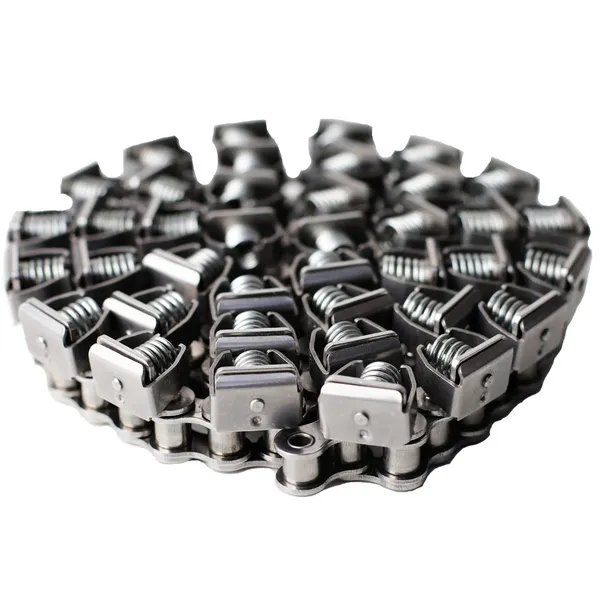
Qual è la capacità di carico di una catena di trasporto?
La capacità di carico di una catena di trasporto dipende da diversi fattori, tra cui il design della catena, il materiale, le dimensioni e le condizioni operative. È fondamentale considerare i requisiti specifici dell'applicazione quando si determina la capacità di carico di una catena di trasporto. Ecco alcuni fattori chiave da considerare:
- Design della catena: Le diverse tipologie di catene per nastri trasportatori hanno capacità di carico variabili. La progettazione della catena include fattori quali il tipo di maglie, la loro configurazione e la presenza di accessori o rulli.
- Materiale: Il materiale utilizzato per la fabbricazione della catena di trasporto influisce notevolmente sulla sua capacità di carico. I materiali più comuni includono acciaio, acciaio inossidabile e plastica. Le catene in acciaio sono generalmente più robuste e hanno una maggiore capacità di carico.
- Dimensioni della catena: Le dimensioni della catena di trasporto, inclusi il passo e la larghezza, influiscono sulla sua capacità di carico. Le catene più grandi con maglie più larghe tendono ad avere una maggiore capacità di carico.
- Condizioni operative: Fattori quali la velocità del nastro trasportatore, il tipo e il peso dei materiali trasportati e le condizioni ambientali (temperatura, umidità, ecc.) possono influire sulla capacità di carico della catena.
- Specifiche del produttore: È fondamentale consultare le specifiche e le linee guida del produttore per la catena di trasporto specifica che si intende utilizzare. I produttori in genere forniscono tabelle o grafici di capacità di carico basati sui loro modelli di catena.
La capacità di carico di una catena di trasporto viene generalmente specificata in termini di carico di lavoro massimo consentito o resistenza alla rottura. Questi valori vengono determinati attraverso rigorosi test e calcoli ingegneristici. Per garantire un funzionamento sicuro ed efficiente, è importante selezionare una catena di trasporto con una capacità di carico adeguata all'applicazione prevista. Il superamento della capacità di carico raccomandata può causare usura precoce, rottura della catena e potenziali rischi per la sicurezza.


editor by CX 2024-04-29