Opis produktu
Detailed Photos
Certifications
Packaging & Shipping
Company Profile
Kunyi Metal Materials Co., Ltd., formerly known as ZheJiang Yakuo Industry and Trade Co., Ltd., specializes in the production and sales of bicycle parts for 30 years. It is 1 of the large manufacturers of bicycle parts in the north. For the past 30 years, we have been exported to Central and Eastern Europe, South America, Southeast Asia, Africa and other regions, and have received widespread praise in the domestic and international markets. We adhere to the principle of “quality first, reputation guarantee, and customer satisfaction”, strive for integrity, pragmatism, and innovation, and look CHINAMFG to working with you for a CHINAMFG situation with our excellent technical strength and sincere service quality.
Często zadawane pytania
Q1: Are you a factory or trading company?
A: Our factory is 1 of the large manufacturers of bicycle and motorcycle parts in north China, which was founded in 1993. It’s located in Xihu (West Lake) Dis. County, LangFang City.
Q2: When can get the price?
A: We usually quote within 24 hours after getting your detailed requirements, like size, quantity etc. If it is an urgent order, you can call us directly.
Q3:Can I have my own customized product?
A: Yes, your customized requirements for color, size, logo, design, package, carton mark .etc. are welcome.
Q4:What is the MOQ?
A: Our MOQ is 500.
Q5:Do you charge for the sample?
A:There is no charge for the sample. We only charge for shipping.
Q6: How to deliver your product?
A: We cooperate with very reliable shipping company and agent, if you dont have your own agent, we can help you and give you suggestions and the most economic way for shipping by sea.
Q7: How does your factory carry out quality control?
A: We attach great importance to quality control. Every part of our products has its own QC.
/* 22 stycznia 2571 19:08:37 */!function(){function s(e,r){var a,o={};try{e&&e.split(„”,).forEach(function(e,t){e&&(a=e.match(/(.*?):(.*)$/))&&1
| After-sales Service: | Yes |
|---|---|
| Warranty: | 1 Year |
| Stan : schorzenie: | New |
| Certification: | CE |
| Dostosowane: | Niespersonalizowane |
| Aplikacja: | Kids Bike, Road Bike, Mountain Bike, Ordinary Bicycle |
| Próbki: | US$ 4/Piece 1 sztuka (minimalne zamówienie) | |
|---|
| Personalizacja: | Dostępny | Spersonalizowane żądanie |
|---|
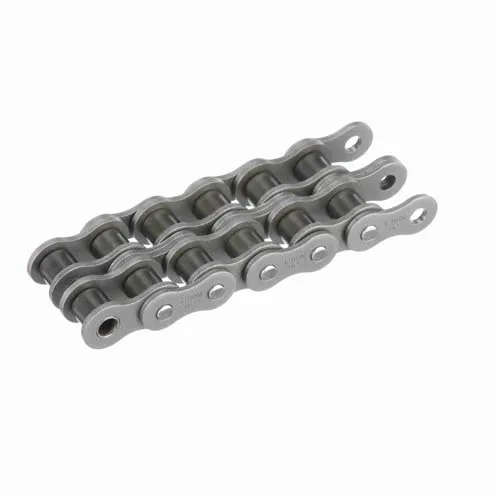
What are the considerations for selecting a low-maintenance conveyor chain?
When selecting a low-maintenance conveyor chain, several considerations should be taken into account:
1. Material Selection:
– Choose a conveyor chain made from materials that are resistant to wear, corrosion, and contamination. Stainless steel, plastic, or self-lubricating chains are commonly used for their durability and low maintenance requirements.
2. Lubrication-Free Design:
– Look for conveyor chains that have a self-lubricating design or are pre-lubricated with materials that reduce friction and eliminate the need for additional lubrication. This helps to minimize maintenance tasks associated with regular lubrication.
3. Sealed Construction:
– Consider conveyor chains with sealed construction to prevent the ingress of dirt, debris, and moisture. Sealed chains require less frequent cleaning and maintenance, making them ideal for low-maintenance applications.
4. Easy Cleaning:
– Opt for conveyor chains that are designed for easy cleaning. Smooth surfaces, open structures, and accessible components allow for quick and efficient cleaning, reducing maintenance time and effort.
5. Resistance to Contamination:
– Select a conveyor chain that is resistant to contamination. This includes resistance to chemicals, oils, greases, and other substances commonly found in the application environment. Chains that can withstand contamination require less frequent cleaning and maintenance.
6. Wear Monitoring:
– Look for conveyor chains that have wear monitoring features, such as wear indicators or sensors. These features help to identify chain wear and provide timely maintenance alerts, allowing for proactive replacement or adjustment.
7. Manufacturer Support:
– Consider the support provided by the chain manufacturer. A reputable manufacturer will offer guidance on maintenance intervals, replacement schedules, and provide technical assistance to ensure the proper functioning of the chain.
By considering these factors, you can select a low-maintenance conveyor chain that minimizes the need for frequent inspections, lubrication, cleaning, and replacement, resulting in reduced maintenance efforts and costs.
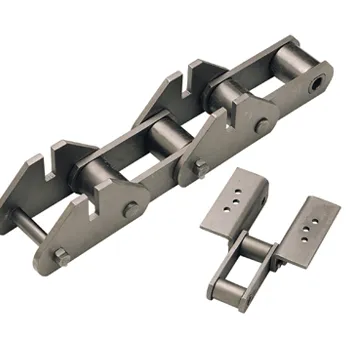
Jak łańcuch przenośnika wpływa na przepływ materiałów w linii produkcyjnej?
Łańcuch przenośnika odgrywa kluczową rolę w zapewnieniu płynnego i wydajnego przepływu materiałów na linii produkcyjnej. Oto kluczowe sposoby, w jakie łańcuch przenośnika wpływa na przepływ materiałów:
1. Ruch ciągły: Łańcuch przenośnika umożliwia ciągły ruch materiałów wzdłuż linii produkcyjnej. Bezpiecznie trzymając i transportując materiały, łańcuch zapewnia stały przepływ bez przerw i opóźnień.
2. Kontrola prędkości: Prędkość, z jaką porusza się łańcuch przenośnika, można regulować w celu dostosowania do żądanej wydajności produkcji. Pozwala to na precyzyjną kontrolę przepływu materiału, zapewniając jego zgodność z procesami zachodzącymi w dalszej części procesu i unikając wąskich gardeł lub przeciążeń.
3. Orientacja i pozycjonowanie: Łańcuchy przenośnikowe mogą być zaprojektowane z wykorzystaniem specjalnych elementów mocujących lub uchwytów, które umożliwiają orientację i pozycjonowanie materiałów w pożądany sposób. Zapewnia to prawidłowe ułożenie materiałów do przetwarzania, montażu lub pakowania, optymalizując cały przepływ produkcji.
4. Sortowanie i rozbieżność: W niektórych zastosowaniach łańcuchy przenośników mogą być wyposażone w mechanizmy sortowania lub rozbieżności materiałów w oparciu o ustalone kryteria. Pozwala to na efektywne kierowanie różnych produktów lub komponentów do odpowiednich miejsc docelowych, usprawniając przepływ materiałów.
5. Akumulacja i buforowanie: Łańcuchy przenośników mogą zawierać strefy akumulacji lub obszary buforowe, w których materiały mogą się tymczasowo zatrzymywać lub gromadzić. Funkcja ta jest przydatna w przypadku chwilowych zakłóceń w procesach produkcyjnych lub gdy zachodzi potrzeba zrównoważenia przepływu między różnymi etapami produkcji.
6. Integracja z urządzeniami: Łańcuchy przenośnikowe można zintegrować z innymi urządzeniami lub maszynami w linii produkcyjnej, takimi jak ramiona robotów, zautomatyzowane systemy pakowania czy stanowiska kontroli. Ta płynna integracja umożliwia zsynchronizowane przemieszczanie materiałów, optymalizując przepływ i wydajność całego procesu produkcyjnego.
7. Dostosowanie do specyficznych potrzeb: Łańcuchy przenośnikowe można dostosować do specyficznych wymagań w zakresie transportu materiałów. Obejmuje to takie aspekty, jak szerokość i długość łańcucha, regulacja wysokości, nachylenie lub spadek oraz specjalistyczne osprzęty lub prowadnice. Takie dostosowanie gwarantuje, że przepływ materiału jest dostosowany do unikalnych potrzeb linii produkcyjnej.
Zapewniając niezawodną i kontrolowaną metodę transportu materiałów, łańcuch przenośnika znacząco wpływa na przepływ materiałów na linii produkcyjnej. Zwiększa wydajność, ogranicza ręczną obsługę, minimalizuje ryzyko błędów i uszkodzeń, a ostatecznie przyczynia się do ogólnej wydajności i sukcesu procesu produkcyjnego.
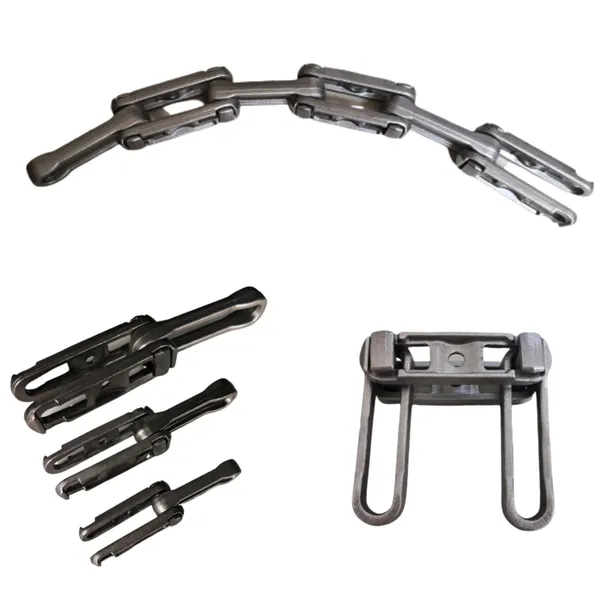
What are the signs of wear and tear in a conveyor chain?
Over time, a conveyor chain may experience wear and tear due to the demanding nature of material handling operations. Several signs indicate the need for maintenance or replacement of a conveyor chain. These signs of wear and tear include:
- Chain Elongation: One of the common signs of wear in a conveyor chain is elongation. As the chain wears, the pitch between the chain links gradually increases, resulting in a longer chain length. Excessive elongation can cause improper engagement with sprockets, leading to slippage or chain derailment.
- Chain Link Plate Wear: The link plates of a conveyor chain can experience wear on their surfaces. This wear is typically caused by friction against sprockets, guide rails, or other components. Signs of plate wear include thinning or deformation of the link plates, which can affect the overall strength and integrity of the chain.
- Sprocket Tooth Wear: The teeth of the sprockets that engage with the conveyor chain can also exhibit signs of wear. Over time, the teeth may become worn down, rounded, or have irregular shapes. This wear can cause improper chain engagement, resulting in reduced efficiency and potential chain slipping or skipping.
- Nadmierny hałas: Increased noise during the operation of the conveyor system can indicate wear and tear in the chain. Excessive wear can lead to metal-to-metal contact, resulting in noisy operation. Unusual squeaking, grinding, or rattling sounds are indicators that the chain may require inspection or maintenance.
- Visible Damage: Any visible damage to the chain, such as cracked or broken link plates, bent pins, or missing attachments, is a clear sign of wear and tear. These damages compromise the chain’s structural integrity and should be addressed promptly to prevent further issues or chain failure.
- Inconsistent Movement: If the conveyor chain starts to exhibit jerky or uneven movement, it may be a sign of wear or misalignment. Misalignment can occur due to worn chain links, damaged sprockets, or improper tensioning. Inconsistent movement can lead to reduced efficiency, increased wear, and potential chain failure.
Regular inspection and maintenance of the conveyor chain system are essential to identify these signs of wear and tear. Timely replacement of worn components and proper lubrication can help prolong the life of the chain and maintain efficient operation.


editor by CX 2024-03-26