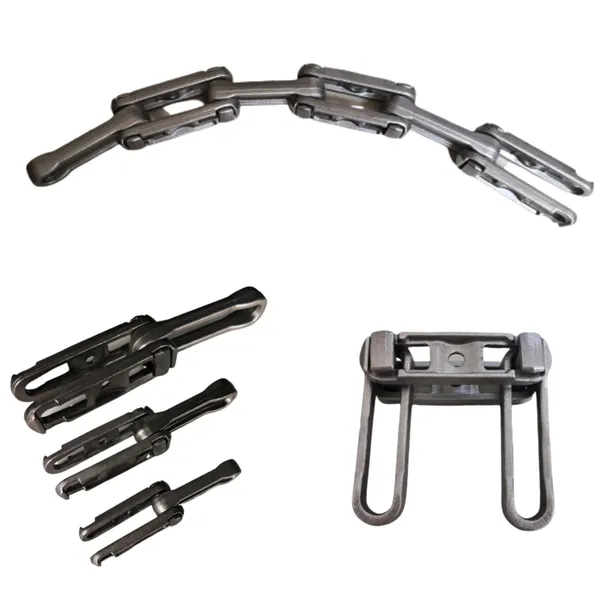
Description du produit
Detailed Photos
Certifications
Emballage et expédition
Profil de l'entreprise
Kunyi Metal Materials Co., Ltd., formerly known as ZheJiang Yakuo Industry and Trade Co., Ltd., specializes in the production and sales of bicycle parts for 30 years. It is 1 of the large manufacturers of bicycle parts in the north. For the past 30 years, we have been exported to Central and Eastern Europe, South America, Southeast Asia, Africa and other regions, and have received widespread praise in the domestic and international markets. We adhere to the principle of “quality first, reputation guarantee, and customer satisfaction”, strive for integrity, pragmatism, and innovation, and look CHINAMFG to working with you for a CHINAMFG situation with our excellent technical strength and sincere service quality.
FAQ
Q1: Are you a factory or trading company?
A: Our factory is 1 of the large manufacturers of bicycle and motorcycle parts in north China, which was founded in 1993. It’s located in Xihu (West Lake) Dis. County, LangFang City.
Q2: When can get the price?
A: We usually quote within 24 hours after getting your detailed requirements, like size, quantity etc. If it is an urgent order, you can call us directly.
Q3:Can I have my own customized product?
A: Yes, your customized requirements for color, size, logo, design, package, carton mark .etc. are welcome.
Q4:What is the MOQ?
A: Our MOQ is 500.
Q5:Do you charge for the sample?
A:There is no charge for the sample. We only charge for shipping.
Q6: How to deliver your product?
A: We cooperate with very reliable shipping company and agent, if you dont have your own agent, we can help you and give you suggestions and the most economic way for shipping by sea.
Q7: How does your factory carry out quality control?
A: We attach great importance to quality control. Every part of our products has its own QC.
/* 22 janvier 2571 19:08:37 */!function(){function s(e,r){var a,o={};try{e&&e.split(“,”).forEach(function(e,t){e&&(a=e.match(/(.*?):(.*)$/))&&1
| Service après-vente : | Yes |
|---|---|
| Garantie: | 1 an |
| Condition: | Nouveau |
| Certification : | CE |
| Customized: | Non-Customized |
| Application: | Kids Bike, Road Bike, Mountain Bike, Ordinary Bicycle |
| Exemples : | US$ 4/Piece 1 pièce (commande minimale) | |
|---|
| Personnalisation : | Disponible | Demande personnalisée |
|---|
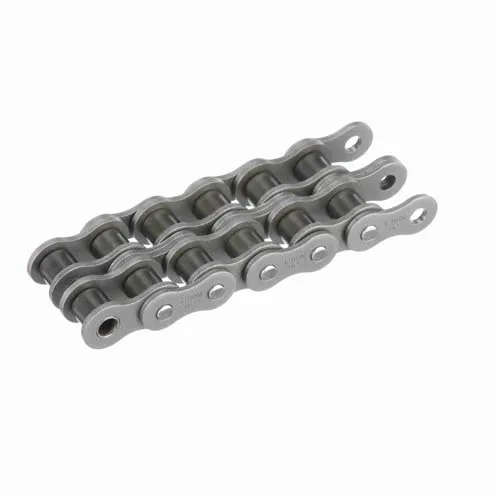
What are the considerations for selecting a low-maintenance conveyor chain?
When selecting a low-maintenance conveyor chain, several considerations should be taken into account:
1. Sélection des matériaux :
– Choose a conveyor chain made from materials that are resistant to wear, corrosion, and contamination. Stainless steel, plastic, or self-lubricating chains are commonly used for their durability and low maintenance requirements.
2. Lubrication-Free Design:
– Look for conveyor chains that have a self-lubricating design or are pre-lubricated with materials that reduce friction and eliminate the need for additional lubrication. This helps to minimize maintenance tasks associated with regular lubrication.
3. Sealed Construction:
– Consider conveyor chains with sealed construction to prevent the ingress of dirt, debris, and moisture. Sealed chains require less frequent cleaning and maintenance, making them ideal for low-maintenance applications.
4. Easy Cleaning:
– Opt for conveyor chains that are designed for easy cleaning. Smooth surfaces, open structures, and accessible components allow for quick and efficient cleaning, reducing maintenance time and effort.
5. Resistance to Contamination:
– Select a conveyor chain that is resistant to contamination. This includes resistance to chemicals, oils, greases, and other substances commonly found in the application environment. Chains that can withstand contamination require less frequent cleaning and maintenance.
6. Wear Monitoring:
– Look for conveyor chains that have wear monitoring features, such as wear indicators or sensors. These features help to identify chain wear and provide timely maintenance alerts, allowing for proactive replacement or adjustment.
7. Manufacturer Support:
– Consider the support provided by the chain manufacturer. A reputable manufacturer will offer guidance on maintenance intervals, replacement schedules, and provide technical assistance to ensure the proper functioning of the chain.
By considering these factors, you can select a low-maintenance conveyor chain that minimizes the need for frequent inspections, lubrication, cleaning, and replacement, resulting in reduced maintenance efforts and costs.
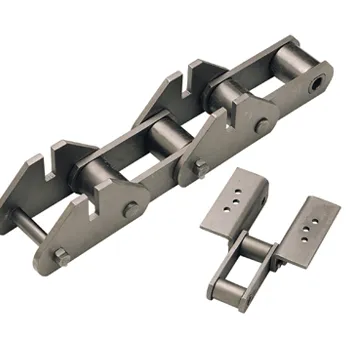
Quel est l'impact d'une chaîne de convoyage sur le flux de matériaux dans une ligne de production ?
Une chaîne de convoyage joue un rôle crucial dans la fluidité et l'efficacité du flux de matériaux sur une ligne de production. Voici les principaux impacts d'une chaîne de convoyage sur ce flux :
1. Mouvement continu : Une chaîne de convoyage permet le déplacement continu des matériaux le long de la ligne de production. En maintenant et en transportant les matériaux en toute sécurité, la chaîne assure un flux constant, sans interruption ni retard.
2. Contrôle de la vitesse : La vitesse de déplacement de la chaîne du convoyeur peut être ajustée en fonction du débit de production souhaité. Ceci permet un contrôle précis du flux de matières, garantissant son alignement avec les processus en aval et évitant les goulots d’étranglement et les surcharges.
3. Orientation et positionnement : Les chaînes de convoyage peuvent être conçues avec des dispositifs spécifiques permettant d’orienter et de positionner les matériaux selon les besoins. Ceci garantit une présentation correcte des matériaux pour le traitement, l’assemblage ou le conditionnement, optimisant ainsi le flux de production global.
4. Tri et déviation : Dans certaines applications, les chaînes de convoyage peuvent être équipées de mécanismes de tri ou de déviation des matériaux selon des critères prédéfinis. Ceci permet un acheminement efficace des différents produits ou composants vers leurs destinations respectives, optimisant ainsi le flux de matières.
5. Accumulation et tampon : Les chaînes de convoyage peuvent intégrer des zones d’accumulation ou des zones tampons où les matériaux peuvent s’arrêter ou s’accumuler temporairement. Cette fonctionnalité est utile lorsque les processus en aval subissent des interruptions temporaires ou lorsqu’il est nécessaire d’équilibrer le flux entre les différentes étapes de production.
6. Intégration aux équipements : Les chaînes de convoyage peuvent être intégrées à d’autres équipements ou machines de la ligne de production, tels que des bras robotisés, des systèmes d’emballage automatisés ou des postes d’inspection. Cette intégration fluide permet une manutention synchronisée des matériaux, optimisant ainsi le flux et l’efficacité de l’ensemble du processus de production.
7. Personnalisation pour des besoins spécifiques : Les chaînes de convoyeurs peuvent être personnalisées pour répondre aux exigences spécifiques de manutention des matériaux. Cela inclut des aspects tels que la largeur, la longueur et la hauteur de la chaîne, les inclinaisons et les descentes, ainsi que les accessoires ou guides spécialisés. Cette personnalisation garantit que le flux de matériaux est adapté aux besoins uniques de la ligne de production.
En assurant un transport fiable et contrôlé des matériaux, une chaîne de convoyage influence considérablement le flux de matières dans une ligne de production. Elle améliore la productivité, réduit la manutention manuelle, minimise les risques d'erreurs ou de dommages et contribue ainsi à l'efficacité et à la réussite globales du processus de fabrication.
What are the signs of wear and tear in a conveyor chain?
Over time, a conveyor chain may experience wear and tear due to the demanding nature of material handling operations. Several signs indicate the need for maintenance or replacement of a conveyor chain. These signs of wear and tear include:
- Chain Elongation: One of the common signs of wear in a conveyor chain is elongation. As the chain wears, the pitch between the chain links gradually increases, resulting in a longer chain length. Excessive elongation can cause improper engagement with sprockets, leading to slippage or chain derailment.
- Chain Link Plate Wear: The link plates of a conveyor chain can experience wear on their surfaces. This wear is typically caused by friction against sprockets, guide rails, or other components. Signs of plate wear include thinning or deformation of the link plates, which can affect the overall strength and integrity of the chain.
- Sprocket Tooth Wear: The teeth of the sprockets that engage with the conveyor chain can also exhibit signs of wear. Over time, the teeth may become worn down, rounded, or have irregular shapes. This wear can cause improper chain engagement, resulting in reduced efficiency and potential chain slipping or skipping.
- Excessive Noise: Increased noise during the operation of the conveyor system can indicate wear and tear in the chain. Excessive wear can lead to metal-to-metal contact, resulting in noisy operation. Unusual squeaking, grinding, or rattling sounds are indicators that the chain may require inspection or maintenance.
- Visible Damage: Any visible damage to the chain, such as cracked or broken link plates, bent pins, or missing attachments, is a clear sign of wear and tear. These damages compromise the chain’s structural integrity and should be addressed promptly to prevent further issues or chain failure.
- Inconsistent Movement: If the conveyor chain starts to exhibit jerky or uneven movement, it may be a sign of wear or misalignment. Misalignment can occur due to worn chain links, damaged sprockets, or improper tensioning. Inconsistent movement can lead to reduced efficiency, increased wear, and potential chain failure.
Regular inspection and maintenance of the conveyor chain system are essential to identify these signs of wear and tear. Timely replacement of worn components and proper lubrication can help prolong the life of the chain and maintain efficient operation.


editor by CX 2024-03-26