Descrizione del prodotto
Detailed Photos
Certificazioni
Imballaggio e spedizione
Profilo Aziendale
Kunyi Metal Materials Co., Ltd., formerly known as ZheJiang Yakuo Industry and Trade Co., Ltd., specializes in the production and sales of bicycle parts for 30 years. It is 1 of the large manufacturers of bicycle parts in the north. For the past 30 years, we have been exported to Central and Eastern Europe, South America, Southeast Asia, Africa and other regions, and have received widespread praise in the domestic and international markets. We adhere to the principle of “quality first, reputation guarantee, and customer satisfaction”, strive for integrity, pragmatism, and innovation, and look CHINAMFG to working with you for a CHINAMFG situation with our excellent technical strength and sincere service quality.
FAQ
Q1: Are you a factory or trading company?
A: Our factory is 1 of the large manufacturers of bicycle and motorcycle parts in north China, which was founded in 1993. It’s located in Xihu (West Lake) Dis. County, LangFang City.
Q2: When can get the price?
A: We usually quote within 24 hours after getting your detailed requirements, like size, quantity etc. If it is an urgent order, you can call us directly.
Q3:Can I have my own customized product?
A: Yes, your customized requirements for color, size, logo, design, package, carton mark .etc. are welcome.
Q4:What is the MOQ?
A: Our MOQ is 500.
Q5:Do you charge for the sample?
A:There is no charge for the sample. We only charge for shipping.
Q6: How to deliver your product?
A: We cooperate with very reliable shipping company and agent, if you dont have your own agent, we can help you and give you suggestions and the most economic way for shipping by sea.
Q7: How does your factory carry out quality control?
A: We attach great importance to quality control. Every part of our products has its own QC.
/* 22 gennaio 2571 19:08:37 */!function(){function s(e,r){var a,o={};try{e&&e.split(“,”).forEach(function(e,t){e&&(a=e.match(/(.*?):(.*)$/))&&1
| After-sales Service: | Yes |
|---|---|
| Garanzia: | 1 Year |
| Condizione: | New |
| Certification: | CE |
| Personalizzato: | Non personalizzato |
| Applicazione: | Kids Bike, Road Bike, Mountain Bike, Ordinary Bicycle |
| Esempi: | US$ 4/Piece 1 pezzo (ordine minimo) | |
|---|
| Personalizzazione: | Disponibile | Richiesta personalizzata |
|---|
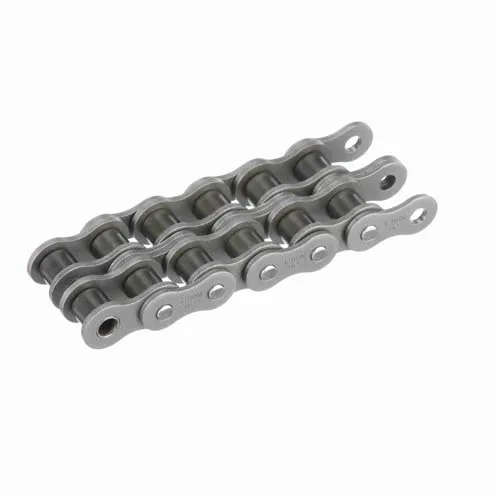
What are the considerations for selecting a low-maintenance conveyor chain?
When selecting a low-maintenance conveyor chain, several considerations should be taken into account:
1. Material Selection:
– Choose a conveyor chain made from materials that are resistant to wear, corrosion, and contamination. Stainless steel, plastic, or self-lubricating chains are commonly used for their durability and low maintenance requirements.
2. Lubrication-Free Design:
– Look for conveyor chains that have a self-lubricating design or are pre-lubricated with materials that reduce friction and eliminate the need for additional lubrication. This helps to minimize maintenance tasks associated with regular lubrication.
3. Sealed Construction:
– Consider conveyor chains with sealed construction to prevent the ingress of dirt, debris, and moisture. Sealed chains require less frequent cleaning and maintenance, making them ideal for low-maintenance applications.
4. Easy Cleaning:
– Opt for conveyor chains that are designed for easy cleaning. Smooth surfaces, open structures, and accessible components allow for quick and efficient cleaning, reducing maintenance time and effort.
5. Resistance to Contamination:
– Select a conveyor chain that is resistant to contamination. This includes resistance to chemicals, oils, greases, and other substances commonly found in the application environment. Chains that can withstand contamination require less frequent cleaning and maintenance.
6. Wear Monitoring:
– Look for conveyor chains that have wear monitoring features, such as wear indicators or sensors. These features help to identify chain wear and provide timely maintenance alerts, allowing for proactive replacement or adjustment.
7. Manufacturer Support:
– Consider the support provided by the chain manufacturer. A reputable manufacturer will offer guidance on maintenance intervals, replacement schedules, and provide technical assistance to ensure the proper functioning of the chain.
By considering these factors, you can select a low-maintenance conveyor chain that minimizes the need for frequent inspections, lubrication, cleaning, and replacement, resulting in reduced maintenance efforts and costs.
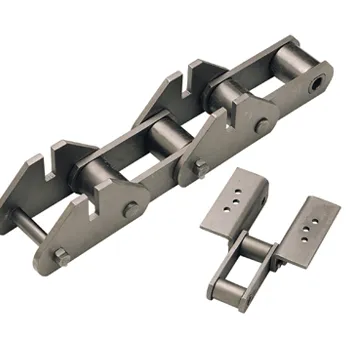
In che modo una catena di trasporto influisce sul flusso dei materiali in una linea di produzione?
Una catena di trasporto svolge un ruolo cruciale nel facilitare il flusso regolare ed efficiente dei materiali in una linea di produzione. Ecco i principali modi in cui una catena di trasporto influisce sul flusso dei materiali:
1. Movimento continuo: una catena di trasporto consente il movimento continuo dei materiali lungo la linea di produzione. Trattenendo e trasportando i materiali in modo sicuro, la catena garantisce un flusso costante senza interruzioni o ritardi.
2. Controllo della velocità: La velocità di movimento della catena di trasporto può essere regolata in base alla velocità di produzione desiderata. Ciò consente un controllo preciso del flusso di materiale, garantendo l'allineamento con i processi a valle ed evitando colli di bottiglia o sovraccarichi.
3. Orientamento e posizionamento: le catene di trasporto possono essere progettate con accessori o dispositivi specifici per orientare e posizionare i materiali nel modo desiderato. Ciò garantisce che i materiali siano presentati correttamente per la lavorazione, l'assemblaggio o l'imballaggio, ottimizzando il flusso produttivo complessivo.
4. Smistamento e deviazione: In alcune applicazioni, le catene di trasporto possono essere dotate di meccanismi per lo smistamento o la deviazione dei materiali in base a criteri predeterminati. Ciò consente un instradamento efficiente di diversi prodotti o componenti verso le rispettive destinazioni, ottimizzando il flusso dei materiali.
5. Accumulo e buffer: le catene di trasporto possono includere zone di accumulo o aree di buffer in cui i materiali possono temporaneamente fermarsi o accumularsi. Questa caratteristica è utile quando i processi a valle subiscono interruzioni temporanee o quando è necessario bilanciare il flusso tra le diverse fasi di produzione.
6. Integrazione con le attrezzature: Le catene di trasporto possono essere integrate con altre attrezzature o macchine presenti nella linea di produzione, come bracci robotici, sistemi di confezionamento automatizzati o stazioni di ispezione. Questa integrazione senza soluzione di continuità consente una movimentazione sincronizzata dei materiali, ottimizzando il flusso e l'efficienza dell'intero processo produttivo.
7. Personalizzazione per esigenze specifiche: le catene di trasporto possono essere personalizzate per soddisfare requisiti specifici di movimentazione dei materiali. Ciò include considerazioni quali larghezza, lunghezza, regolazione dell'altezza, pendenze e accessori o guide speciali. Tale personalizzazione garantisce che il flusso dei materiali sia adattato alle esigenze specifiche della linea di produzione.
Fornendo un metodo affidabile e controllato per il trasporto dei materiali, una catena di trasporto influenza significativamente il flusso dei materiali in una linea di produzione. Aumenta la produttività, riduce la movimentazione manuale, minimizza il rischio di errori o danni e, in definitiva, contribuisce all'efficienza complessiva e al successo del processo produttivo.
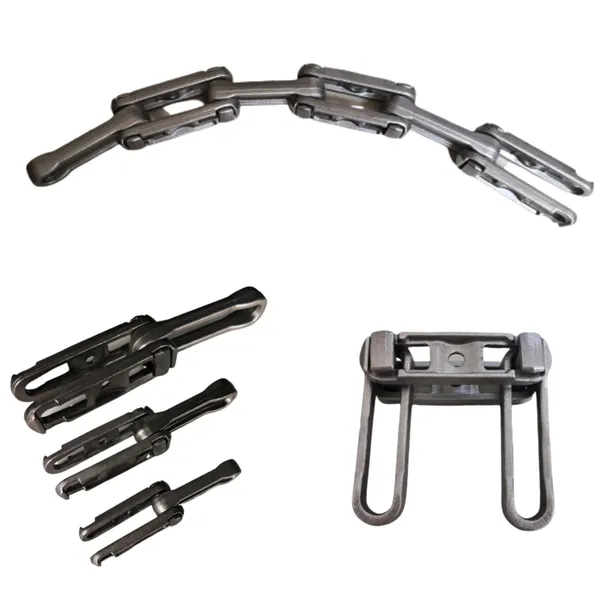
What are the signs of wear and tear in a conveyor chain?
Over time, a conveyor chain may experience wear and tear due to the demanding nature of material handling operations. Several signs indicate the need for maintenance or replacement of a conveyor chain. These signs of wear and tear include:
- Chain Elongation: One of the common signs of wear in a conveyor chain is elongation. As the chain wears, the pitch between the chain links gradually increases, resulting in a longer chain length. Excessive elongation can cause improper engagement with sprockets, leading to slippage or chain derailment.
- Chain Link Plate Wear: The link plates of a conveyor chain can experience wear on their surfaces. This wear is typically caused by friction against sprockets, guide rails, or other components. Signs of plate wear include thinning or deformation of the link plates, which can affect the overall strength and integrity of the chain.
- Sprocket Tooth Wear: The teeth of the sprockets that engage with the conveyor chain can also exhibit signs of wear. Over time, the teeth may become worn down, rounded, or have irregular shapes. This wear can cause improper chain engagement, resulting in reduced efficiency and potential chain slipping or skipping.
- Rumore eccessivo: Increased noise during the operation of the conveyor system can indicate wear and tear in the chain. Excessive wear can lead to metal-to-metal contact, resulting in noisy operation. Unusual squeaking, grinding, or rattling sounds are indicators that the chain may require inspection or maintenance.
- Visible Damage: Any visible damage to the chain, such as cracked or broken link plates, bent pins, or missing attachments, is a clear sign of wear and tear. These damages compromise the chain’s structural integrity and should be addressed promptly to prevent further issues or chain failure.
- Inconsistent Movement: If the conveyor chain starts to exhibit jerky or uneven movement, it may be a sign of wear or misalignment. Misalignment can occur due to worn chain links, damaged sprockets, or improper tensioning. Inconsistent movement can lead to reduced efficiency, increased wear, and potential chain failure.
Regular inspection and maintenance of the conveyor chain system are essential to identify these signs of wear and tear. Timely replacement of worn components and proper lubrication can help prolong the life of the chain and maintain efficient operation.


editor by CX 2024-03-26