Descrição do produto
OUR PRODUCTS LIST:
A and B series single/double/triple standard roller chain and no-standard roller chain
| DIN/ISO | ANSI | Tom | Roller | Largura | Alfinete | Alfinete | Lnner | Placa | Ultimate | Average | weight | |
| KIN/ISO | ANSL | entre | diâmetro | comprimento | plate | thick | tensile | tensile | por | |||
| Corrente | Corrente | inner plates | profundidade | -ness | força | força | medidor | |||||
| No. | No. | P | d1 | b1 | d2 | L | Lc | h2 | T | Q | Q0 | q |
| max | min | max | max | max | max | max | min | |||||
| mm | mm | mm | mm | mm | mm | mm | mm | kN/LB | kN | kg/m | ||
| *03C | *15 | 4.7625 | 2.48 | 2.38 | 1.62 | 6.1 | 6.9 | 4.3 | 0.6 | 1.80/409 | 2 | 0.08 |
| *04C-1 | *25 | 6.35 | 3.3 | 3.18 | 2.31 | 7.9 | 8.4 | 6 | 0.8 | 3.50/795 | 4.6 | 0.15 |
| *06C-1 | *35 | 9.525 | 5.08 | 4.77 | 3.58 | 12.4 | 13.17 | 9 | 1.3 | 7.90/1795 | 10.8 | 0.33 |
| 085-1 | 41 | 12.7 | 7.77 | 6.25 | 3.58 | 13.75 | 15 | 9.91 | 1.3 | 6.67/1516 | 12.6 | 0.41 |
| 08A-1 | 40 | 12.7 | 7.95 | 7.85 | 3.96 | 16.6 | 17.8 | 12 | 1.5 | 14.10/3205 | 17.5 | 0.62 |
| 10A-1 | 50 | 15.875 | 10.16 | 9.4 | 5.08 | 20.7 | 22.2 | 15.09 | 2.03 | 22.20/5045 | 29.4 | 1.02 |
| 12A-1 | 60 | 19.05 | 11.91 | 12.57 | 5.94 | 25.9 | 27.7 | 18 | 2.42 | 31.80/7227 | 41.5 | 1.5 |
| 16A-1 | 80 | 25.4 | 15.88 | 15.75 | 7.92 | 32.7 | 35 | 24 | 3.25 | 59.70/12886 | 69.4 | 2.6 |
| 20A-1 | 100 | 31.75 | 19.05 | 18.9 | 9.53 | 40.4 | 44.7 | 30 | 4 | 88.50/20114 | 109.2 | 3.91 |
| 24A-1 | 120 | 38.1 | 22.23 | 25.22 | 11.1 | 50.3 | 54.3 | 35.7 | 4.8 | 127.00/28864 | 156.3 | 5.62 |
| 28A-1 | 140 | 44.45 | 25.4 | 25.22 | 12.7 | 54.4 | 59 | 41 | 5.6 | 172.40/39182 | 212 | 7.5 |
| 32A-1 | 160 | 50.8 | 28.58 | 31.55 | 14.27 | 64.8 | 69.6 | 47.8 | 6.4 | 226.80/51545 | 278.9 | 1.1 |
| 36A-1 | 180 | 57.15 | 35.71 | 35.48 | 17.46 | 72.8 | 78.6 | 53.6 | 7.2 | 280.20/63682 | 341.8 | 13.45 |
| 40A-1 | 200 | 63.5 | 39.68 | 37.85 | 19.85 | 80.3 | 87.2 | 60 | 8 | 353.80/80409 | 431.6 | 16.15 |
| 48A-1 | 240 | 76.2 | 47.63 | 47.35 | 23.81 | 90.5 | 103 | 72.39 | 9.5 | 51.30/115977 | 622.5 | 23.2 |
| DIN/ISO | Tom | Roller | Largura | Alfinete | Alfinete | Lnner | Placa | Ultimate | Average | weight | |
| KIN/ISO | entre | diâmetro | comprimento | plate | thick | tensile | tensile | por | |||
| Corrente | inner plates | profundidade | -ness | força | força | medidor | |||||
| No. | P | d1 | b1 | d2 | L | Lc | h2 | T | Q | Q0 | q |
| max | min | max | max | max | max | max | min | ||||
| mm | mm | mm | mm | mm | mm | mm | mm | kN/LB | kN | kg/m | |
| 04B-1 | 6 | 4 | 2.8 | 1.85 | 6.8 | 7.8 | 5 | 0.6 | 3.2/682 | 3.2 | 0.11 |
| 05B-1 | 8 | 5 | 3 | 2.31 | 8.2 | 8.9 | 7.1 | 0.8 | 5.0/1136 | 5.9 | 0.2 |
| *06B-1 | 9.525 | 6.35 | 5.72 | 3.28 | 13.15 | 14.1 | 8.2 | 1.3 | 9.0/2045 | 10.4 | 0.41 |
| 08B-1 | 12.7 | 8.51 | 7.75 | 4.45 | 16.7 | 18.2 | 11.8 | 1.6 | 18.0/4091 | 19.4 | 0.69 |
| 10B-1 | 15.875 | 10.16 | 9.65 | 5.08 | 19.5 | 20.9 | 14.7 | 1.7 | 22.4/5091 | 27.5 | 0.93 |
| 12B-1 | 19.05 | 12.07 | 11.68 | 5.72 | 22.5 | 24.2 | 16 | 1.85 | 29.0/6591 | 32.2 | 1.15 |
| 16B-1 | 25.4 | 15.88 | 17.02 | 8.28 | 36.1 | 37.4 | 21 | 4.15/3.1 | 60.0/13636 | 72.8 | 2.71 |
| 20B-1 | 31.75 | 19.05 | 19.56 | 10.19 | 41.3 | 45 | 26.4 | 4.5/3.5 | 95.0/21591 | 106.7 | 3.7 |
| 24B-1 | 38.1 | 25.4 | 25.4 | 14.63 | 53.4 | 57.8 | 33.2 | 6.0/4.8 | 160.0/36364 | 178 | 7.1 |
| 28B-1 | 44.45 | 27.94 | 30.99 | 15.9 | 65.1 | 69.5 | 36.7 | 7.5/6.0 | 200.0/45455 | 222 | 8.5 |
| 32B-1 | 50.8 | 29.21 | 30.99 | 17.81 | 66 | 71 | 42 | 7.0/6.0 | 250.0/56818 | 277.5 | 10.25 |
| 40B-1 | 63.5 | 39.37 | 38.1 | 22.89 | 82.2 | 89.2 | 52.96 | 8.5/8.0 | 355.0/80682 | 394 | 16.35 |
| 48B-1 | 76.2 | 48.26 | 45.72 | 29.24 | 99.1 | 107 | 63.8 | 560.0/127272 | 621.6 | 25 | |
Products show
Our workshop and hot treatment equipment.
Perguntas frequentes
Q1. What is your terms of packing?
A: Generally, we pack our goods in single color box. If you have special request about packing, pls negotiate with us in advance, we can pack the goods as your request.
Q2. What is your terms of payment?
A: T/T 30% as deposit, and 70% before delivery. We’ll show you the photos of the products and packages
before you pay the balance. Other payments terms, pls negotiate with us in advance, we can discuss.
Q3. What is your terms of delivery?
A: EXW, FOB, CFR, CIF.
Q4. How about your delivery time?
A: Generally, it will take 25 to 30 days after receiving your advance payment. The specific delivery time depends
on the items and the quantity of your order.
Q5. Can you produce according to the samples?
A: Yes, we can produce by your samples or technical drawings. We can build the molds and fixtures.
Q6. What is your sample policy?
A: We can supply the sample if we have ready parts in stock, but the customers have to pay the sample cost and
the courier cost.We welcome sample order.
Q7. Do you test all your goods before delivery?
A: Yes, we have 100% test before delivery
Q8: How do you make our business long-term and good relationship?
1. We keep good quality and competitive price to ensure our customers benefit ;
2. We respect every customer as our friend and we sincerely do business and make friends with them,
no matter where they come from.
| Material: | Liga |
|---|---|
| Estrutura: | Corrente de rolos |
| Tratamento de superfície: | Polimento |
| Tamanho da corrente: | 1/2"*11/128" |
| Recurso: | Resistente ao fogo, resistente a óleo, resistente ao calor. |
| Pacote de transporte: | Non-Fumigation Wooden Box, by Air, by Ocean |
| Exemplos: | US$ 2/Meter 1 metro (pedido mínimo) | |
|---|
| Personalização: | Disponível | Solicitação personalizada |
|---|
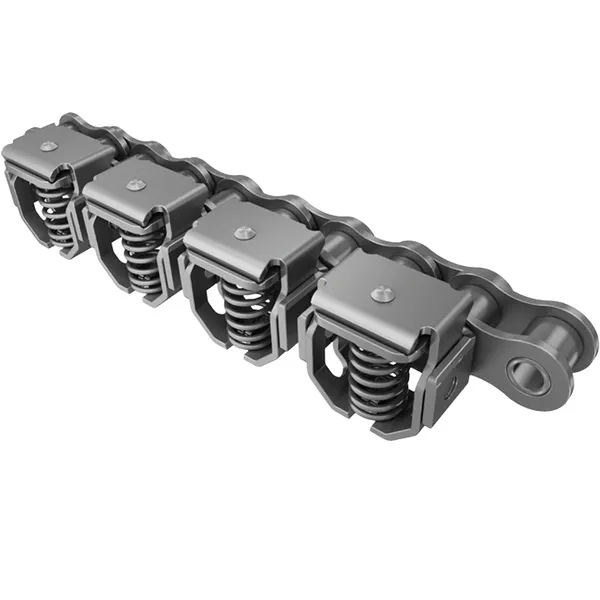
Quais são os benefícios de usar um sistema de corrente transportadora aérea?
A utilização de um sistema de corrente transportadora aérea oferece diversas vantagens em várias aplicações industriais. Aqui estão algumas das principais vantagens:
1. Otimização de espaço:
– Os sistemas de esteiras aéreas aproveitam o espaço vertical, permitindo o uso eficiente da área disponível no piso. Isso é especialmente vantajoso em instalações com área limitada, pois possibilita o manuseio eficiente de materiais e o fluxo de produção sem obstruir a área de trabalho.
2. Flexibilidade e Versatilidade:
– As correntes transportadoras aéreas oferecem flexibilidade no roteamento e podem ser personalizadas para atender aos requisitos específicos de layout da instalação. Elas podem percorrer diferentes áreas, incluindo linhas de montagem, cabines de pintura, áreas de armazenamento e muito mais. A versatilidade dos sistemas aéreos permite uma movimentação de materiais eficiente e adaptável.
3. Segurança aprimorada:
– As correntes transportadoras aéreas minimizam as obstruções ao nível do solo, reduzindo o risco de tropeços e acidentes. Os operadores e trabalhadores podem circular com segurança na área de trabalho sem interferência do sistema de transporte.
4. Proteção do produto:
– As correntes transportadoras aéreas oferecem melhor proteção aos produtos transportados. Ao manter os produtos elevados e afastados de possíveis riscos no chão, como poeira, detritos ou derramamentos, o risco de danos ou contaminação do produto é reduzido.
5. Maior Eficiência:
– Os sistemas de transporte aéreo podem aumentar a eficiência da produção, facilitando o fluxo contínuo de materiais e reduzindo o manuseio manual. Eles permitem o carregamento e descarregamento automatizados de materiais, resultando em tempos de processamento mais rápidos e maior produtividade geral.
6. Manutenção fácil:
– As correntes transportadoras aéreas são geralmente projetadas para facilitar a manutenção. Componentes como correntes, carrinhos e acionamentos podem ser acessados e reparados com facilidade, minimizando o tempo de inatividade e os custos de manutenção.
7. Personalização e integração:
– As correntes transportadoras aéreas podem ser personalizadas para atender a requisitos específicos de aplicação, incluindo capacidade de carga, velocidade e sistemas de controle. Elas também podem ser integradas a outros sistemas automatizados, como estações de trabalho robóticas ou mecanismos de triagem, para otimizar ainda mais o processo de movimentação de materiais.
De forma geral, o uso de um sistema de esteiras aéreas proporciona um manuseio eficiente de materiais, maximiza o aproveitamento do espaço, aumenta a segurança e melhora a produtividade em ambientes industriais.
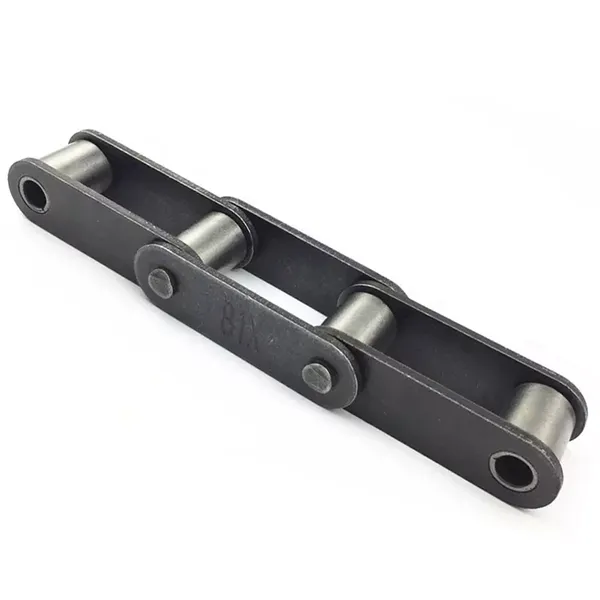
Quais são as tendências e avanços futuros na tecnologia de correntes transportadoras?
O setor de tecnologia de correntes transportadoras está em constante evolução, impulsionado pela necessidade de maior eficiência, produtividade e sustentabilidade. A seguir, algumas das tendências e avanços futuros na tecnologia de correntes transportadoras:
1. Automação e robótica: A integração de esteiras transportadoras com sistemas de automação e robótica é uma tendência crescente. Isso inclui o uso de sensores avançados, visão computacional e inteligência artificial para permitir operação autônoma, posicionamento preciso e manuseio eficiente de materiais.
2. Sistemas inteligentes e conectados: As correntes transportadoras estão cada vez mais conectadas por meio da tecnologia da Internet das Coisas (IoT). Isso permite o monitoramento em tempo real, a coleta de dados e a análise de diversos parâmetros de desempenho, como desgaste da corrente, tensão, temperatura e consumo de energia. Os sistemas inteligentes podem otimizar os cronogramas de manutenção, detectar possíveis falhas e melhorar a eficiência geral do sistema.
3. Materiais leves e de alta resistência: O desenvolvimento de materiais leves, porém de alta resistência, é um foco constante na tecnologia de correntes transportadoras. Ligas avançadas, compósitos e plásticos de engenharia oferecem melhores relações resistência/peso, reduzindo o consumo de energia e aumentando a capacidade de carga dos sistemas de transporte.
4. Eficiência energética: A eficiência energética é uma consideração fundamental no projeto de correntes transportadoras. Os avanços futuros visam minimizar o consumo de energia por meio do uso de sistemas de acionamento eficientes, frenagem regenerativa e algoritmos de controle inteligentes que otimizam os perfis de velocidade e aceleração. Tecnologias de recuperação de energia, como acionamentos regenerativos, também podem capturar e reutilizar energia durante a desaceleração ou frenagem.
5. Sustentabilidade e respeito ao meio ambiente: A tecnologia de correntes transportadoras está caminhando em direção a soluções mais sustentáveis e ecológicas. Isso inclui o uso de materiais ecologicamente corretos, técnicas de lubrificação aprimoradas para minimizar o impacto ambiental e a adoção de componentes e sistemas energeticamente eficientes. Os conceitos de reciclagem e economia circular também estão ganhando destaque no projeto e na fabricação de correntes transportadoras.
6. Monitoramento avançado de desgaste e manutenção preditiva: O futuro da tecnologia de correntes transportadoras envolve sistemas avançados de monitoramento de desgaste que podem prever com precisão a vida útil restante das correntes e componentes. Isso permite o planejamento proativo da manutenção e reduz o tempo de inatividade não planejado. Algoritmos de manutenção preditiva analisam os dados coletados pelos sensores e fornecem alertas oportunos para a substituição ou reparo da corrente.
Esses são apenas alguns exemplos das tendências e avanços futuros na tecnologia de correntes transportadoras. À medida que a tecnologia continua a evoluir, podemos esperar mais inovações que aprimorem o desempenho, a eficiência, a confiabilidade e a sustentabilidade dos sistemas de transporte.
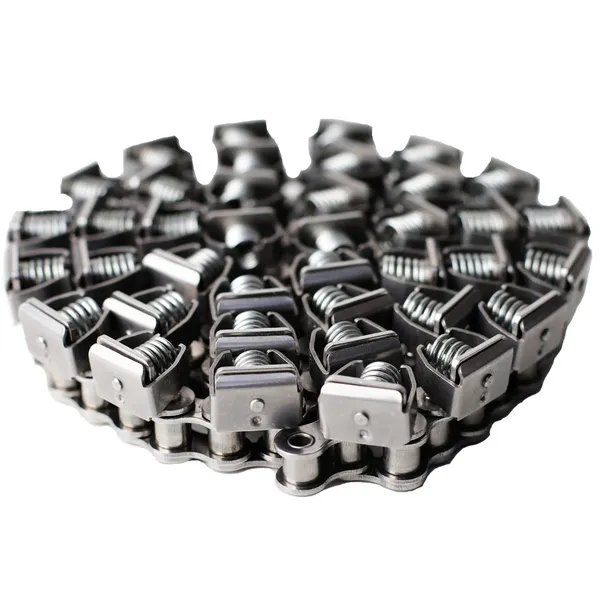
O que é uma corrente transportadora e como ela funciona?
Uma corrente transportadora é um tipo de corrente mecânica projetada especificamente para uso em sistemas de transporte. Ela é composta por uma série de elos interligados que formam um circuito contínuo. Os elos são geralmente feitos de metal e unidos por pinos ou outros elementos de conexão.
As correntes transportadoras funcionam transferindo energia e movimento do mecanismo de acionamento, como um motor ou uma roda dentada, para o sistema de transporte, movimentando materiais ou produtos ao longo de um percurso predeterminado. A corrente é colocada sobre um trilho ou guias e, à medida que se move, transporta a carga que lhe é imposta.
O funcionamento de uma corrente transportadora envolve as seguintes etapas:
- Transmissão de energia:
O mecanismo de acionamento transfere a energia rotacional para a corrente transportadora, normalmente através de um motor e rodas dentadas. O motor fornece o torque necessário para acionar a corrente.
- Tração e movimento:
À medida que o mecanismo de acionamento gira as rodas dentadas, os dentes destas engatam nos elos da corrente transportadora. Essa interação cria tração, fazendo com que a corrente se mova ao longo do caminho desejado.
- Capacidade de carga:
A carga a ser transportada é colocada na corrente transportadora. A carga pode ser composta por produtos, materiais ou outros itens. À medida que a corrente se move, ela transporta a carga ao longo do sistema de esteiras, permitindo um transporte ou manuseio eficiente.
- Apoio e orientação:
A corrente transportadora é suportada e guiada por diversos componentes, como trilhos-guia, roletes ou tiras de desgaste. Esses componentes garantem o alinhamento correto e o movimento suave da corrente ao longo do sistema transportador.
As correntes transportadoras são comumente utilizadas em indústrias como manufatura, logística, embalagem e movimentação de materiais. Elas oferecem um método confiável e eficiente para movimentar produtos ou materiais de forma controlada e automatizada.


editor by CX 2023-07-19