Ürün Açıklaması
Double Pitch Transmission Chains with K1 Attachments -2040k1
A. Our Services:
1. Any of your kind inquiry about chain would be replied within 24 hours.
2. Well-trained and experienced sales staffs will reply all your concerns in fluent English.
3. OEM services are available with us, our professional designer would make your private idea into being.
4. Protection of your sales area, ideas of design and all your private information.
5. Delivery by air mail or ship for your orders.
6. With years of manufacture and promotion experience in global market, brings you profit and great success!
B.Technical parameters
C. Company show & Product Process
D. Ambalajlama
| Packaging Details: | Chain+Plastic Bag+Neutral Box+Wooden case+Big Carton+Steel Pallets |
| Delivery Detail: | five weeks |
E. FAQ:
1. Üretici misiniz yoksa ticaret şirketi misiniz?
1991 yılında kurulan ve uluslararası hizmet veren bir ticaret ekibine sahip bir fabrikayız.
2. Genellikle hangi ödeme yöntemlerini kullanıyorsunuz?
T/T 30% depozito ve 70% belge karşılığı, Western Union, akreditif (L/C) peşin ödeme.
3. Ürünleriniz için teslimat süreniz nedir?
Normalde sipariş onaylandıktan sonra 45 gün. Düşük sezonda (Mayıs-Temmuz ayları arasında) bazı ürünler için 30 gün, yılbaşı ve yoğun sezonda (Ocak-Mart ayları arasında) ise 65 gün süre tanınabilir.
4. Herhangi bir gösteriye katılıyor musunuz?
Almanya'daki Hannover fuarına, Avustralya'daki NMW'ye, Çin'deki Kanton fuarına, PTC'ye ve diğer birçok özel mobilya fuarına katılıyoruz.
/* 22 Ocak 2571 19:08:37 */!function(){function s(e,r){var a,o={};try{e&&e.split(“,”).forEach(function(e,t){e&&(a=e.match(/(.*?):(.*)$/))&&1
| Kullanım: | İletim Zinciri |
|---|---|
| Malzeme: | Alaşımlı/Karbon Çelik |
| Yüzey İşlemi: | Oil Blooming |
| Özellik: | Isıya Dayanıklı |
| Zincir Boyutu: | 1/2"*3/32" |
| Yapı: | Makaralı Zincir |
| Özelleştirme: | Mevcut | Özelleştirilmiş Talep |
|---|
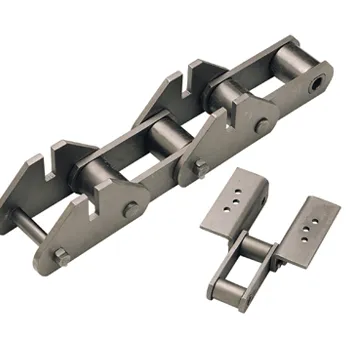
Tavan tipi taşıma sistemlerinde konveyör zinciri kullanılabilir mi?
Evet, konveyör zinciri tavan tipi konveyör sistemlerinde kullanılabilir. Tavan tipi konveyör sistemleri, genellikle üretim veya dağıtım tesislerinde, malzemeleri, ürünleri veya bileşenleri yükseltilmiş bir yol boyunca taşımak için tasarlanmıştır.
Tavan tipi konveyör sistemlerinde kullanılan konveyör zincirleri, uygulamanın ağırlık ve yük gereksinimlerini karşılayacak şekilde özel olarak tasarlanmıştır. Genellikle dayanıklılık ve uzun ömürlülük sağlamak için çelik veya paslanmaz çelik gibi dayanıklı malzemelerden üretilirler.
Tavan tipi taşıma sistemlerinde konveyör zinciri kullanırken dikkate alınması gereken bazı önemli noktalar şunlardır:
1. Yük Taşıma Kapasitesi:
– Konveyör zincirinin, taşınan eşyaların ağırlığını kaldırabilecek yeterli yük kapasitesine sahip olduğundan emin olun. Yük kapasitesi, beklenen maksimum yüke ve olası dinamik kuvvetlere göre belirlenmelidir.
2. Zincir Tipi ve Tasarımı:
– Tavan uygulamaları için uygun bir konveyör zinciri seçin; örneğin, tavan konveyör zinciri veya ters dişli zincir. Bu zincirler, tavan taşımasının benzersiz gereksinimlerini karşılamak üzere özel olarak tasarlanmıştır.
3. Yağlama:
– Tavan tipi sistemlerde konveyör zincirinin sorunsuz çalışması için uygun yağlama çok önemlidir. Tavan uygulamaları için uygun yağlayıcılar kullanmayı ve sürtünmeyi ve aşınmayı en aza indirmek için düzenli yağlamayı göz önünde bulundurun.
4. Güvenlik Önlemleri:
– Kazaları önlemek ve işçi güvenliğini sağlamak için uygun güvenlik önlemleri uygulayın. Bu, güvenlik bariyerlerinin ve acil durdurma sistemlerinin kurulmasını ve düzenli bakım ve denetim rutinlerinin uygulanmasını içerebilir.
Konveyör zincirinin, belirli uygulama gereksinimlerine uygun şekilde seçilmesi ve monte edilmesi için konveyör sistemi üreticileri veya tavan konveyör sistemleri konusunda uzmanlaşmış kişilerle görüşmek önemlidir.
How do you select the appropriate lubricant for a conveyor chain?
Selecting the right lubricant is crucial for maintaining the performance and longevity of a conveyor chain. Here are the key factors to consider when choosing a lubricant:
1. Chain Type and Material: Different conveyor chains may have specific requirements for lubrication based on their construction materials and design. Consult the manufacturer’s recommendations or specifications to determine the lubricant compatibility.
2. Operating Conditions: Consider the operating environment, such as temperature, humidity, and presence of contaminants. For high-temperature applications, choose a lubricant with a higher temperature tolerance. In wet or dusty environments, opt for lubricants that offer excellent resistance to water washout and provide effective protection against contaminants.
3. Load and Speed: Evaluate the load capacity and speed of the conveyor chain. Higher loads and speeds may require lubricants with better film strength and anti-wear properties to reduce friction and prevent premature wear.
4. Lubrication Method: Determine the lubrication method that will be used for the conveyor chain. Lubricants can be applied through drip systems, brushes, spray nozzles, or automatic lubrication systems. Consider the viscosity and consistency of the lubricant to ensure proper application and distribution.
5. Food-Grade Requirements: In food processing or pharmaceutical applications, where direct contact with the product may occur, it’s essential to use food-grade lubricants that meet industry regulations and requirements for safety and hygiene.
6. Maintenance Schedule: Consider the desired maintenance intervals and the lubricant’s longevity. Some lubricants may require more frequent reapplication, while others provide longer-lasting lubrication.
7. Compatibility with Other Materials: Take into account the compatibility of the lubricant with other materials in the conveyor system, such as seals, gaskets, and paints. Ensure that the lubricant does not cause any adverse effects on these components.
It is recommended to consult with lubricant manufacturers or industry experts to select the most suitable lubricant for your specific conveyor chain application. They can provide guidance based on their expertise and knowledge of lubricant formulations and performance characteristics.
How do you calculate the required length of a conveyor chain?
Calculating the required length of a conveyor chain involves considering several factors related to the conveyor system and the specific application. Here’s a step-by-step guide:
- Determine the Conveyor Length: Measure the total length of the conveyor path, including any horizontal, inclined, or vertical sections.
- Account for Sprocket Centers: Identify the locations of the sprockets or drive units along the conveyor path. Measure the distance between each pair of adjacent sprockets.
- Calculate the Number of Links: Divide the total conveyor length by the pitch of the chain to determine the number of links required. The pitch is the distance between the center of two consecutive pins on the chain.
- Consider Tension Adjustment: Take into account any tension adjustment requirements based on the specific application. This may include allowances for tensioning devices or tension variations due to load fluctuations.
- Include End Connections: Consider the length of the end connections, such as master links or connecting pins, which are used to join the ends of the chain. Include their dimensions in the total chain length calculation.
- Add Safety Factors: Incorporate appropriate safety factors to ensure adequate chain length for proper tensioning and to accommodate any potential stretching or wear over time.
It’s important to note that the calculation of the required chain length is an estimation based on various factors and may require adjustments during the installation and tensioning process. Consulting the conveyor manufacturer’s guidelines or working with an experienced engineer can provide more precise calculations based on the specific conveyor system and application requirements.


editor by CX 2024-04-17