Mô tả sản phẩm
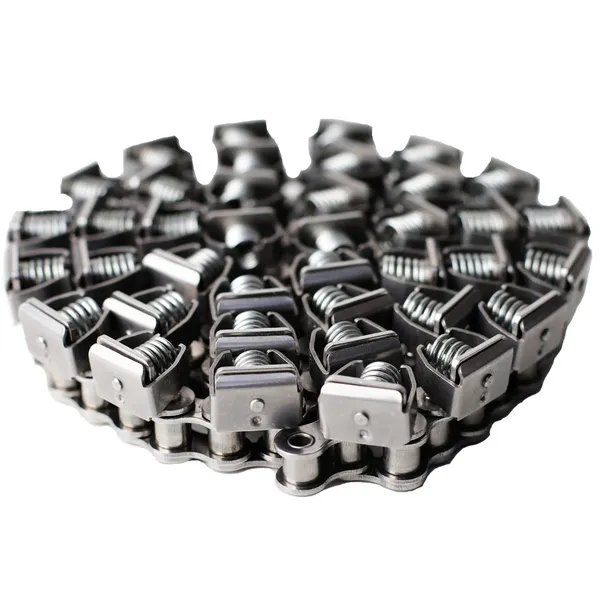
| Model NO. | 08B\10B\12B\16B |
| Chain Model | Roller Chains |
| Structure (for Chain) | Xích con lăn |
| Specification | GB/T, DIN, ANSI, ISO, BS, JIS. |
| Origin | HangZhou, ZheJiang |
| Color | Solid Color |
| Chain Color | Customized |
Our company
Wolff Chain Co. is 1 of the professional chain manufacturers in China. We focus on reseaching, manufacturing and trading of the chain drive with famous brands — “DOVON” and “DECHO”. We supply OEM services for many famous enterprises such as SUZUKI, XIHU (WEST LAKE) DIS., FAW, AGCO, JUMING as well.
Wolff mainly producing the Transmission chains,Conveyor chains,Dragging Chains,Silent chains,Leaf chains,Roller chains,Special chain and many other series of chain products. Our technicians a have improved the chains quality to the world-level. High quality material selection, powerful and precise heat-treatment technology and excellent assembly methods ensure Wolff chains meet the tough and strict requirements for machines and vehicles.
All of our products completely conform to the international standard such as ISO\DIN\ANSI\BS\JIS, etc. Wolff has been successfully certified by ISO9001 Quality Management System,SGS inspection and BV inspection. Wolff chains can be widely applied to many industries including automobile, motorcycle, forklift, wood processing machine, constructure machine, packing machine, food machine,tobacco machine and agricultural equipments. Wolff chains are popular in America,South America,Europe,Middle East, South East Asia and Africa markets.
Our workshop
Our certification
Welcome to our exhibition
Câu hỏi thường gặp
Q1. What is your terms of packing?
A: Generally, we pack our goods in single color box. If you have special request about packing, pls negotiate with us in advance, we can pack the goods as your request.
Q2. What is your terms of payment?
A: T/T 30% as deposit, and 70% before delivery. We’ll show you the photos of the products and packages
before you pay the balance. Other payments terms, pls negotiate with us in advance, we can discuss.
Q3. What is your terms of delivery?
A: EXW, FOB, CFR, CIF.
Q4. How about your delivery time?
A: Generally, it will take 25 to 30 days after receiving your advance payment. The specific delivery time depends
on the items and the quantity of your order.
Q5. Can you produce according to the samples?
A: Yes, we can produce by your samples or technical drawings. We can build the molds and fixtures.
Q6. What is your sample policy?
A: We can supply the sample if we have ready parts in stock, but the customers have to pay the sample cost and
the courier cost.We welcome sample order.
Q7. Do you test all your goods before delivery?
A: Yes, we have 100% test before delivery
Q8: How do you make our business long-term and good relationship?
1. We keep good quality and competitive price to ensure our customers benefit ;
2. We respect every customer as our friend and we sincerely do business and make friends with them,
no matter where they come from.
| Tiêu chuẩn hay không tiêu chuẩn: | Tiêu chuẩn |
|---|---|
| Ứng dụng: | Textile Machinery, Garment Machinery, Conveyer Equipment, Packaging Machinery, Food Machinery, Marine, Mining Equipment |
| Xử lý bề mặt: | Tinh dầu nở hoa |
| Kết cấu: | Xích con lăn |
| Vật liệu: | Carbon Steel |
| Kiểu: | Chuỗi bước ngắn |
| Tùy chỉnh: | Có sẵn | Yêu cầu tùy chỉnh |
|---|
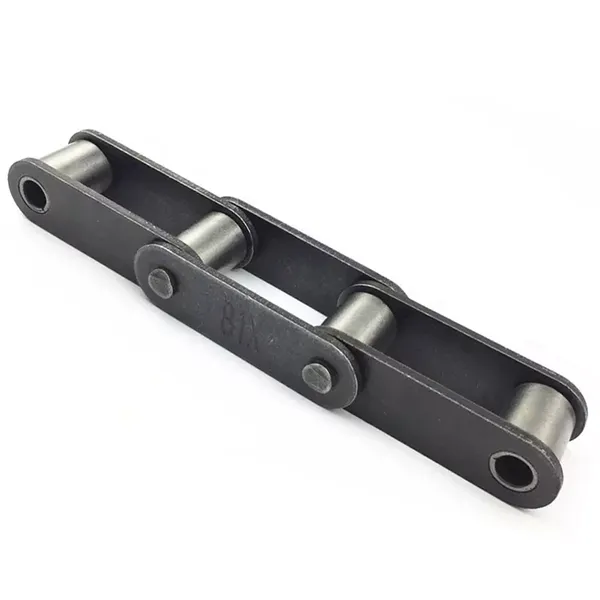
Hệ thống băng tải hoạt động như thế nào trong các ứng dụng tích trữ và định vị?
Trong hệ thống băng tải, tích lũy và định vị đề cập đến các phương pháp cụ thể để kiểm soát sự di chuyển và định vị của các vật phẩm dọc theo dây chuyền băng tải. Xích băng tải có thể xử lý hiệu quả các ứng dụng này thông qua việc sử dụng các bộ phận chuyên dụng và cơ chế điều khiển. Dưới đây là giải thích chi tiết:
Sự tích lũy:
– Tích trữ đề cập đến quá trình lưu trữ tạm thời hoặc đệm các vật phẩm trên băng tải để kiểm soát dòng chảy vật liệu. Các xích băng tải được thiết kế cho các ứng dụng tích trữ thường tích hợp các tính năng như dẫn hướng xích ma sát thấp, vùng tích trữ và cảm biến.
– Trong hệ thống băng tải xích tích lũy, xích được chia thành các vùng riêng biệt nơi các sản phẩm có thể tích tụ. Khi sản phẩm đi vào một vùng, xích sẽ giảm tốc độ hoặc dừng lại, cho phép các sản phẩm tích tụ mà không va chạm với nhau. Các cảm biến hoặc tế bào quang điện phát hiện sự hiện diện của sản phẩm trong mỗi vùng và cung cấp tín hiệu để điều khiển chuyển động của xích.
– Các khu vực tích trữ trong hệ thống băng tải có thể được điều khiển bằng nhiều cách khác nhau, chẳng hạn như thông qua việc sử dụng con lăn có động cơ, thiết bị khí nén hoặc cảm biến điện tử. Điều này đảm bảo dòng chảy hàng hóa được kiểm soát và đồng bộ dọc theo dây chuyền băng tải.
Lập chỉ mục:
– Lập chỉ mục đề cập đến việc định vị chính xác các mặt hàng tại các khoảng cách cụ thể dọc theo dây chuyền băng tải. Điều này thường được sử dụng trong các ứng dụng yêu cầu định vị hoặc sắp xếp chính xác, chẳng hạn như quy trình lắp ráp hoặc đóng gói.
– Các xích băng tải được thiết kế cho các ứng dụng định vị thường tích hợp các chốt định vị chuyên dụng, các điểm dừng hoặc các bộ truyền động định vị chính xác. Các bộ phận này hoạt động cùng nhau để định vị chính xác các vật phẩm tại các vị trí đã được xác định trước dọc theo băng tải.
– Cơ cấu định vị của hệ thống băng tải xích có thể được điều khiển bằng cam cơ khí, động cơ servo hoặc bộ điều khiển logic lập trình (PLC). Chuyển động định vị có thể được đồng bộ hóa với các quy trình hoặc máy móc khác ở phía hạ lưu để đảm bảo các hoạt động lắp ráp hoặc đóng gói chính xác.
– Bằng cách kết hợp khả năng tích trữ và lập chỉ mục, hệ thống băng tải xích có thể xử lý nhiều ứng dụng khác nhau, bao gồm phân loại, đệm, sắp xếp trình tự và lắp ráp tự động. Nó cung cấp khả năng kiểm soát dòng chảy và vị trí của các mặt hàng, cho phép xử lý vật liệu hiệu quả và tối ưu hóa quy trình sản xuất.
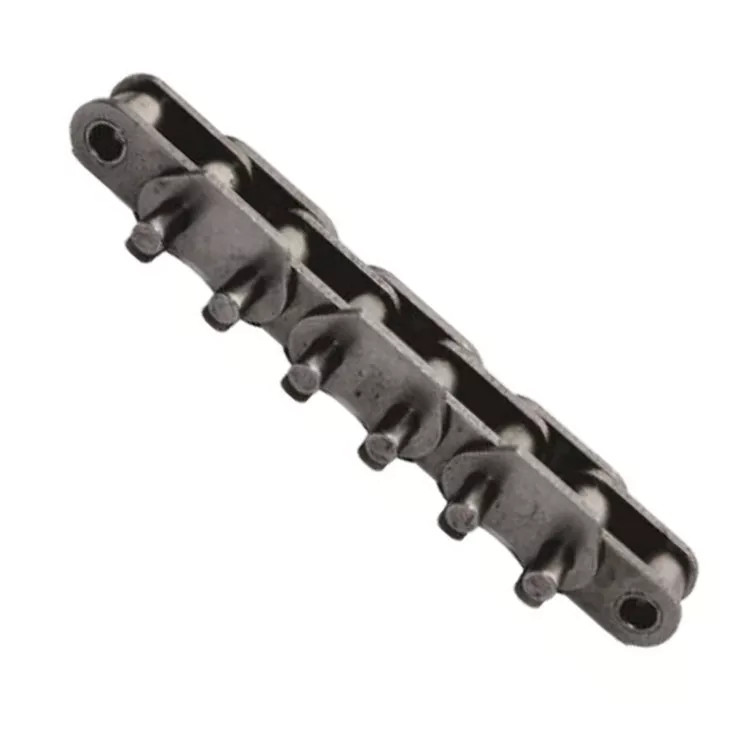
How do you prevent corrosion in conveyor chains?
Preventing corrosion in conveyor chains is essential for maintaining their performance and prolonging their lifespan. Here are some effective measures to prevent corrosion:
1. Material Selection: Choose conveyor chains made from corrosion-resistant materials such as stainless steel, plastic, or coatings specifically designed to resist corrosion. These materials offer better protection against rust and corrosion compared to standard steel chains.
2. Proper Lubrication: Apply a suitable lubricant to the conveyor chain regularly. Lubrication creates a protective barrier that helps prevent moisture and contaminants from reaching the metal surface, reducing the risk of corrosion. Select a lubricant that provides corrosion protection properties and is compatible with the chain material.
3. Environmental Controls: Control the operating environment to minimize exposure to corrosive elements. Implement measures such as humidity control, proper ventilation, and protection from direct contact with water or chemicals. Consider using covers or enclosures to shield the conveyor chain from environmental factors that can accelerate corrosion.
4. Surface Treatments: Apply corrosion-resistant coatings or treatments to the conveyor chain. These coatings can provide an additional protective layer that acts as a barrier against moisture and corrosive substances. Examples of surface treatments include zinc plating, galvanizing, or epoxy coatings.
5. Regular Inspections and Cleaning: Regularly inspect the conveyor chain for signs of corrosion or damage. Remove any accumulated dirt, debris, or corrosive substances promptly. Cleaning the chain helps prevent the buildup of contaminants that can accelerate corrosion.
6. Preventive Maintenance: Implement a preventive maintenance program that includes regular cleaning, lubrication, and inspection of the conveyor chain. This proactive approach helps identify and address any potential corrosion issues early on, preventing further damage.
7. Proper Storage: When not in use, store the conveyor chains in a dry and controlled environment. Protect them from exposure to moisture, humidity, and corrosive substances. Use appropriate storage methods, such as hanging the chains or storing them in sealed containers.
By following these preventive measures, you can significantly reduce the risk of corrosion in conveyor chains, ensuring their optimal performance and longevity.
Khả năng chịu tải của xích băng tải là bao nhiêu?
Khả năng chịu tải của xích băng tải phụ thuộc vào nhiều yếu tố, bao gồm thiết kế xích, vật liệu, kích thước và điều kiện hoạt động. Việc xem xét các yêu cầu ứng dụng cụ thể là rất quan trọng khi xác định khả năng chịu tải của xích băng tải. Dưới đây là một số yếu tố chính cần xem xét:
- Thiết kế dây chuyền: Các loại xích băng tải khác nhau có khả năng chịu tải khác nhau. Thiết kế xích bao gồm các yếu tố như loại mắt xích, cấu hình của chúng và sự hiện diện của các phụ kiện hoặc con lăn.
- Vật liệu: Vật liệu dùng để chế tạo xích băng tải ảnh hưởng đáng kể đến khả năng chịu tải của nó. Các vật liệu phổ biến bao gồm thép, thép không gỉ và nhựa. Xích thép thường bền hơn và có khả năng chịu tải cao hơn.
- Kích thước dây chuyền: Kích thước của xích băng tải, bao gồm bước xích và chiều rộng, đóng vai trò quan trọng trong việc xác định khả năng chịu tải của nó. Xích lớn hơn với các mắt xích rộng hơn thường có khả năng chịu tải cao hơn.
- Điều kiện vận hành: Các yếu tố như tốc độ băng tải, loại và trọng lượng vật liệu vận chuyển, và điều kiện môi trường (nhiệt độ, độ ẩm, v.v.) có thể ảnh hưởng đến khả năng chịu tải của xích.
- Thông số kỹ thuật của nhà sản xuất: Việc tham khảo thông số kỹ thuật và hướng dẫn của nhà sản xuất đối với loại xích băng tải cụ thể đang sử dụng là rất cần thiết. Các nhà sản xuất thường cung cấp biểu đồ hoặc bảng khả năng chịu tải dựa trên thiết kế xích của họ.
Khả năng chịu tải của xích băng tải thường được quy định bằng tải trọng làm việc tối đa cho phép hoặc độ bền đứt. Các giá trị này được xác định thông qua thử nghiệm nghiêm ngặt và các tính toán kỹ thuật. Để đảm bảo hoạt động an toàn và hiệu quả, điều quan trọng là phải chọn xích băng tải có khả năng chịu tải phù hợp với ứng dụng dự định. Vượt quá khả năng chịu tải khuyến cáo có thể dẫn đến mài mòn sớm, hỏng xích và tiềm ẩn các nguy cơ mất an toàn.


editor by CX 2023-08-22