Produktbeschreibung
Agricultural Chain attachment:
Type Style: S, A, CA, C type
For Free Samples
Prompt Delivery
Green Product
International Approvals
Experienced Staff
Why choose us?
1. HangZhou Xihu (West Lake) Dis.hua Chain Group Co., Ltd established in 1991, we have 5 subsidiaries in China and also have 6 subsidiaries abroad;
2. We covering a production area of 200, 100 square meters, have more than 1, 800 sets of advanced equipment and over 3, 100 highly skilled employees, the annual production capacity has exceeded 20, 000, 000 meters;
3. We specialized in producing all kinds of standard chains and special chains, such as A or B series chains, driving chains, conveyor chains, dragging chains, agricultural chains and so on;
4. We have obtained ISO9001, ISO14001, ISO16969, AAA and API certificates.
The company is specialized in producing all kinds of standard chains and special chains, E. G. A or B series chains, automobile chains, stainless steel chains, combine harvester chains, heavy-duty cranked link transmission chains, stereo garage chains and maintenance-free chains etc. In recent years, it invests the capital and depends on the improvement of technology to accelerate the step of new product development and the step of technology reform. It intends to produce high strength and precision chains in order to meet requirements of the domestic and overseas markets. We have enclosed our catalog, which introduces our company in detail and covers the main products we supply at present.
Should any of these items be of interest to you, please let us know. We will be happy to give you a quotation CZPT receipt of your detailed requirements.
We look CZPT to receiving your enquires soon.
| Material: | Stainless Steel |
|---|---|
| Structure (For Chain): | Rollenkette |
| Verwendung: | Transmission Chain |
| Made Style: | Manufacture and OEM |
| Colors: | Natural Blue Yellow |
| Transport Package: | wooden case/container |
| Anpassung: | Verfügbar | Kundenspezifische Anfrage |
|---|

What are the considerations for selecting a corrosion-resistant conveyor chain?
When selecting a corrosion-resistant conveyor chain, several considerations should be taken into account to ensure optimal performance and longevity in corrosive environments. Here are the key factors to consider:
– Material Selection:
Choose a conveyor chain material that is resistant to the specific corrosive agents present in the environment. Stainless steel, plastic, and special coatings such as zinc or nickel plating are commonly used for their corrosion resistance properties.
– Corrosion Resistance Ratings:
Review the corrosion resistance ratings of different chain materials and coatings. Look for industry standards such as ASTM or ISO ratings that indicate the material’s resistance to specific corrosive substances or environmental conditions.
– Environmental Factors:
Consider the specific environmental factors that contribute to corrosion, such as humidity, temperature, presence of chemicals or solvents, and exposure to saltwater or acids. Evaluate how these factors may impact the chain’s corrosion resistance requirements.
– Coating or Surface Treatment:
If using a metal chain, consider applying additional coatings or surface treatments to enhance its corrosion resistance. Options may include electroplating, powder coating, or using specialized anti-corrosion coatings.
– Compatibility with Cleaning Methods:
Ensure that the selected chain material is compatible with the cleaning methods and chemicals used in the application. Some corrosive-resistant materials may require specific cleaning procedures to maintain their performance and longevity.
– Operational Considerations:
Take into account the load capacity, speed, and operational requirements of the conveyor system. Ensure that the corrosion-resistant chain can withstand the mechanical stresses and operational demands without compromising its corrosion resistance properties.
– Cost-Effectiveness:
Weigh the initial cost and long-term benefits of using a corrosion-resistant conveyor chain. While corrosion-resistant materials may have a higher upfront cost, they can significantly reduce maintenance, replacement, and downtime costs associated with corrosion-related failures.
By considering these factors, you can select a corrosion-resistant conveyor chain that is well-suited for the specific corrosive environment, ensuring reliable and durable performance in applications such as chemical processing, food production, wastewater treatment, or outdoor environments.
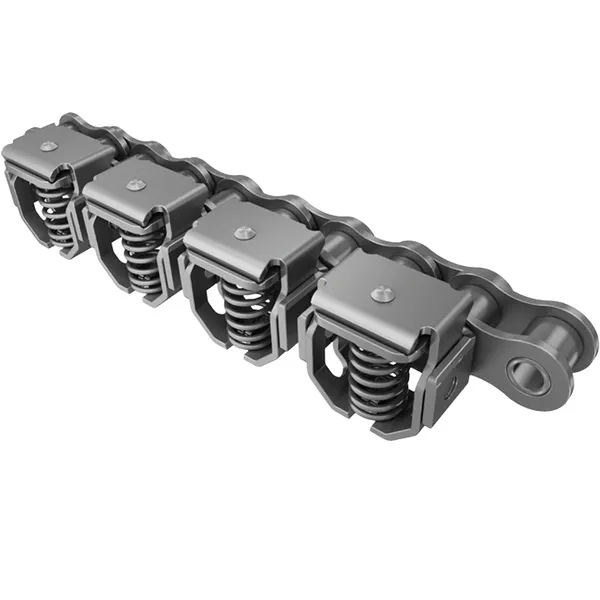
What are the best practices for storing and handling conveyor chains?
Proper storage and handling of conveyor chains are essential to maintain their performance, prevent damage, and prolong their lifespan. Here are some best practices to consider:
1. Clean and dry storage area: Store conveyor chains in a clean and dry environment to prevent the accumulation of dirt, dust, moisture, or contaminants that can affect their performance and cause corrosion.
2. Adequate support: Ensure that the stored conveyor chains are properly supported to prevent excessive bending or deformation. Use pallets, racks, or designated storage containers that can accommodate the weight and length of the chains.
3. Avoid excessive heat or cold: Conveyor chains should be stored in an area with a moderate temperature range to avoid extreme heat or cold that can affect the material properties or lubrication of the chains.
4. Protection against impacts and vibrations: Protect the stored chains from impacts or excessive vibrations that can cause damage or deformation. Use suitable packaging or covers to shield the chains from any potential physical damage.
5. Lubrication: Apply a thin layer of appropriate lubricant to the chains before storage to prevent corrosion and maintain their smooth operation. Follow the manufacturer’s recommendations for lubrication type and quantity.
6. Regular inspections: Periodically inspect the stored conveyor chains to ensure there are no signs of damage, corrosion, or deformation. If any issues are identified, take appropriate actions such as cleaning, lubricating, or replacing the chains.
7. Proper handling techniques: When handling conveyor chains, use appropriate lifting equipment or tools to avoid excessive strain or bending. Avoid dragging or dropping the chains, as this can cause damage to the chain links or attachments.
8. Training and awareness: Provide training to personnel involved in handling and storing conveyor chains to ensure they understand the proper procedures and best practices. Promote awareness of the importance of careful handling and storage to prevent accidents and maintain chain integrity.
By following these best practices, you can ensure the longevity and reliable performance of your conveyor chains, reducing the risk of downtime and costly repairs.

Welche verschiedenen Arten von Förderketten gibt es?
Es gibt verschiedene Arten von Förderketten, die jeweils für spezifische Anwendungsanforderungen entwickelt wurden. Hier sind einige gängige Arten von Förderketten:
- Rollenketten: Rollenketten sind die am häufigsten verwendeten Förderketten. Sie bestehen aus einer Reihe zylindrischer Rollen, die durch Seitenplatten miteinander verbunden sind. Rollenketten gewährleisten einen reibungslosen und effizienten Lauf und eignen sich für mittlere bis schwere Anwendungen.
- Doppelte Teilungsketten: Doppelte Kettenglieder weisen im Vergleich zu Standard-Rollenketten eine größere Teilung (Abstand zwischen den Mittelpunkten benachbarter Bolzen) auf. Sie werden häufig in Anwendungen eingesetzt, die niedrigere Drehzahlen und geringere Lasten erfordern.
- Hohlnadelketten: Hohlbolzenketten verfügen über Hohlbolzen, die die einfache Befestigung verschiedener Zubehörteile oder Anbauteile ermöglichen. Sie werden häufig in Förderanwendungen eingesetzt, die eine individuelle Anpassung erfordern oder bei denen Anbauteile montiert werden müssen.
- Schürzen- oder Lattenketten: Schürzen- oder Lamellenketten bestehen aus Platten oder Lamellen, die durch Scharniere verbunden sind. Sie werden in Anwendungen mit hoher Beanspruchung eingesetzt, wo die Kette große Lasten tragen und stützen oder rauen Umgebungsbedingungen standhalten muss.
- Kunststoffketten: Kunststoffketten bestehen aus robusten und leichten Materialien wie Acetal oder Polyethylen. Sie bieten Vorteile wie Korrosionsbeständigkeit, geringe Geräuschentwicklung und die Möglichkeit des Einsatzes in feuchten oder zu reinigenden Umgebungen. Kunststoffketten werden häufig in der Lebensmittelverarbeitung, der Verpackungsindustrie und der pharmazeutischen Industrie eingesetzt.
Dies sind nur einige Beispiele für Förderkettentypen; je nach Anwendungsanforderungen stehen viele weitere Varianten zur Verfügung. Die Auswahl des geeigneten Förderkettentyps hängt von Faktoren wie Tragfähigkeit, Geschwindigkeit, Umgebungsbedingungen und gewünschter Funktionalität ab.


editor by CX 2023-07-28