Mô tả sản phẩm
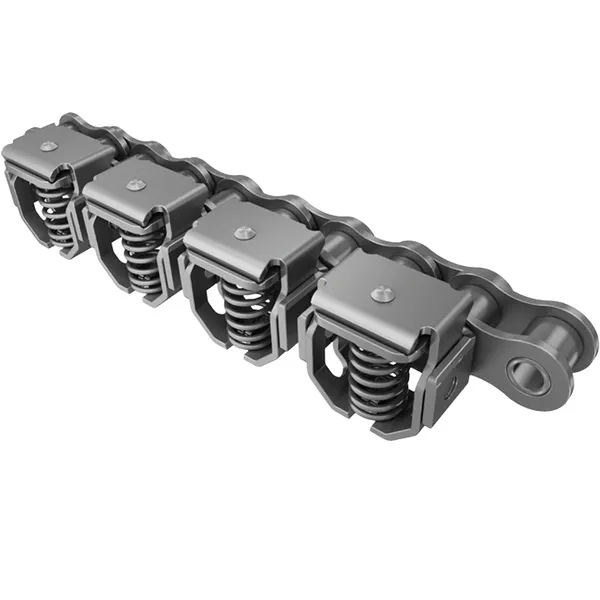
Agricultural Chain attachment:
Type Style: S, A, CA, C type
Nhận mẫu thử miễn phí
Giao hàng nhanh chóng
Sản phẩm xanh
Phê duyệt quốc tế
Nhân viên giàu kinh nghiệm
Tại sao nên chọn chúng tôi?
1. Công ty TNHH Tập đoàn Chuỗi Hoa, Quận Tây Hồ, Hàng Châu, thành lập năm 1991, chúng tôi có 5 công ty con tại Trung Quốc và 6 công ty con ở nước ngoài;
2. Chúng tôi có diện tích sản xuất 200.100 mét vuông, sở hữu hơn 1.800 bộ thiết bị hiện đại và hơn 3.100 nhân viên tay nghề cao, năng lực sản xuất hàng năm vượt quá 20.000.000 mét;
3. Chúng tôi chuyên sản xuất tất cả các loại xích tiêu chuẩn và xích đặc biệt, chẳng hạn như xích dòng A hoặc B, xích truyền động, xích băng tải, xích kéo, xích nông nghiệp, v.v.
4. Chúng tôi đã đạt được các chứng chỉ ISO9001, ISO14001, ISO16969, AAA và API.
The company is specialized in producing all kinds of standard chains and special chains, E. G. A or B series chains, automobile chains, stainless steel chains, combine harvester chains, heavy-duty cranked link transmission chains, stereo garage chains and maintenance-free chains etc. In recent years, it invests the capital and depends on the improvement of technology to accelerate the step of new product development and the step of technology reform. It intends to produce high strength and precision chains in order to meet requirements of the domestic and overseas markets. We have enclosed our catalog, which introduces our company in detail and covers the main products we supply at present.
Should any of these items be of interest to you, please let us know. We will be happy to give you a quotation CZPT receipt of your detailed requirements.
We look CZPT to receiving your enquires soon.
| Vật liệu: | Stainless Steel |
|---|---|
| Structure (For Chain): | Xích con lăn |
| Cách sử dụng: | Chuỗi truyền động |
| Made Style: | Manufacture and OEM |
| Colors: | Natural Blue Yellow |
| Transport Package: | wooden case/container |
| Tùy chỉnh: | Có sẵn | Yêu cầu tùy chỉnh |
|---|

What are the considerations for selecting a corrosion-resistant conveyor chain?
When selecting a corrosion-resistant conveyor chain, several considerations should be taken into account to ensure optimal performance and longevity in corrosive environments. Here are the key factors to consider:
– Material Selection:
Choose a conveyor chain material that is resistant to the specific corrosive agents present in the environment. Stainless steel, plastic, and special coatings such as zinc or nickel plating are commonly used for their corrosion resistance properties.
– Corrosion Resistance Ratings:
Review the corrosion resistance ratings of different chain materials and coatings. Look for industry standards such as ASTM or ISO ratings that indicate the material’s resistance to specific corrosive substances or environmental conditions.
– Environmental Factors:
Consider the specific environmental factors that contribute to corrosion, such as humidity, temperature, presence of chemicals or solvents, and exposure to saltwater or acids. Evaluate how these factors may impact the chain’s corrosion resistance requirements.
– Coating or Surface Treatment:
If using a metal chain, consider applying additional coatings or surface treatments to enhance its corrosion resistance. Options may include electroplating, powder coating, or using specialized anti-corrosion coatings.
– Compatibility with Cleaning Methods:
Ensure that the selected chain material is compatible with the cleaning methods and chemicals used in the application. Some corrosive-resistant materials may require specific cleaning procedures to maintain their performance and longevity.
– Operational Considerations:
Take into account the load capacity, speed, and operational requirements of the conveyor system. Ensure that the corrosion-resistant chain can withstand the mechanical stresses and operational demands without compromising its corrosion resistance properties.
– Cost-Effectiveness:
Weigh the initial cost and long-term benefits of using a corrosion-resistant conveyor chain. While corrosion-resistant materials may have a higher upfront cost, they can significantly reduce maintenance, replacement, and downtime costs associated with corrosion-related failures.
By considering these factors, you can select a corrosion-resistant conveyor chain that is well-suited for the specific corrosive environment, ensuring reliable and durable performance in applications such as chemical processing, food production, wastewater treatment, or outdoor environments.
What are the best practices for storing and handling conveyor chains?
Proper storage and handling of conveyor chains are essential to maintain their performance, prevent damage, and prolong their lifespan. Here are some best practices to consider:
1. Clean and dry storage area: Store conveyor chains in a clean and dry environment to prevent the accumulation of dirt, dust, moisture, or contaminants that can affect their performance and cause corrosion.
2. Adequate support: Ensure that the stored conveyor chains are properly supported to prevent excessive bending or deformation. Use pallets, racks, or designated storage containers that can accommodate the weight and length of the chains.
3. Avoid excessive heat or cold: Conveyor chains should be stored in an area with a moderate temperature range to avoid extreme heat or cold that can affect the material properties or lubrication of the chains.
4. Protection against impacts and vibrations: Protect the stored chains from impacts or excessive vibrations that can cause damage or deformation. Use suitable packaging or covers to shield the chains from any potential physical damage.
5. Lubrication: Apply a thin layer of appropriate lubricant to the chains before storage to prevent corrosion and maintain their smooth operation. Follow the manufacturer’s recommendations for lubrication type and quantity.
6. Regular inspections: Periodically inspect the stored conveyor chains to ensure there are no signs of damage, corrosion, or deformation. If any issues are identified, take appropriate actions such as cleaning, lubricating, or replacing the chains.
7. Proper handling techniques: When handling conveyor chains, use appropriate lifting equipment or tools to avoid excessive strain or bending. Avoid dragging or dropping the chains, as this can cause damage to the chain links or attachments.
8. Training and awareness: Provide training to personnel involved in handling and storing conveyor chains to ensure they understand the proper procedures and best practices. Promote awareness of the importance of careful handling and storage to prevent accidents and maintain chain integrity.
By following these best practices, you can ensure the longevity and reliable performance of your conveyor chains, reducing the risk of downtime and costly repairs.

Các loại xích băng tải khác nhau là gì?
Có nhiều loại xích băng tải khác nhau, mỗi loại được thiết kế để đáp ứng các yêu cầu ứng dụng cụ thể. Dưới đây là một số loại xích băng tải phổ biến:
- Xích con lăn: Xích con lăn là loại xích băng tải được sử dụng phổ biến nhất. Chúng bao gồm một loạt các con lăn hình trụ được nối với nhau bằng các tấm bên. Xích con lăn mang lại chuyển động trơn tru và hiệu quả, phù hợp cho các ứng dụng tải trọng trung bình đến nặng.
- Xích bước kép: Xích con lăn bước kép có bước răng lớn hơn (khoảng cách giữa tâm của các chốt liền kề) so với xích con lăn tiêu chuẩn. Chúng thường được sử dụng trong các ứng dụng yêu cầu tốc độ chậm hơn và tải trọng nhẹ hơn.
- Dây chuyền ghim rỗng: Xích chốt rỗng có các chốt rỗng cho phép dễ dàng gắn các phụ kiện hoặc bộ phận khác nhau. Chúng thường được sử dụng trong các ứng dụng vận chuyển yêu cầu tùy chỉnh hoặc cần gắn các bộ phận bổ sung.
- Dây xích dạng yếm hoặc dạng thanh: Hệ thống xích dạng tấm hoặc dạng thanh bao gồm các tấm hoặc thanh được nối với nhau bằng bản lề. Chúng được sử dụng trong các ứng dụng tải nặng, nơi xích cần phải đỡ và mang vác tải trọng lớn hoặc chịu được môi trường khắc nghiệt.
- Dây chuyền nhựa: Dây xích nhựa được làm từ các vật liệu bền và nhẹ như acetal hoặc polyethylene. Chúng có nhiều ưu điểm như khả năng chống ăn mòn, độ ồn thấp và khả năng hoạt động trong môi trường ẩm ướt hoặc cần rửa sạch. Dây xích nhựa thường được sử dụng trong ngành chế biến thực phẩm, đóng gói và dược phẩm.
Đây chỉ là một vài ví dụ về các loại xích băng tải, và còn rất nhiều biến thể khác tùy thuộc vào yêu cầu ứng dụng cụ thể. Việc lựa chọn loại xích băng tải phù hợp phụ thuộc vào các yếu tố như khả năng chịu tải, tốc độ, môi trường và chức năng mong muốn.


editor by CX 2023-07-28