製品説明
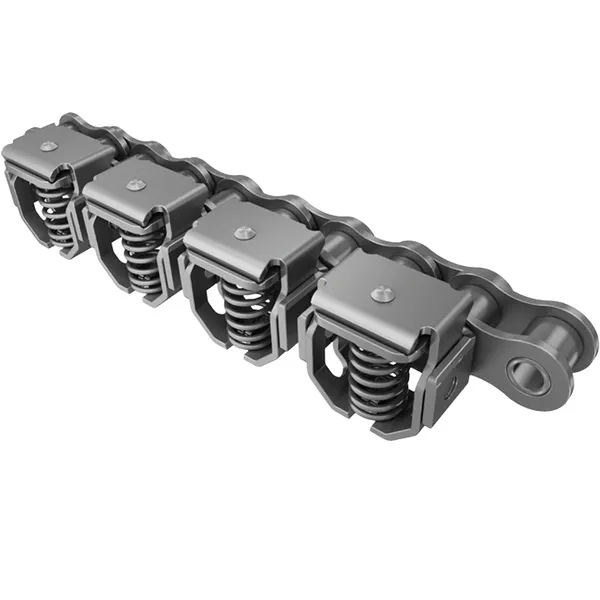
Agricultural Chain attachment:
Type Style: S, A, CA, C type
For Free Samples
Prompt Delivery
Green Product
International Approvals
Experienced Staff
Why choose us?
1. HangZhou Xihu (West Lake) Dis.hua Chain Group Co., Ltd established in 1991, we have 5 subsidiaries in China and also have 6 subsidiaries abroad;
2. We covering a production area of 200, 100 square meters, have more than 1, 800 sets of advanced equipment and over 3, 100 highly skilled employees, the annual production capacity has exceeded 20, 000, 000 meters;
3. We specialized in producing all kinds of standard chains and special chains, such as A or B series chains, driving chains, conveyor chains, dragging chains, agricultural chains and so on;
4. We have obtained ISO9001, ISO14001, ISO16969, AAA and API certificates.
The company is specialized in producing all kinds of standard chains and special chains, E. G. A or B series chains, automobile chains, stainless steel chains, combine harvester chains, heavy-duty cranked link transmission chains, stereo garage chains and maintenance-free chains etc. In recent years, it invests the capital and depends on the improvement of technology to accelerate the step of new product development and the step of technology reform. It intends to produce high strength and precision chains in order to meet requirements of the domestic and overseas markets. We have enclosed our catalog, which introduces our company in detail and covers the main products we supply at present.
Should any of these items be of interest to you, please let us know. We will be happy to give you a quotation CZPT receipt of your detailed requirements.
We look CZPT to receiving your enquires soon.
| 材料: | ステンレス鋼 |
|---|---|
| Structure (For Chain): | ローラーチェーン |
| 使用法: | 伝達チェーン |
| Made Style: | Manufacture and OEM |
| Colors: | Natural Blue Yellow |
| 輸送パッケージ: | wooden case/container |
| カスタマイズ: | 利用可能 | カスタマイズされたリクエスト |
|---|

What are the considerations for selecting a corrosion-resistant conveyor chain?
When selecting a corrosion-resistant conveyor chain, several considerations should be taken into account to ensure optimal performance and longevity in corrosive environments. Here are the key factors to consider:
– Material Selection:
Choose a conveyor chain material that is resistant to the specific corrosive agents present in the environment. Stainless steel, plastic, and special coatings such as zinc or nickel plating are commonly used for their corrosion resistance properties.
– Corrosion Resistance Ratings:
Review the corrosion resistance ratings of different chain materials and coatings. Look for industry standards such as ASTM or ISO ratings that indicate the material’s resistance to specific corrosive substances or environmental conditions.
– Environmental Factors:
Consider the specific environmental factors that contribute to corrosion, such as humidity, temperature, presence of chemicals or solvents, and exposure to saltwater or acids. Evaluate how these factors may impact the chain’s corrosion resistance requirements.
– Coating or Surface Treatment:
If using a metal chain, consider applying additional coatings or surface treatments to enhance its corrosion resistance. Options may include electroplating, powder coating, or using specialized anti-corrosion coatings.
– Compatibility with Cleaning Methods:
Ensure that the selected chain material is compatible with the cleaning methods and chemicals used in the application. Some corrosive-resistant materials may require specific cleaning procedures to maintain their performance and longevity.
– Operational Considerations:
Take into account the load capacity, speed, and operational requirements of the conveyor system. Ensure that the corrosion-resistant chain can withstand the mechanical stresses and operational demands without compromising its corrosion resistance properties.
– Cost-Effectiveness:
Weigh the initial cost and long-term benefits of using a corrosion-resistant conveyor chain. While corrosion-resistant materials may have a higher upfront cost, they can significantly reduce maintenance, replacement, and downtime costs associated with corrosion-related failures.
By considering these factors, you can select a corrosion-resistant conveyor chain that is well-suited for the specific corrosive environment, ensuring reliable and durable performance in applications such as chemical processing, food production, wastewater treatment, or outdoor environments.
コンベアチェーンの保管と取り扱いに関する最適な方法は何ですか?
コンベヤチェーンの適切な保管と取り扱いは、性能を維持し、損傷を防ぎ、寿命を延ばすために不可欠です。以下に、考慮すべきいくつかのベストプラクティスを示します。
1. 清潔で乾燥した保管場所:コンベアチェーンは、汚れ、ほこり、湿気、または汚染物質の蓄積を防ぎ、性能に影響を与えたり腐食を引き起こしたりしないように、清潔で乾燥した環境に保管してください。
2.適切な支持:保管中のコンベアチェーンが過度に曲がったり変形したりしないよう、適切に支持されていることを確認してください。チェーンの重量と長さに対応できるパレット、ラック、または専用の保管容器を使用してください。
3. 過度の高温または低温を避ける:コンベヤチェーンは、材料特性や潤滑に影響を与える可能性のある極端な高温または低温を避けるため、適度な温度範囲の場所に保管する必要があります。
4.衝撃や振動からの保護:保管中のチェーンは、損傷や変形を引き起こす可能性のある衝撃や過度の振動から保護してください。適切な梱包材やカバーを使用して、チェーンを物理的な損傷から保護してください。
5.潤滑:保管前に、チェーンに適切な潤滑剤を薄く塗布して腐食を防ぎ、スムーズな動作を維持してください。潤滑剤の種類と量については、製造元の推奨事項に従ってください。
6.定期点検:保管されているコンベアチェーンを定期的に点検し、損傷、腐食、変形などの兆候がないことを確認してください。問題が発見された場合は、チェーンの清掃、潤滑、交換などの適切な措置を講じてください。
7.適切な取り扱い方法:コンベアチェーンを取り扱う際は、過度の負荷や曲げを避けるため、適切な吊り上げ装置または工具を使用してください。チェーンを引きずったり落としたりすると、チェーンリンクやアタッチメントが損傷する恐れがありますので、避けてください。
8.研修と意識向上:コンベアチェーンの取り扱いと保管に関わる担当者に対し、適切な手順とベストプラクティスを理解させるための研修を実施する。事故防止とチェーンの健全性維持のため、慎重な取り扱いと保管の重要性について意識を高める。
これらのベストプラクティスに従うことで、コンベアチェーンの長寿命化と信頼性の高い性能を確保し、ダウンタイムや高額な修理のリスクを軽減できます。

What are the different types of conveyor chains?
There are several types of conveyor chains available, each designed to meet specific application requirements. Here are some common types of conveyor chains:
- Roller chains: Roller chains are the most commonly used type of conveyor chain. They consist of a series of cylindrical rollers connected by side plates. Roller chains provide smooth and efficient movement and are suitable for medium to heavy-duty applications.
- Double pitch chains: Double pitch chains have larger pitch (distance between the centers of adjacent pins) compared to standard roller chains. They are often used in applications that require slower speeds and lighter loads.
- Hollow pin chains: Hollow pin chains have hollow pins that allow for easy attachment of various accessories or attachments. They are commonly used in conveying applications that require customization or where attachments need to be mounted.
- Apron or slat chains: Apron or slat chains consist of plates or slats that are connected by hinges. They are used in heavy-duty applications where the chain needs to support and carry large loads or withstand harsh environments.
- Plastic chains: Plastic chains are made of durable and lightweight materials such as acetal or polyethylene. They offer benefits such as corrosion resistance, low noise levels, and the ability to work in wet or washdown environments. Plastic chains are commonly used in food processing, packaging, and pharmaceutical industries.
These are just a few examples of conveyor chain types, and there are many other variations available depending on specific application requirements. The selection of the appropriate conveyor chain type depends on factors such as load capacity, speed, environment, and desired functionality.


editor by CX 2023-07-28