Tuotekuvaus
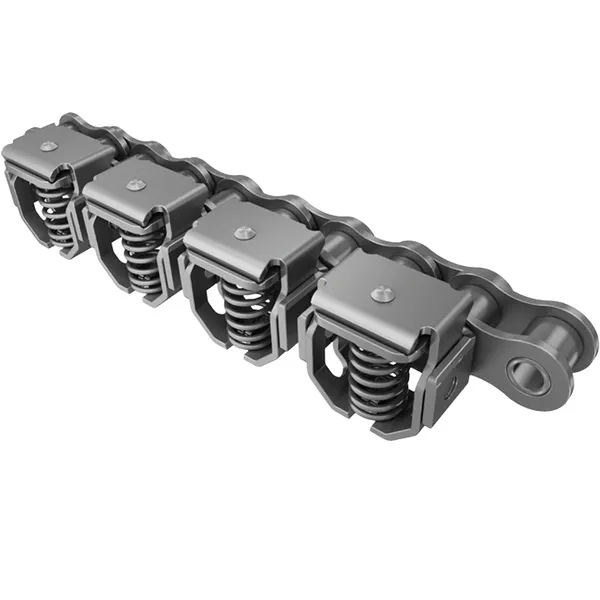
Agricultural Chain attachment:
Type Style: S, A, CA, C type
Ilmaisia näytteitä varten
Nopea toimitus
Vihreä tuote
Kansainväliset hyväksynnät
Kokenut henkilökunta
Miksi valita meidät?
1. HangZhou Xihu (West Lake) Dis.hua Chain Group Co., Ltd on perustettu vuonna 1991. Meillä on viisi tytäryhtiötä Kiinassa ja kuusi ulkomailla.
2. Tuotantoalueemme on 200 100 neliömetriä, meillä on yli 1 800 erilaista edistynyttä laitetta ja yli 3 100 korkeasti koulutettua työntekijää, vuotuinen tuotantokapasiteetti on ylittänyt 20 000 000 metriä;
3. Olemme erikoistuneet kaikenlaisten vakioketjujen ja erikoisketjujen, kuten A- tai B-sarjan ketjujen, käyttöketjujen, kuljetinketjujen, vetoketjujen, maatalousketjujen ja niin edelleen, valmistukseen;
4. Olemme saaneet ISO9001-, ISO14001-, ISO16969-, AAA- ja API-sertifikaatit.
The company is specialized in producing all kinds of standard chains and special chains, E. G. A or B series chains, automobile chains, stainless steel chains, combine harvester chains, heavy-duty cranked link transmission chains, stereo garage chains and maintenance-free chains etc. In recent years, it invests the capital and depends on the improvement of technology to accelerate the step of new product development and the step of technology reform. It intends to produce high strength and precision chains in order to meet requirements of the domestic and overseas markets. We have enclosed our catalog, which introduces our company in detail and covers the main products we supply at present.
Should any of these items be of interest to you, please let us know. We will be happy to give you a quotation CZPT receipt of your detailed requirements.
We look CZPT to receiving your enquires soon.
| Materiaali: | Stainless Steel |
|---|---|
| Structure (For Chain): | Rullaketju |
| Käyttö: | Vaihteistoketju |
| Made Style: | Manufacture and OEM |
| Colors: | Natural Blue Yellow |
| Kuljetuspaketti: | wooden case/container |
| Mukauttaminen: | Saatavilla | Mukautettu pyyntö |
|---|

What are the considerations for selecting a corrosion-resistant conveyor chain?
When selecting a corrosion-resistant conveyor chain, several considerations should be taken into account to ensure optimal performance and longevity in corrosive environments. Here are the key factors to consider:
– Material Selection:
Choose a conveyor chain material that is resistant to the specific corrosive agents present in the environment. Stainless steel, plastic, and special coatings such as zinc or nickel plating are commonly used for their corrosion resistance properties.
– Corrosion Resistance Ratings:
Review the corrosion resistance ratings of different chain materials and coatings. Look for industry standards such as ASTM or ISO ratings that indicate the material’s resistance to specific corrosive substances or environmental conditions.
– Environmental Factors:
Consider the specific environmental factors that contribute to corrosion, such as humidity, temperature, presence of chemicals or solvents, and exposure to saltwater or acids. Evaluate how these factors may impact the chain’s corrosion resistance requirements.
– Coating or Surface Treatment:
If using a metal chain, consider applying additional coatings or surface treatments to enhance its corrosion resistance. Options may include electroplating, powder coating, or using specialized anti-corrosion coatings.
– Compatibility with Cleaning Methods:
Ensure that the selected chain material is compatible with the cleaning methods and chemicals used in the application. Some corrosive-resistant materials may require specific cleaning procedures to maintain their performance and longevity.
– Operational Considerations:
Take into account the load capacity, speed, and operational requirements of the conveyor system. Ensure that the corrosion-resistant chain can withstand the mechanical stresses and operational demands without compromising its corrosion resistance properties.
– Cost-Effectiveness:
Weigh the initial cost and long-term benefits of using a corrosion-resistant conveyor chain. While corrosion-resistant materials may have a higher upfront cost, they can significantly reduce maintenance, replacement, and downtime costs associated with corrosion-related failures.
By considering these factors, you can select a corrosion-resistant conveyor chain that is well-suited for the specific corrosive environment, ensuring reliable and durable performance in applications such as chemical processing, food production, wastewater treatment, or outdoor environments.
What are the best practices for storing and handling conveyor chains?
Proper storage and handling of conveyor chains are essential to maintain their performance, prevent damage, and prolong their lifespan. Here are some best practices to consider:
1. Clean and dry storage area: Store conveyor chains in a clean and dry environment to prevent the accumulation of dirt, dust, moisture, or contaminants that can affect their performance and cause corrosion.
2. Adequate support: Ensure that the stored conveyor chains are properly supported to prevent excessive bending or deformation. Use pallets, racks, or designated storage containers that can accommodate the weight and length of the chains.
3. Avoid excessive heat or cold: Conveyor chains should be stored in an area with a moderate temperature range to avoid extreme heat or cold that can affect the material properties or lubrication of the chains.
4. Protection against impacts and vibrations: Protect the stored chains from impacts or excessive vibrations that can cause damage or deformation. Use suitable packaging or covers to shield the chains from any potential physical damage.
5. Lubrication: Apply a thin layer of appropriate lubricant to the chains before storage to prevent corrosion and maintain their smooth operation. Follow the manufacturer’s recommendations for lubrication type and quantity.
6. Regular inspections: Periodically inspect the stored conveyor chains to ensure there are no signs of damage, corrosion, or deformation. If any issues are identified, take appropriate actions such as cleaning, lubricating, or replacing the chains.
7. Proper handling techniques: When handling conveyor chains, use appropriate lifting equipment or tools to avoid excessive strain or bending. Avoid dragging or dropping the chains, as this can cause damage to the chain links or attachments.
8. Training and awareness: Provide training to personnel involved in handling and storing conveyor chains to ensure they understand the proper procedures and best practices. Promote awareness of the importance of careful handling and storage to prevent accidents and maintain chain integrity.
By following these best practices, you can ensure the longevity and reliable performance of your conveyor chains, reducing the risk of downtime and costly repairs.

Mitä erilaisia kuljetinketjuja on olemassa?
Saatavilla on useita erityyppisiä kuljetinketjuja, joista jokainen on suunniteltu vastaamaan tiettyihin sovellusvaatimuksiin. Tässä on joitakin yleisiä kuljetinketjutyyppejä:
- Rullaketjut: Rullaketjut ovat yleisimmin käytetty kuljetinketjutyyppi. Ne koostuvat sarjasta lieriömäisiä rullia, jotka on yhdistetty sivulevyillä. Rullaketjut tarjoavat tasaisen ja tehokkaan liikkeen ja sopivat keskiraskaisiin ja raskaisiin sovelluksiin.
- Kaksijakoiset ketjut: Kaksijakoisilla ketjuilla on suurempi jako (vierekkäisten tappien keskipisteiden välinen etäisyys) verrattuna tavallisiin rullaketjuihin. Niitä käytetään usein sovelluksissa, jotka vaativat hitaampia nopeuksia ja kevyempiä kuormia.
- Onttotappiketjut: Onttojen tappiketjujen ontot tapit mahdollistavat erilaisten lisävarusteiden tai lisälaitteiden helpon kiinnittämisen. Niitä käytetään yleisesti kuljetussovelluksissa, jotka vaativat räätälöintiä tai joissa on asennettava lisälaitteita.
- Esiliina- tai säleketjut: Säleketjut koostuvat saranoilla yhdistetyistä levyistä tai säleistä. Niitä käytetään raskaissa sovelluksissa, joissa ketjun on tuettava ja kannettava suuria kuormia tai kestettävä vaativia olosuhteita.
- Muoviketjut: Muoviketjut on valmistettu kestävistä ja kevyistä materiaaleista, kuten asetaalista tai polyeteenistä. Niiden etuja ovat korroosionkestävyys, alhainen melutaso ja kyky työskennellä märissä tai huuhtelualttiissa ympäristöissä. Muoviketjuja käytetään yleisesti elintarvike-, pakkaus- ja lääketeollisuudessa.
Nämä ovat vain muutamia esimerkkejä kuljetinketjutyypeistä, ja saatavilla on monia muita muunnelmia riippuen erityisistä sovellusvaatimuksista. Sopivan kuljetinketjutyypin valinta riippuu tekijöistä, kuten kuormituskapasiteetista, nopeudesta, ympäristöstä ja halutusta toiminnallisuudesta.


editor by CX 2023-07-28