Descripción del Producto
Descripción del Producto
Product Parameter
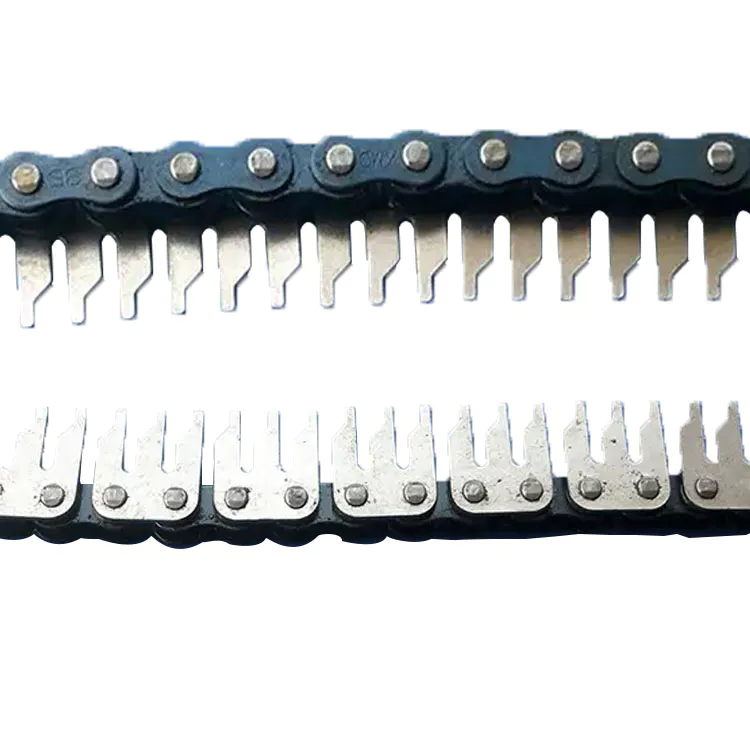
| Product Name | Cathode Copper Conveyor Chain |
| Standard | GB, ISO, ANSI, DIN |
| Structure | Conveyor chain |
| Treatment | Tratamiento térmico |
| Certificaciones | ISO9001:2015, GB/T19001-2016, ISO1400:2015 |
| Resistencia a la tracción | High strength |
| Embalaje | Plastic Bag+ Carton+Wooden Case |
| Solicitud | Industry Machinery |
More Products
Ventaja
Certificaciones
DETAILS ABOUT CZPT CHAIN
Exhibition
Workshop
Packaging Details
Shipping
Preguntas frecuentes
1. Are you a manufacturer or trade Company?
We are a factory founded in 1997 with a trade team for international service.
2. What terms of payment do you usually use?
Depósito mediante transferencia bancaria (T/T) de 30% y contra presentación de documentos de 70%, Western Union, carta de crédito a la vista.
3. What is your lead time for your goods?
Normally 35 days after confirmed order. 30 days could be available in the low season for some items (during May to July), and 45 days during the new year and hot season ( Jan to March).
4. Samples
For customers who need sample confirmation before ordering, please bear in mind that the following policy will be adopted:
1) All samples are free of charge with a maximum value not exceeding USD 100.
2) The courier cost for the first-time sample sending will be charged by the consignee. We will send the samples with freight to be collected. So please inform your account with FedEx, UPS, DHL, or TNT so that we can proceed promptly.
3) The first-time courier cost will be deducted from the contract value of the trial cooperation.
| Material: | Acero inoxidable |
|---|---|
| Estructura: | Cadena de rodillos |
| Tratamiento de superficie: | Pulido |
| Tamaño de la cadena: | 1/2"*11/128" |
| Característica: | Resistente al fuego, resistente al aceite, resistente al calor. |
| Heat Treatment: | High Temperature Hardening |
| Muestras: | US$ 0/Pieza 1 unidad (pedido mínimo) | |
|---|
| Personalización: | Disponible | Solicitud personalizada |
|---|

What are the considerations for selecting a corrosion-resistant conveyor chain?
When selecting a corrosion-resistant conveyor chain, several considerations should be taken into account to ensure optimal performance and longevity in corrosive environments. Here are the key factors to consider:
– Material Selection:
Choose a conveyor chain material that is resistant to the specific corrosive agents present in the environment. Stainless steel, plastic, and special coatings such as zinc or nickel plating are commonly used for their corrosion resistance properties.
– Corrosion Resistance Ratings:
Review the corrosion resistance ratings of different chain materials and coatings. Look for industry standards such as ASTM or ISO ratings that indicate the material’s resistance to specific corrosive substances or environmental conditions.
– Environmental Factors:
Consider the specific environmental factors that contribute to corrosion, such as humidity, temperature, presence of chemicals or solvents, and exposure to saltwater or acids. Evaluate how these factors may impact the chain’s corrosion resistance requirements.
– Coating or Surface Treatment:
If using a metal chain, consider applying additional coatings or surface treatments to enhance its corrosion resistance. Options may include electroplating, powder coating, or using specialized anti-corrosion coatings.
– Compatibility with Cleaning Methods:
Ensure that the selected chain material is compatible with the cleaning methods and chemicals used in the application. Some corrosive-resistant materials may require specific cleaning procedures to maintain their performance and longevity.
– Operational Considerations:
Take into account the load capacity, speed, and operational requirements of the conveyor system. Ensure that the corrosion-resistant chain can withstand the mechanical stresses and operational demands without compromising its corrosion resistance properties.
– Cost-Effectiveness:
Weigh the initial cost and long-term benefits of using a corrosion-resistant conveyor chain. While corrosion-resistant materials may have a higher upfront cost, they can significantly reduce maintenance, replacement, and downtime costs associated with corrosion-related failures.
By considering these factors, you can select a corrosion-resistant conveyor chain that is well-suited for the specific corrosive environment, ensuring reliable and durable performance in applications such as chemical processing, food production, wastewater treatment, or outdoor environments.
Can a conveyor chain be used in food processing applications?
Yes, a conveyor chain can be used in food processing applications. Conveyor chains play a crucial role in the efficient and hygienic handling of food products throughout the production process. Here are some key points to consider:
1. Food-Grade Materials: Conveyor chains used in food processing applications are typically made from food-grade materials such as stainless steel or plastic. These materials are corrosion-resistant, easy to clean, and comply with food safety regulations.
2. Hygiene Considerations: Food processing environments require high standards of hygiene. Conveyor chains designed for food applications incorporate features such as smooth surfaces, open link designs, and easy disassembly for thorough cleaning. They may also have specialized coatings or treatments to prevent bacterial growth.
3. Sanitary Design: Conveyor chains for food processing applications are designed with minimal crevices or joints to prevent food particles from getting trapped. They may have self-draining capabilities to remove excess fluids or debris.
4. Product Integrity: Conveyor chains in food processing applications ensure gentle handling of delicate food products to avoid damage or contamination. They can be equipped with accessories like cleats, side guards, or modular belt systems to securely hold and transport items of various shapes and sizes.
5. High Temperature and Washdown Capabilities: Some food processing applications require conveyor chains to withstand high temperatures during cooking, baking, or sterilization processes. Specialized chains with heat-resistant materials or coatings are available. Additionally, conveyor chains used in food processing should be capable of withstanding frequent washdowns and cleaning with water or cleaning agents.
6. Compliance with Standards: Conveyor chains used in food processing applications must comply with industry-specific standards such as FDA (Food and Drug Administration) regulations, HACCP (Hazard Analysis Critical Control Point) guidelines, and other food safety certifications.
When selecting a conveyor chain for food processing applications, it is important to consider the specific requirements of the production line, including the type of food being handled, the operating conditions, and the necessary sanitary standards. Proper maintenance and regular cleaning protocols should also be implemented to ensure food safety and product integrity.
¿Qué precauciones de seguridad deben seguirse al trabajar con cadenas transportadoras?
Trabajar con cadenas transportadoras implica riesgos potenciales, por lo que es fundamental seguir las precauciones de seguridad adecuadas para garantizar el bienestar de los trabajadores y prevenir accidentes. A continuación, se presentan algunas medidas de seguridad importantes a tener en cuenta:
- Formación adecuada: Asegúrese de que los trabajadores que operan o realizan el mantenimiento de las cadenas transportadoras reciban la capacitación adecuada sobre prácticas seguras, incluyendo el manejo de la cadena, los procedimientos de mantenimiento y los protocolos de emergencia.
- Equipo de protección individual (EPI): Los trabajadores deben usar el equipo de protección personal (EPP) adecuado, como gafas de seguridad, guantes y calzado con puntera de acero, para protegerse de posibles peligros, incluidos escombros que salgan despedidos, puntos de atrapamiento o enredos.
- Bloqueo/Etiquetado: Antes de realizar cualquier tarea de mantenimiento o reparación en las cadenas transportadoras, siga los procedimientos de bloqueo/etiquetado para aislar y desenergizar el equipo y evitar así el arranque accidental o la liberación de la energía almacenada.
- Vigilancia: Asegúrese de que las cadenas transportadoras estén debidamente protegidas para evitar el acceso a las partes móviles, como puntos de atrapamiento y piñones giratorios. Las protecciones deben estar bien sujetas y no interferir con el funcionamiento de la cadena.
- Gestión interna: Mantenga el área de trabajo limpia y libre de escombros, herramientas u otros objetos que puedan causar tropiezos o interferir con el funcionamiento de la cadena transportadora.
- Inspecciones periódicas: Inspeccione periódicamente las cadenas transportadoras para detectar cualquier signo de desgaste, daño o desalineación. Solucione cualquier problema de inmediato para prevenir posibles riesgos de seguridad.
- Carga y descarga seguras: Al cargar o descargar materiales en la cinta transportadora, siga técnicas de elevación seguras y asegúrese de que la carga esté distribuida uniformemente para evitar sobrecargas o desequilibrios.
- Dispositivos de parada de emergencia: Instale y señalice claramente los dispositivos de parada de emergencia a lo largo del sistema de transporte para permitir una parada inmediata en caso de emergencia o situación peligrosa.
- Comunicación clara: Establecer protocolos de comunicación claros, incluyendo señales o letreros, para garantizar una comunicación eficaz entre los trabajadores que operan en diferentes secciones del sistema de transporte.
Estas precauciones de seguridad son pautas generales, y es importante consultar y cumplir con las normas y directrices de seguridad específicas proporcionadas por el fabricante del equipo y las autoridades competentes. La capacitación regular en seguridad, la concientización y una cultura de seguridad proactiva son fundamentales para mantener un entorno de trabajo seguro al trabajar con cadenas transportadoras.


editor by CX 2023-09-11