คำอธิบายผลิตภัณฑ์
คำอธิบายผลิตภัณฑ์
Product Parameter
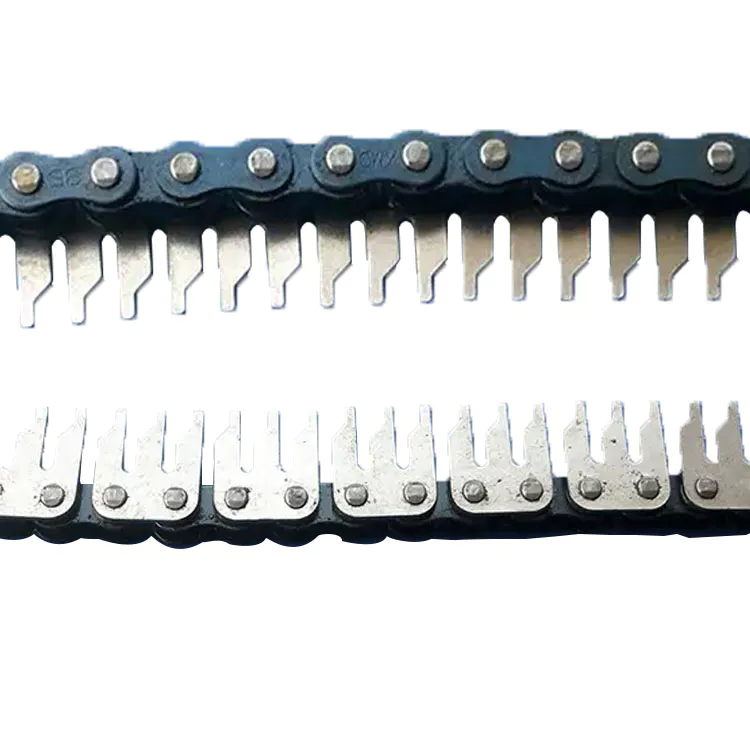
| Product Name | Cathode Copper Conveyor Chain |
| มาตรฐาน | GB, ISO, ANSI, DIN |
| Structure | Conveyor chain |
| Treatment | Heat treatment |
| ใบรับรอง | ISO9001:2015, GB/T19001-2016, ISO1400:2015 |
| ความแข็งแรงดึง | High strength |
| Packaging | Plastic Bag+ Carton+Wooden Case |
| แอปพลิเคชัน | Industry Machinery |
More Products
Advantage
ใบรับรอง
DETAILS ABOUT CZPT CHAIN
Exhibition
Workshop
Packaging Details
Shipping
คำถามที่พบบ่อย
1. Are you a manufacturer or trade Company?
We are a factory founded in 1997 with a trade team for international service.
2. What terms of payment do you usually use?
T/T 30% deposit and 70% against document, Western Union, L/C at sight
3. ระยะเวลานำส่งสินค้าของคุณคือเท่าไร?
Normally 35 days after confirmed order. 30 days could be available in the low season for some items (during May to July), and 45 days during the new year and hot season ( Jan to March).
4. Samples
For customers who need sample confirmation before ordering, please bear in mind that the following policy will be adopted:
1) All samples are free of charge with a maximum value not exceeding USD 100.
2) The courier cost for the first-time sample sending will be charged by the consignee. We will send the samples with freight to be collected. So please inform your account with FedEx, UPS, DHL, or TNT so that we can proceed promptly.
3) The first-time courier cost will be deducted from the contract value of the trial cooperation.
| วัสดุ: | Stainless Steel |
|---|---|
| โครงสร้าง: | โซ่ลูกกลิ้ง |
| การเตรียมพื้นผิว: | การขัดเงา |
| ขนาดสร้อย: | 1/2"*11/128" |
| คุณสมบัติ: | Fire Resistant, Oil Resistant, Heat Resistant |
| Heat Treatment: | High Temperature Hardening |
| ตัวอย่าง: | US$ 0/Piece 1 ชิ้น (สั่งขั้นต่ำ) | |
|---|
| การปรับแต่ง: | มีอยู่ | คำขอที่กำหนดเอง |
|---|

What are the considerations for selecting a corrosion-resistant conveyor chain?
When selecting a corrosion-resistant conveyor chain, several considerations should be taken into account to ensure optimal performance and longevity in corrosive environments. Here are the key factors to consider:
– Material Selection:
Choose a conveyor chain material that is resistant to the specific corrosive agents present in the environment. Stainless steel, plastic, and special coatings such as zinc or nickel plating are commonly used for their corrosion resistance properties.
– Corrosion Resistance Ratings:
Review the corrosion resistance ratings of different chain materials and coatings. Look for industry standards such as ASTM or ISO ratings that indicate the material’s resistance to specific corrosive substances or environmental conditions.
– Environmental Factors:
Consider the specific environmental factors that contribute to corrosion, such as humidity, temperature, presence of chemicals or solvents, and exposure to saltwater or acids. Evaluate how these factors may impact the chain’s corrosion resistance requirements.
– Coating or Surface Treatment:
If using a metal chain, consider applying additional coatings or surface treatments to enhance its corrosion resistance. Options may include electroplating, powder coating, or using specialized anti-corrosion coatings.
– Compatibility with Cleaning Methods:
Ensure that the selected chain material is compatible with the cleaning methods and chemicals used in the application. Some corrosive-resistant materials may require specific cleaning procedures to maintain their performance and longevity.
– Operational Considerations:
Take into account the load capacity, speed, and operational requirements of the conveyor system. Ensure that the corrosion-resistant chain can withstand the mechanical stresses and operational demands without compromising its corrosion resistance properties.
– Cost-Effectiveness:
Weigh the initial cost and long-term benefits of using a corrosion-resistant conveyor chain. While corrosion-resistant materials may have a higher upfront cost, they can significantly reduce maintenance, replacement, and downtime costs associated with corrosion-related failures.
By considering these factors, you can select a corrosion-resistant conveyor chain that is well-suited for the specific corrosive environment, ensuring reliable and durable performance in applications such as chemical processing, food production, wastewater treatment, or outdoor environments.
Can a conveyor chain be used in food processing applications?
Yes, a conveyor chain can be used in food processing applications. Conveyor chains play a crucial role in the efficient and hygienic handling of food products throughout the production process. Here are some key points to consider:
1. Food-Grade Materials: Conveyor chains used in food processing applications are typically made from food-grade materials such as stainless steel or plastic. These materials are corrosion-resistant, easy to clean, and comply with food safety regulations.
2. Hygiene Considerations: Food processing environments require high standards of hygiene. Conveyor chains designed for food applications incorporate features such as smooth surfaces, open link designs, and easy disassembly for thorough cleaning. They may also have specialized coatings or treatments to prevent bacterial growth.
3. Sanitary Design: Conveyor chains for food processing applications are designed with minimal crevices or joints to prevent food particles from getting trapped. They may have self-draining capabilities to remove excess fluids or debris.
4. Product Integrity: Conveyor chains in food processing applications ensure gentle handling of delicate food products to avoid damage or contamination. They can be equipped with accessories like cleats, side guards, or modular belt systems to securely hold and transport items of various shapes and sizes.
5. High Temperature and Washdown Capabilities: Some food processing applications require conveyor chains to withstand high temperatures during cooking, baking, or sterilization processes. Specialized chains with heat-resistant materials or coatings are available. Additionally, conveyor chains used in food processing should be capable of withstanding frequent washdowns and cleaning with water or cleaning agents.
6. Compliance with Standards: Conveyor chains used in food processing applications must comply with industry-specific standards such as FDA (Food and Drug Administration) regulations, HACCP (Hazard Analysis Critical Control Point) guidelines, and other food safety certifications.
When selecting a conveyor chain for food processing applications, it is important to consider the specific requirements of the production line, including the type of food being handled, the operating conditions, and the necessary sanitary standards. Proper maintenance and regular cleaning protocols should also be implemented to ensure food safety and product integrity.

ควรปฏิบัติตามข้อควรระวังด้านความปลอดภัยอะไรบ้างเมื่อทำงานกับโซ่ลำเลียง?
การทำงานกับสายพานลำเลียงมีความเสี่ยงอันตราย และจำเป็นอย่างยิ่งที่จะต้องปฏิบัติตามมาตรการความปลอดภัยอย่างถูกต้องเพื่อความปลอดภัยของผู้ปฏิบัติงานและป้องกันอุบัติเหตุ ต่อไปนี้เป็นมาตรการความปลอดภัยที่สำคัญบางประการที่ควรพิจารณา:
- การฝึกอบรมที่เหมาะสม: ตรวจสอบให้แน่ใจว่าพนักงานที่ใช้งานหรือบำรุงรักษาสายพานลำเลียงได้รับการฝึกอบรมอย่างเหมาะสมเกี่ยวกับหลักปฏิบัติด้านความปลอดภัย รวมถึงการจัดการสายพานลำเลียง ขั้นตอนการบำรุงรักษา และระเบียบปฏิบัติในกรณีฉุกเฉิน
- อุปกรณ์ป้องกันส่วนบุคคล (PPE): คนงานควรสวมใส่อุปกรณ์ป้องกันส่วนบุคคลที่เหมาะสม เช่น แว่นตานิรภัย ถุงมือ และรองเท้าหัวเหล็ก เพื่อป้องกันตนเองจากอันตรายที่อาจเกิดขึ้น รวมถึงเศษวัสดุที่กระเด็นออกมา จุดที่อาจหนีบ หรือการติดขัด
- ระบบล็อค/ติดป้ายเตือน: ก่อนดำเนินการบำรุงรักษาหรือซ่อมแซมใดๆ กับโซ่ลำเลียง ให้ปฏิบัติตามขั้นตอนการล็อกเอาต์/แท็กเอาต์ เพื่อแยกและตัดกระแสไฟฟ้าออกจากอุปกรณ์ เพื่อป้องกันการสตาร์ทโดยไม่ตั้งใจหรือการปลดปล่อยพลังงานที่สะสมไว้
- การรักษาความปลอดภัย: ตรวจสอบให้แน่ใจว่าโซ่ลำเลียงได้รับการป้องกันอย่างเหมาะสมเพื่อป้องกันการเข้าถึงชิ้นส่วนที่เคลื่อนไหว เช่น จุดหนีบและเฟืองหมุน อุปกรณ์ป้องกันควรติดตั้งอย่างแน่นหนาและไม่ขัดขวางการทำงานของโซ่
- งานดูแลรักษาความสะอาด: รักษาพื้นที่ทำงานให้สะอาดและปราศจากเศษวัสดุ เครื่องมือ หรือวัตถุอื่นใดที่อาจก่อให้เกิดอันตรายจากการสะดุดล้ม หรือขัดขวางการทำงานของสายพานลำเลียง
- การตรวจสอบเป็นประจำ: ตรวจสอบโซ่ลำเลียงอย่างสม่ำเสมอเพื่อหาสัญญาณของการสึกหรอ ความเสียหาย หรือการเบี่ยงเบน หากพบปัญหาใด ๆ ให้รีบแก้ไขเพื่อป้องกันอันตรายที่อาจเกิดขึ้น
- การขนถ่ายสินค้าอย่างปลอดภัย: เมื่อทำการขนถ่ายวัสดุขึ้นหรือลงจากสายพานลำเลียง ให้ปฏิบัติตามเทคนิคการยกที่ปลอดภัย และตรวจสอบให้แน่ใจว่าน้ำหนักบรรทุกกระจายอย่างสม่ำเสมอเพื่อป้องกันการบรรทุกเกินพิกัดหรือการเสียสมดุล
- อุปกรณ์หยุดฉุกเฉิน: ติดตั้งและทำเครื่องหมายอุปกรณ์หยุดฉุกเฉินให้ชัดเจนตลอดระบบสายพานลำเลียง เพื่อให้สามารถหยุดการทำงานได้ทันทีในกรณีฉุกเฉินหรือสถานการณ์อันตราย
- การสื่อสารที่ชัดเจน: กำหนดระเบียบวิธีการสื่อสารที่ชัดเจน รวมถึงสัญญาณหรือสัญลักษณ์ เพื่อให้มั่นใจได้ว่ามีการสื่อสารที่มีประสิทธิภาพระหว่างพนักงานที่ปฏิบัติงานในส่วนต่างๆ ของระบบสายพานลำเลียง
ข้อควรระวังด้านความปลอดภัยเหล่านี้เป็นเพียงแนวทางทั่วไป และสิ่งสำคัญคือต้องปรึกษาและปฏิบัติตามกฎระเบียบและแนวทางด้านความปลอดภัยเฉพาะที่ผู้ผลิตอุปกรณ์และหน่วยงานด้านความปลอดภัยที่เกี่ยวข้องกำหนดไว้ การฝึกอบรมด้านความปลอดภัยอย่างสม่ำเสมอ การสร้างความตระหนักรู้ และวัฒนธรรมด้านความปลอดภัยเชิงรุกมีความสำคัญอย่างยิ่งในการรักษาสภาพแวดล้อมการทำงานที่ปลอดภัยเมื่อทำงานกับสายพานลำเลียง


editor by CX 2023-09-11