Mô tả sản phẩm
Mô tả sản phẩm
Product Parameter
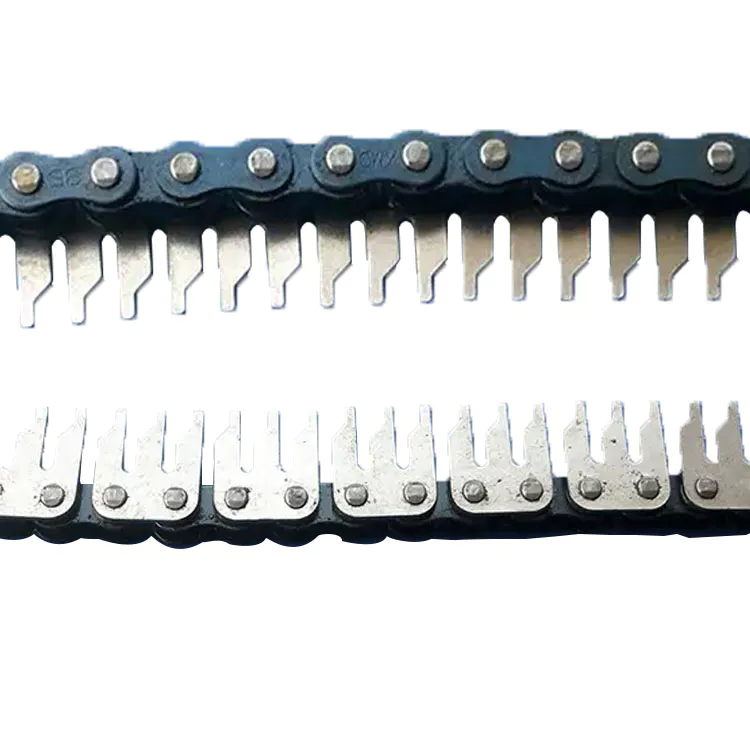
| Product Name | Cathode Copper Conveyor Chain |
| Tiêu chuẩn | GB, ISO, ANSI, DIN |
| Structure | Conveyor chain |
| Treatment | Heat treatment |
| Chứng chỉ | ISO9001:2015, GB/T19001-2016, ISO1400:2015 |
| Độ bền kéo | High strength |
| Bao bì | Plastic Bag+ Carton+Wooden Case |
| Ứng dụng | Industry Machinery |
More Products
Lợi thế
Chứng chỉ
DETAILS ABOUT CZPT CHAIN
Exhibition
Workshop
Packaging Details
Shipping
Câu hỏi thường gặp
1. Are you a manufacturer or trade Company?
We are a factory founded in 1997 with a trade team for international service.
2. What terms of payment do you usually use?
Thanh toán bằng T/T: đặt cọc 30% và nhận 70% khi có chứng từ, Western Union, L/C trả ngay.
3. Thời gian giao hàng của bạn là bao lâu?
Normally 35 days after confirmed order. 30 days could be available in the low season for some items (during May to July), and 45 days during the new year and hot season ( Jan to March).
4. Samples
For customers who need sample confirmation before ordering, please bear in mind that the following policy will be adopted:
1) All samples are free of charge with a maximum value not exceeding USD 100.
2) The courier cost for the first-time sample sending will be charged by the consignee. We will send the samples with freight to be collected. So please inform your account with FedEx, UPS, DHL, or TNT so that we can proceed promptly.
3) The first-time courier cost will be deducted from the contract value of the trial cooperation.
| Vật liệu: | Stainless Steel |
|---|---|
| Kết cấu: | Xích con lăn |
| Xử lý bề mặt: | Đánh bóng |
| Kích thước dây chuyền: | 1/2"*11/128" |
| Tính năng: | Fire Resistant, Oil Resistant, Heat Resistant |
| Heat Treatment: | High Temperature Hardening |
| Mẫu: | US$ 0/Piece 1 chiếc (Số lượng đặt tối thiểu) | |
|---|
| Tùy chỉnh: | Có sẵn | Yêu cầu tùy chỉnh |
|---|

What are the considerations for selecting a corrosion-resistant conveyor chain?
When selecting a corrosion-resistant conveyor chain, several considerations should be taken into account to ensure optimal performance and longevity in corrosive environments. Here are the key factors to consider:
– Material Selection:
Choose a conveyor chain material that is resistant to the specific corrosive agents present in the environment. Stainless steel, plastic, and special coatings such as zinc or nickel plating are commonly used for their corrosion resistance properties.
– Corrosion Resistance Ratings:
Review the corrosion resistance ratings of different chain materials and coatings. Look for industry standards such as ASTM or ISO ratings that indicate the material’s resistance to specific corrosive substances or environmental conditions.
– Environmental Factors:
Consider the specific environmental factors that contribute to corrosion, such as humidity, temperature, presence of chemicals or solvents, and exposure to saltwater or acids. Evaluate how these factors may impact the chain’s corrosion resistance requirements.
– Coating or Surface Treatment:
If using a metal chain, consider applying additional coatings or surface treatments to enhance its corrosion resistance. Options may include electroplating, powder coating, or using specialized anti-corrosion coatings.
– Compatibility with Cleaning Methods:
Ensure that the selected chain material is compatible with the cleaning methods and chemicals used in the application. Some corrosive-resistant materials may require specific cleaning procedures to maintain their performance and longevity.
– Operational Considerations:
Take into account the load capacity, speed, and operational requirements of the conveyor system. Ensure that the corrosion-resistant chain can withstand the mechanical stresses and operational demands without compromising its corrosion resistance properties.
– Cost-Effectiveness:
Weigh the initial cost and long-term benefits of using a corrosion-resistant conveyor chain. While corrosion-resistant materials may have a higher upfront cost, they can significantly reduce maintenance, replacement, and downtime costs associated with corrosion-related failures.
By considering these factors, you can select a corrosion-resistant conveyor chain that is well-suited for the specific corrosive environment, ensuring reliable and durable performance in applications such as chemical processing, food production, wastewater treatment, or outdoor environments.
Can a conveyor chain be used in food processing applications?
Yes, a conveyor chain can be used in food processing applications. Conveyor chains play a crucial role in the efficient and hygienic handling of food products throughout the production process. Here are some key points to consider:
1. Food-Grade Materials: Conveyor chains used in food processing applications are typically made from food-grade materials such as stainless steel or plastic. These materials are corrosion-resistant, easy to clean, and comply with food safety regulations.
2. Hygiene Considerations: Food processing environments require high standards of hygiene. Conveyor chains designed for food applications incorporate features such as smooth surfaces, open link designs, and easy disassembly for thorough cleaning. They may also have specialized coatings or treatments to prevent bacterial growth.
3. Sanitary Design: Conveyor chains for food processing applications are designed with minimal crevices or joints to prevent food particles from getting trapped. They may have self-draining capabilities to remove excess fluids or debris.
4. Product Integrity: Conveyor chains in food processing applications ensure gentle handling of delicate food products to avoid damage or contamination. They can be equipped with accessories like cleats, side guards, or modular belt systems to securely hold and transport items of various shapes and sizes.
5. High Temperature and Washdown Capabilities: Some food processing applications require conveyor chains to withstand high temperatures during cooking, baking, or sterilization processes. Specialized chains with heat-resistant materials or coatings are available. Additionally, conveyor chains used in food processing should be capable of withstanding frequent washdowns and cleaning with water or cleaning agents.
6. Compliance with Standards: Conveyor chains used in food processing applications must comply with industry-specific standards such as FDA (Food and Drug Administration) regulations, HACCP (Hazard Analysis Critical Control Point) guidelines, and other food safety certifications.
When selecting a conveyor chain for food processing applications, it is important to consider the specific requirements of the production line, including the type of food being handled, the operating conditions, and the necessary sanitary standards. Proper maintenance and regular cleaning protocols should also be implemented to ensure food safety and product integrity.
Cần tuân thủ những biện pháp an toàn nào khi làm việc với xích tải?
Làm việc với băng tải tiềm ẩn nhiều nguy hiểm, và việc tuân thủ các biện pháp an toàn thích hợp là vô cùng cần thiết để đảm bảo an toàn cho người lao động và ngăn ngừa tai nạn. Dưới đây là một số biện pháp an toàn quan trọng cần xem xét:
- Huấn luyện đúng cách: Đảm bảo rằng người lao động vận hành hoặc bảo trì băng tải được đào tạo bài bản về các biện pháp an toàn, bao gồm cách xử lý băng tải, quy trình bảo trì và các quy trình khẩn cấp.
- Thiết bị bảo hộ cá nhân (PPE): Người lao động nên trang bị đầy đủ thiết bị bảo hộ cá nhân (PPE) phù hợp, chẳng hạn như kính bảo hộ, găng tay và giày bảo hộ mũi thép, để bảo vệ bản thân khỏi các mối nguy hiểm tiềm tàng, bao gồm mảnh vỡ bay, các điểm kẹp hoặc bị vướng vào vật thể.
- Quy trình khóa/gắn thẻ an toàn: Trước khi thực hiện bất kỳ công việc bảo trì hoặc sửa chữa nào trên xích tải, hãy tuân thủ quy trình khóa/gắn thẻ để cách ly và ngắt điện thiết bị nhằm ngăn ngừa việc khởi động ngoài ý muốn hoặc giải phóng năng lượng tích trữ.
- Bảo vệ: Đảm bảo rằng các xích băng tải được bảo vệ đầy đủ để ngăn chặn việc tiếp cận các bộ phận chuyển động, chẳng hạn như các điểm kẹp và bánh răng quay. Các tấm chắn phải được lắp đặt chắc chắn và không gây cản trở hoạt động của xích.
- Dọn dẹp nhà cửa: Giữ khu vực làm việc sạch sẽ và không có mảnh vụn, dụng cụ hoặc các vật thể khác có thể gây nguy hiểm vấp ngã hoặc cản trở hoạt động của băng tải.
- Kiểm tra định kỳ: Thường xuyên kiểm tra các dây xích băng tải để phát hiện bất kỳ dấu hiệu mài mòn, hư hỏng hoặc lệch trục nào. Khắc phục mọi sự cố kịp thời để ngăn ngừa các nguy cơ mất an toàn tiềm ẩn.
- Quy trình xếp dỡ hàng hóa an toàn: Khi chất hoặc dỡ vật liệu lên băng tải, hãy tuân thủ các kỹ thuật nâng hạ an toàn và đảm bảo tải trọng được phân bố đều để tránh quá tải hoặc mất cân bằng.
- Thiết bị dừng khẩn cấp: Lắp đặt và đánh dấu rõ ràng các thiết bị dừng khẩn cấp dọc theo hệ thống băng tải để cho phép dừng ngay lập tức trong trường hợp khẩn cấp hoặc tình huống nguy hiểm.
- Giao tiếp rõ ràng: Thiết lập các quy trình giao tiếp rõ ràng, bao gồm cả tín hiệu hoặc dấu hiệu, để đảm bảo sự giao tiếp hiệu quả giữa các công nhân vận hành các bộ phận khác nhau của hệ thống băng tải.
Những biện pháp phòng ngừa an toàn này chỉ là hướng dẫn chung, và điều quan trọng là phải tham khảo và tuân thủ các quy định và hướng dẫn an toàn cụ thể do nhà sản xuất thiết bị và các cơ quan an toàn có liên quan cung cấp. Việc đào tạo an toàn thường xuyên, nâng cao nhận thức và xây dựng văn hóa an toàn chủ động là rất quan trọng để duy trì môi trường làm việc an toàn khi vận hành hệ thống băng tải.


editor by CX 2023-09-11