Descrizione del prodotto
Product Details:
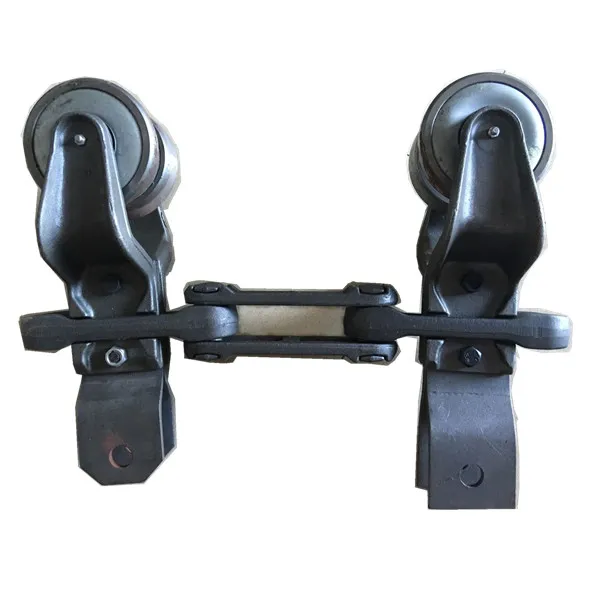
DROP FORGED CHAIN
Our chain with high quality, the material could be 20CrMnTi, 40Cr or 35CrMo and others.
Forged chains are made by die forging, hardening and tempering and carburization.
The drop forged chain is suitable for conveyor device used in bulk materials such as feed mill, rice mill, flour mill, cement, powder, grain powder, sand and coal in powderk pellet or small lump styles.
Related Products:
ABOUT AGS:
HangZhou CHINAMFG Machinery Co., Ltd manufacture and export conveyor parts in China.
Our Business:screw conveyor, chain conveyor, belt conveyor, bucket elevator, Roller mill, Purifier Bin Filter, spout pipe, sieve cleaner, chain ,all kind of machines and components for flour mill ,feed mill, rice mill , and other bulk material handling industry.
Exported country:South Asia, South Africa, West Africa, South American and Russia and the Philippines.
QC standard:All the products are tested before delivery according to relevant International Standard or customers’ requirements.
OEM service: Besides the international standard products, we can also design and manufacture new products according to drawings or requirements.
Our purpose:With more than 20 years experience in the bulk material handling industry, we hope to become one-stop suppliers for all the different machines and components
Contact Details:
HangZhou CHINAMFG Machinery Co., Ltd
Website: agsmachinery
/* 22 gennaio 2571 19:08:37 */!function(){function s(e,r){var a,o={};try{e&&e.split(“,”).forEach(function(e,t){e&&(a=e.match(/(.*?):(.*)$/))&&1
| Struttura: | Chain Conveyor |
|---|---|
| Materiale: | 40cr |
| Material Feature: | Oil Resistant, Heat Resistant, Fire Resistant |
| Applicazione: | Chemical Industry, Grain Transport, Mining Transport |
| Condizione: | New |
| Trattamento superficiale: | Carburization |
| Esempi: | US$ 999/Piece 1 pezzo (ordine minimo) | |
|---|
| Personalizzazione: | Disponibile | Richiesta personalizzata |
|---|

How do you ensure proper tensioning and alignment of a conveyor chain?
Proper tensioning and alignment are essential for the efficient and reliable operation of a conveyor chain. Here are the steps to ensure correct tensioning and alignment:
1. Initial Installation:
– Ensure that the conveyor frame and supports are properly aligned and leveled before installing the chain. Any misalignment or unevenness can lead to tensioning and alignment issues.
– Follow the manufacturer’s guidelines and specifications for chain installation. This includes proper placement of sprockets, tensioners, and guides.
2. Tensioning:
– Adjust the tension of the chain to the manufacturer’s recommended specifications. Proper tension prevents excessive sagging or tightness, reducing wear and extending the chain’s life.
– Use tensioning devices, such as adjustable take-up units or tensioning screws, to achieve the desired tension. Refer to the manufacturer’s guidelines for the appropriate method of tensioning for your specific conveyor chain.
– Regularly check and adjust the tension as needed. Factors such as chain wear, load variations, and temperature changes can affect the chain’s tension over time.
3. Alignment:
– Check the alignment of the chain with respect to the sprockets and guides. Misalignment can cause uneven wear, increased friction, and premature failure of the chain.
– Inspect the alignment by visually examining the chain’s path along the sprockets and guides. It should run smoothly without any signs of rubbing or excessive deviation.
– Use alignment tools, such as laser alignment devices or straightedges, to accurately assess and correct any misalignment. Adjust the position of sprockets, guides, and supports as necessary.
4. Regular Maintenance:
– Implement a scheduled maintenance program to regularly inspect and maintain proper tensioning and alignment of the conveyor chain.
– Monitor the chain’s performance, including wear patterns, noise levels, and power consumption, as indicators of potential tensioning or alignment issues.
– Keep the chain clean and free from debris or contaminants that can affect its movement and alignment.
By following these steps and regularly monitoring the tensioning and alignment of the conveyor chain, you can ensure smooth and reliable operation, minimize chain wear, and reduce the risk of unexpected failures.
Quali sono le considerazioni di progettazione per un trasportatore a catena di grande campata?
La progettazione di un trasportatore a catena di grande campata richiede un'attenta valutazione di diversi fattori per garantirne efficienza, sicurezza e affidabilità. Ecco alcuni aspetti chiave da considerare in fase di progettazione:
1. Selezione della catena del trasportatore: Scegliere una catena del trasportatore adatta a lunghe campate e in grado di sopportare il carico richiesto. Considerare fattori quali il materiale della catena, il passo, la resistenza e la durata per assicurarsi che possa gestire il carico previsto e le condizioni operative.
2. Struttura del trasportatore: La struttura del trasportatore deve essere progettata per fornire un supporto e una stabilità sufficienti per la sua lunga campata. È necessario considerare fattori quali la resistenza del materiale, la rigidità e la flessione per garantire che la struttura possa sopportare il peso della catena del trasportatore, del prodotto trasportato e di eventuali carichi aggiuntivi.
3. Sistema di azionamento: Selezionare un sistema di azionamento adeguato in grado di alimentare in modo efficiente la catena trasportatrice di grande campata. Considerare fattori quali potenza del motore, velocità, coppia e meccanismi di controllo per garantire un funzionamento fluido e affidabile.
4. Tensionamento e allineamento: Un corretto tensionamento e allineamento della catena del trasportatore sono fondamentali per le sue prestazioni e la sua durata. Progettare il sistema con dispositivi di tensionamento e meccanismi di allineamento adeguati per mantenere una tensione e un allineamento ottimali della catena lungo tutta la lunghezza del trasportatore.
5. Supporti e cuscinetti: Installare supporti e cuscinetti adeguati lungo tutta la lunghezza del trasportatore per ridurre l'abbassamento della catena, minimizzare l'attrito e garantire un movimento fluido. Considerare fattori quali il tipo di cuscinetto, la lubrificazione e i requisiti di manutenzione.
6. Controlli e sicurezza del trasportatore: Implementare controlli e dispositivi di sicurezza appropriati per monitorare e controllare il funzionamento della catena del trasportatore a lunga campata. Ciò può includere sistemi di arresto di emergenza, monitoraggio della velocità, protezione da sovraccarico e interblocchi di sicurezza.
7. Fattori ambientali: Considerare le condizioni ambientali in cui opererà il trasportatore, come temperatura, umidità, polvere e sostanze corrosive. Selezionare materiali e componenti in grado di resistere a tali condizioni e implementare adeguate misure di ventilazione, aspirazione delle polveri e protezione dalla corrosione.
8. Manutenzione e accessibilità: Progettare il sistema di trasporto tenendo conto della facilità di manutenzione e accessibilità. Prevedere un numero sufficiente di punti di accesso, passerelle e piattaforme per le attività di ispezione, pulizia e manutenzione. Considerare fattori quali punti di lubrificazione, sistemi di pulizia del nastro trasportatore e facilità di sostituzione dei componenti usurati.
9. Espansione futura e flessibilità: Prevedere le future esigenze di espansione o modifica e progettare il trasportatore a catena a lunga campata tenendo conto della flessibilità. Ciò può includere la possibilità di aggiungere sezioni di trasporto, punti di trasferimento o l'integrazione con altre apparecchiature.
Tenendo conto di questi aspetti progettuali, un trasportatore a catena di grande campata può essere progettato e ottimizzato in modo efficiente per l'applicazione prevista, garantendo operazioni di movimentazione dei materiali affidabili ed economicamente vantaggiose.
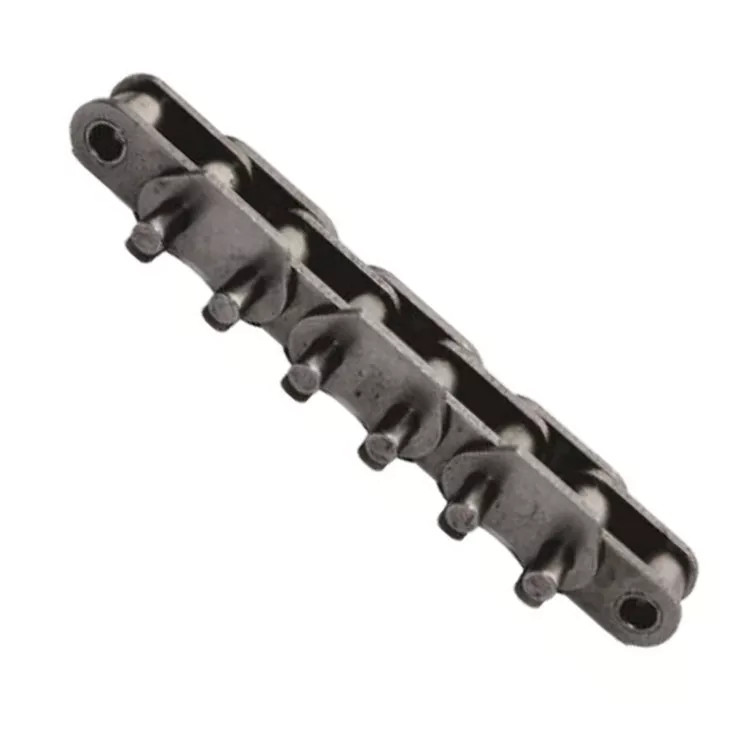
Can a conveyor chain be repaired or does it need to be replaced entirely?
In general, conveyor chains can be repaired in certain cases, but there are instances where replacement is necessary. Here are some considerations:
- Minor Damage: If the conveyor chain has minor damage, such as a broken link or a damaged pin, it may be possible to repair it by replacing the damaged components.
- Significant Wear: If the chain has significant wear, such as elongation or excessive corrosion, it may be more cost-effective to replace the entire chain rather than attempting repairs.
- Critical Components: Some conveyor chains have critical components that cannot be repaired, such as welded attachments or specialized features. In such cases, replacement is usually the only option.
- Manufacturer’s Recommendations: It’s important to consult the manufacturer’s recommendations regarding chain repairability. They can provide specific guidelines on when repair is feasible and when replacement is necessary.
Before deciding whether to repair or replace a conveyor chain, it’s recommended to assess the extent of damage, consider the overall condition of the chain, and evaluate the cost-effectiveness of each option. It’s always advisable to consult with a qualified professional or the chain manufacturer to determine the best course of action.


editor by CX 2024-04-25