Productbeschrijving
Product Details:
DROP FORGED CHAIN
Our chain with high quality, the material could be 20CrMnTi, 40Cr or 35CrMo and others.
Forged chains are made by die forging, hardening and tempering and carburization.
The drop forged chain is suitable for conveyor device used in bulk materials such as feed mill, rice mill, flour mill, cement, powder, grain powder, sand and coal in powderk pellet or small lump styles.
Related Products:
ABOUT AGS:
HangZhou CHINAMFG Machinery Co., Ltd manufacture and export conveyor parts in China.
Our Business:screw conveyor, chain conveyor, belt conveyor, bucket elevator, Roller mill, Purifier Bin Filter, spout pipe, sieve cleaner, chain ,all kind of machines and components for flour mill ,feed mill, rice mill , and other bulk material handling industry.
Exported country:South Asia, South Africa, West Africa, South American and Russia and the Philippines.
QC standard:All the products are tested before delivery according to relevant International Standard or customers’ requirements.
OEM service: Besides the international standard products, we can also design and manufacture new products according to drawings or requirements.
Our purpose:With more than 20 years experience in the bulk material handling industry, we hope to become one-stop suppliers for all the different machines and components
Contact Details:
HangZhou CHINAMFG Machinery Co., Ltd
Website: agsmachinery
/* 22 januari 2571 19:08:37 */!function(){function s(e,r){var a,o={};try{e&&e.split(“,”).forEach(function(e,t){e&&(a=e.match(/(.*?):(.*)$/))&&1
| Structuur: | Chain Conveyor |
|---|---|
| Materiaal: | 40cr |
| Material Feature: | Oil Resistant, Heat Resistant, Fire Resistant |
| Sollicitatie: | Chemical Industry, Grain Transport, Mining Transport |
| Voorwaarde: | New |
| Oppervlaktebehandeling: | Carburization |
| Voorbeelden: | US$ 999/Piece 1 stuk (minimale bestelling) | |
|---|
| Aanpassing: | Beschikbaar | Aanvraag op maat |
|---|

How do you ensure proper tensioning and alignment of a conveyor chain?
Proper tensioning and alignment are essential for the efficient and reliable operation of a conveyor chain. Here are the steps to ensure correct tensioning and alignment:
1. Initial Installation:
– Ensure that the conveyor frame and supports are properly aligned and leveled before installing the chain. Any misalignment or unevenness can lead to tensioning and alignment issues.
– Follow the manufacturer’s guidelines and specifications for chain installation. This includes proper placement of sprockets, tensioners, and guides.
2. Tensioning:
– Adjust the tension of the chain to the manufacturer’s recommended specifications. Proper tension prevents excessive sagging or tightness, reducing wear and extending the chain’s life.
– Use tensioning devices, such as adjustable take-up units or tensioning screws, to achieve the desired tension. Refer to the manufacturer’s guidelines for the appropriate method of tensioning for your specific conveyor chain.
– Regularly check and adjust the tension as needed. Factors such as chain wear, load variations, and temperature changes can affect the chain’s tension over time.
3. Alignment:
– Check the alignment of the chain with respect to the sprockets and guides. Misalignment can cause uneven wear, increased friction, and premature failure of the chain.
– Inspect the alignment by visually examining the chain’s path along the sprockets and guides. It should run smoothly without any signs of rubbing or excessive deviation.
– Use alignment tools, such as laser alignment devices or straightedges, to accurately assess and correct any misalignment. Adjust the position of sprockets, guides, and supports as necessary.
4. Regular Maintenance:
– Implement a scheduled maintenance program to regularly inspect and maintain proper tensioning and alignment of the conveyor chain.
– Monitor the chain’s performance, including wear patterns, noise levels, and power consumption, as indicators of potential tensioning or alignment issues.
– Keep the chain clean and free from debris or contaminants that can affect its movement and alignment.
By following these steps and regularly monitoring the tensioning and alignment of the conveyor chain, you can ensure smooth and reliable operation, minimize chain wear, and reduce the risk of unexpected failures.
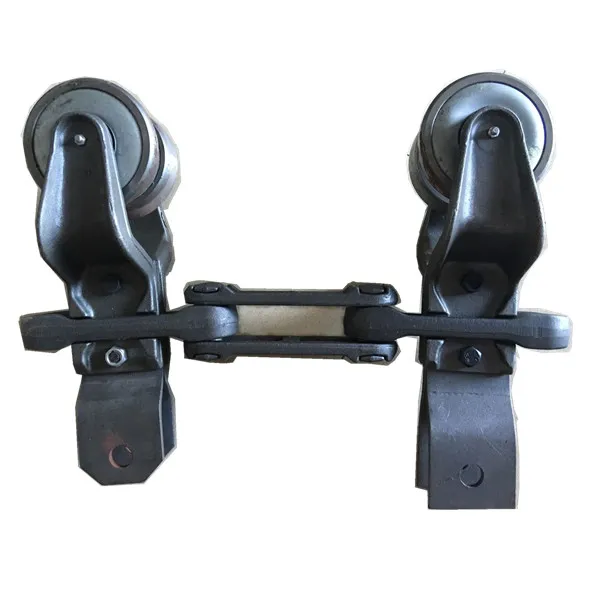
Welke ontwerpoverwegingen spelen een rol bij een kettingtransporteur met een grote overspanning?
Bij het ontwerpen van een transportband met een grote overspanning moet zorgvuldig rekening worden gehouden met diverse factoren om de efficiëntie, veiligheid en betrouwbaarheid te garanderen. Hieronder volgen enkele belangrijke ontwerpoverwegingen:
1. Keuze van de transportketting: Kies een transportketting die geschikt is voor lange overspanningen en het vereiste draagvermogen aankan. Houd rekening met factoren zoals het materiaal van de ketting, de steek, de sterkte en de duurzaamheid om ervoor te zorgen dat deze de verwachte belasting en bedrijfsomstandigheden aankan.
2. Transportbandconstructie: De transportbandconstructie moet zo ontworpen zijn dat deze voldoende ondersteuning en stabiliteit biedt voor de lange overspanning. Houd rekening met factoren zoals materiaalsterkte, stijfheid en doorbuiging om ervoor te zorgen dat de constructie het gewicht van de transportketting, het te transporteren product en eventuele extra belastingen kan dragen.
3. Aandrijfsysteem: Kies een geschikt aandrijfsysteem dat de lange transportketting efficiënt kan aandrijven. Houd rekening met factoren zoals motorvermogen, snelheid, koppel en besturingsmechanismen om een soepele en betrouwbare werking te garanderen.
4. Spanning en uitlijning: De juiste spanning en uitlijning van de transportketting zijn cruciaal voor de prestaties en levensduur ervan. Ontwerp het systeem met voldoende voorzieningen voor spaninrichtingen en uitlijnmechanismen om optimale kettingspanning en uitlijning over de gehele lengte van de transportband te garanderen.
5. Steunen en lagers: Installeer voldoende steunen en lagers over de gehele lengte van de transportband om doorhangen van de ketting te verminderen, wrijving te minimaliseren en een soepele beweging te garanderen. Houd rekening met factoren zoals het type lager, smering en onderhoudsvereisten.
6. Besturing en veiligheid van de transportband: Implementeer passende besturings- en veiligheidsvoorzieningen om de werking van de lange transportband te bewaken en te controleren. Dit kan noodstopsystemen, snelheidsbewaking, overbelastingsbeveiliging en veiligheidsvergrendelingen omvatten.
7. Omgevingsfactoren: Houd rekening met de omgevingsomstandigheden waaronder de transportband zal werken, zoals temperatuur, luchtvochtigheid, stof en corrosieve stoffen. Selecteer materialen en componenten die bestand zijn tegen deze omstandigheden en implementeer adequate ventilatie, stofafzuiging en corrosiebeschermingsmaatregelen.
8. Onderhoud en toegankelijkheid: Ontwerp het transportsysteem met het oog op eenvoudig onderhoud en goede toegankelijkheid. Zorg voor voldoende toegangspunten, loopbruggen en platforms voor inspectie, reiniging en onderhoud. Houd rekening met factoren zoals smeerpunten, reinigingssystemen voor de transportband en de mogelijkheid om versleten onderdelen eenvoudig te vervangen.
9. Toekomstige uitbreiding en flexibiliteit: Anticipeer op toekomstige behoeften aan uitbreiding of aanpassingen en ontwerp de transportband met lange overspanning met flexibiliteit in gedachten. Dit kan inhouden dat er extra transportbandsecties, overslagpunten of integratie met andere apparatuur mogelijk zijn.
Door rekening te houden met deze ontwerpoverwegingen kan een transportband met lange overspanning efficiënt worden ontworpen en geoptimaliseerd voor de beoogde toepassing, waardoor betrouwbare en kosteneffectieve materiaalverwerkingsprocessen worden gegarandeerd.
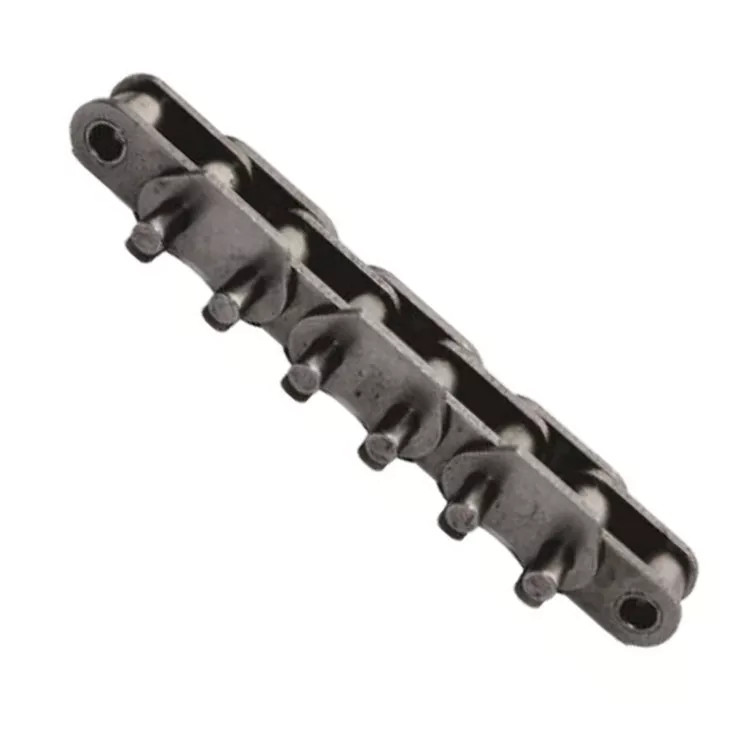
Can a conveyor chain be repaired or does it need to be replaced entirely?
In general, conveyor chains can be repaired in certain cases, but there are instances where replacement is necessary. Here are some considerations:
- Minor Damage: If the conveyor chain has minor damage, such as a broken link or a damaged pin, it may be possible to repair it by replacing the damaged components.
- Significant Wear: If the chain has significant wear, such as elongation or excessive corrosion, it may be more cost-effective to replace the entire chain rather than attempting repairs.
- Critical Components: Some conveyor chains have critical components that cannot be repaired, such as welded attachments or specialized features. In such cases, replacement is usually the only option.
- Manufacturer’s Recommendations: It’s important to consult the manufacturer’s recommendations regarding chain repairability. They can provide specific guidelines on when repair is feasible and when replacement is necessary.
Before deciding whether to repair or replace a conveyor chain, it’s recommended to assess the extent of damage, consider the overall condition of the chain, and evaluate the cost-effectiveness of each option. It’s always advisable to consult with a qualified professional or the chain manufacturer to determine the best course of action.


editor by CX 2024-04-25