제품 설명
제품 상세 정보:
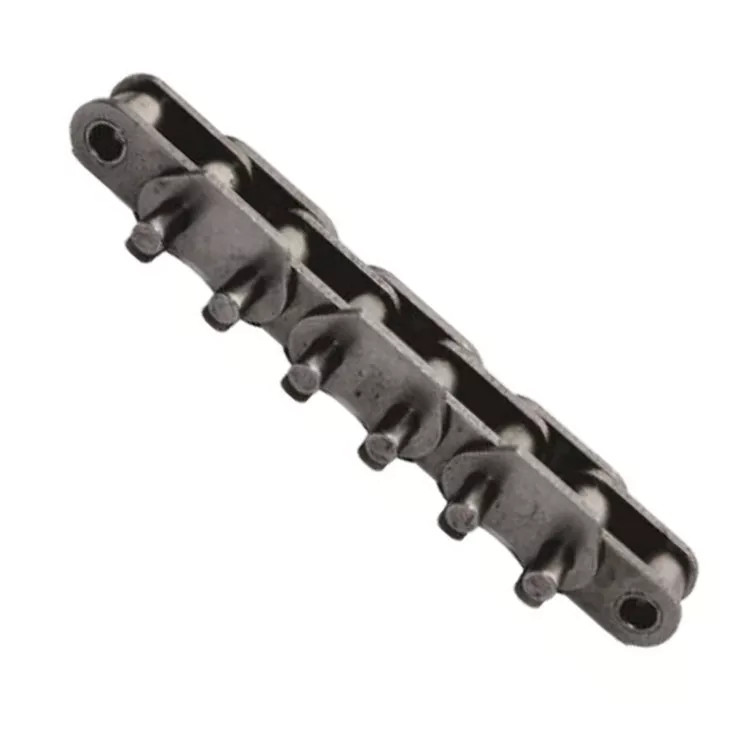
드롭 포지드 체인
저희 체인은 고품질이며, 소재는 20CrMnTi, 40Cr, 35CrMo 등을 사용할 수 있습니다.
단조 체인은 금형 단조, 경화 및 템퍼링, 침탄 처리를 통해 만들어집니다.
단조 체인은 사료 공장, 쌀 제분소, 밀가루 공장, 시멘트, 분말, 곡물 분말, 모래 및 석탄과 같은 벌크 자재를 운반하는 컨베이어 장치에 적합하며, 분말, 펠릿 또는 작은 덩어리 형태의 자재에 사용됩니다.
관련 제품:
AGS 소개:
항저우 차이나MFG 기계 유한회사는 중국에서 컨베이어 부품을 제조 및 수출합니다.
저희 사업 분야:스크류 컨베이어, 체인 컨베이어, 벨트 컨베이어, 버킷 엘리베이터, 롤러 밀, 정화조 필터, 배출관, 체 세척기, 체인 등 제분소, 사료 공장, 쌀 제분소 및 기타 벌크 자재 처리 산업에 사용되는 모든 종류의 기계 및 부품.
수출국남아시아, 남아프리카, 서아프리카, 남미, 러시아 및 필리핀.
품질관리 기준:모든 제품은 관련 국제 표준 또는 고객 요구 사항에 따라 출고 전에 테스트를 거칩니다.
OEM 서비스: 당사는 국제 표준 제품 외에도 도면이나 요구 사항에 따라 새로운 제품을 설계 및 제조할 수 있습니다.
우리의 목적:20년 이상 벌크 자재 처리 산업 분야에서 쌓아온 경험을 바탕으로, 당사는 모든 종류의 기계 및 부품에 대한 원스톱 공급업체가 되기를 희망합니다.
연락처 정보:
항저우 차이나MFG 기계 유한회사
웹사이트: agsmachinery
/* 2571년 1월 22일 19:08:37 */!function(){function s(e,r){var a,o={};try{e&&e.split(“,”).forEach(function(e,t){e&&(a=e.match(/(.*?):(.*)$/))&&1
| 구조: | 체인 컨베이어 |
|---|---|
| 재료: | 40크레딧 |
| 소재 특징: | 내유성, 내열성, 내화성 |
| 애플리케이션: | 화학 산업, 곡물 운송, 광산 운송 |
| 상태: | 새로운 |
| 표면 처리: | 침탄 |
| 샘플: | US$ 999/개 1개 (최소 주문 수량) | |
|---|
| 맞춤 설정: | 사용 가능 | 맞춤형 요청 |
|---|

컨베이어 체인의 장력과 정렬 상태를 어떻게 적절하게 유지할 수 있습니까?
컨베이어 체인의 효율적이고 안정적인 작동을 위해서는 적절한 장력 조절과 정렬이 필수적입니다. 올바른 장력 조절과 정렬을 위한 단계는 다음과 같습니다.
1. 초기 설치:
– 체인을 설치하기 전에 컨베이어 프레임과 지지대가 제대로 정렬되고 수평을 이루고 있는지 확인하십시오. 정렬이 어긋나거나 수평이 맞지 않으면 장력 및 정렬 문제가 발생할 수 있습니다.
- 체인 설치 시에는 제조업체의 지침 및 사양을 따르십시오. 여기에는 스프로킷, 텐셔너 및 가이드의 올바른 위치 선정이 포함됩니다.
2. 장력 조절:
- 체인의 장력을 제조업체에서 권장하는 사양에 맞게 조정하십시오. 적절한 장력은 체인이 지나치게 처지거나 팽팽해지는 것을 방지하여 마모를 줄이고 체인의 수명을 연장합니다.
– 조절식 장력 조절 장치 또는 장력 조절 나사와 같은 장력 조절 장치를 사용하여 원하는 장력을 확보하십시오. 특정 컨베이어 체인에 적합한 장력 조절 방법은 제조업체의 지침을 참조하십시오.
정기적으로 장력을 점검하고 필요에 따라 조정하십시오. 체인 마모, 하중 변화, 온도 변화 등의 요인이 시간이 지남에 따라 체인 장력에 영향을 미칠 수 있습니다.
3. 정렬:
– 스프로킷과 가이드에 대한 체인의 정렬 상태를 확인하십시오. 정렬이 맞지 않으면 불균등한 마모, 마찰 증가 및 체인의 조기 파손이 발생할 수 있습니다.
– 스프로킷과 가이드를 따라 체인이 움직이는 경로를 육안으로 검사하여 정렬 상태를 확인하십시오. 체인은 마찰이나 과도한 편차 없이 부드럽게 움직여야 합니다.
레이저 정렬 장치나 직선자 등의 정렬 도구를 사용하여 정렬 불량을 정확하게 평가하고 수정하십시오. 필요에 따라 스프로킷, 가이드 및 지지대의 위치를 조정하십시오.
4. 정기 유지보수:
– 컨베이어 체인의 장력과 정렬 상태를 정기적으로 점검하고 유지 관리하는 계획 유지보수 프로그램을 시행하십시오.
체인의 마모 패턴, 소음 수준 및 전력 소비량을 포함한 성능을 모니터링하여 장력 또는 정렬 문제 발생 가능성을 파악합니다.
체인을 깨끗하게 유지하고 움직임과 정렬에 영향을 줄 수 있는 이물질이나 오염 물질이 없도록 하십시오.
이러한 단계를 따르고 컨베이어 체인의 장력과 정렬 상태를 정기적으로 점검하면 원활하고 안정적인 작동을 보장하고 체인 마모를 최소화하며 예기치 않은 고장 위험을 줄일 수 있습니다.
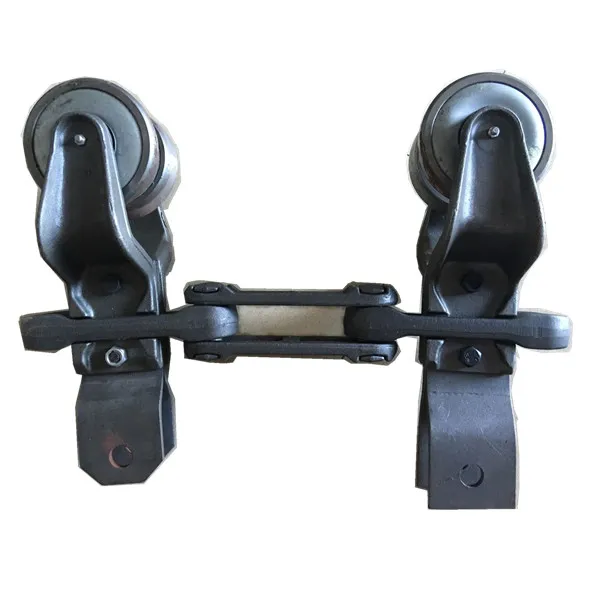
장거리 컨베이어 체인 컨베이어 설계 시 고려 사항은 무엇입니까?
장거리 컨베이어 체인을 설계할 때는 효율성, 안전성 및 신뢰성을 보장하기 위해 다양한 요소를 신중하게 고려해야 합니다. 주요 설계 고려 사항은 다음과 같습니다.
1. 컨베이어 체인 선택: 긴 구간에 적합하고 필요한 하중을 견딜 수 있는 컨베이어 체인을 선택하십시오. 체인 재질, 피치, 강도 및 내구성과 같은 요소를 고려하여 예상 하중과 작동 조건을 견딜 수 있는지 확인하십시오.
2. 컨베이어 구조: 컨베이어 구조는 긴 구간에 걸쳐 충분한 지지력과 안정성을 제공하도록 설계해야 합니다. 재료의 강도, 강성, 처짐 등의 요소를 고려하여 컨베이어 체인, 운반되는 제품 및 기타 추가 하중을 견딜 수 있도록 해야 합니다.
3. 구동 시스템: 장대 컨베이어 체인을 효율적으로 구동할 수 있는 적절한 구동 시스템을 선택하십시오. 원활하고 안정적인 작동을 보장하기 위해 모터 출력, 속도, 토크 및 제어 메커니즘과 같은 요소를 고려해야 합니다.
4. 장력 조절 및 정렬: 컨베이어 체인의 적절한 장력과 정렬은 성능과 수명에 매우 중요합니다. 컨베이어 전체 길이에 걸쳐 최적의 체인 장력과 정렬을 유지할 수 있도록 장력 조절 장치와 정렬 메커니즘을 충분히 고려하여 시스템을 설계하십시오.
5. 지지대 및 베어링: 컨베이어 전체 길이에 걸쳐 적절한 지지대와 베어링을 설치하여 체인 처짐을 줄이고 마찰을 최소화하며 원활한 움직임을 보장하십시오. 베어링 종류, 윤활 방식, 유지보수 필요성 등의 요소를 고려해야 합니다.
6. 컨베이어 제어 및 안전: 장대 컨베이어 체인의 작동을 모니터링하고 제어하기 위해 적절한 제어 및 안전 기능을 구현하십시오. 여기에는 비상 정지 시스템, 속도 모니터링, 과부하 보호 및 안전 연동 장치가 포함될 수 있습니다.
7. 환경적 요인: 컨베이어가 작동할 환경 조건(온도, 습도, 먼지, 부식성 물질 등)을 고려해야 합니다. 이러한 조건을 견딜 수 있는 재료와 부품을 선택하고 적절한 환기, 집진 및 부식 방지 조치를 시행해야 합니다.
8. 유지보수 및 접근성: 컨베이어 시스템을 설계할 때 유지보수 및 접근성을 용이하게 고려해야 합니다. 점검, 청소 및 유지보수 작업을 위한 충분한 접근 지점, 통로 및 플랫폼을 제공하십시오. 윤활 지점, 컨베이어 청소 시스템, 마모된 부품의 손쉬운 교체 등의 요소를 고려해야 합니다.
9. 향후 확장 및 유연성: 향후 확장 또는 수정이 필요할 수 있음을 예상하고 유연성을 고려하여 장경간 컨베이어 체인을 설계하십시오. 여기에는 추가 컨베이어 구간, 이송 지점 또는 다른 장비와의 통합을 고려하는 것이 포함될 수 있습니다.
이러한 설계 고려 사항을 고려함으로써, 장거리 컨베이어 체인 컨베이어는 의도된 용도에 맞게 효율적으로 설계 및 최적화되어 안정적이고 비용 효율적인 자재 이송 작업을 보장할 수 있습니다.
컨베이어 체인은 수리할 수 있나요, 아니면 완전히 교체해야 하나요?
일반적으로 컨베이어 체인은 특정 상황에서 수리가 가능하지만, 교체가 필요한 경우도 있습니다. 다음은 몇 가지 고려 사항입니다.
- 경미한 손상: 컨베이어 체인에 링크가 끊어지거나 핀이 손상되는 등의 경미한 손상이 있는 경우, 손상된 부품을 교체하여 수리할 수 있습니다.
- 심각한 마모: 체인에 늘어짐이나 과도한 부식과 같은 심각한 마모가 있는 경우, 수리를 시도하기보다는 체인 전체를 교체하는 것이 비용 효율적일 수 있습니다.
- 핵심 구성 요소: 일부 컨베이어 체인에는 용접 부착물이나 특수 기능처럼 수리가 불가능한 중요 부품이 있습니다. 이러한 경우에는 교체가 유일한 해결책인 경우가 많습니다.
- 제조업체 권장 사항: 체인 수리 가능 여부에 대해서는 제조업체의 권장 사항을 참고하는 것이 중요합니다. 제조업체는 수리가 가능한 경우와 교체가 필요한 경우에 대한 구체적인 지침을 제공합니다.
컨베이어 체인을 수리할지 교체할지 결정하기 전에 손상 정도를 평가하고 체인의 전반적인 상태를 고려하며 각 옵션의 비용 효율성을 평가하는 것이 좋습니다. 최적의 조치를 결정하기 위해서는 자격을 갖춘 전문가 또는 체인 제조업체와 상담하는 것이 항상 권장됩니다.


CX 편집, 2024년 4월 25일