製品説明
Product Details:
DROP FORGED CHAIN
Our chain with high quality, the material could be 20CrMnTi, 40Cr or 35CrMo and others.
Forged chains are made by die forging, hardening and tempering and carburization.
The drop forged chain is suitable for conveyor device used in bulk materials such as feed mill, rice mill, flour mill, cement, powder, grain powder, sand and coal in powderk pellet or small lump styles.
Related Products:
ABOUT AGS:
HangZhou CHINAMFG Machinery Co., Ltd manufacture and export conveyor parts in China.
Our Business:screw conveyor, chain conveyor, belt conveyor, bucket elevator, Roller mill, Purifier Bin Filter, spout pipe, sieve cleaner, chain ,all kind of machines and components for flour mill ,feed mill, rice mill , and other bulk material handling industry.
Exported country:South Asia, South Africa, West Africa, South American and Russia and the Philippines.
QC standard:All the products are tested before delivery according to relevant International Standard or customers’ requirements.
OEM service: Besides the international standard products, we can also design and manufacture new products according to drawings or requirements.
Our purpose:With more than 20 years experience in the bulk material handling industry, we hope to become one-stop suppliers for all the different machines and components
Contact Details:
HangZhou CHINAMFG Machinery Co., Ltd
Website: agsmachinery
/* 2571 年 1 月 22 日 19:08:37 */!function(){function s(e,r){var a,o={};try{e&&e.split(“,”).forEach(function(e,t){e&&(a=e.match(/(.*?):(.*)$/))&&1
| 構造: | Chain Conveyor |
|---|---|
| 材料: | 40cr |
| Material Feature: | Oil Resistant, Heat Resistant, Fire Resistant |
| Application: | Chemical Industry, Grain Transport, Mining Transport |
| Condition: | New |
| 表面処理: | Carburization |
| サンプル: | US$ 999/Piece 1個(最小注文数) | |
|---|
| カスタマイズ: | 利用可能 | カスタマイズされたリクエスト |
|---|

How do you ensure proper tensioning and alignment of a conveyor chain?
Proper tensioning and alignment are essential for the efficient and reliable operation of a conveyor chain. Here are the steps to ensure correct tensioning and alignment:
1. Initial Installation:
– Ensure that the conveyor frame and supports are properly aligned and leveled before installing the chain. Any misalignment or unevenness can lead to tensioning and alignment issues.
– Follow the manufacturer’s guidelines and specifications for chain installation. This includes proper placement of sprockets, tensioners, and guides.
2. Tensioning:
– Adjust the tension of the chain to the manufacturer’s recommended specifications. Proper tension prevents excessive sagging or tightness, reducing wear and extending the chain’s life.
– Use tensioning devices, such as adjustable take-up units or tensioning screws, to achieve the desired tension. Refer to the manufacturer’s guidelines for the appropriate method of tensioning for your specific conveyor chain.
– Regularly check and adjust the tension as needed. Factors such as chain wear, load variations, and temperature changes can affect the chain’s tension over time.
3. Alignment:
– Check the alignment of the chain with respect to the sprockets and guides. Misalignment can cause uneven wear, increased friction, and premature failure of the chain.
– Inspect the alignment by visually examining the chain’s path along the sprockets and guides. It should run smoothly without any signs of rubbing or excessive deviation.
– Use alignment tools, such as laser alignment devices or straightedges, to accurately assess and correct any misalignment. Adjust the position of sprockets, guides, and supports as necessary.
4. Regular Maintenance:
– Implement a scheduled maintenance program to regularly inspect and maintain proper tensioning and alignment of the conveyor chain.
– Monitor the chain’s performance, including wear patterns, noise levels, and power consumption, as indicators of potential tensioning or alignment issues.
– Keep the chain clean and free from debris or contaminants that can affect its movement and alignment.
By following these steps and regularly monitoring the tensioning and alignment of the conveyor chain, you can ensure smooth and reliable operation, minimize chain wear, and reduce the risk of unexpected failures.
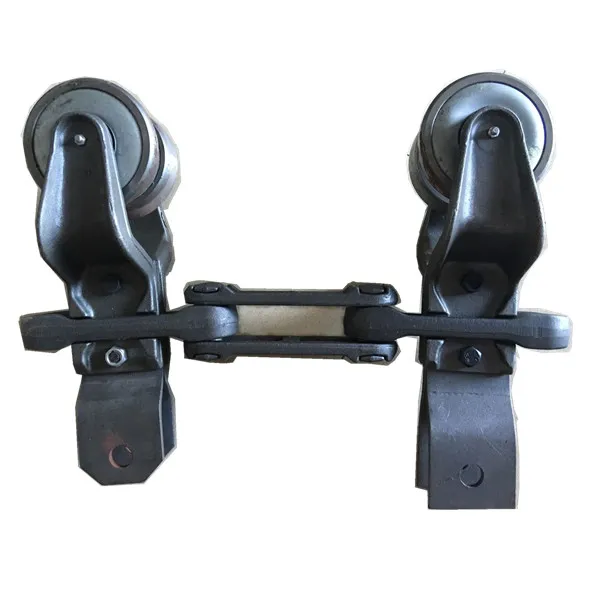
長スパンコンベヤチェーンの設計上の考慮事項は何ですか?
長スパンコンベヤチェーンの設計には、効率性、安全性、信頼性を確保するために、さまざまな要素を慎重に検討する必要があります。以下に、設計上の重要な考慮事項をいくつか示します。
1. コンベヤチェーンの選定:長スパンに適し、必要な耐荷重に耐えられるコンベヤチェーンを選定してください。チェーンの材質、ピッチ、強度、耐久性などの要素を考慮し、想定される荷重と運転条件に対応できることを確認してください。
2. コンベヤ構造:コンベヤ構造は、長いスパンに対して十分な支持力と安定性を提供するように設計する必要があります。材料の強度、剛性、たわみなどの要素を考慮し、構造がコンベヤチェーン、搬送される製品、およびその他の追加荷重の重量に耐えられることを確認してください。
3.駆動システム:長スパンコンベヤチェーンを効率的に駆動できる適切な駆動システムを選定してください。モーター出力、速度、トルク、制御機構などの要素を考慮し、スムーズで信頼性の高い動作を確保してください。
4. 張力調整と位置合わせ:コンベヤチェーンの適切な張力調整と位置合わせは、その性能と寿命にとって非常に重要です。コンベヤ全長にわたって最適なチェーン張力と位置合わせを維持できるよう、張力調整装置と位置合わせ機構のための適切な設備を備えたシステムを設計してください。
5.支持部材とベアリング:コンベアの全長に沿って適切な支持部材とベアリングを設置し、チェーンのたるみを軽減し、摩擦を最小限に抑え、スムーズな動作を確保してください。ベアリングの種類、潤滑方法、メンテナンス要件などの要素を考慮してください。
6.コンベヤの制御と安全:長尺コンベヤチェーンの動作を監視および制御するために、適切な制御機能と安全機能を実装します。これには、緊急停止システム、速度監視、過負荷保護、および安全インターロックなどが含まれます。
7.環境要因:コンベアが稼働する環境条件(温度、湿度、粉塵、腐食性物質など)を考慮してください。これらの条件に耐えられる材料と部品を選定し、適切な換気、集塵、腐食防止対策を実施してください。
8.保守性とアクセス性:コンベアシステムは、保守性とアクセス性を考慮して設計してください。点検、清掃、保守作業のために、十分なアクセスポイント、通路、プラットフォームを設けてください。潤滑箇所、コンベア清掃システム、摩耗部品の容易な交換といった要素も考慮してください。
9.将来の拡張性と柔軟性:将来の拡張や変更の必要性を予測し、柔軟性を考慮して長スパンコンベヤチェーンを設計します。これには、追加のコンベヤセクション、移送ポイント、または他の機器との統合を可能にすることが含まれます。
これらの設計上の考慮事項を踏まえることで、長スパンコンベヤチェーンコンベヤをその用途に合わせて効率的に設計・最適化することができ、信頼性が高く費用対効果の高いマテリアルハンドリング作業を実現できます。
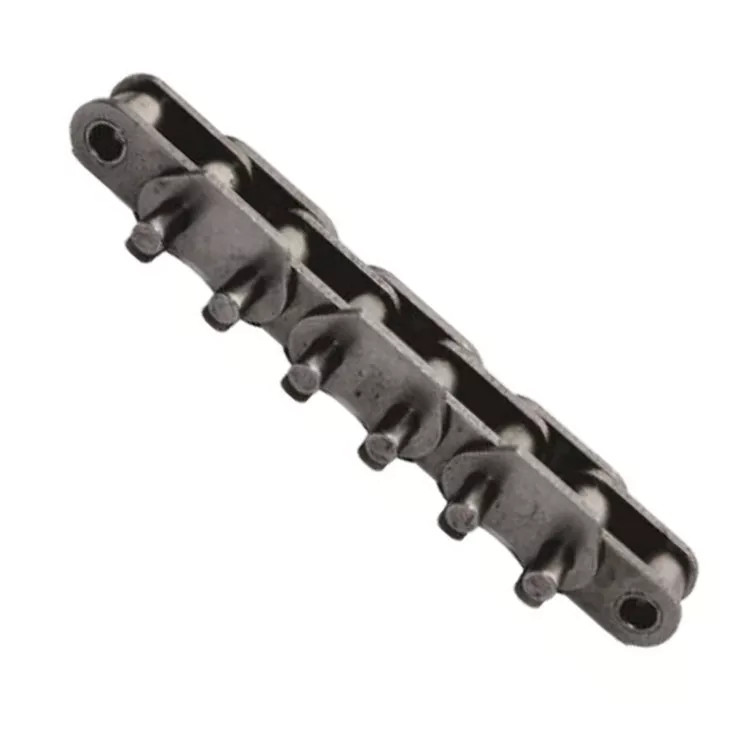
Can a conveyor chain be repaired or does it need to be replaced entirely?
In general, conveyor chains can be repaired in certain cases, but there are instances where replacement is necessary. Here are some considerations:
- Minor Damage: If the conveyor chain has minor damage, such as a broken link or a damaged pin, it may be possible to repair it by replacing the damaged components.
- Significant Wear: If the chain has significant wear, such as elongation or excessive corrosion, it may be more cost-effective to replace the entire chain rather than attempting repairs.
- Critical Components: Some conveyor chains have critical components that cannot be repaired, such as welded attachments or specialized features. In such cases, replacement is usually the only option.
- Manufacturer’s Recommendations: It’s important to consult the manufacturer’s recommendations regarding chain repairability. They can provide specific guidelines on when repair is feasible and when replacement is necessary.
Before deciding whether to repair or replace a conveyor chain, it’s recommended to assess the extent of damage, consider the overall condition of the chain, and evaluate the cost-effectiveness of each option. It’s always advisable to consult with a qualified professional or the chain manufacturer to determine the best course of action.


editor by CX 2024-04-25