製品説明
| データ(HS-820-K600)ストレートランニングプラスチックチェーン | |||||||
| ベルト素材 | 幅W | 作業負荷 | 逆半径 | 重さ | |||
| mm | インチ | N(21℃) | ポンド(21℃) | mm | インチ | kg/m | |
| ポム | 152.4 | 6.00 | 1230 | 276 | 50 | 1.97 | 1.25 |
CHINAMFG製品の利点
1. CHINAMFGのモジュラーコンベヤベルトは、従来のコンベヤベルトに比べて10倍以上の耐用年数を持ち、長寿命で交換コストを削減します。
2.CHINAMFGのモジュール式コンベヤベルトは組み立てが簡単で、破損した部品のみを交換できるため、交換が容易で、メンテナンスの時間とコストを節約できます。
3.CHINAMFGのモジュラーコンベヤベルトは、耐摩耗性、耐高温性、耐寒性、耐油性に優れています。
4.CHINAMFGのモジュラーコンベヤベルトは清掃が容易で、細菌の繁殖を防ぎ、特に食品業界での使用に適しています。
5.CHINAMFGのモジュラーコンベヤベルトは食品および非食品産業において、耐久性、低メンテナンスコスト、清掃の容易さといった特徴で重要な役割を果たしています。
6. CHINAMFGは多くの国に代理店を持ち、優れたアフターサービスを提供できます。
7. CHINAMFGは、さまざまな用途のニーズに対応できる完全な生産ラインを備えているだけでなく、包括的な製品知識と経験も提供できます。20年にわたる革新的な研究開発を経て、輸送分野において5000種類以上のソリューションを提供し、お客様を完璧にサポートいたします。
応用
飲料工場、飲料充填アプリケーション、乳製品製造工場、エアゾール充填、ガラス製品の取り扱い
直線状の熱可塑性樹脂製テーブルトップおよびプレートトップ用チェーン。
HONGSBELTプラスチックチェーンは、ほとんどの現行チェーンシステムとスプロケットに取り付けて使用でき、さまざまな工業規格にも完全に適合します。これにより、卓上チェーンのメンテナンスが容易になります。HONGBELTの新チェーンシリーズは、低摩擦係数、耐薬品性、帯電防止性、難燃性など、多くの優れた性能を備えています。
様々な産業や環境で使用できる可能性がある。
協力事例
私たちはDHLとAmazonと協力し、複数のシナリオに対応したアプリケーション小包仕分けの解決を支援しました。
50社以上の代理店サービスプロバイダーを通じて、グローバルな協力関係が実現しました。
そして、米国の「サファリ・ベルティング・システムズ」と戦略的協力協定を締結した。
ヨーロッパの「HONG'S BELT支店」とインドの「HONG'S BELT支店」
世界各地の展覧会
CHINAMFGは毎年、世界各地の展示会に参加します。
当社は、グローバルなデリバリー能力を活かし、120以上の地域と国でプロジェクトを支援してきました。
Hong's Beltチームは、顧客に5,000以上のソリューションを提供できます。
工場
ホンズベルト
西湖区にある新海(杭州)科技有限公司は、インテリジェントなコンベヤソリューションを提供する大手ハイテク企業です。当社は、モジュール式プラスチックベルトおよびコンベヤシステムソリューションの製造のために、10万平方メートルの近代的な工業化製造エリア(CHINAMFG)を所有しています。
Hong'sbeltグループは現在、1,000人以上の従業員を擁し、その中には100以上の研究開発チーム、500以上の生産・機能部門、約300の販売・販売サポート部門が含まれています。販売拠点は世界中のすべての大陸に展開しています。自動化とインテリジェント化を実現します。
当社は、独自のコア技術、主要部品、主力製品、コンベアシステムソリューションを備えた、完全に統合された産業チェーンを開発しました。
証明書
当社は400件以上の国内特許およびソフトウェア認証を保有しています。
全製品シリーズは、米国FDAの食品グレード認証と欧州EUの認証を取得しています。
ISO9001-2008品質マネジメントシステム認証を取得
よくある質問
Q:御社は商社ですか、それとも製造業者ですか?
A: 当社はモジュラーベルト、チェーンベルト、コンベヤ部品のメーカーで、本社は中国の杭州にあり、杭州と杭州に2つの大きな工場があります。
Q:HONGSBELT製品はFDA規制およびEU指令に準拠していますか?
A:当社の標準材料(PP、POM、PE、PA)は、FDA規制およびEU指令に準拠しています。ご要望に応じて、保証書をご提供いたします。
Q:HONGSBELTのモジュラーコンベヤベルトは腐食性環境で使用できますか?
A:HONGSBELTのベルトは、中程度から過酷な中国製用途に使用できますが、特別な製品推奨事項とコンベヤ設計ガイドラインに従う必要があります。詳細については、オンラインカスタマーサービスにお問い合わせいただくか、HONGSBELTチームまでメールでご連絡ください。
Q:ベルト素材の耐熱温度範囲はどれくらいですか?
A:HONGSBELTのベルトは、-60℃から260℃までの温度範囲での使用に適した様々な素材をご用意しています。ご使用になる温度に応じて、適切な素材をお選びください。
Q:ベルトの強度とは、本当は何を意味するのでしょうか?
A:ベルト強度とは、ベルトが連続的に作動できる最大張力(幅1フィートまたは1メートルあたり)のことです。
Q:見積もりを受け取るまでどれくらい時間がかかりますか?
A:ご依頼いただいたお見積もりは、遅くとも翌営業日の終わりまでには必ずお送りいたしますが、多くの場合、お電話を切る前にメールでお送りいたします。
/* 2571 年 1 月 22 日 19:08:37 */!function(){function s(e,r){var a,o={};try{e&&e.split(“,”).forEach(function(e,t){e&&(a=e.match(/(.*?):(.*)$/))&&1
| 材料: | POM-Dp、POM-Lf |
|---|---|
| 構造: | トップチェーン |
| 表面処理: | プラスチック |
| チェーンサイズ: | 3.048m/箱 |
| 特徴: | 耐火性、耐油性、耐熱性 |
| ピンの材質: | 冷間圧延オーステナイト系ステンレス鋼 |
| サンプル: | US$ 17.5/メートル 1メートル(最小注文単位) | |
|---|
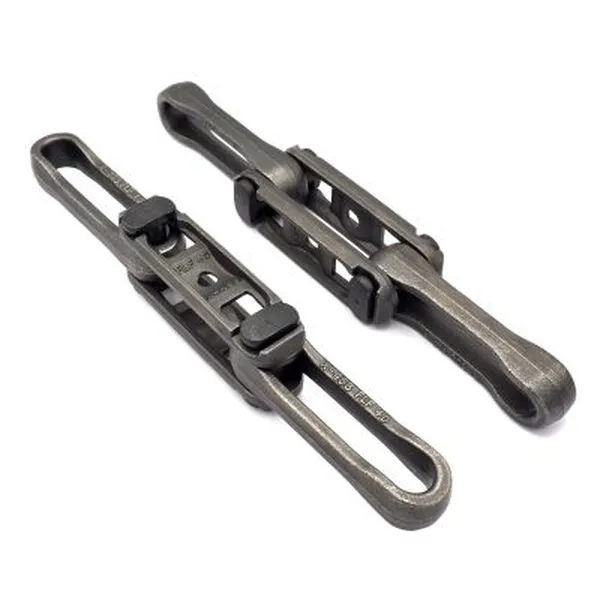
スラットコンベアチェーンを使用する利点は何ですか?
スラットコンベヤチェーンは、マテリアルハンドリングや搬送用途において、いくつかの利点を提供します。主な利点は以下のとおりです。
1. 高耐久性:
スラットコンベヤチェーンは、重荷重に対応できるように設計されており、過酷な産業環境にも耐えることができます。
これらは、自動車部品、パレット、コンテナなど、大型、かさばる、または不規則な形状の物品を輸送する必要がある用途で一般的に使用されます。
2. 柔軟性:
スラットチェーンは、特定の搬送要件に合わせてカスタマイズおよび構成できます。さまざまな製品サイズや形状に対応できるよう、幅、長さ、チェーン構成のバリエーションが用意されています。
スラットチェーンのモジュール設計により、生産ニーズの変化に応じてコンベアシステムを容易に変更または拡張できます。
3. 汎用性:
スラットチェーンは、水平搬送と傾斜搬送の両方に使用できます。製品を傾斜面を上下に移動できるため、高低差のある生産ラインに適しています。
これらのチェーンは、曲線、方向転換、合流、分岐器などと組み合わせることで、空間利用と製品の流れを最適化する複雑な搬送システムを構築できます。
4. 耐久性と寿命:
スラットチェーンは通常、鋼鉄やプラスチックなどの頑丈な素材で作られており、優れた耐久性と耐摩耗性を備えています。
高温、腐食性環境、化学物質への曝露など、過酷な動作条件にも耐えることができます。
5. メンテナンスの手間が少ない:
スラットコンベヤチェーンは、他のタイプのコンベヤシステムに比べてメンテナンスの手間が最小限で済みます。可動部品が少なく、摩擦も少ないため、一般的に動作がスムーズです。
適切な潤滑と定期的な点検を行うことで、スラットチェーンは長期間にわたって性能と信頼性を維持することができます。
6. お手入れが簡単:
スラットチェーンは開放的な設計のため、清掃やゴミの除去が容易です。食品加工業や製薬業界など、頻繁な衛生管理が必要な用途に適しています。
総じて、スラットコンベヤチェーンは、高い耐荷重性、設計の柔軟性、搬送用途の多様性、耐久性、低メンテナンス性、そして清掃の容易さといった利点を提供します。これらの特長により、スラットチェーンは、効率的で信頼性の高いマテリアルハンドリングを必要とする様々な産業にとって効果的なソリューションとなります。
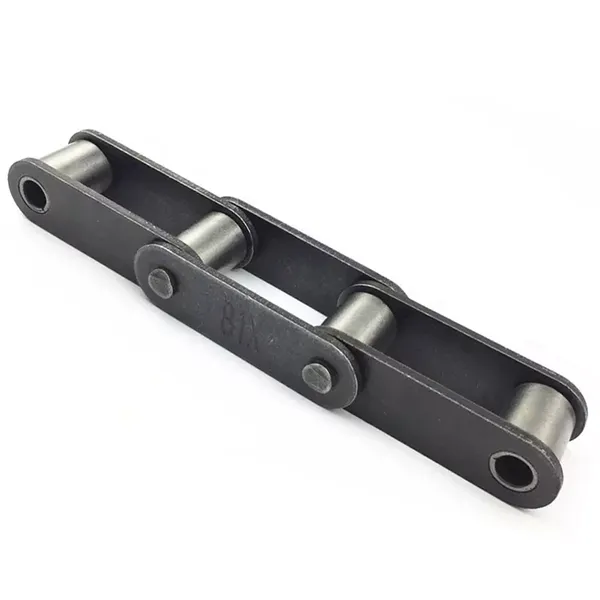
コンベヤチェーン技術の将来の動向と進歩はどのようなものでしょうか?
コンベヤチェーン技術の分野は、効率性、生産性、持続可能性の向上へのニーズに牽引され、絶えず進化を続けています。以下に、コンベヤチェーン技術の将来のトレンドと進歩についていくつかご紹介します。
1. 自動化とロボット工学:コンベアチェーンと自動化・ロボットシステムの統合は、ますます普及が進んでいます。これには、高度なセンサー、マシンビジョン、人工知能を活用し、自律運転、高精度な位置決め、効率的なマテリアルハンドリングを実現することが含まれます。
2. スマートで接続されたシステム:コンベアチェーンは、モノのインターネット(IoT)技術を通じてますます接続されるようになっています。これにより、チェーンの摩耗、張力、温度、エネルギー消費量など、さまざまな性能パラメータのリアルタイム監視、データ収集、分析が可能になります。スマートシステムは、メンテナンススケジュールの最適化、潜在的な故障の検出、システム全体の効率向上に貢献します。
3.軽量かつ高強度な材料:軽量でありながら高強度な材料の開発は、コンベヤチェーン技術における継続的な重点課題です。先進的な合金、複合材料、およびエンジニアリングプラスチックは、強度対重量比を向上させ、エネルギー消費量を削減し、コンベヤシステムの耐荷重能力を高めます。
4. エネルギー効率:エネルギー効率は、コンベヤチェーンの設計において重要な考慮事項です。今後の技術進歩では、高効率駆動システム、回生ブレーキ、速度と加速プロファイルを最適化するスマート制御アルゴリズムの使用により、消費電力を最小限に抑えることを目指しています。回生駆動などのエネルギー回収技術は、減速時や制動時にエネルギーを回収して再利用することも可能です。
5.持続可能性と環境への配慮:コンベヤチェーン技術は、より持続可能で環境に優しいソリューションへと進化しています。これには、環境に配慮した素材の使用、環境負荷を最小限に抑えるための潤滑技術の改善、エネルギー効率の高い部品やシステムの採用などが含まれます。リサイクルや循環型経済の概念も、コンベヤチェーンの設計・製造において重要性を増しています。
6. 高度な摩耗監視と予知保全:コンベヤチェーン技術の未来は、チェーンや部品の残存耐用年数を正確に予測できる高度な摩耗監視システムにかかっています。これにより、予防保全計画が可能になり、予期せぬダウンタイムを削減できます。予知保全アルゴリズムは、センサーから収集したデータを分析し、チェーンの交換や修理時期をタイムリーに通知します。
これらは、コンベヤチェーン技術における将来の動向と進歩のほんの一例です。技術の進歩に伴い、コンベヤシステムの性能、効率、信頼性、持続可能性を高めるさらなる革新が期待されます。
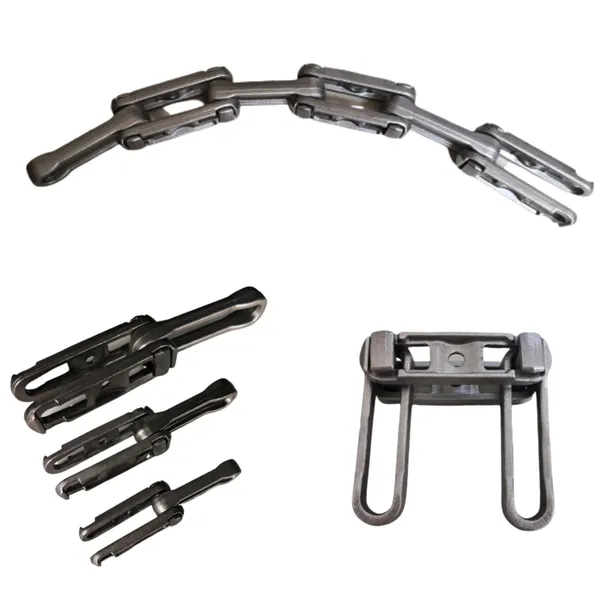
What are the signs of wear and tear in a conveyor chain?
Over time, a conveyor chain may experience wear and tear due to the demanding nature of material handling operations. Several signs indicate the need for maintenance or replacement of a conveyor chain. These signs of wear and tear include:
- Chain Elongation: One of the common signs of wear in a conveyor chain is elongation. As the chain wears, the pitch between the chain links gradually increases, resulting in a longer chain length. Excessive elongation can cause improper engagement with sprockets, leading to slippage or chain derailment.
- Chain Link Plate Wear: The link plates of a conveyor chain can experience wear on their surfaces. This wear is typically caused by friction against sprockets, guide rails, or other components. Signs of plate wear include thinning or deformation of the link plates, which can affect the overall strength and integrity of the chain.
- Sprocket Tooth Wear: The teeth of the sprockets that engage with the conveyor chain can also exhibit signs of wear. Over time, the teeth may become worn down, rounded, or have irregular shapes. This wear can cause improper chain engagement, resulting in reduced efficiency and potential chain slipping or skipping.
- 過剰な騒音: Increased noise during the operation of the conveyor system can indicate wear and tear in the chain. Excessive wear can lead to metal-to-metal contact, resulting in noisy operation. Unusual squeaking, grinding, or rattling sounds are indicators that the chain may require inspection or maintenance.
- Visible Damage: Any visible damage to the chain, such as cracked or broken link plates, bent pins, or missing attachments, is a clear sign of wear and tear. These damages compromise the chain’s structural integrity and should be addressed promptly to prevent further issues or chain failure.
- Inconsistent Movement: If the conveyor chain starts to exhibit jerky or uneven movement, it may be a sign of wear or misalignment. Misalignment can occur due to worn chain links, damaged sprockets, or improper tensioning. Inconsistent movement can lead to reduced efficiency, increased wear, and potential chain failure.
Regular inspection and maintenance of the conveyor chain system are essential to identify these signs of wear and tear. Timely replacement of worn components and proper lubrication can help prolong the life of the chain and maintain efficient operation.


editor by CX 2024-04-09