Penerangan Produk
Detailed Photos
Certifications
Packaging & Shipping
Company Profile
Kunyi Metal Materials Co., Ltd., formerly known as ZheJiang Yakuo Industry and Trade Co., Ltd., specializes in the production and sales of bicycle parts for 30 years. It is 1 of the large manufacturers of bicycle parts in the north. For the past 30 years, we have been exported to Central and Eastern Europe, South America, Southeast Asia, Africa and other regions, and have received widespread praise in the domestic and international markets. We adhere to the principle of “quality first, reputation guarantee, and customer satisfaction”, strive for integrity, pragmatism, and innovation, and look CHINAMFG to working with you for a CHINAMFG situation with our excellent technical strength and sincere service quality.
Soalan Lazim
Q1: Are you a factory or trading company?
A: Our factory is 1 of the large manufacturers of bicycle and motorcycle parts in north China, which was founded in 1993. It’s located in Xihu (West Lake) Dis. County, LangFang City.
Q2: When can get the price?
A: We usually quote within 24 hours after getting your detailed requirements, like size, quantity etc. If it is an urgent order, you can call us directly.
Q3:Can I have my own customized product?
A: Yes, your customized requirements for color, size, logo, design, package, carton mark .etc. are welcome.
Q4:What is the MOQ?
A: Our MOQ is 500.
Q5:Do you charge for the sample?
A:There is no charge for the sample. We only charge for shipping.
Q6: How to deliver your product?
A: We cooperate with very reliable shipping company and agent, if you dont have your own agent, we can help you and give you suggestions and the most economic way for shipping by sea.
Q7: How does your factory carry out quality control?
A: We attach great importance to quality control. Every part of our products has its own QC.
/* 22 Januari 2571 19:08:37 */!function(){function s(e,r){var a,o={};try{e&&e.split(“,”).forEach(function(e,t){e&&(a=e.match(/(.*?):(.*)$/)&
| Perkhidmatan selepas jualan: | Yes |
|---|---|
| Waranti: | 1 Tahun |
| Keadaan: | Baru |
| Pensijilan: | CE |
| Customized: | Non-Customized |
| Permohonan: | Kids Bike, Road Bike, Mountain Bike, Ordinary Bicycle |
| Sampel: | US$ 4/Piece 1 Keping (Pesanan Minimum) | |
|---|
| Penyesuaian: | Tersedia | Permintaan Tersuai |
|---|
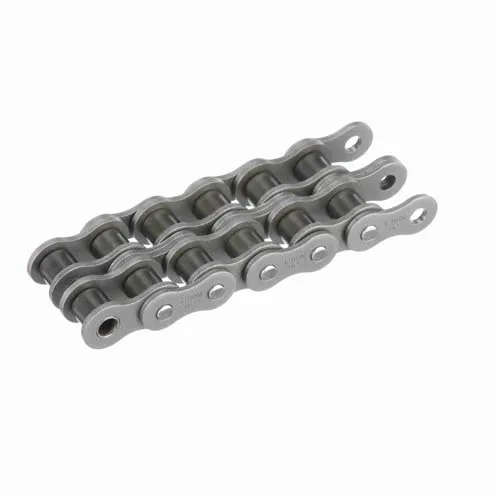
What are the considerations for selecting a low-maintenance conveyor chain?
When selecting a low-maintenance conveyor chain, several considerations should be taken into account:
1. Pemilihan Bahan:
– Choose a conveyor chain made from materials that are resistant to wear, corrosion, and contamination. Stainless steel, plastic, or self-lubricating chains are commonly used for their durability and low maintenance requirements.
2. Lubrication-Free Design:
– Look for conveyor chains that have a self-lubricating design or are pre-lubricated with materials that reduce friction and eliminate the need for additional lubrication. This helps to minimize maintenance tasks associated with regular lubrication.
3. Sealed Construction:
– Consider conveyor chains with sealed construction to prevent the ingress of dirt, debris, and moisture. Sealed chains require less frequent cleaning and maintenance, making them ideal for low-maintenance applications.
4. Easy Cleaning:
– Opt for conveyor chains that are designed for easy cleaning. Smooth surfaces, open structures, and accessible components allow for quick and efficient cleaning, reducing maintenance time and effort.
5. Resistance to Contamination:
– Select a conveyor chain that is resistant to contamination. This includes resistance to chemicals, oils, greases, and other substances commonly found in the application environment. Chains that can withstand contamination require less frequent cleaning and maintenance.
6. Wear Monitoring:
– Look for conveyor chains that have wear monitoring features, such as wear indicators or sensors. These features help to identify chain wear and provide timely maintenance alerts, allowing for proactive replacement or adjustment.
7. Manufacturer Support:
– Consider the support provided by the chain manufacturer. A reputable manufacturer will offer guidance on maintenance intervals, replacement schedules, and provide technical assistance to ensure the proper functioning of the chain.
By considering these factors, you can select a low-maintenance conveyor chain that minimizes the need for frequent inspections, lubrication, cleaning, and replacement, resulting in reduced maintenance efforts and costs.
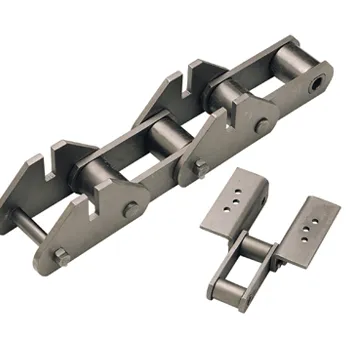
Bagaimanakah rantai penghantar memberi kesan kepada aliran bahan dalam barisan pengeluaran?
Rantai penghantar memainkan peranan penting dalam memudahkan aliran bahan yang lancar dan cekap dalam barisan pengeluaran. Berikut adalah cara utama rantai penghantar memberi kesan kepada aliran bahan:
1. Pergerakan Berterusan: Rantai penghantar membolehkan pergerakan bahan yang berterusan di sepanjang barisan pengeluaran. Dengan memegang dan mengangkut bahan dengan selamat, rantai tersebut memastikan aliran yang konsisten tanpa gangguan atau kelewatan.
2. Kawalan Kelajuan: Kelajuan rantai penghantar bergerak boleh dilaraskan agar sepadan dengan kadar pengeluaran yang diingini. Ini membolehkan kawalan yang tepat ke atas aliran bahan, memastikan ia sejajar dengan proses hiliran dan mengelakkan kesesakan atau beban lampau.
3. Orientasi dan Penentuan Kedudukan: Rantai penghantar boleh direka bentuk dengan lampiran atau lekapan tertentu untuk mengorientasikan dan meletakkan bahan dengan cara yang diingini. Ini memastikan bahan dibentangkan dengan betul untuk pemprosesan, pemasangan atau pembungkusan, sekali gus mengoptimumkan aliran pengeluaran keseluruhan.
4. Pengisihan dan Penyimpangan: Dalam aplikasi tertentu, rantai penghantar boleh dilengkapi dengan mekanisme untuk menyusun atau menyimpangan bahan berdasarkan kriteria yang telah ditetapkan. Ini membolehkan penghalaan produk atau komponen yang berbeza ke destinasi masing-masing dengan cekap, sekali gus memperkemas aliran bahan.
5. Pengumpulan dan Penimbal: Rantai penghantar boleh menggabungkan zon pengumpulan atau kawasan penimbal di mana bahan boleh berhenti seketika atau terkumpul. Ciri ini berguna apabila proses hiliran mengalami gangguan sementara atau apabila terdapat keperluan untuk mengimbangi aliran antara peringkat pengeluaran yang berbeza.
6. Integrasi dengan Peralatan: Rantai penghantar boleh disepadukan dengan peralatan atau mesin lain dalam barisan pengeluaran, seperti lengan robot, sistem pembungkusan automatik atau stesen pemeriksaan. Integrasi lancar ini membolehkan pengendalian bahan yang disegerakkan, mengoptimumkan aliran dan kecekapan keseluruhan proses pengeluaran.
7. Penyesuaian untuk Keperluan Khusus: Rantai penghantar boleh disesuaikan untuk memenuhi keperluan pengendalian bahan tertentu. Ini termasuk pertimbangan seperti lebar rantai, panjang, pelarasan ketinggian, kecondongan atau penurunan, dan lampiran atau panduan khusus. Penyesuaian sedemikian memastikan aliran bahan disesuaikan dengan keperluan unik barisan pengeluaran.
Dengan menyediakan kaedah pengangkutan bahan yang andal dan terkawal, rantai penghantar mempengaruhi aliran bahan dalam barisan pengeluaran dengan ketara. Ia meningkatkan produktiviti, mengurangkan pengendalian manual, meminimumkan risiko ralat atau kerosakan, dan akhirnya menyumbang kepada kecekapan dan kejayaan keseluruhan proses pembuatan.
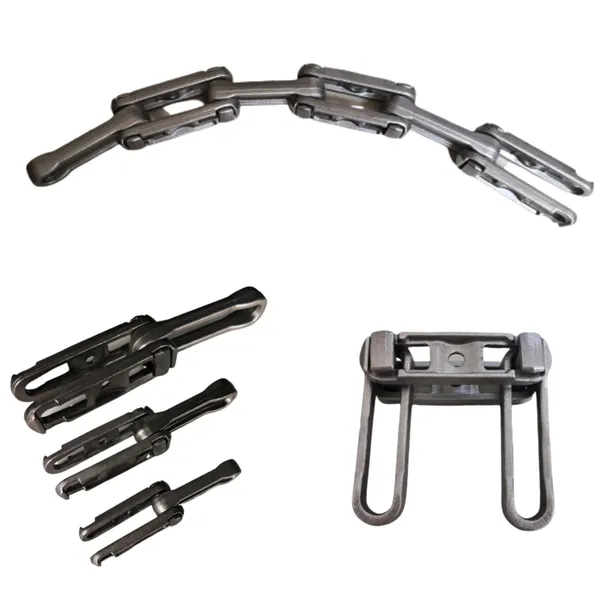
What are the signs of wear and tear in a conveyor chain?
Over time, a conveyor chain may experience wear and tear due to the demanding nature of material handling operations. Several signs indicate the need for maintenance or replacement of a conveyor chain. These signs of wear and tear include:
- Chain Elongation: One of the common signs of wear in a conveyor chain is elongation. As the chain wears, the pitch between the chain links gradually increases, resulting in a longer chain length. Excessive elongation can cause improper engagement with sprockets, leading to slippage or chain derailment.
- Chain Link Plate Wear: The link plates of a conveyor chain can experience wear on their surfaces. This wear is typically caused by friction against sprockets, guide rails, or other components. Signs of plate wear include thinning or deformation of the link plates, which can affect the overall strength and integrity of the chain.
- Sprocket Tooth Wear: The teeth of the sprockets that engage with the conveyor chain can also exhibit signs of wear. Over time, the teeth may become worn down, rounded, or have irregular shapes. This wear can cause improper chain engagement, resulting in reduced efficiency and potential chain slipping or skipping.
- Excessive Noise: Increased noise during the operation of the conveyor system can indicate wear and tear in the chain. Excessive wear can lead to metal-to-metal contact, resulting in noisy operation. Unusual squeaking, grinding, or rattling sounds are indicators that the chain may require inspection or maintenance.
- Visible Damage: Any visible damage to the chain, such as cracked or broken link plates, bent pins, or missing attachments, is a clear sign of wear and tear. These damages compromise the chain’s structural integrity and should be addressed promptly to prevent further issues or chain failure.
- Inconsistent Movement: If the conveyor chain starts to exhibit jerky or uneven movement, it may be a sign of wear or misalignment. Misalignment can occur due to worn chain links, damaged sprockets, or improper tensioning. Inconsistent movement can lead to reduced efficiency, increased wear, and potential chain failure.
Regular inspection and maintenance of the conveyor chain system are essential to identify these signs of wear and tear. Timely replacement of worn components and proper lubrication can help prolong the life of the chain and maintain efficient operation.


editor by CX 2024-03-26