Productbeschrijving
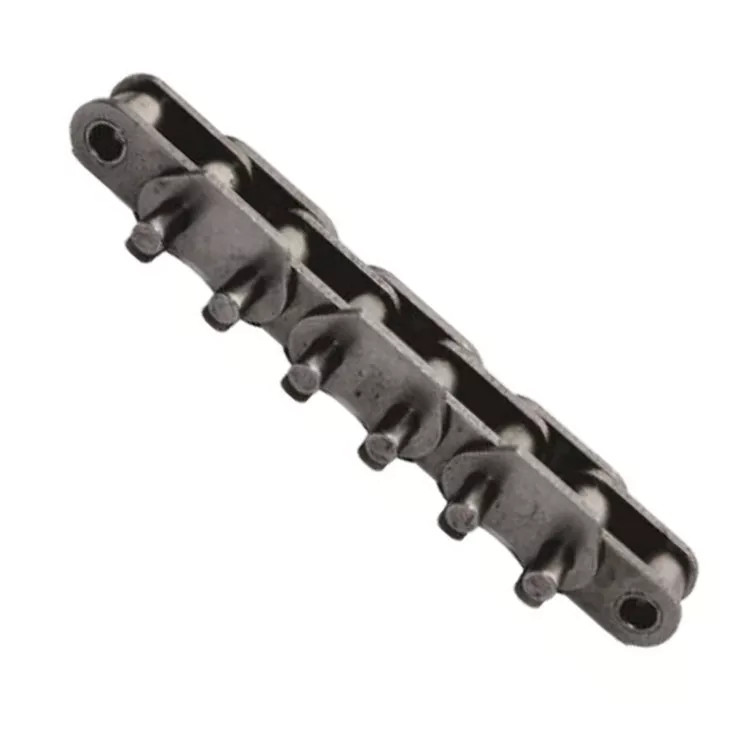
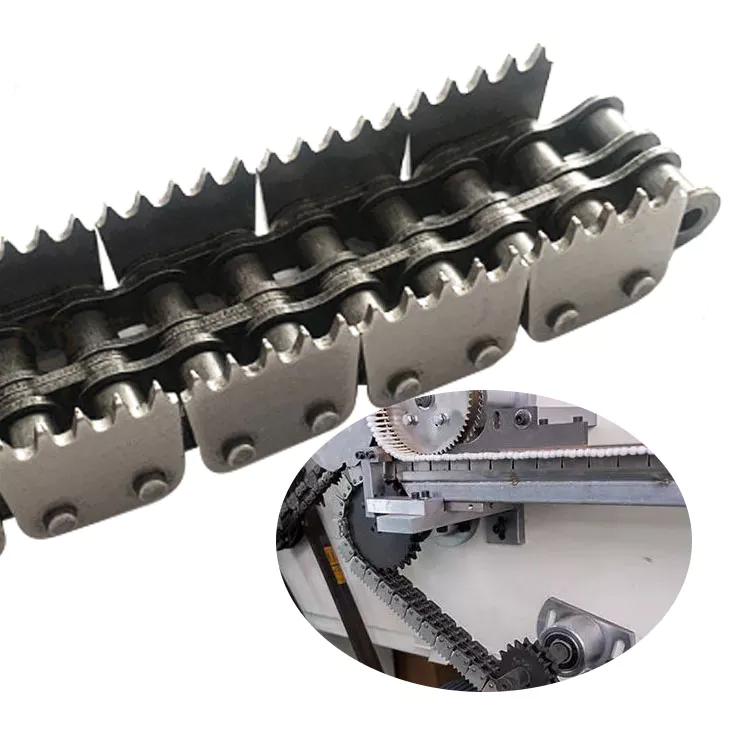
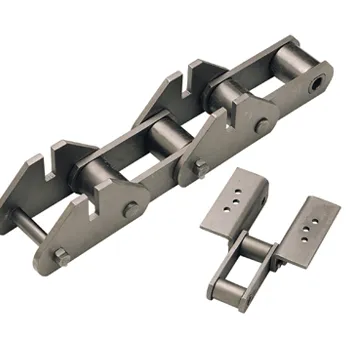
Scraper conveyor chain
P152F51/45/45A/45C/47/45D/45E/45F, P2000F29/29A, P101.6F20, RO6205MF3, MR56, MR80, MR224, MR315, FVR40/63/90/112
Forged chain , trolleys,carriers used on overhead conveyor production line.
Main products are Forge chain and trolley, welded link chain, Standard and non-standard stainless steel and carbon steel roller chain, Leaf chain, standard and non-standard conveyor chain, Scraper conveyor chain, Cranked link chain, double plus chain, double pitch transmission chain, plastic chain, sprockets and Other accessories.
Main products are Forge chain and trolley, welded link chain, Standard and non-standard stainless steel and carbon steel roller chain, Leaf chain, standard and non-standard conveyor chain, Scraper conveyor chain, Cranked link chain, double plus chain, double pitch transmission chain, plastic chain, sprockets and Other accessories.
The products can be combined to find the best possible solution for even the most demanding applications. Special solutions can also be developed for customers’ individual requirements.
Drop Forged Rivetless Chain, Drop Forged Chains, drop forged link,forged scraper chains.
1.Scraper chains P142,P142V,P142H,P200,P102,P250,P260
2.Detachable chain 51,52,55,57,62,74,78
3.Relevant overhead trolley&carriages&spare parts
4.as per your drawings or samples
| Drop forged detachable chains | X348,X458,X678,X698,F100,F160,P80,P100,P200 |
| CatterPilar Chains for | X348,X458,X678,X698 |
| Type: | Conveyor |
|---|---|
| Gebruik: | Conveyor System |
| Process: | Smeden |
| Surface: | Self Colored, Zinc Plated,Blacken |
| Transportpakket: | Plywood Case. |
| Specification: | ISO |
| Aanpassing: | Beschikbaar | Aanvraag op maat |
|---|
How does a conveyor chain impact energy efficiency in a system?
A conveyor chain plays a significant role in the energy efficiency of a conveyor system. Here are the ways in which it impacts energy efficiency:
1. Reduced Power Consumption:
– A well-designed conveyor chain with low friction characteristics can minimize power consumption. By reducing the frictional resistance between the chain and the conveyor components, less energy is required to move the chain and transport the materials along the conveyor system.
2. Efficient Power Transmission:
– The design and construction of a conveyor chain contribute to efficient power transmission. Chains with optimized pitch, roller diameter, and sprocket tooth profile ensure smooth and effective power transfer, minimizing energy losses during operation.
3. Proper Chain Tensioning:
– Maintaining proper chain tension is crucial for energy efficiency. An adequately tensioned chain ensures optimal contact between the chain and the sprockets, minimizing slippage and power loss. Regular inspections and adjustments of chain tension help maximize energy efficiency.
4. Alignment and Tracking:
– Proper alignment and tracking of the conveyor chain are essential for energy efficiency. Misaligned or poorly tracked chains can cause increased friction, leading to higher energy consumption. Regular monitoring and adjustment of the chain’s alignment ensure smooth and efficient operation.
5. Regular Maintenance:
– Performing routine maintenance on the conveyor chain, including lubrication, cleaning, and inspection, helps maintain optimal performance and energy efficiency. Adequate lubrication reduces friction and wear, minimizing power losses and extending the chain’s lifespan.
6. System Design Optimization:
– Considering energy efficiency during the design phase of a conveyor system can significantly impact its overall efficiency. Proper selection of conveyor chain components, such as low-friction materials and efficient drive systems, can help minimize energy consumption and improve the system’s energy efficiency.
By employing these practices and utilizing energy-efficient conveyor chain technologies, businesses can reduce energy costs, minimize environmental impact, and enhance the overall sustainability of their operations.
How do you select the appropriate lubricant for a conveyor chain?
Selecting the right lubricant is crucial for maintaining the performance and longevity of a conveyor chain. Here are the key factors to consider when choosing a lubricant:
1. Chain Type and Material: Different conveyor chains may have specific requirements for lubrication based on their construction materials and design. Consult the manufacturer’s recommendations or specifications to determine the lubricant compatibility.
2. Operating Conditions: Consider the operating environment, such as temperature, humidity, and presence of contaminants. For high-temperature applications, choose a lubricant with a higher temperature tolerance. In wet or dusty environments, opt for lubricants that offer excellent resistance to water washout and provide effective protection against contaminants.
3. Load and Speed: Evaluate the load capacity and speed of the conveyor chain. Higher loads and speeds may require lubricants with better film strength and anti-wear properties to reduce friction and prevent premature wear.
4. Lubrication Method: Determine the lubrication method that will be used for the conveyor chain. Lubricants can be applied through drip systems, brushes, spray nozzles, or automatic lubrication systems. Consider the viscosity and consistency of the lubricant to ensure proper application and distribution.
5. Food-Grade Requirements: In food processing or pharmaceutical applications, where direct contact with the product may occur, it’s essential to use food-grade lubricants that meet industry regulations and requirements for safety and hygiene.
6. Maintenance Schedule: Consider the desired maintenance intervals and the lubricant’s longevity. Some lubricants may require more frequent reapplication, while others provide longer-lasting lubrication.
7. Compatibility with Other Materials: Take into account the compatibility of the lubricant with other materials in the conveyor system, such as seals, gaskets, and paints. Ensure that the lubricant does not cause any adverse effects on these components.
It is recommended to consult with lubricant manufacturers or industry experts to select the most suitable lubricant for your specific conveyor chain application. They can provide guidance based on their expertise and knowledge of lubricant formulations and performance characteristics.
Wat zijn de onderhoudsvereisten voor een transportketting?
Het onderhouden van een transportketting is essentieel voor een soepele werking en een langere levensduur. Hieronder vindt u enkele belangrijke onderhoudsvereisten voor een transportketting:
- Regelmatige schoonmaak: Reinig de transportketting regelmatig om vuil, stof en andere verontreinigingen te verwijderen die slijtage aan de ketting kunnen veroorzaken en de prestaties kunnen verminderen. Gebruik geschikte reinigingsmiddelen en gereedschappen om beschadiging van de ketting te voorkomen.
- Smering: Breng het aanbevolen smeermiddel aan op de transportketting volgens de instructies van de fabrikant. Smering helpt wrijving te verminderen, slijtage te minimaliseren en corrosie te voorkomen.
- Spanningsafstelling: Controleer regelmatig de spanning van de transportketting en pas deze indien nodig aan. De juiste spanning zorgt voor een soepele werking en voorkomt problemen zoals slippen van de ketting of overmatige slijtage.
- Inspectie: Voer regelmatig inspecties uit van de transportketting om slijtage, beschadigingen of verkeerde uitlijning te signaleren. Let op problemen zoals versleten tandwielen, uitrekking, verbogen of beschadigde schakels en losse verbindingen. Pak eventuele problemen direct aan om verdere schade te voorkomen.
- Vervang versleten onderdelen: Als onderdelen van de transportketting, zoals schakels, pinnen of tandwielen, overmatig versleten of beschadigd zijn, moeten deze worden vervangen. Het gebruik van versleten onderdelen kan de prestaties van de ketting negatief beïnvloeden en tot uitval leiden.
- Uitlijning: Controleer de juiste uitlijning van de transportketting door de uitlijning van tandwielen, looprollen en andere onderdelen te controleren. Een verkeerde uitlijning kan leiden tot ongelijkmatige slijtage en een verhoogd risico op kettingbreuk.
- Opleiding en scholing: Zorg voor een gedegen training van het personeel dat verantwoordelijk is voor de bediening en het onderhoud van de transportband. Zij moeten de onderhoudsvereisten, veiligheidsprotocollen en beste praktijken begrijpen om een effectieve en veilige werking te garanderen.
Door deze onderhoudsvoorschriften op te volgen, blijft de transportband in optimale conditie, wordt stilstand tot een minimum beperkt en wordt een veilige en efficiënte materiaalverwerking gewaarborgd.


editor by CX 2023-10-08