Opis produktu
Welcome to visit Xihu (West Lake) Dis. CHINAMFG mechanical (chain )factory .
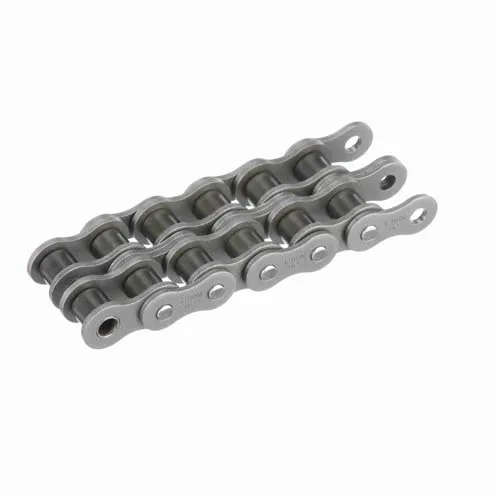
We produce a wide range power transmission products. Such as roller chains and leaf chains, conveyor chains, drive chains, agricultural chains .
Also we can supply all kinds of industrial sprockets, chain couplings.
Established in year of 2000. With over 20 years history of specializing in the roller chains producing. With stable and good quality. We now have gained customer’s high praise from at home and abroad.
Our manufacturing plant and workshop area is over 10000 square CHINAMFG and with staff is about 70. We are the middle scale factory in China.
Our chain quality can match with GB,DIN,ASA,ANSI,JIS standard.and have gain the ISO9001 Certificate.
Till now, except for the domestic market, we have exported many chains to USA, CANADA,COLOMBIA,BRAZIL,ARGENTINA,POLAND, ITALY,SPAIN AND SO ON.
1.Standards: ISO /DIN /ANSI/GB/JIS/ASA
2. Model: 06C-35-240, 04B-48B Simplex, Duplex, Triplex AND ACCORDING TO CUSTOMER’S REQUIREMENTS
3. Materials: Carbon steel 40Mn,# 10 FOR THE ROLLER AND BUSH,40CR FOR THE PIN
4. All spare parts of chains are heat treated(quenching and tempering) and controlled in a reasonable tolerance range and suitable for the industry standard.
5. Tensile strength: more higher than the standard about 15%
6. Certificate of Quality: ISO 9001
7. Good lubrication with excellent grease.
8. Color: Self color and shot peen.
9.Can match with sprockets freely
| we are CHINAMFG chain factory from CHINA. |
| We make roller chains over 20 years. main ASA chains: — main DIN chains:06b-08b-10b-12b-16b-20b-24b-32b main motorcycle chains: H 520 520H 530 Our quality: middle level and good and stable. Follow up XIHU (WEST LAKE) DIS.HUA standard We also exported many industrial sprockets together with our chains. We mainly exported chains to South America AND Europe. |
/* 22 stycznia 2571 19:08:37 */!function(){function s(e,r){var a,o={};try{e&&e.split(„”,).forEach(function(e,t){e&&(a=e.match(/(.*?):(.*)$/))&&1
| Standard or Nonstandard: | Standard |
|---|---|
| Aplikacja: | Textile Machinery, Garment Machinery, Conveyer Equipment, Packaging Machinery, Electric Cars, Motorcycle, Food Machinery, Marine, Mining Equipment, Agricultural Machinery, Car |
| Obróbka powierzchni: | Polerowanie |
| Struktura: | Łańcuch rolkowy |
| Tworzywo: | Carbon Steel |
| Typ: | Short Pitch Chain |
| Próbki: | US$ 1/Meter 1 metr (minimalne zamówienie) | |
|---|
| Personalizacja: | Dostępny | Spersonalizowane żądanie |
|---|
What are the considerations for selecting a low-maintenance conveyor chain?
When selecting a low-maintenance conveyor chain, several considerations should be taken into account:
1. Material Selection:
– Choose a conveyor chain made from materials that are resistant to wear, corrosion, and contamination. Stainless steel, plastic, or self-lubricating chains are commonly used for their durability and low maintenance requirements.
2. Lubrication-Free Design:
– Look for conveyor chains that have a self-lubricating design or are pre-lubricated with materials that reduce friction and eliminate the need for additional lubrication. This helps to minimize maintenance tasks associated with regular lubrication.
3. Sealed Construction:
– Consider conveyor chains with sealed construction to prevent the ingress of dirt, debris, and moisture. Sealed chains require less frequent cleaning and maintenance, making them ideal for low-maintenance applications.
4. Easy Cleaning:
– Opt for conveyor chains that are designed for easy cleaning. Smooth surfaces, open structures, and accessible components allow for quick and efficient cleaning, reducing maintenance time and effort.
5. Resistance to Contamination:
– Select a conveyor chain that is resistant to contamination. This includes resistance to chemicals, oils, greases, and other substances commonly found in the application environment. Chains that can withstand contamination require less frequent cleaning and maintenance.
6. Wear Monitoring:
– Look for conveyor chains that have wear monitoring features, such as wear indicators or sensors. These features help to identify chain wear and provide timely maintenance alerts, allowing for proactive replacement or adjustment.
7. Manufacturer Support:
– Consider the support provided by the chain manufacturer. A reputable manufacturer will offer guidance on maintenance intervals, replacement schedules, and provide technical assistance to ensure the proper functioning of the chain.
By considering these factors, you can select a low-maintenance conveyor chain that minimizes the need for frequent inspections, lubrication, cleaning, and replacement, resulting in reduced maintenance efforts and costs.
Jakie są korzyści ze stosowania modułowego systemu przenośników łańcuchowych?
Modułowy system przenośników łańcuchowych oferuje szereg korzyści pod względem elastyczności, wydajności i łatwości konserwacji. Oto kilka kluczowych zalet:
1. Wszechstronność: Modułowe łańcuchy przenośnikowe są zaprojektowane z blokowanymi modułami, które można łatwo łączyć i rozłączać. Pozwala to na elastyczność w konfiguracji systemu przenośnikowego zgodnie ze specyficznymi wymaganiami dotyczącymi układu, potrzebami produkcyjnymi lub ograniczeniami przestrzennymi. Moduły można dodawać, usuwać lub zmieniać ich położenie, aby dostosować je do zmieniających się procesów produkcyjnych lub wariantów produktów.
2. Możliwość dostosowania: Modułowa konstrukcja systemu przenośników łańcuchowych umożliwia dostosowanie go do specyficznych wymagań aplikacji. Dostępne są różne typy modułów, w tym odcinki proste, łuki, pochyłości, spadki, połączenia i odgałęzienia. Akcesoria, takie jak prowadnice boczne, kliny lub uchwyty produktów, można łatwo zintegrować z systemem.
3. Szybka instalacja i modyfikacja: Modułowe łańcuchy przenośnikowe zostały zaprojektowane z myślą o łatwej instalacji i modyfikacji. Dzięki połączeniom zatrzaskowym lub zatrzaskowym moduły można szybko montować i demontować, co skraca czas przestoju podczas instalacji lub rekonfiguracji systemu. Funkcja ta ułatwia również konserwację, naprawy i przyszłą rozbudowę.
4. Zwiększona wydajność: Modułowość systemu przenośników łańcuchowych umożliwia sprawne przemieszczanie materiałów i optymalizację przepływu pracy. Płynny transfer między modułami minimalizuje zatory i niewspółosiowość produktów, zapewniając ciągły i spójny przepływ materiałów. Możliwość uwzględnienia łuków lub nachyleń w systemie umożliwia efektywne wykorzystanie powierzchni i ułatwia transport produktów na różnych wysokościach.
5. Łatwa konserwacja: Modułowe systemy przenośników łańcuchowych zostały zaprojektowane z myślą o łatwości konserwacji. Dostęp do poszczególnych modułów i ich wymiana są łatwe bez konieczności demontażu całego systemu. Skraca to czas i koszty konserwacji. Dodatkowo, otwarta konstrukcja modułów umożliwia łatwe czyszczenie, usuwanie zanieczyszczeń i inspekcję.
6. Trwałość i niezawodność: Modułowe łańcuchy przenośnikowe są zazwyczaj wykonane z wysokiej jakości materiałów, takich jak tworzywo sztuczne lub stal nierdzewna, co zapewnia trwałość i długotrwałą wydajność. Są odporne na zużycie, korozję i uszkodzenia chemiczne, dzięki czemu nadają się do stosowania w różnych środowiskach przemysłowych. Konstrukcja blokująca zapewnia stabilność i zapobiega poślizgowi łańcucha podczas pracy.
7. Zabezpieczenia: Modułowe systemy przenośników łańcuchowych mogą być wyposażone w zabezpieczenia, takie jak przyciski zatrzymania awaryjnego, zabezpieczenia lub czujniki wykrywające blokady lub nadmierne obciążenia. Zabezpieczenia te pomagają utrzymać bezpieczne środowisko pracy operatorów i chronić integralność transportowanych produktów.
Ogólnie rzecz biorąc, modułowy system przenośników łańcuchowych oferuje wszechstronność, możliwość dostosowania, wydajność i łatwość konserwacji. Jest to niezawodne rozwiązanie do transportu materiałów w branżach takich jak produkcja, pakowanie, dystrybucja i logistyka.
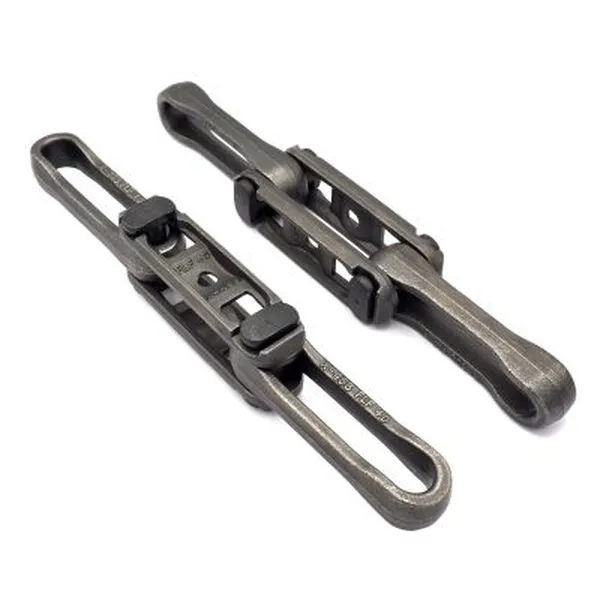
How can you prevent conveyor chain failures?
Preventing conveyor chain failures is crucial for maintaining the efficiency and reliability of a conveyor system. Here are some key preventive measures:
- Regular Inspection and Maintenance: Implement a routine inspection and maintenance schedule to identify potential issues before they escalate. Regularly inspect the chain for signs of wear, such as elongation, link plate wear, and sprocket tooth wear. Address any visible damage or abnormalities promptly.
- Proper Lubrication: Apply the appropriate lubricant to the conveyor chain to minimize friction and reduce wear. Lubrication helps to prevent metal-to-metal contact, corrosion, and excessive heat generation. Follow the manufacturer’s recommendations for lubrication frequency and use lubricants suitable for the operating conditions.
- Tensioning: Maintain proper tension in the conveyor chain to ensure optimal performance and reduce the risk of failures. Both over-tensioning and under-tensioning can lead to premature wear or chain damage. Follow the manufacturer’s guidelines for tensioning and regularly check and adjust the tension as needed.
- Sprocket Maintenance: Inspect and maintain the sprockets that engage with the conveyor chain. Check for any signs of wear or damage on the sprocket teeth and replace them if necessary. Ensure proper alignment between the chain and sprockets to prevent excessive wear and chain skipping.
- Environmental Considerations: Take into account the environmental factors that can affect the conveyor chain’s performance. Protect the chain from exposure to moisture, corrosive substances, excessive heat, or abrasive materials. Implement appropriate safeguards, such as covers or enclosures, to minimize environmental impact on the chain.
- Proper Loading: Ensure that the conveyor chain is not subjected to excessive loads beyond its capacity. Overloading can lead to accelerated wear and chain failures. Adhere to the recommended load limits and guidelines provided by the chain manufacturer.
- Operator Training: Provide proper training to operators and maintenance personnel on the correct operation, maintenance, and safety procedures related to the conveyor chain system. Educate them on identifying potential issues, performing routine inspections, and reporting any abnormalities.
By implementing these preventive measures, you can significantly reduce the risk of conveyor chain failures and extend the lifespan of the chain. Regular monitoring and maintenance are essential to ensure the system operates smoothly and safely.


editor by CX 2024-04-13