คำอธิบายผลิตภัณฑ์
TXK EN818-2 Q235 Black g30 load iron chain for link
TXK Load Chain:
1. High reliability
2. Minimal maintenance
3. Longer service life
/* 22 มกราคม 2571 19:08:37 */!function(){function s(e,r){var a,o={};try{e&&e.split(“,”).forEach(function(e,t){e&&(a=e.match(/(.*?):(.*)$/))&&1
| วิธีใช้งาน: | Transmission Chain, Conveyor Chain |
|---|---|
| วัสดุ: | Alloy |
| การเตรียมพื้นผิว: | Baking Paint |
| คุณสมบัติ: | ทนความร้อน |
| ขนาดสร้อย: | 1/2"*11/128" |
| โครงสร้าง: | Welded Chain |
| การปรับแต่ง: | มีอยู่ | คำขอที่กำหนดเอง |
|---|
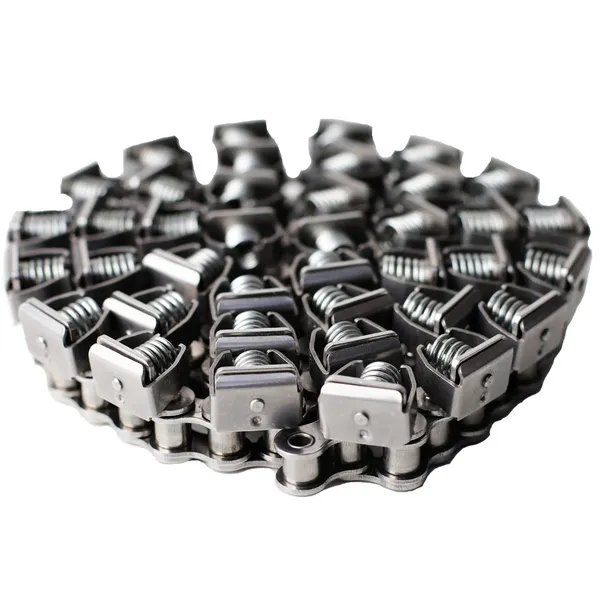
How do you calculate the chain pull force in a conveyor chain system?
The chain pull force, also known as the chain tension, is an important parameter to determine in a conveyor chain system. It represents the force required to move the conveyed load along the conveyor. The calculation of chain pull force involves several factors:
1. Weight of the Load: Determine the weight of the load being conveyed. This includes the weight of the product, packaging materials, and any additional equipment or components carried by the conveyor.
2. Friction Coefficients: Identify the friction coefficients between the load and the conveyor components. This includes the friction between the product and the conveyor chain, as well as the friction between the product and the conveyor bed or guides. These coefficients are typically provided by the manufacturer or can be obtained through testing.
3. Incline or Decline Angle: Consider the angle at which the conveyor operates. If the conveyor has an incline or decline, the angle will affect the force required to move the load.
4. Acceleration and Deceleration: Account for any acceleration or deceleration requirements in the conveyor system. If the conveyor needs to start or stop abruptly or if there are changes in speed, these factors will impact the chain pull force.
Once these factors are determined, the chain pull force can be calculated using the following formula:
Chain Pull Force = (Weight of Load + Friction Force) × (1 + Incline or Decline Factor) × (1 + Acceleration or Deceleration Factor)
It’s important to note that the accuracy of the calculation depends on the accuracy of the input values. Therefore, it’s recommended to consult the conveyor manufacturer or an engineering professional to ensure precise calculations and proper sizing of the conveyor chain.
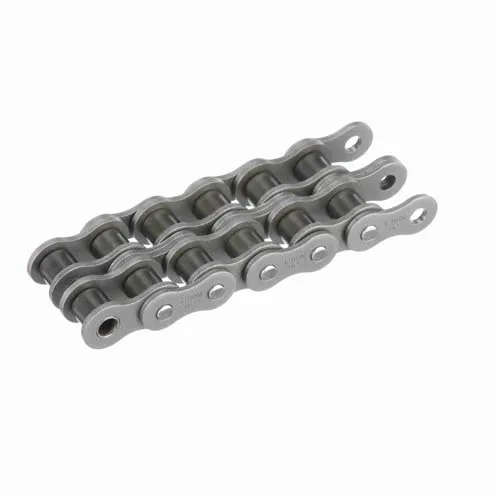
ข้อดีของการใช้โซ่ลำเลียงสแตนเลสมีอะไรบ้าง?
โซ่ลำเลียงสแตนเลสมีข้อดีหลายประการเหนือกว่าโซ่ประเภทอื่นๆ ต่อไปนี้คือข้อดีที่สำคัญบางประการ:
1. ความต้านทานการกัดกร่อน: เหล็กกล้าไร้สนิมมีความต้านทานการกัดกร่อนสูง ทำให้เหมาะสำหรับการใช้งานในสภาพแวดล้อมที่รุนแรง หรือในอุตสาหกรรมที่ต้องมีการล้างทำความสะอาดบ่อยครั้ง หรือสัมผัสกับความชื้น เหล็กกล้าไร้สนิมไม่เป็นสนิมหรือผุกร่อนเหมือนโลหะอื่นๆ จึงมั่นใจได้ถึงอายุการใช้งานที่ยาวนานและประสิทธิภาพที่เชื่อถือได้
2. ความแข็งแรงและความทนทาน: โซ่สแตนเลสขึ้นชื่อเรื่องความแข็งแรงและความทนทานสูง สามารถรับน้ำหนักมาก อุณหภูมิสูง และวัสดุที่มีฤทธิ์กัดกร่อนได้โดยไม่เสียรูปทรงหรือแตกหัก ทำให้เหมาะสำหรับงานหนักที่ต้องการความน่าเชื่อถือและอายุการใช้งานที่ยาวนาน
3. ถูกสุขอนามัยและสะอาด: สแตนเลสเป็นวัสดุที่ไม่ดูดซับน้ำ ทำความสะอาดและบำรุงรักษาง่าย ทนต่อแบคทีเรีย เชื้อรา และสิ่งปนเปื้อนอื่นๆ ทำให้เหมาะสำหรับอุตสาหกรรมที่มีข้อกำหนดด้านสุขอนามัยที่เข้มงวด เช่น การแปรรูปอาหาร ยา และอุปกรณ์ทางการแพทย์ โซ่สแตนเลสสามารถทำความสะอาดและฆ่าเชื้อได้อย่างทั่วถึง ลดความเสี่ยงของการปนเปื้อนของผลิตภัณฑ์
4. ความทนทานต่ออุณหภูมิ: โซ่สแตนเลสสามารถทนต่ออุณหภูมิได้หลากหลาย ทั้งสูงและต่ำ มีความทนทานต่อความร้อนได้ดีเยี่ยม ทำให้คงความแข็งแรงและประสิทธิภาพได้แม้ในสภาวะอุณหภูมิสุดขั้ว
5. ความสวยงาม: โซ่สแตนเลสมีรูปลักษณ์ที่เรียบหรูและเงางาม ช่วยเพิ่มความรู้สึกเป็นมืออาชีพและความสวยงามให้กับระบบลำเลียง นิยมใช้ในอุตสาหกรรมที่ความสวยงามและภาพลักษณ์ของแบรนด์มีความสำคัญ เช่น ธุรกิจค้าปลีกหรือสินค้าหรูหรา
6. ความทนทานต่อสารเคมี: เหล็กกล้าไร้สนิมมีความทนทานต่อสารเคมีต่างๆ รวมถึงกรด ด่าง และตัวทำละลาย ทำให้เหมาะสำหรับการใช้งานที่อาจสัมผัสกับสารกัดกร่อนได้
7. ความเข้ากันได้กับงานความเร็วสูง: โซ่สแตนเลสสามารถทนต่อการทำงานด้วยความเร็วสูงได้โดยไม่กระทบต่อความแข็งแรงของโครงสร้างหรือประสิทธิภาพ ยังคงรักษาเสถียรภาพและความแม่นยำได้แม้ในความเร็วสูง
โดยรวมแล้ว โซ่ลำเลียงสแตนเลสมีคุณสมบัติเด่นหลายประการ เช่น ทนทานต่อการกัดกร่อน แข็งแรง ทนทาน ถูกสุขอนามัย ทนต่ออุณหภูมิ สวยงาม ทนต่อสารเคมี และใช้งานได้ดีกับงานที่มีความเร็วสูง ข้อดีเหล่านี้ทำให้โซ่ลำเลียงสแตนเลสเป็นตัวเลือกที่ได้รับความนิยมในอุตสาหกรรมต่างๆ เช่น อุตสาหกรรมอาหารและเครื่องดื่ม ยา ยานยนต์ และการผลิต ซึ่งความน่าเชื่อถือ ความสะอาด และประสิทธิภาพเป็นสิ่งสำคัญ

How does a conveyor chain compare to other types of conveyor systems?
Conveyor chains are one of the common types of conveyor systems used in various industries. They offer specific advantages and characteristics that differentiate them from other types of conveyor systems.
1. Versatility: Conveyor chains are highly versatile and can be used for a wide range of applications, including horizontal, inclined, and vertical conveying. They can handle various types of materials, from bulk solids to individual items.
2. High Load Capacity: Conveyor chains are known for their high load-carrying capacity. They are designed to handle heavy loads and can be used in applications where other conveyor systems may not be suitable.
3. Durability: Conveyor chains are built to withstand harsh operating conditions and heavy-duty use. They are made from strong and durable materials, such as steel or alloy, that can withstand abrasion, impact, and wear.
4. Flexibility: Conveyor chains offer flexibility in terms of layout and design. They can be configured to accommodate complex conveyor paths, curves, and multiple discharge points, allowing for efficient material flow and system customization.
5. Cost-Effective: Conveyor chains often provide a cost-effective solution for material handling compared to other conveyor systems. They have a relatively low initial cost, require less maintenance, and have a longer service life.
However, it’s important to note that conveyor chains may not be suitable for every application. Other types of conveyor systems, such as belt conveyors, screw conveyors, or pneumatic conveyors, may offer specific advantages depending on the application requirements, material characteristics, or environmental factors.
Ultimately, the selection of the appropriate conveyor system depends on factors such as load capacity, material properties, layout constraints, cost considerations, and specific application needs.


editor by CX 2024-05-03