Mô tả sản phẩm
TXK EN818-2 Q235 Black g30 load iron chain for link
TXK Load Chain:
1. High reliability
2. Minimal maintenance
3. Longer service life
/* Ngày 22 tháng 1 năm 2571 19:08:37 */!function(){function s(e,r){var a,o={};try{e&&e.split(“,”).forEach(function(e,t){e&&(a=e.match(/(.*?):(.*)$/))&&1
| Cách sử dụng: | Transmission Chain, Conveyor Chain |
|---|---|
| Vật liệu: | Hợp kim |
| Xử lý bề mặt: | Baking Paint |
| Tính năng: | Chịu nhiệt |
| Kích thước dây chuyền: | 1/2"*11/128" |
| Kết cấu: | Welded Chain |
| Tùy chỉnh: | Có sẵn | Yêu cầu tùy chỉnh |
|---|
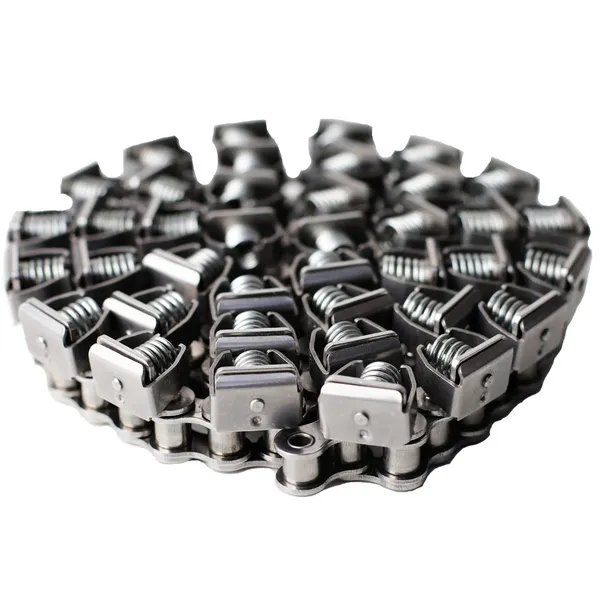
How do you calculate the chain pull force in a conveyor chain system?
The chain pull force, also known as the chain tension, is an important parameter to determine in a conveyor chain system. It represents the force required to move the conveyed load along the conveyor. The calculation of chain pull force involves several factors:
1. Weight of the Load: Determine the weight of the load being conveyed. This includes the weight of the product, packaging materials, and any additional equipment or components carried by the conveyor.
2. Friction Coefficients: Identify the friction coefficients between the load and the conveyor components. This includes the friction between the product and the conveyor chain, as well as the friction between the product and the conveyor bed or guides. These coefficients are typically provided by the manufacturer or can be obtained through testing.
3. Incline or Decline Angle: Consider the angle at which the conveyor operates. If the conveyor has an incline or decline, the angle will affect the force required to move the load.
4. Acceleration and Deceleration: Account for any acceleration or deceleration requirements in the conveyor system. If the conveyor needs to start or stop abruptly or if there are changes in speed, these factors will impact the chain pull force.
Once these factors are determined, the chain pull force can be calculated using the following formula:
Chain Pull Force = (Weight of Load + Friction Force) × (1 + Incline or Decline Factor) × (1 + Acceleration or Deceleration Factor)
It’s important to note that the accuracy of the calculation depends on the accuracy of the input values. Therefore, it’s recommended to consult the conveyor manufacturer or an engineering professional to ensure precise calculations and proper sizing of the conveyor chain.
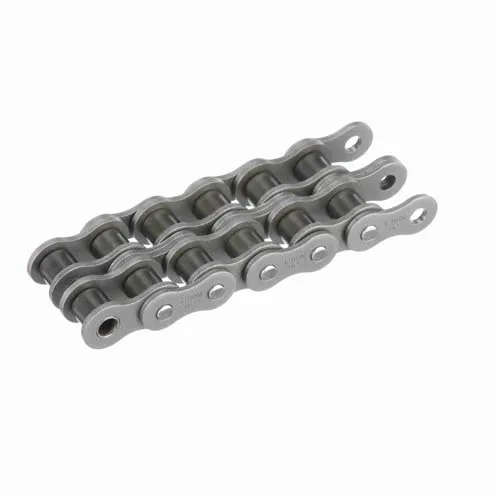
Việc sử dụng xích tải bằng thép không gỉ mang lại những lợi ích gì?
Xích băng tải bằng thép không gỉ mang lại nhiều ưu điểm so với các loại xích khác. Dưới đây là một số lợi ích chính:
1. Khả năng chống ăn mòn: Thép không gỉ có khả năng chống ăn mòn cao, thích hợp cho các ứng dụng trong môi trường khắc nghiệt hoặc các ngành công nghiệp yêu cầu vệ sinh thường xuyên hoặc tiếp xúc với độ ẩm. Nó không bị gỉ hoặc ăn mòn như các kim loại khác, đảm bảo tuổi thọ cao hơn và hiệu suất đáng tin cậy.
2. Độ bền và khả năng chịu lực: Xích thép không gỉ nổi tiếng về độ bền và khả năng chịu lực cao. Chúng có thể chịu được tải trọng nặng, nhiệt độ cao và các vật liệu mài mòn mà không bị biến dạng hoặc gãy. Điều này làm cho chúng trở nên lý tưởng cho các ứng dụng tải nặng, nơi độ tin cậy và tuổi thọ là rất quan trọng.
3. Vệ sinh và An toàn: Thép không gỉ là vật liệu không xốp, dễ làm sạch và bảo trì. Nó có khả năng chống lại vi khuẩn, nấm mốc và các chất gây ô nhiễm khác, do đó phù hợp với các ngành công nghiệp có yêu cầu vệ sinh nghiêm ngặt như chế biến thực phẩm, dược phẩm và thiết bị y tế. Dây chuyền thép không gỉ có thể được làm sạch và khử trùng kỹ lưỡng, giảm nguy cơ ô nhiễm sản phẩm.
4. Khả năng chịu nhiệt: Xích thép không gỉ có thể chịu được phạm vi nhiệt độ rộng, cả cao và thấp. Chúng thể hiện khả năng chịu nhiệt tuyệt vời, cho phép chúng duy trì độ bền và hiệu suất ngay cả trong điều kiện nhiệt độ khắc nghiệt.
5. Tính thẩm mỹ: Xích thép không gỉ có vẻ ngoài bóng bẩy và sang trọng, tạo thêm nét chuyên nghiệp và thẩm mỹ cho hệ thống băng tải. Chúng thường được sử dụng trong các ngành công nghiệp coi trọng tính thẩm mỹ và hình ảnh thương hiệu, chẳng hạn như bán lẻ hoặc hàng hóa xa xỉ.
6. Khả năng kháng hóa chất: Thép không gỉ có khả năng kháng nhiều loại hóa chất khác nhau, bao gồm axit, kiềm và dung môi. Điều này làm cho nó phù hợp với các ứng dụng có khả năng tiếp xúc với các chất ăn mòn.
7. Khả năng tương thích với các ứng dụng tốc độ cao: Xích thép không gỉ có thể chịu được hoạt động ở tốc độ cao mà không ảnh hưởng đến độ bền cấu trúc hoặc hiệu suất của chúng. Chúng duy trì sự ổn định và độ chính xác ngay cả ở tốc độ cao.
Nhìn chung, xích băng tải bằng thép không gỉ có khả năng chống ăn mòn, độ bền, độ chắc chắn, tính vệ sinh, khả năng chịu nhiệt, tính thẩm mỹ, khả năng chống hóa chất và tương thích với các ứng dụng tốc độ cao. Những lợi ích này khiến chúng trở thành lựa chọn ưu tiên trong các ngành công nghiệp như thực phẩm và đồ uống, dược phẩm, ô tô và sản xuất, nơi độ tin cậy, sự sạch sẽ và hiệu suất là yếu tố thiết yếu.

How does a conveyor chain compare to other types of conveyor systems?
Conveyor chains are one of the common types of conveyor systems used in various industries. They offer specific advantages and characteristics that differentiate them from other types of conveyor systems.
1. Versatility: Conveyor chains are highly versatile and can be used for a wide range of applications, including horizontal, inclined, and vertical conveying. They can handle various types of materials, from bulk solids to individual items.
2. High Load Capacity: Conveyor chains are known for their high load-carrying capacity. They are designed to handle heavy loads and can be used in applications where other conveyor systems may not be suitable.
3. Durability: Conveyor chains are built to withstand harsh operating conditions and heavy-duty use. They are made from strong and durable materials, such as steel or alloy, that can withstand abrasion, impact, and wear.
4. Flexibility: Conveyor chains offer flexibility in terms of layout and design. They can be configured to accommodate complex conveyor paths, curves, and multiple discharge points, allowing for efficient material flow and system customization.
5. Cost-Effective: Conveyor chains often provide a cost-effective solution for material handling compared to other conveyor systems. They have a relatively low initial cost, require less maintenance, and have a longer service life.
However, it’s important to note that conveyor chains may not be suitable for every application. Other types of conveyor systems, such as belt conveyors, screw conveyors, or pneumatic conveyors, may offer specific advantages depending on the application requirements, material characteristics, or environmental factors.
Ultimately, the selection of the appropriate conveyor system depends on factors such as load capacity, material properties, layout constraints, cost considerations, and specific application needs.


editor by CX 2024-05-03